

 Vaata sisu
 Jaga teost
 Jaga
Jaga
 Detailid
 Õppekate juhend

 Laadi alla
 Sarnased teosed
 Röntgenuuring
 Slaidietendus
 Statistika
Brothel Scene
 Oil
Oil- WallArt
- Dutch Golden Age
 1658
1658- Early Modern
 43.0 x 33.0 cm
 Mauritshuis
 Loe lähemalt
Giclée / Kunstiprint
Muuseumikvaliteediga giclée- või kangasprint kiire tootmisega ja paindlikud viimistlusvõimalused. ( Telli käsitsi maalitud reproduktsioon Ülemineku digitaalse pildi müügi kanalisse)




P118B €10

P118H €10

P118W €10

P438Z €10

P508JH €12

P508YH €12

P805H €10

P805Z €10

P919BZ €10

P919G €10

P919XJ €10

P959ZH €10

P968JZ €12

W106C €8

W218G €10

W218JH €8

W218Y €10

W307PJ €10

W316G €10

W316PJ €8

W316Y €10

W398PJ €8

W4111J €10

W500HY €15

W500JH €15

W692G €12

W849H €8

W940BG €15

W953PJ €8




Vali meie eelmääratud suurused, mis vastavad teose algupärastele proportsioonidele.

Sisestage vajalik laius ja kõrgus, et see sobiks teie raamile või seinale. Trükki saab ainult lõigata, seda ei saa kunagi pildist suuremaks teha, seega ka differentse vormiga suurus kaotab osa pildist. Enne trükkimist saadame teile kinnitamiseks digitaalse näidisprojektsiooni. Sellel lehel näidatud pilt ei kujuta reaalset lõiget — seda näitab ainult näidisprojekttsioon.
Ülemaailmne tarne () 2 nädala jooksul, tavalise 4/5 nädala asemel. (25 oktoober)

Tasuta ekspresssaatmine üle maailma

Kõrgekvaliteediline lina-kangastest muld

Täielik transpordikindlustus

Tollimaksude tagastamise garantii

Värvitoime täpsuse garantii

100 päeva tagastusõigus (ainult defektide korral)

100% raha tagasi garantii

Hulgusoodustus
 Klaasivalik on saadaval ainult kuni 110 cm suuruses teostes

Brothel Scene
Giclée / Kunstiprint
Reproduktsiooni mõõtmed
-


Lõppsumma
€ 70
An Intimate Encounter in the Dutch Golden Age
In the quiet, shadowed corners of seventeenth-century Leiden, there existed a world defined by both extreme refinement and raw human impulse. Frans van Mieris the Elder, a master of the fijnschilder technique, captures this duality with breathtaking precision in his 1658 masterpiece, Brothel Scene. The painting invites the viewer into a private, almost voyeuristic moment, where a man kneels before a seated woman, their bodies positioned in a way that suggests a whispered confidence or a shared secret. This is not merely a depiction of a setting; it is a window into the psychological tension of an era caught between moral piety and the allure of earthly pleasures.
The composition is a masterclass in narrative intimacy. As the eye wanders through the room, it encounters the domestic markers of a life lived in the shadows: a sturdy chair, the soft folds of a bed in the background, and even the presence of a dog, often used in Dutch art to symbolize fidelity or, in more provocative contexts, base instincts. The inclusion of two bottles—one positioned to the left and another toward the right—hints at the indulgence that often accompanied such clandestine meetings. Every element, from the ticking clock on the wall to the subtle play of light on fabric, serves to ground this fleeting interaction in a tangible, breathing reality.
The Mastery of the Fijnschilder Technique
To behold a work by Van Mieris is to witness the pinnacle of Dutch technical virtuosity. As a student of Gerrit Dou, Van Mieris inherited the mantle of the fijnschilders, or "fine painters," whose primary goal was the erasure of the brushstroke itself. In Brothel Scene, this meticulous approach creates a surface so smooth and detailed that it feels almost photographic to the modern eye. The texture of the woman's garments, the glint of light on glass, and the soft warmth of skin are rendered with such care that the viewer can almost feel the atmosphere of the room.
For the discerning collector or interior designer, this painting offers more than just visual beauty; it offers a profound sense of depth and texture. The way the light falls across the scene creates a chiaroscuro effect that lends a dramatic weight to the subject matter. This level of detail makes a high-quality reproduction an extraordinary centerpiece for any curated space, providing a focal point that rewards prolonged contemplation. Whether placed in a contemporary gallery setting or a classic study, the painting’s ability to command attention through subtle nuance is unparalleled.
A Timeless Allure for Modern Spaces
Beyond its historical significance, Brothel Scene resonates with a timeless emotional complexity. It explores themes of desire, secrecy, and the human condition that remain deeply relevant today. The painting does not shout; it whispers, drawing the observer into its quiet drama through a sophisticated use of color and composition. This understated power makes it an ideal choice for those looking to infuse their interiors with a sense of history, intellect, and soulful elegance.
Integrating such a piece into a home or professional design project allows for a dialogue between the past and the present. The rich, earthy tones and the dramatic interplay of light and shadow provide a sophisticated palette that complements both traditional and modern decor. Owning a reproduction of this caliber is an invitation to celebrate the enduring legacy of the Dutch Golden Age, bringing a piece of art history into the intimate sanctuary of one's own surroundings.
Küsimused ja vastused
Millest teos "Brothel Scene" on valmistatud ja millises stiilis on see?
„Brothel Scene“, autor Frans Van Mieris ühendab endas Oil tehnikat ja Dutch Golden Age stiili. Tehnika ja suundumus kirjeldavad teose valmistusviisi ja stiili.
Millised teemad teoses „Brothel Scene“, autor Frans Van Mieris esile tõelve?
Teose "Brothel Scene" teemad on genre painting, interior scene, dutch art, baroque style, detail rendering, domestic setting, rembrandt school.
Kas teoses "Brothel Scene" on nähtav tugev kerge-tume kontrast?
Teose "Brothel Scene" valgus-varjundite kontrast on Serene. Kontrast kirjeldab, kui teravalt erinevad heeled ja tumedad alad.
Kunstniku elulugu
Detailidesse sisse märgitud elu: Van Mieris van vanema maailm
Frans van Mieris vanema nimi on sündmus, mis on sünkronneeritud hoolikusega detailidega ja peenelt lihvitud kunstilisusega, olles samal ajal Hollandi kuldajärgi üks olulisi tegelasi. 1635. aastal Leidus sündinud mehe tee pöördu lõplikult eemale perepärandist – tema isa Jan Bastiaensz van Mierise õpetatud kullasepadest – suunates teda hoopis lummavasse maalikunstivälja. See varalne kalduvus joonistamise poole ettevalmistas teed karjäärile, mis määras "fijnschilder" stiili ja pakkus intiimset vaadet 17. sajandi Hollandi ühiskonnale. Tema esmane õpetus Abraham Toorenvliite juures, mida järgnes lugematu kadunud lugu austatud Gerrit Dou'st, pani kindla vundamenti, millele ta ehitas oma eripärase kunstilise hääle. Need kujundavate aastad sisaldasid temasse mitte ainult tehnilist oskust, vaid ka äärmist austust narratiivse nüanssi ja peenete tähelepanekute jõu vastu.„Fijnschilderi” tõus
Van Mieris sai kiiresti kuulsaks kui *fijnschilder* meister – hollandi termin, mis viitab "peenmaali". See tehnika oli iseloomulik peaaegu obsesiivne tähelepanu detailidele, sujuv ja poleritud pintoonide kasutamine ning eelistus väiksemale mustile. See ei olnud pelgalt reaalsuse kopeerimine; see oli reaalsuse tõstmine kõrgemale hoolikuse ja täpsuse kaudu. Tema maalide pind seemavad eluga kiilima – satiini läikav sära, sameti peen tekstuur, metalli karge välk – kõik on kujutatud hämmastav hõbedusega. Ta ei maalinud lihtsalt tuba; ta taastas selle atmosfääri, kutsumates vaatajat sisse koduse ja rikkakaasa maailma stseenidesse. Tema teemad pöördugid sageli jõukate inimeste elu ümber: elegantsed koosolekid, pidulikult dekoreeritud interjöörid ja portreid, mis tabasid mitte ainult välimust, vaid ka isikupära. Korduvad motiivid nagu õunelmid, arstid, kes hooldavad patsiente, ja naised igapäevaste tegevustega pakkusid aken ülemklasside harudesse ja sotsiaalsetesse rituaalide. Kuigi alguses oli ta tugevalt Gerrit Dou stiilist mõjutatud, arendas Van Mieris aegla Held oma unikaalset lähenemist. Ta liikus eemale detailide üleliigsest kordamisest suunates suurema rõhu inimeste vahelisele interaktsioonile ja kompositsioonides toimuvale jutustusele. Hilisemad teosed näitavad sageli tumedamaid toonivõimalusi võrreldes tema varasemate maalide heledamate palettidega, peegeldades kasvavat küpsust ja kunstilist uuringut.Olulised teosed ja püsiv pärand
Mitmed olulised teosed seisavad Van Mierisi oskuse ja areneva stiili kui tõestusena. Arsti küte (1657), mida peetakse ühe tema varasemate ja kõige olulisemate teostena, näitab tema hiilivat iseseisvust Dou mõjust. See maal on meistriklass meditsiinliku läbivaatuse vaikse pinge tabamisel, esitatud hämmastavalt realistlikul tasemel. Tema Autoportree kitariga on samuti võlustav, demonstreerides tema võimet kujutada luksuslikku riietust, samal ajal edastades isikupära ja enesearutluse tunnet. Kunstniku naise, Cunera van der Cocki, portret on tema portreetide meistriklassi näidis, rõhutades nii tehnilist oskust kui ka *chiaroscuro* – dramaatilist valuse ja varju mängu – mõistmist. Lisaks žanriteenidele ja portreetidele enoughas Van Mieris ka allegorilisse maali, nagu need, mis kujutasid 아니다 (vices) nagu joomine, suitsetamine ja hasartmängud, demonstreerides oma kunstiliste võimete laialdust. Frans van Mierisi mõju ulatus kaugele tema oma elu ajast. Tema mõju karedis tema perekonnas; tema poeg Willem van Mieris (1662–1747) ja lapselaps Frans van Mieris noorem (1689–1763) said mõlemad edukad žanrimaalid, jätkades kunstilist traditsiooni. Tema stiili populaarsus tekitas ka arvukalt imitatoreid, eriti A. D. Snaphaani, kes töötas Leipzigis ja nautis Anhalt-Dessau õukonna patrooni.Püsiv panus Hollandi kunstile
Frans van Mieris mängis võtmerolli *fijnschilder* liikumuse kujundamisel Hollandi kuldajärgi maaliidus. Tema pühendumus detailidele, igapäevase elu ja ülemklassi ühiskonna realistlikud kujutused ning tehniline briljantsite lisas oluliselt panustamiseks ajastusse, mis oli juba tuntud oma kunstilise uuenduste eest. Ta nautis prominentsete isikute patrooni, sealhulgas arhideek Leopoldi ja Cosimo III de' Medici, mis on tõestus tema talendi rahvusvahelisele tunnustusele. Isegi täna jätavad tema teosed vaatajat kõnetama oma suurepäraselt käsitletud meistriklassi ja 17. sajandi kultuuri sügavate portreettide poolest. Autoportreedi vargus Sydneyses New South Walesi kunstigaleriis toimib korduvana meeldetuletusena tema kunsti püsivale väärtusele ja atraksiivsusele – pärandile, mis jätkub kunstikollektorite ja kunstihuviliste inspireerimiseks. Tema maalid ei ole pelgalt ajaloolised artefaktid; need on aknad möödunud ajastusse, hoolikalt loodud ja igavusse ilusse märgitud.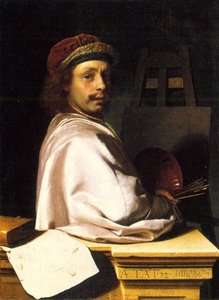
Frans Van Mieris
1635 - 1681 , Madalmaaad
Lühikest infot
- Artistic Movement Or Style: Fijnschilder, žanripind
- Artists Or Movements Influenced By This Artist:
- Willem van Mieris
- Frans van Mieris noorem
- A. D. Snaphaan
- Artists Who Influenced This Artist:
- Gerrit Dou
- Abraham van den Tempel
- Date Of Birth: 1635
- Date Of Death: 1681
- Full Name: Frans van Mieris vanem
- Nationality: Hollandi
- Notable Artworks:
- Arsti küte
- Eneseportree tsiteriga
- Muusikaline seltskond
- Duett
- Place Of Birth: Leiden, Holland
Sarnased artiklid

Rembrandti 25 meistriteost: Valgus ja varjud Hollandi kuldajast kunstikollektsioonis
Avastage Rembrandti 25 meistriteost! Hollandi kuldajastu barokkmaalid, portreed ja ajaloolised stseenid. Leidke inspiratsiooni interjööri kujunduseks või soetage luksuslik Rembrandt reproduktsioon OriginalUniqueArt.com-ist. Avastage kogu kollektsioon veebis!
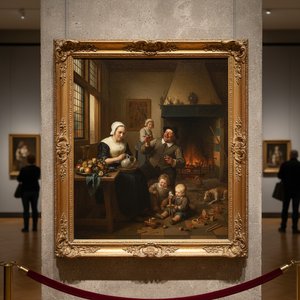
Genre Painting: A Window into Daily Life & Societal Values of the Dutch Golden Age
Explore the captivating world of Dutch Golden Age genre painting! Discover realistic depictions of daily life, masterful artists like Ostade & Metsu, and hidden symbolism. Learn about this influential art movement with OriginalUniqueArt.

Hollandi Kuldaja Särgas Kunstipärit: 10 Meisterteost Sinu Koduks
Sukeldu Hollandi Kuldaja kunstivorme! Avasta 10 ikoonilist meistriteost – Rembrandt, Vermeer jt. - ning nende ajatu loojatööd. Leia inspiratsiooni interjöörile ja kaunista kodu OriginalUniqueArt.com kvaliteetsete reproduktsioonidega. Uuri kollektsiooni!

Golden Age Reflections: Dutch Baroque Painting & Cultural Innovation
Explore the Dutch Golden Age of painting! Discover key artists like Vermeer & ter Borch, their innovative techniques, and the rich cultural context behind these Baroque masterpieces. Learn about collecting & appreciating this iconic art period.
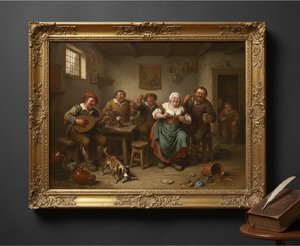
Adriaen van Ostade: A Master of Dutch Genre Painting & Social Commentary
Explore the life & work of Adriaen van Ostade, a leading Dutch Golden Age painter. Discover his realistic genre scenes, social commentary, and lasting influence on art history. Learn more at OriginalUniqueArt.