

 Vaata sisu
 Jaga teost
 Jaga
Jaga
 Detailid
 Õppekate juhend

 Laadi alla
 Sarnased teosed
 Röntgenuuring
 Slaidietendus
 Statistika
Rinaldo and Armida
 Oil On Canvas
- WallArt
- Rococo
 1734
1734- Early Modern
 135.0 x 170.0 cm
 Louvre'i muuseum
 Loe lähemalt
Käsitsi valmistatud õlimaalireproduktsioon
Meie kunstnike poolt tellimusel valmistatud käsitsi maalitud õli-kainaste teos teie soovitud suuruses ja raamis. ( Lülita trükkitoodetele Ülemineku digitaalse pildi müügi kanalisse)




P118B €10

P118H €10

P118W €10

P438Z €10

P508JH €12

P508YH €12

P805H €10

P805Z €10

P919BZ €10

P919G €10

P919XJ €10

P959ZH €10

P968JZ €12

W106C €8

W218G €10

W218JH €8

W218Y €10

W307PJ €10

W316G €10

W316PJ €8

W316Y €10

W398PJ €8

W4111J €10

W500HY €15

W500JH €15

W692G €12

W849H €8

W940BG €15

W953PJ €8




Vali meie eelmääratud suurused, mis vastavad teose algupärastele proportsioonidele.

Sisestage vajalik laius ja kõrgus, et teos sobiks teie raamile või seinale. Kuna tegu on käsipainatud teosega, siis erineva kujuga suuruse korral võib kunstnik jätta pildi ümber veidi rohkem marginaali või lõigata osa ära — valik on teie. Enne maali alustamist saadame teile kinnitamiseks digitaalse näidisprojektsiooni. Sellel lehel näidatud pilt ei kajasta tegelikku tulemust — seda näitab ainult näidisprojekttsioon.
Pärast tellimust saadab OriginalUniqueArt.com meeskond kliendile e-posti juhised ning esitab eelvaate kavandi
Maailmline tarne 3–4 nädala jooksul tavalise 5 nädala asemel. (23 oktoober). Kvaliteedis kompromisse ei tehta.

Tasuta ekspresssaatmine üle maailma

Kõrgekvaliteediline lina-kangastest muld

Täielik transpordikindlustus

Tollimaksude tagastamise garantii

Värvitoime täpsuse garantii

100 päeva tagastusõigus (ainult defektide korral)

100% raha tagasi garantii

Hulgusoodustus
 Klaasivalik on saadaval ainult kuni 110 cm suuruses teostes

Rinaldo and Armida
Reproduktsiooni materjal
Reproduktsiooni mõõtmed
-


Lõppsumma
€ 263
A Symphony of Sensuality: The Enchantment of Rinaldo and Armida
In the grand tapestry of the Rococo era, few works capture the delicate tension between passion and duty as exquisitely as François Boucher’s 1734 masterpiece, Rinaldo and Armida. This monumental canvas serves as a breathtaking window into the heart of 1-8th century French elegance, where the boundaries between myth and reality dissolve into a dreamscape of soft light and romantic longing. The painting draws its profound narrative power from Torquato Tasso’s epic poem, Jerusalem Delivered, presenting a moment of suspended animation where the chaos of crusade and conflict is momentarily silenced by the overwhelming force of desire.
At the center of this visual poem lies the intimate encounter between the valiant Christian knight, Rinaldo, and the enchanting sorceress, Armida. Boucher masterfully captures a scene of profound tenderness; as Rinaldo rests in a state of vulnerable repose, Armida leans over him, her fingers gently entwined in his hair. This simple, evocative gesture symbolizes more than mere affection—it represents the subtle triumph of enchantment over heroism, and the irresistible pull of the senses over the dictates of war. The surrounding landscape, an idealized pastoral Arcadia, reinforces this sense of escapism, offering a sanctuary of lush greenery and classical ruins that feels both timeless and otherworldly.
The Mastery of Rococo Technique and Light
To behold this work is to witness the pinnacle of Boucher’s technical virtuosity. The artist employs the hallmark characteristics of the Rococo style with unparalleled grace, utilizing a delicate layering of translucent glazes to achieve a luminous, pearlescent skin tone that seems to glow from within. His use of chiaroscuro—the sophisticated interplay between light and shadow—does not merely define form but imbues the entire composition with an atmospheric depth, as if a soft mist were clinging to the edges of the forest. The color palette is a triumph of pastel harmonies, where silken draperies in muted blues and rosy pinks dance against the verdant, sun-dappled backdrop.
Every brushstroke serves the larger purpose of decorative elegance. Notice the fluid movement of the fabrics and the meticulous attention to the textures of the surrounding elements—the weathered stone of an abandoned temple, the soft plumage of nearby figures, and the intricate strings of a harp held by playful putti. These details create a sensory experience that transcends the flat surface of the canvas, inviting the viewer to step into a world where beauty is the highest law. For the discerning collector or interior designer, such a piece offers more than mere decoration; it provides a focal point of profound sophistication, capable of anchoring a room with its historical weight and aesthetic splendor.
A Timeless Legacy for the Modern Collector
Beyond its technical brilliance, Rinaldo and Armida resonates emotionally through its exploration of universal themes: the vulnerability of the human heart and the transformative power of love. The presence of angelic messengers and pagan deities in the periphery serves as a poignant reminder of the era's intellectual fascination with the clash between divine piety and earthly temptation. It is a painting that breathes with life, offering a sense of movement and emotional complexity that remains strikingly modern.
For those seeking to infuse their living spaces with the opulence of the French court, a high-quality reproduction of this work offers an unparalleled opportunity. Whether placed in a sunlit gallery or a stately study, the painting’s soft light and romantic narrative act as a source of constant inspiration. It is an investment in atmosphere, bringing the legendary charm of Boucher’s Paris into the contemporary home, and ensuring that the exquisite spirit of the Rococo continues to enchant generations to come.
Küsimused ja vastused
Kuidas teose "Rinaldo and Armida" motiiv seobub François Boucher tavalistega teemadega?
François Boucher korduvad teemad hõlmavad french rococo influence, tasso's 'rinaldo' story, courtly love & romance, mythological narrative, boucher's sensuality", pompadour patronage, elegant aristocratic scene, decorative art masterpiece; teos "Rinaldo and Armida" keskendub mythological scene, rinaldo and armida, 18th century romance, french rococo art, classical figures, musical intrigue, courtly love story.
Kuhu kohta „Rinaldo and Armida“, autor François Boucher reproduktsioon peaks rikutud?
Teose „Rinaldo and Armida“, autor François Boucher Landscape formaat on soovitatav kasutada ruumis Living Room. Formaat ja ruum aitavad koos otsustada reproduktsiooni paigutamise kohta.
Kust leian juhendi teose "Rinaldo and Armida" kohta?
Juhend teose "Rinaldo and Armida" kohta on selle Juhend leht – trükkiv infoleht, mis näitab teost koos selle pealkirja, autori ja allika ning identifiekatsioonitabeliga (kunstnik, kuupäevad, tehnika, algne suurus, kollektsioon).
Kunstniku elulugu
François Boucher: Rokokoo Ajastu Meister
François Boucher (1703-1770) oli 18. sajandi prantsuse kunsti keskne tegelane, tuntud kui rokokoo ajastu üks tuntuimaid maalikunstnikke. Tema töö kehastab elegantsi, sensuaalsust ja mängulist vaimu, mis defineeris seda mõjukat stiili. Boucher’d ei peeta mitte ainult suurepärase tehnikaga kunstnikuna, vaid ka ajastu maitse ja luksuse sümbolina, kelle loomingu kajastasid kuninglikud õukonnad ja aristokraatia elustiil.
Varajane Elu ja Koolitus
François Boucher sündis 29. septembril 1703. aastal Pariisis Prantsusmaal. Tema kunstiline teekond algas isa, Jean Boucheri juhendamisel, kes oli ise maalikunstnik. Seitsmeteistkümne aasta vanuses pälvis ta François Lemoyne’i tähelepanu, mis viis lühikese, kuid mõjuka õpipõhise perioodini. Ta lihvis oma oskusi edasi graafiku Jean-François Carsi juures enne olulist saavutust: võites prestiižse Grand Prix de Rome’i auhinna aastal 1720. See auhind andis Boucher’le võimaluse õppida Roomas, mis kujundas tema kunstilist arengut ja avardas tema silmaringi klassikalise kunsti suhtes.
Tõus Kuulsusele ja Kunstiline Areng
Boucher’i viibimine Itaalias pärast Grand Prix auhinna võitmist osutus määrava tähtsusega. Naastes Prantsusmaale, võeti ta 1731. aastal vastu Académie Royale de Peinture et de Sculpture’i liikmeks. Tema *morceau de réception*, “Rinaldo ja Armida” (1734), kinnitas koheselt tema positsiooni rokokoo stiili meistrina. Sel perioodil jõudis tema kunstiline hääl täielikult esile, iseloomustades seda õrn pintslimaal, pastelsed värvipaletid ning müütiliste ja pastoralaadsete teemade rõhutamine. Boucher’i varajased tööd näitasid juba tema võimet luua graatsilisi kompositsioone ja sensuaalseid figuure.
Põhitööd ja Teemad
Boucher’i looming on tähelepanuväärselt mitmekesine, hõlmates müütoloogiat, portreemaale, žanrimaale ja dekoratiivkunsti. Mõned tema tuntuimad teosed on:
- “Hommikusöök” (1739): Võluv koduelu kujutus, millel on kujutatud tema naist ja lapsi.
- “Veenuse triumf” (1740-1751): Maalide sari, mis demonstreerib Boucher’i meisterlikkust müütiliste narratiivide esitamisel.
- Arvukad portreed Madame de Pompadour’ist, Louis XV armukesest, kinnistades tema positsiooni õukonnas. Tema portreed Madame de Pompadour'ist ei olnud pelgalt visuaalsed kujutised, vaid ka poliitiliste ja sotsiaalsete sõnumite kandjad.
- Maastikumaalid nagu “Päikeseloojang”, mis demonstreerivad lüürilist ja idüllilist loodusevisiooni.
Korduvad teemad Boucher’i töödes on armastus, ilu, vaba aeg ja müütilise maailma idealiseeritud vorm. Tema maalid kutsuvad sageli esile mängulise erootika ja rafineeritud elegantsi tunde. Ta oskas tabada hetke õhkõrnsust ja luua atmosfääri, mis oli täis naiselikkust ja sensuaalsust.
Mõju ja Pärand
Boucher’i mõju ulatus kaugemale maalikunstist. Ta kujundas kostüüme ja lavakujundusi teatri jaoks, lõi tapeteid Beauvais’ töökojas ning tegi koostööd Gobelins Manufactoryga. Tema ametisse nimetamine *Premier Peintre du Roi'ks* aastal 1765 kinnistas tema staatuse prantsuse rokokoo juhtiva kunstnikuna. Ta oli viljakas disainer ja kunstiline nõustaja, kelle loomingut kasutati laialdaselt kuninglikus õukonnas ja aristokraatlike klientide seas.
Kuigi hilisemad kriitikud kahtlustasid rokokoo kunsti pinnallikkust, on Boucher’i mõju järgnevatele põlvedele vaieldamatu. Ta mõjutas kunstnikke nagu Jean-Honoré Fragonard ja andis olulise panuse neoklassitsismi arengusse oma õpilaste kaudu. Tema loomingut uuritakse tänini, et mõista rokokoo ajastu esteetilisi väärtusi ja sotsiaalset konteksti.
Ajalooline Tähtsus
François Boucher’i töö pakub väärtuslikku vaateakent 18. sajandi prantsuse ühiskonna maitsele ja väärtustele. Tema maalid peegeldavad ajastu aristokraatlikku kultuuri, mida iseloomustas luksus, rafineeritus ja naudingute otsimine. Ta jääb oluliseks tegelaseks kunstiajaloo valdkonnas, tähistades tema tehnilist oskust, kunstilist innovatsiooni ja püsivat panust rokokoo stiili.

François Boucher
1703 - 1770 , Prantsusmaa
Lühikest infot
- Kunstiliikumine: Rokoko
- Rahvus: Prantslane
- Surmapäev: 1770
- Sünnipäev: 29 september 1703
- Täisnimi: François Boucher
Sarnased artiklid
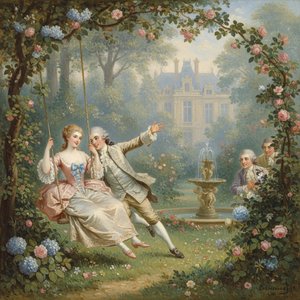
The Rococo Reverie of Fragonard: Love, Leisure & Pleasure in 18th-Century France
Explore the captivating world of Jean-Honoré Fragonard! Discover his Rococo masterpieces, intimate portraits & the allure of 18th-century French art. Learn about 'The Progress of Love' and more at OriginalUniqueArt.

The Rococo Aesthetic: Opulence, Rebellion & the Pursuit of Pleasure in 18th-Century Art
Explore the opulent world of Rococo art! Discover its origins, key artists like Watteau & Boucher, and lasting influence on design. Expert insights for collectors & enthusiasts.
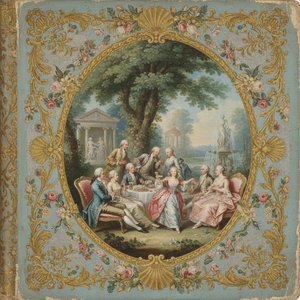
The Rococo Style: Aristocratic Leisure & the Pursuit of Delight in 18th-Century Art
Explore the opulent world of Rococo art! Discover Watteau, Boucher & Nattier's masterpieces. Expert insights for collectors seeking museum-quality reproductions and custom portraits at OriginalUniqueArt.

RoKokoo: 10 Meisterteost, Mis Määritsesid Kunstisuundi | OriginalUniqueArt
Sukeldu RoKokoo maailma! Avasta 10 meistriteost, mis defineerisid kunstisuunda – prantsuse kunstnikud, kuldsed toonid ja luksuslik interjöör. Tutvu lugudega legendaarsete teoste taga & leia inspiratsiooni OriginalUniqueArt.com-ilt!
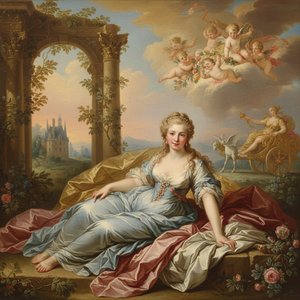
François Boucher: Rococo Master of Myth, Sensuality, and the French Court
Explore the captivating world of François Boucher, master of Rococo painting! Discover his iconic works, aristocratic patronage, and lasting influence on French art history. Learn more at OriginalUniqueArt.