
 Eelvaade
 Saada
Saada Jaga
Jaga
 Teave teose kohta

 Laadi alla
 Sarnased teosed
 Röntgenuuring
 Slaidietendus
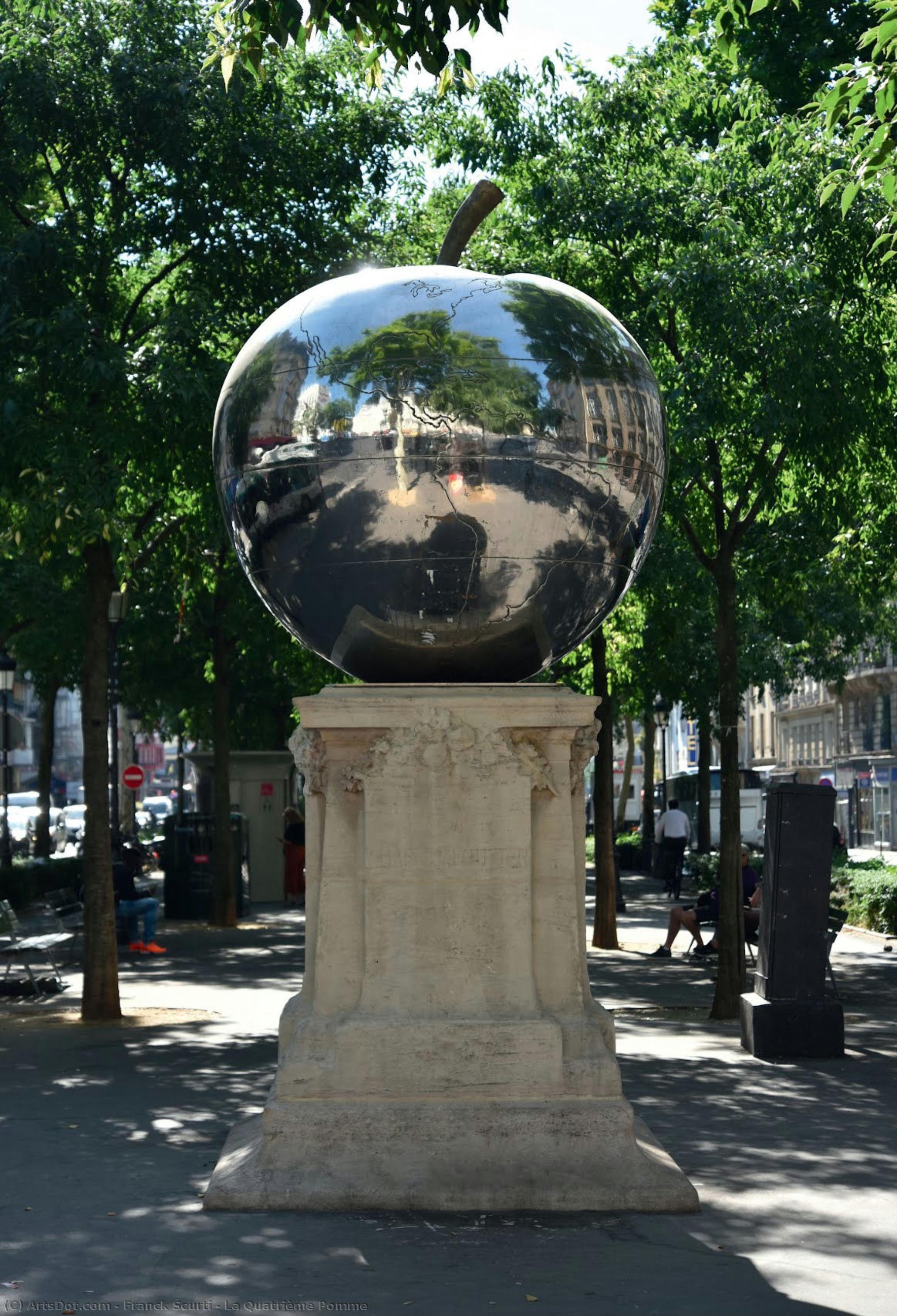
La Quatrième Pomme

 Loe lähemalt
Giclée / Kunstiprint
Muuseumikvaliteediga giclée- või kangasprint kiire tootmisega ja paindlikud viimistlusvõimalused. ( Osta käsitsi maalitud maal Osta pilt)




































Vali meie eelmääratud suurused, mis vastavad teose algupärastele proportsioonidele.

Saate sisestada oma mõõdud, et need sobiks konkreetse raami või ruumi sisse. Kui valitud suurus ei vasta originaalteose proportsioonidele, lõigame teose ära või laiendame pilti peegeldatud või ühtlase servaga. Enne tootmisprotsessi algust saadetakse Teie kinnitamiseks digitaalne näidis.
Palun märka, et ekraanil kuvatav eelvaade ei kajasta tegelikku lõigamist või laiendamist. Ainult näidis kujutab täpselt lõplikku kompositsiooni.
Kuigi erimõõdu on saadaval, soovitame originaaproportsioonide säilitamiseks valida mõõt ette määratud nimekirjast.
Ülemaailmne tarne () 2 nädala jooksul, tavalise 4/5 nädala asemel. (22 august)

Tasuta ekspresssaatmine üle maailma

Kõrgekvaliteediline linakangas

Täielik transpordikindlustus

Tollimaksude tagastamise garantii

Värvitoime täpsuse garantii

60-päevane tagastusõig: ainult tootmisdefektide korral

100% raha tagasi garantii

Hulgusoodustus
 Klaasivalik on saadaval ainult suuruses kuni 110 cm

La Quatrième Pomme
Giclée / Kunstiprint
Reproduktsiooni suurus
-


Kogusumma
$ 80
Kunstniku elulugu
Franck Scurti: A Cartographer of the Everyday
Born in Lyon, France, in 1965, Franck Scurti’s artistic journey is a fascinating exploration of the familiar rendered strange – a deliberate disruption of our perception through meticulous observation and radical recontextualization. He isn't simply an artist; he’s a cartographer of the everyday, charting the hidden landscapes within our routines, news feeds, and the detritus of modern civilization. Scurti’s work resists easy categorization, oscillating between conceptual art, installation, sculpture, and video, creating a body of work that is both unsettlingly diverse and profoundly unified in its core concern: how we perceive and interact with the world around us.
Scurti's early career gained momentum in the 1990s, building upon the legacy of conceptual art and, crucially, Marcel Duchamp. This lineage is evident not just in his rejection of traditional artistic mediums – he frequently employs found objects, discarded materials, and even seemingly banal images – but also in his questioning of the very definition of ‘art.’ Like Duchamp, Scurti challenges viewers to actively engage with his work, prompting them to consider the inherent value judgments embedded within our visual culture. The Marcel Duchamp Prize awarded him in 2003 stands as a testament to this innovative and provocative approach.
The Language of Discomfort
Scurti’s artistic practice is characterized by a deliberate discomfort, a refusal to offer comfortable narratives or easily digestible aesthetics. His works often draw inspiration from international news, urban landscapes, and the seemingly random occurrences of daily life. He doesn't seek to create beautiful objects; instead, he meticulously assembles fragments – scribbles, customized vehicles, discarded items, and snippets of video footage – transforming them into complex systems that expose the underlying structures of our society. As Michel Rein noted, “His work is a self-placing into situation between reality and its representations, relating to aesthetical, historical or economical stakes, but also to things and events.”
This approach isn’t driven by nihilism, however. Scurti's work operates within a framework of improvisation, drawing upon the legacies of Dada and Fluxus – movements that embraced chance, absurdity, and a playful rejection of established norms. Yet, this spontaneity is tempered by a deep understanding of historical and cultural contexts. He acknowledges the influence of modernist grids and productivity rules, recognizing how these systems shape our lives while simultaneously offering opportunities for creative disruption. His work can be seen as a liberation from rigid structures, inviting viewers to embrace an aleatory perspective – one that values improvisation and recognizes the inherent potential within seemingly random events.
A Global Presence
Franck Scurti’s exhibitions have spanned continents, solidifying his position as a significant contemporary artist. His work has been showcased at prestigious institutions worldwide, including the Centre Pompidou (Paris), Fondation Zimei (Montesilvano), CCCOD (Tours), Musée d'art Contemporain (Moscow), Centre Pompidou Malaga, Museo Nacional Centro de Arte Reina Sofia (Madrid), Palais de Tokyo (Paris), CA2M - Centro de Arte Dos de Mayo (Madrid), SMAK - Stedelijk Museum voor Actuele Kunst (Gent), Power station of art (PSA) collection de la Fondation Cartier (Shanghai), MAMCO - Musée d’Art Moderne et Contemporain (Geneva), Queen Elizabeth Hall Riverside Terrace (London), Musée Picasso (Valauris), Magasin-CNAC (Grenoble), Vitrines Hermes (Tokyo), Centre National de la Photographie (Paris), MAC/VAL (Vitry-sur-Seine), BPS22 (Charleroi), IAC - Institut d’Art Contemporain (Villeurbanne), Kunsthaus Baselland (Muttenz), Bloomberg Space (London), MAN - Museo d’Arte Provincia di Nuoro, Museum of Contemporary Art (Bucharest). This extensive network reflects a global engagement with themes of urbanity, consumption, and the mediated experience of reality.
Collecting and Critical Acclaim
Scurti's work is held in significant collections across Europe and beyond, including the Centre Georges-Pompidou (Paris), FNAC - Fonds National d’Art Contemporain (Paris), Collection départementale d’art contemporain de la Seine-Saint-Denis, Collection Guerlain, Collection Agnes B, IAC - Institut d’Art Contemporain (Villeurbanne), MAC - Musée d’Art Contemporain (Marseilles), MAC/VAL (Vitry-sur-Seine), CNAP (Paris), BPS22 (Charleroi), FRAC (Alsace, Sélestat ; Nouvelle-Aquitaine MÉCA, Bordeaux ; Corse, Corte ; Artothèque Nouvelle-Aquitaine, Limoges ; Occitanie Montpellier ; Normandie, Caen ; Pays-de-la-Loire, Carquefou ; Poitou-Charentes, Angoulême). This recognition underscores the enduring relevance and critical appreciation of his work within the contemporary art world. His continued exploration of these themes ensures that Franck Scurti remains a vital voice in shaping our understanding of the 21st century.

franck scurti
1965 - , France
Lühikesed faktid
- Artistic Movement Or Style: Conceptual Art, Duchamp's legacy
- Artists Or Movements Influenced By This Artist: ['Fluxus']
- Artists Who Influenced This Artist: ['Marcel Duchamp']
- Date Of Birth: 1965
- Full Name: Franck Scurti
- Nationality: French
- Notable Artworks: ['La Quatrième Pomme']
- Place Of Birth: Lyon, France

