

 Eelvaade
 Saada
Saada Jaga
Jaga
 Teave teose kohta

 Laadi alla
 Sarnased teosed
 Röntgenuuring
 Slaidietendus
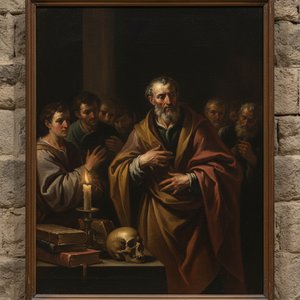
Annunciation
 Oil On Canvas
- WallArt
 1665
1665- Early Modern
 112.0 x 96.0 cm
 Prado muuseum
 Loe lähemalt
Giclée / Kunstiprint
Muuseumikvaliteediga giclée- või kangasprint kiire tootmisega ja paindlikud viimistlusvõimalused. ( Osta käsitsi maalitud maal Osta pilt)




P118B $10

P118H $10

P118W $10

P438Z $10

P508JH $12

P508YH $12

P805H $10

P805Z $10

P919BZ $10

P919G $10

P919XJ $10

P959ZH $10

P968JZ $12

W106C $8

W218G $10

W218JH $8

W218Y $10

W307PJ $10

W316G $10

W316PJ $8

W316Y $10

W398PJ $8

W4111J $10

W500HY $15

W500JH $15

W692G $12

W849H $8

W940BG $15

W953PJ $8




Vali meie eelmääratud suurused, mis vastavad teose algupärastele proportsioonidele.

Saate sisestada oma mõõdud, et need sobiks konkreetse raami või ruumi sisse. Kui valitud suurus ei vasta originaalteose proportsioonidele, lõigame teose ära või laiendame pilti peegeldatud või ühtlase servaga. Enne tootmisprotsessi algust saadetakse Teie kinnitamiseks digitaalne näidis.
Palun märka, et ekraanil kuvatav eelvaade ei kajasta tegelikku lõigamist või laiendamist. Ainult näidis kujutab täpselt lõplikku kompositsiooni.
Kuigi erimõõdu on saadaval, soovitame originaaproportsioonide säilitamiseks valida mõõt ette määratud nimekirjast.
Ülemaailmne tarne () 2 nädala jooksul, tavalise 4/5 nädala asemel. (14 august)

Tasuta ekspresssaatmine üle maailma

Kõrgekvaliteediline linakangas

Täielik transpordikindlustus

Tollimaksude tagastamise garantii

Värvitoime täpsuse garantii

60-päevane tagastusõig: ainult tootmisdefektide korral

100% raha tagasi garantii

Hulgusoodustus
 Klaasivalik on saadaval ainult suuruses kuni 110 cm

Annunciation
Giclée / Kunstiprint
Reproduktsiooni suurus
-


Kogusumma
$ 80
Kunstniku elulugu
Francisco Rizi (1608-1685): A Baroque Master of Faith and Majesty
Francisco Rizi de Guevara, born in Madrid in 1608, stands as a pivotal figure within the Spanish Baroque artistic landscape. His life’s trajectory intertwined with the grandeur of Philip IV's court and the intellectual fervor of his era, shaping him into one of the most prolific painters of his time—a true testament to the artistic spirit of the seventeenth century. He was the son of Antonio Rizi, a Bolognese native who had accompanied Federico Zuccari into Spain, providing him with an early exposure to artistic excellence and fostering a passion for visual storytelling. Rizi’s formative years were spent under the tutelage of Vincencio Carducho, a respected artist known for his meticulous realism and humanist ideals. This mentorship instilled in Rizi a foundational understanding of technique—particularly disegno—the cornerstone of Baroque painting, emphasizing careful observation and anatomical accuracy alongside expressive color palettes. It was Carducho who recognized Rizi’s considerable talent and encouraged him to pursue ambitious projects that would solidify his reputation as a master craftsman. His ascent to prominence began with appointments to prestigious institutions – notably the Cathedral of Toledo in 1656 and later, as deputy keeper of the royal keys under Charles II—positions that afforded him unparalleled access to artistic patronage and allowed him to contribute significantly to the decorative arts of the Spanish monarchy. These roles weren’t merely symbolic; they demanded a level of artistic skill and dedication that reflected the highest standards of Baroque artistry. Furthermore, Rizi's involvement in court ceremonies and theatrical productions showcased his versatility as an artist—a rare accomplishment during this period. Rizi’s oeuvre is characterized by a remarkable breadth of subject matter, encompassing religious commissions – including monumental altarpieces and devotional paintings – portraits capturing the likenesses of royal figures and nobility, and historical scenes depicting pivotal moments in Spanish history. His artistic style evolved over time, reflecting both stylistic trends prevalent during his lifetime and Rizi’s own personal vision. He skillfully blended meticulous detail with dramatic composition, employing chiaroscuro—the interplay of light and shadow—to heighten emotional impact and convey a sense of grandeur. Among his most celebrated works are “Auto-da-fe on Plaza Mayor,” Madrid (1683), a visceral depiction of the Inquisition’s spectacle that captures the tension and solemnity of the event with remarkable precision; "Equestrian Portrait of Marie Louise d'Orléans," showcasing the queen in regal splendor atop her horse—a masterful demonstration of anatomical accuracy and expressive color—and “Annunciation,” demonstrating Rizi’s ability to convey spiritual contemplation through serene beauty. His legacy extends beyond individual paintings, influencing subsequent generations of artists and cementing his place as a cornerstone of Baroque art history. He died at El Escorial in 1685, leaving behind an enduring contribution to Spanish artistic heritage.
Francisco Rizi
1608 - 1685 , Spain
Lühikesed faktid
- Artistic Movement Or Style: Baroque
- Artists Or Movements Influenced By This Artist: ['Philip IV']
- Artists Who Influenced This Artist: ['Vincencio Carducho']
- Date Of Birth: Madrid, Spain (1608)
- Date Of Death: El Escorial
- Full Name: Francisco Rizi de Guevara
- Nationality: Spanish
- Notable Artworks: ['Auto-da-fe on Plaza Mayor']
- Place Of Birth: Madrid
Seotud artiklid

The Golden Age Reforged: Dramatic Realism & Religious Zeal in Spanish Baroque Art
Explore the dramatic world of Spanish Baroque art! Discover masters like Zurbarán & the powerful influence of religious zeal on painting techniques – a guide for collectors and enthusiasts.

The Dramatic Flourish: Exploring the Baroque Movement's Enduring Legacy in Art History
Explore the dramatic world of Baroque art! Discover iconic artists like Caravaggio & Rubens, defining techniques, and its lasting impact on art history. Expert insights for collectors & enthusiasts at OriginalUniqueArt.

The Visceral Stage: Exploring Dramatic Narratives & Emotional Intensity in Baroque Art
Explore the dramatic world of Baroque art! Discover iconic masters like Caravaggio & Rembrandt, their techniques, and the movement's lasting impact. Expert insights for collectors & enthusiasts at OriginalUniqueArt.
Spanish Baroque Art: The Dramatic Mastery of Light and Shadow in the Age of Velázquez
Explore the profound drama of Spanish Baroque art. Delve into the mastery of light, shadow, and realism through the legendary works of Diego Velázquez and the Spanish Golden Age.

Theatricality & Triumph: Baroque Drama in Painting & Sculpture
Explore the dramatic world of Baroque art! Discover its history, defining characteristics, & lasting influence on painting & sculpture. Expert insights into Caravaggio, Zurbarán, and Bernini – plus high-quality reproductions at OriginalUniqueArt.

