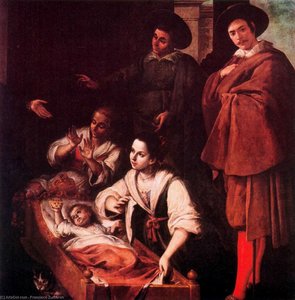
Eelvaade
 Saada
Saada Jaga
Jaga
 Teave teose kohta

 Laadi alla
 Sarnased teosed
 Röntgenuuring
 Slaidietendus
Jars detail

 Loe lähemalt
Giclée / Kunstiprint
Muuseumikvaliteediga giclée- või kangasprint kiire tootmisega ja paindlikud viimistlusvõimalused. ( Osta käsitsi maalitud maal Osta pilt)




P118B $10

P118H $10

P118W $10

P438Z $10

P508JH $12

P508YH $12

P805H $10

P805Z $10

P919BZ $10

P919G $10

P919XJ $10

P959ZH $10

P968JZ $12

W106C $8

W218G $10

W218JH $8

W218Y $10

W307PJ $10

W316G $10

W316PJ $8

W316Y $10

W398PJ $8

W4111J $10

W500HY $15

W500JH $15

W692G $12

W849H $8

W940BG $15

W953PJ $8




Vali meie eelmääratud suurused, mis vastavad teose algupärastele proportsioonidele.

Saate sisestada oma mõõdud, et need sobiks konkreetse raami või ruumi sisse. Kui valitud suurus ei vasta originaalteose proportsioonidele, lõigame teose ära või laiendame pilti peegeldatud või ühtlase servaga. Enne tootmisprotsessi algust saadetakse Teie kinnitamiseks digitaalne näidis.
Palun märka, et ekraanil kuvatav eelvaade ei kajasta tegelikku lõigamist või laiendamist. Ainult näidis kujutab täpselt lõplikku kompositsiooni.
Kuigi erimõõdu on saadaval, soovitame originaaproportsioonide säilitamiseks valida mõõt ette määratud nimekirjast.
Ülemaailmne tarne () 2 nädala jooksul, tavalise 4/5 nädala asemel. (22 august)

Tasuta ekspresssaatmine üle maailma

Kõrgekvaliteediline linakangas

Täielik transpordikindlustus

Tollimaksude tagastamise garantii

Värvitoime täpsuse garantii

60-päevane tagastusõig: ainult tootmisdefektide korral

100% raha tagasi garantii

Hulgusoodustus
 Klaasivalik on saadaval ainult suuruses kuni 110 cm

Jars detail
Giclée / Kunstiprint
Reproduktsiooni suurus
-


Kogusumma
$ 80
Kogumuse kirjeldus
The Quiet Drama of Still Life
Before us rests a captivating study in domestic tranquility, yet one imbued with the profound stillness characteristic of the Spanish Baroque masters. This arrangement, centered around a substantial brown vase and flanked by smaller accompanying vessels, speaks volumes without uttering a single word. It is an intimate tableau, suggesting a moment paused—perhaps after a ritual, or simply at the close of a day’s quiet contemplation. The composition draws the eye immediately to the central form, anchoring the entire scene with its rich, earthy tones and palpable weight.
Echoes of Spanish Devotion: Context and Craft
While the subject matter—a collection of vessels—might suggest mere decorative utility, viewing it through the lens of Francisco de Zurbarán’s artistic world elevates it to something far more resonant. Though this specific piece may not be a direct devotional altarpiece, it shares the same deep commitment to material reality and solemnity that defined his genius. Zurbarán, steeped in the austere beauty of Extremadura, possessed an unparalleled gift for rendering textures—the cool glaze on porcelain, the matte finish of earthenware, the subtle sheen of polished wood. His technique favored a dramatic chiaroscuro, where light does not merely illuminate but seems to emanate from within the objects themselves, carving them out of surrounding shadow.
Symbolism in Form and Vessel
In art history, still life compositions are rarely just about the objects depicted; they are meditations on transience, abundance, and the passage of time. The vessels here—the main vase and its smaller companions—can be interpreted as symbols of containment, memory, or even the vessels of the soul itself. The grouping suggests a curated collection, perhaps representing different facets of life or devotion gathered together. Notice how the artist treats each piece with meticulous care; no object is incidental. Each curve, every shadow cast upon the supporting plate, contributes to a narrative of quiet permanence against the backdrop of inevitable change.
Bringing Baroque Serenity Home
For the discerning collector or designer seeking an infusion of historical gravitas into modern interiors, this reproduction offers more than just decoration; it offers atmosphere. To gaze upon such a piece is to be enveloped in the solemn, rich beauty of Spanish Golden Age artistry. The deep browns and muted tones lend themselves beautifully to sophisticated palettes—think aged leather, dark woods, and burnished metals. Owning an artwork echoing Zurbarán’s mastery allows one to curate not just a room, but a mood: one of profound contemplation, quiet dignity, and enduring artistic depth.
CLASSIFICATION: Still LifeKunstniku elulugu
Francisco de Zurbarán (1598-1664): The Spanish Caravaggio
Francisco de Zurbarán stands as one of Spain’s most compelling Baroque masters, a painter whose austere vision and dramatic use of light transformed religious subjects into profound meditations on faith and devotion. Baptized on November 7, 1598, in Fuente de Cantos, Extremadura, and passing on August 27, 1664, in Madrid, Zurbarán earned the nickname “Spanish Caravaggio” for his masterful command of chiaroscuro—a technique borrowed from Michelangelo Caravaggio that employed dramatic contrasts between light and shadow to create a sense of drama and emphasize the emotional intensity of his subjects. His paintings of monks, nuns, martyrs, and saints, and for his striking still lifes, capture the spiritual fervor of Spain’s Golden Age with an immediacy that continues to resonate with collectors today.
Early Life and Artistic Formation
Born in Fuente de Cantos, Extremadura, to Luis de Zurbarán, a haberdasher, and Isabel Márquez, young Francisco showed artistic inclination from childhood, imitating objects with charcoal. Recognizing his son’s talent, his father sent him to Seville in 1614 to apprentice for three years with Pedro Díaz de Villanueva, an artist of whom very little is known today.
The Seville Period: Establishing a Singular Style
By 1614, Zurbarán had established himself in Seville, a vibrant cultural hub and the gateway to Spain’s vast American colonies. He quickly rose to prominence, establishing a successful workshop and attracting numerous commissions, primarily for religious paintings intended for churches, monasteries, and private devotional use. This period witnessed the full flowering of his signature style—a compelling blend of stark realism and intense spirituality. His early works already showcased a masterful command of *tenebrism*, employing dramatic contrasts between light and shadow to create a sense of drama and emphasize the emotional intensity of his subjects. The influence of Juan Sánchez Cotán, known for his austere still lifes and precise realism, is also evident in Zurbarán’s formative years—a testament to the artistic traditions prevalent in Seville at the time.
Master of Tenebrism and Religious Devotion
Zurbarán's artistic prowess lay in his ability to transform religious narratives into powerfully moving visual experiences. He became renowned for his depictions of monks, nuns, martyrs, and saints—figures often portrayed in moments of profound contemplation or suffering. His *Immaculate Conception* (c. 1635), housed in the Museo de Bellas Artes in Bilbao, exemplifies this mastery; the Virgin Mary is depicted with serene dignity, bathed in ethereal light against a dark background, conveying both purity and divine grace. Similarly, his *Agnus Dei* (c. 1640), now part of the Metropolitan Museum of Art collection, presents a poignant image of Christ as the sacrificial lamb, radiating an aura of solemnity and sacrifice. The *Sudarium of St Veronica*, with its haunting depiction of the veil bearing the imprint of Christ’s face, showcases his exceptional control over tenebrism and emotional depth.
Royal Patronage and Lasting Legacy
Around 1630, Zurbarán achieved a significant milestone in his career when he became a court painter to Philip IV. This appointment brought him increased recognition and access to royal commissions, further solidifying his reputation as one of Spain’s leading artists. However, despite this success, his popularity waned somewhat in later years with the rise of different artistic tastes. The economic hardships facing Spain during the mid-17th century also impacted his ability to secure large-scale projects. Nevertheless, Zurbarán continued to work diligently, adapting his style and exploring new themes. His influence on Spanish Baroque art is undeniable; his dramatic use of chiaroscuro and his focus on religious subjects inspired generations of artists. A circle of followers, known as the “Zurbaranistas,” emerged, continuing to push the boundaries of tenebrism and explore the expressive possibilities of light and shadow. Though he passed away in 1664, Francisco de Zurbarán left behind a rich artistic legacy that continues to be celebrated today—a master of religious art whose works continue to resonate with viewers centuries later.

Francisco De Zurbarán
1598 - 1664 , Hispaania
Lühikesed faktid
- Artistic Movement Or Style: Baroque, Tenebrism
- Artists Or Movements Influenced By This Artist: ['Caravaggio']
- Artists Who Influenced This Artist: ['Juan Sánchez Cotán']
- Date Of Birth: November 7, 1598
- Date Of Death: August 27, 1664
- Full Name: Francisco de Zurbarán
- Nationality: Spanish
- Notable Artworks:
- Immaculate Conception
- Agnus Dei
- St Francis Receiving Stigmata
- Place Of Birth: Fuente de Cantos, Spain
Seotud artiklid
The Golden Age Reforged: Dramatic Realism & Religious Zeal in Spanish Baroque Art
Explore the dramatic world of Spanish Baroque art! Discover masters like Zurbarán & the powerful influence of religious zeal on painting techniques – a guide for collectors and enthusiasts.

The Dramatic Flourish: Exploring the Baroque Movement's Enduring Legacy in Art History
Explore the dramatic world of Baroque art! Discover iconic artists like Caravaggio & Rubens, defining techniques, and its lasting impact on art history. Expert insights for collectors & enthusiasts at OriginalUniqueArt.

Baroki tippteosed: 10 kunstiteost, mis muutisid maailma
Sukeldu baroki maailma! Avasta 10 meistriteost, mis defineerisid kunstivoolu – Rembrandt, Caravaggio jt. Loe lugusid, vaata värve ja naudi ajatu ilu. Leia inspiratsiooni interjööriks OriginalUniqueArt.com-ist!
Spanish Baroque Art: The Dramatic Mastery of Light and Shadow in the Age of Velázquez
Explore the profound drama of Spanish Baroque art. Delve into the mastery of light, shadow, and realism through the legendary works of Diego Velázquez and the Spanish Golden Age.

Silent Narratives: Exploring the Enduring Appeal of Still Life Painting Across Centuries
Explore the rich history of still life painting with OriginalUniqueArt. Discover Dutch Masters, decode vanitas symbolism & learn about collecting timeless art. Expert insights and museum-quality reproductions.