Vaata sisu
 Jaga teost
 Jaga
Jaga
 Detailid
 Õppekate juhend

 Laadi alla
 Sarnased teosed
 Röntgenuuring
 Slaidietendus
 Statistika
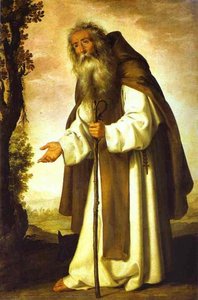
Bodegón de membrillos

 Loe lähemalt
Giclée / Kunstiprint
Muuseumikvaliteediga giclée- või kangasprint kiire tootmisega ja paindlikud viimistlusvõimalused. ( Telli käsitsi maalitud reproduktsioon Ülemineku digitaalse pildi müügi kanalisse)




P118B €10

P118H €10

P118W €10

P438Z €10

P508JH €12

P508YH €12

P805H €10

P805Z €10

P919BZ €10

P919G €10

P919XJ €10

P959ZH €10

P968JZ €12

W106C €8

W218G €10

W218JH €8

W218Y €10

W307PJ €10

W316G €10

W316PJ €8

W316Y €10

W398PJ €8

W4111J €10

W500HY €15

W500JH €15

W692G €12

W849H €8

W940BG €15

W953PJ €8




Vali meie eelmääratud suurused, mis vastavad teose algupärastele proportsioonidele.

Sisestage vajalik laius ja kõrgus, et see sobiks teie raamile või seinale. Trükki saab ainult lõigata, seda ei saa kunagi pildist suuremaks teha, seega ka differentse vormiga suurus kaotab osa pildist. Enne trükkimist saadame teile kinnitamiseks digitaalse näidisprojektsiooni. Sellel lehel näidatud pilt ei kujuta reaalset lõiget — seda näitab ainult näidisprojekttsioon.
Ülemaailmne tarne () 2 nädala jooksul, tavalise 4/5 nädala asemel. (26 oktoober)

Tasuta ekspresssaatmine üle maailma

Kõrgekvaliteediline lina-kangastest muld

Täielik transpordikindlustus

Tollimaksude tagastamise garantii

Värvitoime täpsuse garantii

100 päeva tagastusõigus (ainult defektide korral)

100% raha tagasi garantii

Hulgusoodustus
 Klaasivalik on saadaval ainult kuni 110 cm suuruses teostes

Bodegón de membrillos
Giclée / Kunstiprint
Reproduktsiooni mõõtmed
-


Lõppsumma
€ 70
A Still Life of Profound Simplicity: Exploring Zurbarán’s *Bodegón de Membrillos*
Francisco de Zurbarán's *Bodegón de Membrillos*, a deceptively simple composition featuring three apples resting upon a rustic plate, is far more than a mere depiction of fruit. It’s a window into the deeply spiritual world of one of Spain’s most significant Baroque artists, offering a glimpse into his meticulous observation of nature and his profound understanding of light and shadow – hallmarks of his distinctive style. Painted likely around 1630, this work exemplifies Zurbarán's mastery of *tenebrism*, a dramatic technique where strong contrasts between light and dark heighten the emotional impact of the scene. The muted palette—dominated by browns, ochres, and the pale yellows of the apples—creates an atmosphere of solemnity and quiet contemplation, drawing the viewer into a space both earthly and ethereal.

The Roots of Austerity: Context and Influences
To fully appreciate *Bodegón de Membrillos*, it’s crucial to understand the artistic and religious context in which it was created. Born in Fuente de Cantos, Extremadura, in 1598, Zurbarán's upbringing instilled within him a reverence for simplicity and austerity – qualities deeply rooted in the region’s Catholic traditions. His early training with Alejandro de la Mina and later under Alonso de Najera exposed him to the burgeoning Baroque style, but he quickly developed his own unique voice, prioritizing realism and spiritual depth over elaborate ornamentation. The stark landscapes of Extremadura, characterized by their rugged beauty and devout atmosphere, profoundly shaped his artistic sensibility. Interestingly, Zurbarán’s work reflects influences from both Dutch still life painting – particularly in its meticulous detail and focus on everyday objects – and Italian tenebrism, most notably the dramatic lighting employed by Caravaggio. However, unlike Caravaggio's often theatrical compositions, Zurbarán’s works possess a quiet dignity and introspective quality.
Symbolic Resonance: Apples, Light, and Mortality
The choice of subject matter—three apples—is laden with symbolic meaning. In Christian iconography, the apple frequently represents temptation, sin, and mortality. Here, however, the apples are presented not as symbols of transgression but rather as emblems of earthly beauty and fleeting existence. The way Zurbarán renders their surfaces – capturing every subtle variation in color and texture – emphasizes their vulnerability and fragility. Crucially, the light itself is a key element of the composition. It originates from an unseen source, bathing the apples in a golden glow while simultaneously casting deep shadows that accentuate their form and create a sense of depth. This interplay of light and dark not only enhances the visual drama but also serves to evoke a feeling of spiritual illumination – suggesting that even in the most mundane objects, one can find evidence of God’s presence.
A Legacy of Dramatic Realism: Zurbarán's Enduring Influence
Francisco de Zurbarán remains a pivotal figure in Spanish art history, often referred to as the “Spanish Caravaggio” for his masterful use of *tenebrism*. His works—including this evocative still life—continue to captivate viewers with their profound sense of realism, spiritual intensity, and technical brilliance. His influence can be seen in the work of subsequent generations of Spanish painters, particularly Juan de Zurbarán, his son, who further developed his father’s distinctive style. Reproductions like this offer a remarkable opportunity to experience the power and beauty of Zurbarán's art firsthand, bringing a touch of timeless elegance and contemplative serenity to any space.
Küsimused ja vastused
Mis on teose „Bodegón de membrillos“, autor Francisco De Zurbarán luminants?
Teose "Bodegón de membrillos" värvid näitavad Dark luminantsi.
Kas teos „Bodegón de membrillos“, autor Francisco De Zurbarán on portree-, maastiku- või ruudukompositsioon?
Teose „Bodegón de membrillos“, autor Francisco De Zurbarán vorm on Landscape. See vorm kirjeldab kompositsiooni proportsioone.
Kas on õpilaste jaoks olemas infoleht teose „Bodegón de membrillos“, autor Francisco De Zurbarán kohta?
Teose „Bodegón de membrillos“, autor Francisco De Zurbarán Juhend leht pakub trükkideletavast kahele lehele jaotatud infolehte: teose koos identifiekatsiooniga, ajajooni, mis asetab selle kunstniku eluajale, muid kunstniku teoseid, mõõdetud väripaletti ning neljas stiilis kopeerimiseks valmis allatlusi.
Kunstniku elulugu
Francisco de Zurbarán (1598-1664): The Spanish Caravaggio
Francisco de Zurbarán stands as one of Spain’s most compelling Baroque masters, a painter whose austere vision and dramatic use of light transformed religious subjects into profound meditations on faith and devotion. Baptized on November 7, 1598, in Fuente de Cantos, Extremadura, and passing on August 27, 1664, in Madrid, Zurbarán earned the nickname “Spanish Caravaggio” for his masterful command of chiaroscuro—a technique borrowed from Michelangelo Caravaggio that employed dramatic contrasts between light and shadow to create a sense of drama and emphasize the emotional intensity of his subjects. His paintings of monks, nuns, martyrs, and saints, and for his striking still lifes, capture the spiritual fervor of Spain’s Golden Age with an immediacy that continues to resonate with collectors today.
Early Life and Artistic Formation
Born in Fuente de Cantos, Extremadura, to Luis de Zurbarán, a haberdasher, and Isabel Márquez, young Francisco showed artistic inclination from childhood, imitating objects with charcoal. Recognizing his son’s talent, his father sent him to Seville in 1614 to apprentice for three years with Pedro Díaz de Villanueva, an artist of whom very little is known today.
The Seville Period: Establishing a Singular Style
By 1614, Zurbarán had established himself in Seville, a vibrant cultural hub and the gateway to Spain’s vast American colonies. He quickly rose to prominence, establishing a successful workshop and attracting numerous commissions, primarily for religious paintings intended for churches, monasteries, and private devotional use. This period witnessed the full flowering of his signature style—a compelling blend of stark realism and intense spirituality. His early works already showcased a masterful command of *tenebrism*, employing dramatic contrasts between light and shadow to create a sense of drama and emphasize the emotional intensity of his subjects. The influence of Juan Sánchez Cotán, known for his austere still lifes and precise realism, is also evident in Zurbarán’s formative years—a testament to the artistic traditions prevalent in Seville at the time.
Master of Tenebrism and Religious Devotion
Zurbarán's artistic prowess lay in his ability to transform religious narratives into powerfully moving visual experiences. He became renowned for his depictions of monks, nuns, martyrs, and saints—figures often portrayed in moments of profound contemplation or suffering. His *Immaculate Conception* (c. 1635), housed in the Museo de Bellas Artes in Bilbao, exemplifies this mastery; the Virgin Mary is depicted with serene dignity, bathed in ethereal light against a dark background, conveying both purity and divine grace. Similarly, his *Agnus Dei* (c. 1640), now part of the Metropolitan Museum of Art collection, presents a poignant image of Christ as the sacrificial lamb, radiating an aura of solemnity and sacrifice. The *Sudarium of St Veronica*, with its haunting depiction of the veil bearing the imprint of Christ’s face, showcases his exceptional control over tenebrism and emotional depth.
Royal Patronage and Lasting Legacy
Around 1630, Zurbarán achieved a significant milestone in his career when he became a court painter to Philip IV. This appointment brought him increased recognition and access to royal commissions, further solidifying his reputation as one of Spain’s leading artists. However, despite this success, his popularity waned somewhat in later years with the rise of different artistic tastes. The economic hardships facing Spain during the mid-17th century also impacted his ability to secure large-scale projects. Nevertheless, Zurbarán continued to work diligently, adapting his style and exploring new themes. His influence on Spanish Baroque art is undeniable; his dramatic use of chiaroscuro and his focus on religious subjects inspired generations of artists. A circle of followers, known as the “Zurbaranistas,” emerged, continuing to push the boundaries of tenebrism and explore the expressive possibilities of light and shadow. Though he passed away in 1664, Francisco de Zurbarán left behind a rich artistic legacy that continues to be celebrated today—a master of religious art whose works continue to resonate with viewers centuries later.

Francisco De Zurbarán
1598 - 1664 , Hispaania
Lühikest infot
- Artistic Movement Or Style: Baroque, Tenebrism
- Artists Or Movements Influenced By This Artist: ['Caravaggio']
- Artists Who Influenced This Artist: ['Juan Sánchez Cotán']
- Date Of Birth: November 7, 1598
- Date Of Death: August 27, 1664
- Full Name: Francisco de Zurbarán
- Nationality: Spanish
- Notable Artworks:
- Immaculate Conception
- Agnus Dei
- St Francis Receiving Stigmata
- Place Of Birth: Fuente de Cantos, Spain
Sarnased artiklid

Baroki tippteosed: 10 kunstiteost, mis muutisid maailma
Sukeldu baroki maailma! Avasta 10 meistriteost, mis defineerisid kunstivoolu – Rembrandt, Caravaggio jt. Loe lugusid, vaata värve ja naudi ajatu ilu. Leia inspiratsiooni interjööriks OriginalUniqueArt.com-ist!
The Golden Age Reforged: Dramatic Realism & Religious Zeal in Spanish Baroque Art
Explore the dramatic world of Spanish Baroque art! Discover masters like Zurbarán & the powerful influence of religious zeal on painting techniques – a guide for collectors and enthusiasts.
The Dramatic Flourish: Exploring Themes of Power, Faith & Emotion in Baroque Artworks
Explore the dramatic world of Baroque art! Discover masters like Zurbarán & the powerful influence of religious zeal on painting techniques. Expert insights for collectors and enthusiasts.

Francisco de Zurbarán: Mysticism, Realism & the Golden Age of Spanish Painting
Explore the captivating world of Francisco de Zurbarán, a master of Spanish Baroque painting. Discover his dramatic tenebrism, religious masterpieces like 'La Porciúncula,' and lasting influence on art history.

The Dramatic Flourish: Exploring the Baroque Movement's Enduring Legacy in Art History
Explore the dramatic world of Baroque art! Discover iconic artists like Caravaggio & Rubens, defining techniques, and its lasting impact on art history. Expert insights for collectors & enthusiasts at OriginalUniqueArt.