
 Vaata sisu
 Jaga teost
 Jaga
Jaga
 Detailid
 Õppekate juhend

 Laadi alla
 Sarnased teosed
 Röntgenuuring
 Slaidietendus
 Statistika
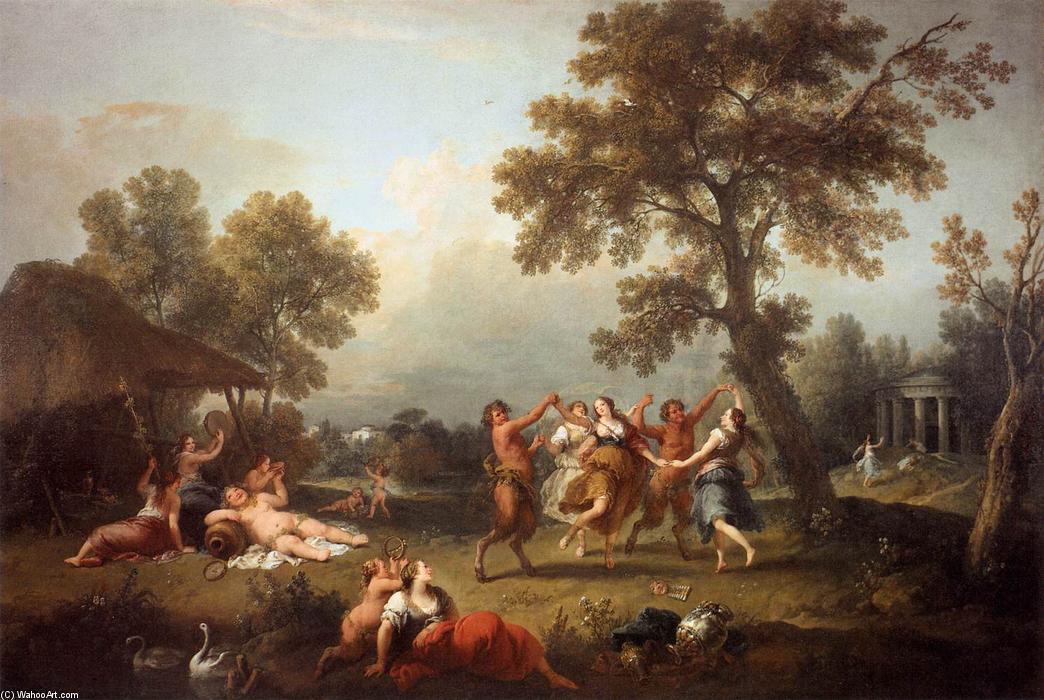
Bacchanal
 Oil On Canvas
- WallArt
- Rococo Period
 1740
1740- Early Modern
 142.0 x 210.0 cm
 Gallerie dell'Accademia
 Loe lähemalt
Giclée / Kunstiprint
Muuseumikvaliteediga giclée- või kangasprint kiire tootmisega ja paindlikud viimistlusvõimalused. ( Telli käsitsi maalitud reproduktsioon Ülemineku digitaalse pildi müügi kanalisse)




P118B €10

P118H €10

P118W €10

P438Z €10

P508JH €12

P508YH €12

P805H €10

P805Z €10

P919BZ €10

P919G €10

P919XJ €10

P959ZH €10

P968JZ €12

W106C €8

W218G €10

W218JH €8

W218Y €10

W307PJ €10

W316G €10

W316PJ €8

W316Y €10

W398PJ €8

W4111J €10

W500HY €15

W500JH €15

W692G €12

W849H €8

W940BG €15

W953PJ €8




Vali meie eelmääratud suurused, mis vastavad teose algupärastele proportsioonidele.

Sisestage vajalik laius ja kõrgus, et see sobiks teie raamile või seinale. Trükki saab ainult lõigata, seda ei saa kunagi pildist suuremaks teha, seega ka differentse vormiga suurus kaotab osa pildist. Enne trükkimist saadame teile kinnitamiseks digitaalse näidisprojektsiooni. Sellel lehel näidatud pilt ei kujuta reaalset lõiget — seda näitab ainult näidisprojekttsioon.
Ülemaailmne tarne () 2 nädala jooksul, tavalise 4/5 nädala asemel. (27 oktoober)

Tasuta ekspresssaatmine üle maailma

Kõrgekvaliteediline lina-kangastest muld

Täielik transpordikindlustus

Tollimaksude tagastamise garantii

Värvitoime täpsuse garantii

100 päeva tagastusõigus (ainult defektide korral)

100% raha tagasi garantii

Hulgusoodustus
 Klaasivalik on saadaval ainult kuni 110 cm suuruses teostes

Bacchanal
Giclée / Kunstiprint
Reproduktsiooni mõõtmed
-


Lõppsumma
€ 70
Francesco Zuccarelli’s Bacchanal: A Symphony of Pastoral Elegance
The Bacchanal by Francesco Zuccarelli stands as an emblem of the Rococo artistic movement, capturing not merely a scene but an entire ethos—one steeped in aristocratic indulgence and idealized beauty. Painted circa 1740-50, this oil on canvas masterpiece resides within the Gallerie dell’Accademia in Venice, Italy, offering visitors a glimpse into a period defined by opulent interiors and refined sensibilities. Zuccarelli's skill lies not just in depicting figures engaged in joyous revelry but in crafting an immersive experience that transports the viewer to a realm of pastoral serenity infused with vibrant color and masterful composition.Composition and Style: Balancing Chaos and Harmony
Zuccarelli’s approach distinguishes itself from the more dramatic Baroque tradition, prioritizing balance and grace over theatrical grandeur. The painting depicts a lively bacchanal—a celebration honoring Dionysus, the Greek god of wine and ecstasy—yet it avoids overwhelming visual sensation. A central group of figures dominates the canvas, their postures dynamic yet carefully arranged around a prominent architectural element: a classical structure reminiscent of Roman temples, subtly anchoring the scene in antiquity. The artist employs meticulous detailing to portray each participant’s attire and expression, conveying both physicality and emotion with remarkable precision. Notice how Zuccarelli utilizes light and shadow to sculpt forms, creating depth and enhancing the sense of movement—a hallmark of Rococo aesthetics.Color Palette and Technique: Embracing Pastel Radiance
The color palette is dominated by earthy tones – ochre, umber, Sienna – providing a grounding counterpoint to the splashes of vibrant hues adorning the figures’ clothing. Crimson reds, emerald greens, and sapphire blues punctuate the scene, symbolizing fertility, vitality, and divine inspiration. Zuccarelli's technique showcases exceptional brushwork, layering pigments with subtle gradations to achieve luminous surfaces that shimmer with reflected light. The artist skillfully blends colors on canvas, creating a velvety texture that contributes to the painting’s overall impression of luxurious softness. This meticulous attention to detail underscores Zuccarelli’s dedication to capturing not just what is seen but also how it feels—a testament to the transformative power of art.Historical Context: Venetian Aristocracy and Artistic Patronage
The Bacchanal reflects the cultural landscape of Venice during the mid-18th century, a city ruled by an aristocratic elite deeply invested in artistic patronage. Zuccarelli’s work exemplifies the Rococo style's fascination with idealized landscapes and mythological narratives—themes favored by Venetian noble families eager to express their status and sophistication. The painting aligns perfectly with broader European trends toward decorative art and emotional expression, signaling a shift away from Baroque solemnity towards a celebration of sensual pleasure and imaginative vision.Symbolism: Dionysian Ecstasy and Pastoral Tranquility
Beyond its visual splendor, Bacchanal is laden with symbolic significance. The bacchanalia itself represents the unrestrained pursuit of joy and indulgence—a deliberate rejection of Puritan morality—while simultaneously evoking images of Arcadia, the mythical pastoral paradise inhabited by shepherds and nymphs. The figures’ gestures convey a profound connection to nature and divine inspiration, mirroring the Rococo preoccupation with themes of beauty, harmony, and sensual experience. Zuccarelli's masterful depiction captures not only the outward spectacle of celebration but also its inner resonance—a reminder that art can transcend mere representation to communicate deeper truths about human emotion and spiritual aspiration.Legacy: Rediscovering Zuccarelli’s Vision
Francesco Zuccarelli’s reputation waned in the early 19th century, yet his work has experienced a resurgence of interest in recent decades, displayed prominently in museums worldwide. Bacchanal stands as a cornerstone of Rococo art history—a testament to Zuccarelli's artistic genius and his ability to distill the essence of an era into a single unforgettable image. Its enduring appeal lies in its exquisite beauty, balanced composition, and profound exploration of human emotion, continuing to inspire artists and collectors alike.Küsimused ja vastused
Kuhu kohta on teose "Bacchanal" Landscape formaat soovitatav paigutada?
Teose „Bacchanal“, autor Francesco Zuccarelli Landscape formaat on soovitatav kasutada ruumis Living Room. Formaat ja ruum aitavad koos otsustada reproduktsiooni paigutamise kohta.
Millist emotsiooni edastab Rococo Period suunaga teos "Bacchanal"?
Rococo Period suunangu raames on teos "Bacchanal" üles seabetud Romantic toonil.
Kas teos "Bacchanal" on saadaval kunstiprentina?
Teose "Bacchanal" trükised on saadaval vormis kunstiprint puuvillalõikel}}^{\text{canvas}}$ või arhiveeritaval kangaspaberil. Tellimusi saab esitada selle Kõlblik kunstutrüki kvaliteetne trükis lehel, oma soovitud suuruses.
Kunstniku elulugu
Francesco Zuccarelli: Elu maalinkandetes
- Sündinud: Pitigliano, Itaalia (1702)
- Surnud: 1788
- Suun%20: Hilisbarokk / Rokoko
Giacomo Francesco Zuccarelli, kes tuntub maailma eeltingulikult nimega Francesco Zuccarelli, oli murdilav Itaalia kunstnik, keda tunnustati tema idylliliste maalinkade ja arkadialiste stseenide eest. Sündinud Toscanas, Pitiglious, aastal 1702, tõusis ta 18. sajandi keskpõl: Venetsiast pärit kõige olulisemaks maalikaks. Tema looming levis sügavalt üle kogu Euroopa, eriti aga Inglismaal, kus ta veetis pika ajastud kuningliku patroonluse all.
Varajased õppusyears ja Rooma mõjud
- Õpilaskolu: Zuccarelli alustas oma kunstilist teekonda Roomas, olles Giovanni Maria Morandi ja Pietro Nelli õpilane, keskendudes alguses portreetide loomisele.
- Etkustused ja freskod: Aastatel 1728–1lik31 pühendas ta end suurelt Giovanni da San Giovannii ja Andrea del Sartoi kulduvaks muutuvate freskodide etkatustamisele, näidates nii täpsust detailides kui ka klassikalisi mõjudu.
- Paolo Anesi juhendamine: Luigi Lanzi märkas, et Paolo Anesi mängis olulist rolli Zuccarelli suunamisel maalikunsti poole, kujundades tema kunstilist suunda.
Tema varajased teosed paljastavad Rooma klassitsimi mõju ning kasvavat huvi Itaalia maastiku ilu tabamise vastu.
Venetsia periood ja kuulsuse kütis
- Sa arrival Venetsiasse: Umbes aastal 1732 kolis Zuccarelli Venetsiasse, kasutades ära maalikunsti valdkonnas avatud uusi võimalusi.
- Erinev stiil: Ta arendas välja eripärase stiili, mida iseloomustas pehme väripalett, õhulised kompositsioonid ja valguse ja varju kontrastidega elavatud figuurid — see oli märkimisväärne kõrvalekaldumine tema eelkäijate tüüpilisest venetsialast värvikasust.
- Patroonlus ja koostöö: Zuccarelli kogus kiiresti toetust mõjukatelt isikutelt nagu maršal Schulenburg, Joseph Smith (Britannia konul) ja Francesco Algarotti. Ta tegi tihedat koostööd kunstnikega nagu Antonio Visentini ja Bernardo Bellotto. Mitmed silmapaistvad projektid hõlmasid neo-palladianistlikke arhitektuuriseeriaid ning Vana Testamenti käsitlevaid kaartide kompleksi, kus oli käsi värvitud stseenid. lik
- Liikmeskus Kunlikus Akadeemias: 1768. aastal sai ta Londoni Kunliku Kunstiakadeemia asutajaliikuks, kinnistades oma mainet rahvusvahelisel areenal.
See periood märkis Zuccarelli uusi kõrgusi, kus tema maalikad võlusid Euroopa publikut ning tõstes teda Rokoko suunangu juhtivaks tegelaseks.
Hilisemad aastad, langus ja uuesti avastatud väärtus
- Kriitiline vastuvõtt: Vaatamata algsele tunnustusele, hääbus Zuccarelli nimi 19. sajandi alguses, kui naturalism sai domineeriva positsiooni. Turner nagu kriitikud pakkusid vaid tasakaalustatud kiitust, tunnustades tema figuuride ilu, kuid kahtlustades tema üldist stiili.
- Michael Levey analüüs: Kunst ajaloolane Michael Levey attribuutis hiljem Zuccarelli laialdase populaarsuse tema teosest dekoratiivsele olemusele, eriti Inglismaa publiku seas.
- Kaasaegne ültreagemine: Alates 1990. aastatest on Itaalia teadlased juhthineks Zuccarelli panuse uuesti väärtustamisel, rõhutades tema olulisust maalikunstis ja esitades tema teoseid arvukates näitustel.
Tänapäeval tunnustatakse Francesco Zuccarrilit Rokoko perioodi meistrina, keda austatakse tema idylliliste maalinkade eest, mis tekitavad rahu ja klassikalise ilu tunnet. Tema pärand jätkub inspireerimas kunstnikke ja võlustama publikut üle maailma.

Francesco Zuccarelli
1702 - 1788 , Italia
Lühikest infot
- Artistic Movement Or Style: Rokoko, Barokk
- Artists Who Influenced This Artist:
- Paolo Anesi
- Claude Lorrain
- Andrea del Sarto
- Date Of Birth: 15. august 1702
- Date Of Death: 30. detsember 1788
- Full Name: Giacomo Francesco Zuccarelli
- Nationality: Itaalia
- Notable Artworks:
- Capriccio with San Giorgio Maggiore
- Klassikaline maastik
- Maastik tüdrukutega jõe ääres
- Bacchanal
- Place Of Birth (City And Country): Pitigliano, Itaalia
Sarnased artiklid

The Rococo Aesthetic: Opulence, Rebellion & the Pursuit of Pleasure in 18th-Century Art
Explore the opulent world of Rococo art! Discover its origins, key artists like Watteau & Boucher, and lasting influence on design. Expert insights for collectors & enthusiasts.

Pietro Longhi's Venetian Scenes: A Study of Rococo Society & Domestic Life
Explore the captivating world of Pietro Longhi's Venetian scenes! Discover insightful analysis of his Rococo masterpieces & social commentary on 18th-century life. Learn about this 'Venetian Hogarth' and his lasting artistic legacy.

The Allure of Elegance in Art: A Historical & Aesthetic Exploration of Refinement & Grace
Explore the exquisite world of Rococo art! Discover its history, masters (Watteau, Boucher & more), and defining elegance. Expert insights for collectors seeking museum-quality reproductions & custom portraits.

RoKokoo: 10 Meisterteost, Mis Määritsesid Kunstisuundi | OriginalUniqueArt
Sukeldu RoKokoo maailma! Avasta 10 meistriteost, mis defineerisid kunstisuunda – prantsuse kunstnikud, kuldsed toonid ja luksuslik interjöör. Tutvu lugudega legendaarsete teoste taga & leia inspiratsiooni OriginalUniqueArt.com-ilt!

Francesco Guardi: Venetian Light, Atmospheric Perspective & the Rococo to Neoclassical Transition
Explore the captivating world of Francesco Guardi, master of Venetian light and atmosphere. Discover his transition from Rococo to Neoclassicism, influence on Impressionism & investment potential with OriginalUniqueArt.