
 Eelvaade
 Saada
Saada Jaga
Jaga
 Teave teose kohta
 Juhend

 Laadi alla
 Sarnased teosed
 Röntgenuuring
 Slaidietendus
 Q&A
Q&A Statistika
St John the Baptist

- 83.0 x 70.0 cm


 Loe lähemalt
Giclée / Kunstiprint
Muuseumikvaliteediga giclée- või kangasprint kiire tootmisega ja paindlikud viimistlusvõimalused. ( Osta käsitsi maalatud teos Lülita digitaalse pildi juurde)




P118B €10

P118H €10

P118W €10

P438Z €10

P508JH €12

P508YH €12

P805H €10

P805Z €10

P919BZ €10

P919G €10

P919XJ €10

P959ZH €10

P968JZ €12

W106C €8

W218G €10

W218JH €8

W218Y €10

W307PJ €10

W316G €10

W316PJ €8

W316Y €10

W398PJ €8

W4111J €10

W500HY €15

W500JH €15

W692G €12

W849H €8

W940BG €15

W953PJ €8




Vali meie eelmääratud suurused, mis vastavad teose algupärastele proportsioonidele.

Sisestage vajalik laius ja kõrgus, et see sobiks teie raamile või seinale. Trükki saab ainult lõigata, seda ei saa kunagi pildist suuremaks teha, seega ka erineva mustega suurus kaotab osa pildist. Enne trükkimist saadame teile kinnitamiseks digitaalse näidisprojektsiooni. Sellel lehel näidatud pilt ei kujuta reaalset lõiget — seda näitab ainult näidisprojektsioon.
Ülemaailmne tarne () 2 nädala jooksul, tavalise 4/5 nädala asemel. (31 oktoober)

Tasuta ekspresssaatmine üle maailma

Kõrgekvaliteediline lina-kangas

Täielik transpordikindlustus

Tollimaksude tagastamise garantii

Värvitoime täpsuse garantii

100 päeva tagastusõigus (ainult valmistusdefektide korral)

100% raha tagasi garantii

Hulgusoodustus
 Klaasivalik on saadaval ainult kuni 110 cm suuruses teostes

St John the Baptist
Giclée / Kunstiprint
Reproduktsiooni suurus
-


Koguhind
€ 71
A Moment Frozen in Baroque Drama
In the hallowed halls of the Museo del Prado, there exists a window into the fervent soul of the late seventeenth century. Francesco Solimena’s St John the Baptist is not merely a portrait of a biblical figure; it is a visceral experience of contemplation interwoven with palpable urgency. Painted between 1690 and 1700, this oil on canvas masterpiece serves as a profound testament to the Baroque era—a period defined by opulent grandeur, dramatic emotion, and an unwavering belief in spiritual transcendence. As one gazes upon the canvas, the viewer is immediately drawn into a world where the boundary between the earthly and the divine becomes beautifully blurred through the masterful application of light.
The composition is anchored by Solimena’s uncompromising commitment to chiaroscuro. Drawing inspiration from the legendary Caravaggio, the artist employs a stark, theatrical contrast between luminous highlights and an enveloping, unsettling darkness. This technique does more than just define form; it directs the viewer's emotional journey. The light falls intensely upon St John's face and torso, illuminating his youthful yet weathered features and highlighting the physical tension in his musculature. This sudden burst of brilliance against a shadowy, receding background creates an immediate sense of presence, as if the saint has just emerged from the depths of the wilderness to deliver a divine message.
A Symphony of Earthly Tones and Divine Grace
Solimena’s palette is a masterclass in purposeful restraint. The artist avoids unnecessary flamboyance, opting instead for a subdued arrangement of earthy browns, ochres, and beige tones that establish a solemn, ascetic atmosphere appropriate for the subject. Yet, within this muted landscape, there are strategic splashes of color that act as spiritual punctuation marks. A striking use of crimson, particularly in the folds of the drapery, draws the eye across the canvas, subtly hinting at the blood of sacrifice and the presence of divine grace amidst the ruggedness of the saint's life.
The texture of the work adds a layer of tactile realism that is deeply engaging for the discerning collector. Solimena’s meticulous brushwork imbues the canvas with a palpable sense of physicality; one can almost feel the coarseness of the camel skin and the weight of the heavy cloth. These visible, energetic strokes contribute to the overall dynamism of the scene, ensuring that the painting feels alive rather than static. For those looking to integrate such a piece into a sophisticated interior, the artwork offers a profound sense of depth and movement, acting as a focal point that commands attention through its sheer textural richness.
The Legacy of a Neapolitan Master
To understand this work is to understand the zenith of Neapolitan painting. Francesco Solimena was a titan of his age, a painter whose influence stretched across Europe. Trained by his father, Angelo, and refined under the shadows of masters like Luca Giordano and Mattia Preti, Solimena possessed the unique ability to blend the raw naturalism of the early Baroque with a more restrained, classical elegance. This duality is present in St John the Baptist, where the rugged, almost chaotic energy of the scene is balanced by a sophisticated command of composition and anatomical precision.
For art lovers and interior designers alike, this reproduction offers more than just aesthetic beauty; it provides an opportunity to possess a fragment of history. The painting’s ability to evoke intense emotion—ranging from quiet introspection to dramatic tension—makes it a versatile and powerful addition to any curated collection. It is a piece that does not merely decorate a wall but transforms a space, inviting conversation about the enduring power of faith, the mastery of light, and the timeless brilliance of the Italian Baroque.
Korduvad küsimused
Kust kohalt Francesco Solimena korduvad teemad teoses "St John the Baptist" ilmumisel?
"St John the Baptist" kujutab teemasid religious figure, contemplation, baroque art, chiaroscuro, symbolism, italian painting, john the baptist, dramatic lighting, samal ajal kui Francesco Solimena tuntud teemad on caravaggio's dramatic shadowing, counter-reformation influence, religious iconography & piety, solimena's emotional intensity, neapolitan baroque tradition, symbolic narrative of john", exploring spiritual isolation", key work in solimena's oeuvre. Nende kahe võrdlemine näitab, kuidas teos seobub kunstniku tavalistega motiividega.
Kas „St John the Baptist“, autor Francesco Solimena on maalid, joonis või etsing?
"St John the Baptist" on WallArt teos.
Kuhu Francesco Solimena loomingulisse perioodi kuulub teos "St John the Baptist"?
Teos "St John the Baptist" esindab kunstniku Francesco Solimena loovperioodi Mature Period.
Kunstniku elulugu
Baroki suurejoonilisuse neapoli meistar
Francesco Solimena, kes sündis 1657. aastal Avellino lähedal asuvas väikeses itaali surnud Canale di Serinos, tõusel hilisbaroki ajastu ühe olulisema neapoli maali kunstniku nimena. Tema kunstiline teekond algas peres, mis oli juba sügavalt kunstipärandasse juurdunud; tema esimene õpetaja oli isast Angelo Solimena, kellega ta koostöö beeni kaasaegsetes projektides, nagu Nocera katedraali paradiisi fresko. See aluslik kogemus sisaldas noores Francesco Farkust sügava austuse tehnika ja kompositsiooni vastu. Ta täiendas oma oskusi Francesco di Maria ja Giacomo del Po õpetuste all, omistades erinevaid mõjutusi, mis lõpuks tema eripärase stiili kujundasid. Kardina Vincenzo Orsini toetustest sai Solimena võtmetähtsusega impulsi, pakkudes talle võimalusi, mis võimaldasid tal 1680. aastatel ennast iseseisva kunstnikuna kinnistada ja võtta vastu üha ambitsioosemaid fresko-tellamisi.Stiili loomine: Rooma kaja neapoli ihtlusest
Solimena kunstiline hääl on koheselt loetav tema sooja, pruunika varjustuse ja dramaatilise valguskasutuse järgi – omaduste, mis on sügavalt võidustud Rooma baroki meistritele, Luca Giordanole ja Giovanni Lanfrancole. Kuid ta ei piirdunud pelgalt imiteerimisega; selle asemel sündis nende mõjutite süntees neapoli unikaasest esteetikast. Tema teoste tunnusjooneks on dünaamilised kompositsioonid, mis on täis emotsionaalset intensiivsust, peegeldades barokia ajastu armastusest suurejoonilisuse ja teatraalsuse vastu. Ta omastas erakordset võimet tabada oma stseenides liikumist ja draamat, tõmmates vaatajad sisse nii püheseid kui ka müüdilisi narratiive. Alates 1690. aastatest sai Solimena ateljee Neapoli domineerivaks jõuks, kujundades aastakümnetel linna kunstilist maastikku. Tema töökoda oli märkimisväärselt produktiivne, luues altarilaud, freskod ja linate, mis pildistasid kirikuid ja paleise üle kogu regiooni. Tema kompositsiooniline lähenemine hõlmas sageli detailide vähelistamist, suunates tähelepanu strateegiliselt just figurele ja nende elaboraatsetele kangastele, mida valgusallikad sageli täpselt asendatud olid, et suurendada nende mõju.Pärand ja mõju: Neapoli maali kool
Solimena mõju ulatus kaugele tema enda kunstilistest loomingutest. Tema suur ja hästi organiseeritud atelier töötas kui tõeline akadeemia, mängides kriitilist rolli Neapoli kultuurielus. Ta koolitas arvukalt õpilasi, kes said hiljem enda nimelgi silmapaistvate kunstnikud, kinnistades tema positsiooni 18. sajandi Itaalia kunstis kui keskne tegelane. Tema õpilaste seas olid märkimisväärsed Francesco de Mura, Giuseppe Bonito, Pietro Capelli ja Corrado Giaquinto – kes kõik panustasid oluliselt Neapoli maali arengusse. Solimena edu ei piirdunud vaid kunstilise tunnustusega; ta saavutas eluajal märkimisväärset finantsitseisust, olles saanud baroniksi ja elades oma kuulsuse väärtises luksuses. Ta surmas 1747. aastal Barra piirkonnas, lähedal Neapolile, jättes järele püsiva pärandi, mida tähistatakse tänapäevalgi näitustel, teaduslikutes uuringutes ja reproduktioonides. Ta seisab kui üks Neapoli baroki maali kõige olulisemaid isikuid, kes suutsid edukalt ühendada Rooma mõjud kohalikud traditsioonid, luutes eripärase stiili, mis määris Neapoli kunstilist tootmist genetsideks. Tema teosed on tänapäevani austatud oma draamatilise sä味が, tehnilise täiuslikkuse ja igavene ilu eest – see on tunnistus tema geniusest ja püsivast panusedest kunstiloost.
Francesco Solimena
1657 - 1747 , Italia
Lühikest infot
- Artistic Movement Or Style: Barokk
- Artists Or Movements Influenced By This Artist:
- Francesco de Mura
- Giuseppe Bonito
- Artists Who Influenced This Artist:
- Luca Giordano
- Giovanni Lanfranco
- Date Of Birth: 4. oktober 1657
- Date Of Death: 1747
- Full Name: Francesco Solimena
- Nationality: Itaalia
- Notable Artworks:
- Valitsuse allegoria
- Freskod Neaplis
- Püha Johanneslahkur
- Sündimine ja kroonimine
- Place Of Birth: Canale di Serino, Itaalia
Sarnased artiklid

John Constable: 25 Suurimat Teost Inglise Maastikumaali Tippu
Avastage John Constable'i 25 suurimat teost! Sukeldu inglise maastikumaali romantismisse, imetlege Dedham Vale ilu ja leia inspiratsiooni kodukaunistuseks. Kvaliteetsed kunstireprodutsioonid OriginalUniqueArt.com-is. Vaata kohe!

Baroki draama ja luksus: Kuidas ajalooline elegants kaasaegsesse interjööri tuua
Avastage baroki maalide võlu OriginalUniqueArt'is! Käsitsi valmistatud reproduktsioonid, fotodest maalid ja ekspertkonsultatsioonid. Toome ajaloolise elegantsi Teie interjööri. Kvaliteet garanteeritud!

John Singer Sargent's 25 Masterpieces: Portraits & Beyond | OriginalUniqueArt
Explore 25 iconic John Singer Sargent paintings – from dazzling portraits to Impressionist landscapes. Discover the stories behind Madame X, El Jaleo & more! Find museum-quality art reproductions and elevate your home decor with OriginalUniqueArt.com.

The Dramatic Flourish: Exploring the Baroque Movement's Enduring Legacy in Art History
Explore the dramatic world of Baroque art! Discover iconic artists like Caravaggio & Rubens, defining techniques, and its lasting impact on art history. Expert insights for collectors & enthusiasts at OriginalUniqueArt.
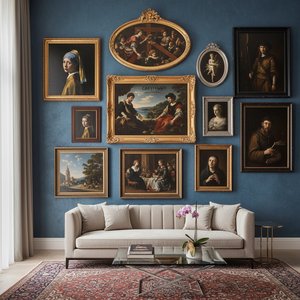
Baroque Painting's Greatest Hits: 10 Masterpieces for Your Home | OriginalUniqueArt
Journey through Baroque painting's glory! Explore 10 masterpieces by Caravaggio, Rembrandt & Vermeer. Discover dramatic lighting, rich colors & timeless stories. Find museum-quality art reproductions for your home at OriginalUniqueArt.com.