

 Eelvaade
 Saada
Saada Jaga
Jaga
 Teave teose kohta

 Laadi alla
 Sarnased teosed
 Röntgenuuring
 Slaidietendus
Joseph Conducted to Prison
 Acrylic On Canvas
- WallArt
- Renaissance
 1515
1515 95.0 x 224.0 cm
 Uffizi galerii
 Loe lähemalt
Giclée / Kunstiprint
Muuseumikvaliteediga giclée- või kangasprint kiire tootmisega ja paindlikud viimistlusvõimalused. ( Osta käsitsi maalitud maal Osta pilt)




P118B $10

P118H $10

P118W $10

P438Z $10

P508JH $12

P508YH $12

P805H $10

P805Z $10

P919BZ $10

P919G $10

P919XJ $10

P959ZH $10

P968JZ $12

W106C $8

W218G $10

W218JH $8

W218Y $10

W307PJ $10

W316G $10

W316PJ $8

W316Y $10

W398PJ $8

W4111J $10

W500HY $15

W500JH $15

W692G $12

W849H $8

W940BG $15

W953PJ $8




Vali meie eelmääratud suurused, mis vastavad teose algupärastele proportsioonidele.

Saate sisestada oma mõõdud, et need sobiks konkreetse raami või ruumi sisse. Kui valitud suurus ei vasta originaalteose proportsioonidele, lõigame teose ära või laiendame pilti peegeldatud või ühtlase servaga. Enne tootmisprotsessi algust saadetakse Teie kinnitamiseks digitaalne näidis.
Palun märka, et ekraanil kuvatav eelvaade ei kajasta tegelikku lõigamist või laiendamist. Ainult näidis kujutab täpselt lõplikku kompositsiooni.
Kuigi erimõõdu on saadaval, soovitame originaaproportsioonide säilitamiseks valida mõõt ette määratud nimekirjast.
Ülemaailmne tarne () 2 nädala jooksul, tavalise 4/5 nädala asemel. (21 august)

Tasuta ekspresssaatmine üle maailma

Kõrgekvaliteediline linakangas

Täielik transpordikindlustus

Tollimaksude tagastamise garantii

Värvitoime täpsuse garantii

60-päevane tagastusõig: ainult tootmisdefektide korral

100% raha tagasi garantii

Hulgusoodustus
 Klaasivalik on saadaval ainult suuruses kuni 110 cm

Joseph Conducted to Prison
Giclée / Kunstiprint
Reproduktsiooni suurus
-


Kogusumma
$ 80
Kogumuse kirjeldus
The Weight of Betrayal: Francesco Granacci’s “Joseph Conducted to Prison”
Francesco Granacci's "Joseph Conducted to Prison," painted in 1515 and now residing within the hallowed halls of the Galleria degli Uffizi in Florence, is more than just a biblical scene; it’s a potent distillation of human suffering, familial betrayal, and the enduring struggle for justice. The painting immediately commands attention with its dramatic composition – a stark contrast between the shadowed prison entrance and the distant, almost ethereal glow of the Florentine sky. Granacci masterfully employs tempera on canvas, a technique that lends the work a remarkable depth and luminosity, capturing both the harsh realities of Joseph’s predicament and the lingering hope for redemption.
The scene unfolds with agonizing precision. Joseph, clad in simple robes and bound by chains, is led forward by two stern-faced soldiers, his posture conveying a profound sense of despair. His face, etched with sorrow and resignation, speaks volumes about the injustice he has endured – the calculated malice of his brothers culminating in his false accusation and subsequent imprisonment. Granacci doesn’t shy away from depicting the emotional weight of this moment; the subtle furrowing of Joseph's brow, the downward tilt of his head, all contribute to a palpable sense of anguish. In the background, we glimpse the figures of Joseph’s brothers, their expressions a complex blend of guilt and remorse – a poignant reminder that the seeds of betrayal were sown within their own family.
A Renaissance Masterpiece: Technique and Style
Granacci's artistic style is deeply rooted in the traditions of the Florentine Renaissance, yet he possesses a distinctive sensitivity that sets his work apart. He demonstrates a keen understanding of perspective, creating a believable sense of space within the confined setting of the prison entrance. The use of chiaroscuro – the dramatic interplay of light and shadow – further enhances the emotional impact of the scene, drawing our attention to Joseph’s face and emphasizing the oppressive atmosphere of his captivity. The brushwork is remarkably detailed, particularly in the rendering of the fabrics, the textures of the soldiers' armor, and the subtle nuances of expression on the faces of the figures.
The choice of tempera as the medium is crucial to understanding Granacci’s approach. Tempera paints dry quickly when applied to a prepared gessoed surface, allowing for meticulous layering and blending – a technique that enabled Granacci to achieve the rich colors and intricate details characteristic of his work. Furthermore, tempera lends itself particularly well to capturing subtle gradations of tone and value, contributing significantly to the painting’s overall sense of realism and emotional depth.
Historical Context: Joseph's Journey and Renaissance Symbolism
“Joseph Conducted to Prison” is not merely a depiction of a biblical narrative; it’s an exploration of universal themes – betrayal, injustice, resilience, and the promise of eventual vindication. The story of Joseph, as recounted in Genesis, resonates deeply with audiences across cultures and throughout history, serving as a powerful allegory for the human condition. Granacci's painting taps into this enduring symbolism, transforming a religious tale into a timeless meditation on suffering and forgiveness.
The setting itself – a prison entrance – carries significant symbolic weight. It represents not only Joseph’s physical confinement but also his spiritual imprisonment, his separation from his family and his loss of freedom. The distant sky, bathed in an ethereal light, offers a glimmer of hope, suggesting that even in the darkest of circumstances, redemption is possible. The inclusion of Joseph's brothers in the background underscores the central theme of familial betrayal, highlighting the devastating consequences of envy and malice.
Emotional Resonance: A Timeless Appeal
“Joseph Conducted to Prison” continues to captivate viewers centuries after its creation due to its profound emotional resonance. Granacci’s masterful depiction of human suffering evokes a powerful sense of empathy and compassion, inviting us to contemplate the complexities of morality, justice, and forgiveness. The painting's dramatic composition, rich colors, and meticulous detail combine to create an unforgettable visual experience – a testament to the enduring power of art to illuminate the human spirit.
Reproductions of this iconic work offer a remarkable opportunity to bring its timeless beauty into your home or office. Consider commissioning a high-quality hand-painted reproduction from reputable artists specializing in Renaissance reproductions, ensuring that you own a faithful representation of Granacci’s masterpiece and a treasured addition to your collection.
Seotud artiklid

Illuminating Surfaces: A Comprehensive Exploration of Tempera on Panel Painting Techniques & Historical Significance
Explore the rich history & techniques of tempera painting! Discover Renaissance masters like Botticelli & Fra Angelico, conservation insights, and the enduring legacy of this captivating art form. Learn more now!

Tempera Art Guide: The Bold, Fast-Drying Secret to High-Impact Color
Unlock the secret to high-impact color with our expert guide to tempera art. Discover how this fast-drying, luminous medium delivers unmatched vibrancy and depth for bold, modern interiors. Master the alchemy of pigments and elevate your collection with professional insights.

Illuminating History: A Comprehensive Exploration of Tempera Painting Techniques & Artistic Legacy
Explore the rich history & techniques of tempera painting! Discover Renaissance masters like Botticelli & Fra Angelico, conservation insights, and the enduring legacy of this captivating art form.

The Alchemy of Egg Yolk: Mastering the Timeless Art of Tempera Painting
Explore the profound alchemy of egg tempera painting. Discover how medieval masters used egg yolk and pure pigments to create luminous, enduring masterpieces that define art history. A deep dive into the disciplined techniques of the Old Masters for the true art enthusiast.
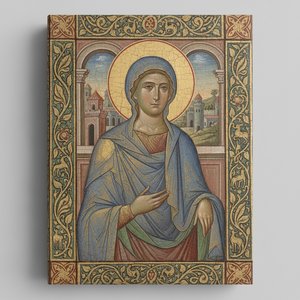
Tempera's Timeless Legacy: 10 Masterpieces That Revolutionized Art | OriginalUniqueArt
Journey through 10 legendary tempera on panel masterpieces by Giotto, Duccio & Botticelli. Explore the history, symbolism & enduring beauty of these iconic artworks. Find museum-quality reproductions for your home at OriginalUniqueArt.com.

