
 Eelvaade
 Saada
Saada Jaga
Jaga
 Teave teose kohta
 Juhend

 Laadi alla
 Sarnased teosed
 Röntgenuuring
 Slaidietendus
 Q&A
Q&A Statistika
Holy Family


 Loe lähemalt
Giclée / Kunstiprint
Muuseumikvaliteediga giclée- või kangasprint kiire tootmisega ja paindlikud viimistlusvõimalused. ( Osta käsitsi maalatud teos Lülita digitaalse pildi juurde)




P118B €10

P118H €10

P118W €10

P438Z €10

P508JH €12

P508YH €12

P805H €10

P805Z €10

P919BZ €10

P919G €10

P919XJ €10

P959ZH €10

P968JZ €12

W106C €8

W218G €10

W218JH €8

W218Y €10

W307PJ €10

W316G €10

W316PJ €8

W316Y €10

W398PJ €8

W4111J €10

W500HY €15

W500JH €15

W692G €12

W849H €8

W940BG €15

W953PJ €8




Vali meie eelmääratud suurused, mis vastavad teose algupärastele proportsioonidele.

Sisestage vajalik laius ja kõrgus, et see sobiks teie raamile või seinale. Trükki saab ainult lõigata, seda ei saa kunagi pildist suuremaks teha, seega ka erineva mustega suurus kaotab osa pildist. Enne trükkimist saadame teile kinnitamiseks digitaalse näidisprojektsiooni. Sellel lehel näidatud pilt ei kujuta reaalset lõiget — seda näitab ainult näidisprojektsioon.
Ülemaailmne tarne () 2 nädala jooksul, tavalise 4/5 nädala asemel. (2 november)

Tasuta ekspresssaatmine üle maailma

Kõrgekvaliteediline lina-kangas

Täielik transpordikindlustus

Tollimaksude tagastamise garantii

Värvitoime täpsuse garantii

100 päeva tagastusõigus (ainult valmistusdefektide korral)

100% raha tagasi garantii

Hulgusoodustus
 Klaasivalik on saadaval ainult kuni 110 cm suuruses teostes

Holy Family
Giclée / Kunstiprint
Reproduktsiooni suurus
-


Koguhind
€ 71
The Serene Embrace: Fra Bartolomeo’s “Holy Family”
Fra Bartolomeo’s “Holy Family,” painted around 1490 in the heart of Florence, isn't merely a depiction of Christ, Mary, and Joseph; it’s an invitation to contemplate the quiet dignity and profound love at the core of their existence. Emerging from the workshops of Cosimo Rosselli and Mariotto Albertinelli, Bartolomeo—originally Baccio della Porta—developed a distinctive style that blended the dynamism of his early influences with a deeply contemplative spirituality. This particular work, housed in the Alte Pinakothek in Munich, exemplifies this evolution – a harmonious blend of Renaissance idealism and a nascent sense of emotional depth.
The scene itself is deceptively simple: the Holy Family gathered within a softly rendered interior space. Mary cradles the infant Jesus, her gaze filled with an almost palpable tenderness. Joseph stands protectively beside them, his posture radiating quiet strength and devotion. But it’s the introduction of Saint John the Baptist, a young child reaching out to Christ, that elevates this composition beyond a straightforward family portrait. This seemingly minor detail—the meeting of two pivotal figures in Christian iconography—is laden with symbolic weight. It speaks to the lineage of faith, the promise of salvation, and the interconnectedness of divine grace.
A Renaissance Palette: Technique and Style
Bartolomeo’s mastery lies not just in his subject matter but also in his meticulous technique. Painted primarily in oil on panel, he employs a restrained yet luminous palette dominated by earth tones—ochres, browns, and subtle greens—that evoke the warmth of domesticity and the solemnity of religious devotion. The artist skillfully utilizes *sfumato*, a technique borrowed from Leonardo da Vinci, to soften outlines and create an atmospheric haze that envelops the figures, lending them an ethereal quality. Notice how the drapery flows with a gentle grace, each fold meticulously rendered to suggest both weight and movement.
The composition itself is carefully balanced, drawing the eye towards the central trio while subtly incorporating elements of the surrounding space—a suggestion of architecture in the background, hinting at a stable or dwelling place. Bartolomeo’s attention to detail extends beyond mere representation; he imbues every element with meaning, creating a visual narrative that resonates deeply with the viewer.
Echoes of Savonarola: Spiritual Context
It's crucial to understand the historical context in which this painting was created. Fra Bartolomeo’s artistic journey was profoundly shaped by the rise and fall of Girolamo Savonarola, a Dominican friar who preached against the excesses of Renaissance Florence. Savonarola’s austere teachings emphasized simplicity, piety, and a return to biblical values – principles that deeply influenced Bartolomeo's work. This influence is evident in the painting’s restrained emotionalism and its focus on spiritual contemplation rather than opulent display.
The inclusion of Saint John the Baptist, often associated with repentance and baptism—symbolic cleansing—further reinforces this connection to Savonarola’s message. The scene subtly suggests a journey towards righteousness, guided by the unwavering love and protection of the Holy Family.
A Timeless Resonance: Emotional Impact
Despite its historical context, “Holy Family” transcends time with its enduring emotional resonance. It's not a grand, dramatic depiction of divine power but rather a quiet celebration of human connection—the intimate bond between parents and child, the unwavering devotion of a husband to his wife, and the profound grace of God’s presence in everyday life. The painting invites us to pause, reflect, and consider the values that underpin our own families and communities.
Reproductions of this masterpiece offer an exceptional opportunity to bring this serene embrace into your home—a visual reminder of love, faith, and the enduring power of family. It’s a piece that speaks volumes without uttering a single word, a testament to Fra Bartolomeo's artistic vision and his profound understanding of the human spirit.
Korduvad küsimused
Kas teoses „Holy Family“, autor Fra Bartolomeo kasutatakse tugevaid kontraste või pehmeid harmooniaid?
Teose „Holy Family“, autor Fra Bartolomeo väruanalüüs on tuvastatud Statement kontrast ja Strong Color Unity harmoonia.
Kui karge on teose "Holy Family" väripalett?
Teose „Holy Family“, autor Fra Bartolomeo värvitoit on Subtle Color kütkusega.
Millises materjalis on teos „Holy Family“, autor Fra Bartolomeo valmistatud?
Teose „Holy Family“, autor Fra Bartolomeo materjal on Oil On Canvas. Reproduktsioonide eesmärk on jälitada selle tehnika välimust.
Kunstniku elulugu
Varajärgi ja kunstiline kujundamine Florentsis
Sündides 28. märtsil 1472 Toskaana linnas Savignano di Prato nimega Baccio della Porta, oli Fra Bartolomeo varajärgi täidetud Renessanssi Itaalia vibratil kunstilaval. Hüüdnimi „Baccio della Porta“ — mis tähendab „Värava suudmist“ — viitab tema alumisele algusele, kuna tema perekond elas San Pier Gattolini värava lähedal. Tema ametlik koolitus algas umbes 1483 või 1484 aastal, mil ta astus Cosimo Rosselli töökoda radadele, olles tuntud florentine maalari, kes tegi laiaulatuslikke freskosarja. See õpilaskoolituse periood pakkus kriitilist alust **tehnilistest oskustest** ja ajastu stiilistest konventsioonidest, tutvustades noort Bacciot Florentsis laialt levinud uutele kunstilistele uuendustele. Just selle kujundaval ajal hakkas ta omastama perspektiivi, kompositsiooni ja värvi printsiipe, mis hiljem määrasid tema ainulaadse stiili. Alates 1490 või 1491 aastast süvendas tema oskusi oluline koostöö Mariotto Albertinelliга; nende partnerlus tõi kaasa ühised tellimused ja kunstiliste ideede viljakas vahetus, kinnistades Baccio positsiooni Florentine kunstimaastikul.Savonarola varjud ja vaimne äratus
1490 aastate lõpp märkis pöördepunkt Fra Bartolomeo elus, olles sügavalt mõjutatud Girolamu Savonarola põletavad jutlustused ja moraalset õpetus. Dominikaanipuniku avastatud ilmlikud väärtustusionsed ja Florentine ühiskonna korruptsioon tekitasid Baccios hinges sügava resonansi, viies teda küsimusi esitama kunstilise kujutamise eesmärgi ja väärtuse üle. See vaimne kriis jõudis tipphetki: aastal 1500, olles sügavalt liigutatud Savonarola sõnumist, loobunud ta maalimisest täielikult ja astus San Marco dominikaankonventi nunna/munkina. Tema kõige kuulsam teos sellest perioodist, 1498. aastal maaldatud Savonarola portret, seisab reformerina mõju võimsana visuaalse tõendina. Savonarola pilgu intensiivsus ja kompositsiooni karu lihtsus peegeldavad selle aja askeetlikku religioosset õhust. Mitmel aastal pühendas Fra Bartolomeo end täielikult religioossele elule, nägemata võimalust jätkata oma kunstilisi ambitsioone. Kuid saatus — ja tema kogukonna vajadused — sekkuksid peagi uuesti.Tagasipöördemine kambda: Kõrerenessanssi rahu ja Raphael'i mõju
Aastal 1504, kloostri ülemuste ettepanekul, paluti Fra Bartolomeol maaliamist taas alustada, olles San Marco töökoda juht. See märgis tärmat võlust kunstilise loovusega, kuid see oli nüüd aastate vaimse kontemplatsiooni eest muudetud. Tema stiil hakkas arenama suunades üles ideaalset Kõrerenessanssi esteetikat, mida iseloomustasid rahulikud kompositsioonid, graatsilised figuurid ning valgusest ja varjust meisterlik kasutamine. Teos „Püha Bernardi nägemus“ (1ilt 1507), kuigi nüüd haavast seisundis, on selle uue suuna näidis — selle eteeriline olemus ja harmoniline tasakaal tõid ülemustele lugude järgi kütkestavat noort Raphael'i, kui ta külastas Florentit. Kahe kunstniku vahel õide üks laia sõprus, edasandes ideede ja tehnikate vastastikust vahetust. Fra Bartolomeo omastas innukalt Raphael'i teadmisi perspektiivist, jagades samal ajal oma ekspertiisi värvimise ja draperii õrna kujutamise osas. See koostöö oli võtmetähtsusega mõlemade kunstiliste suundade kujundamisel. Tema figuurid muutusid elegantsemaks, täidetud sise rahu ja vaimse armu tunnetega, ning ta keskendus üha enam valgusest vormile kukkavatele peenedest efektidest.Pärand: Maaliku kujutamise ja religioosuse uuendaja
Fra Bartolomeo panused Renessanssi kunstisse ulatuvad kaugemale kui tema religioosne maalimine. Ta oli ka maastiku kunsti uuendaja, luues mõned Itaaliast pärit esimesed puhtad maastikusketsid — eriti märkimist väärivad nende tundlik jälgimine looduse ja atmosfääriliste efektide suhtes. Need joonised demonstreerivad varajast huvi maailma ilu tabamise vastu, ennustades hilisemaid arenguid maastikumaalides. Kogu oma karjääri jooksul loadis ta üles arvukalt altaripainde kirikutesse üle Itaalia, sealhulgas tellimused Venetsias, Luccas ja Besançonis. Tema viimane teos, fresko pealkonnaga „Noli Me Tangere“ (Ära puuda mulle) Pian di Mugnone'is lähedal Fiesole'ile, on tema kunstiteekonna kurb ja sügav lõpppunkt. Fra Bartuleo mõju Raphaelile on järeleidamatud, aitades kaasa Kõrerenessanssi kunsti arengule. Ta ühendas unikaalsel viisil sügava religioosuse ja erakordse kunstilise oskuse, luues teoseid, mis teenisid nii vaimseid kui ka esteetilisi eesmärke. Tema karjäär esindab kriitilist üleminekut varasemast florentinest stiilist suunades üles ideaalsetesse vormidesse ja tasakaalustatud kompositsioonidesse, mis on iseloomulikud Kõrerenessanssile. Fra Bartolomeo surmas Florentis 31. oktoobril 1517, jättes endile pärandina rahuliku ilu, vaimse sügavuse ja kunstilise uuenduse, mis tõttab tänapäevani imetust ja austust.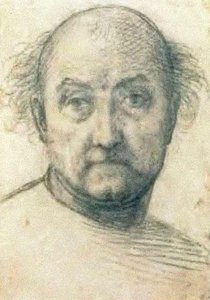
Fra Bartolomeo
1472 - 1517 , Italia
Lühikest infot
- Artistic Movement Or Style: Kõrgreim Renessanss
- Artists Or Movements Influenced By This Artist:
- Rafael
- Manierism
- Artists Who Influenced This Artist:
- Cosimo Rosselli
- Mariotto Albertinelli
- Rafael
- Date Of Birth: 28. märts 1472
- Date Of Death: 31. oktoober 1517
- Full Name: Fra Bartolomeo
- Nationality: Itaalia
- Notable Artworks:
- Savonarola portree
- Püha Bernarde visiooni
- Venusest imetlemine
- Jumal Isa
- Place Of Birth: Prato, Itaalia
Sarnased artiklid

Turn Family Photos into Masterpiece Oil Portraits: The Art of Timeless Legacy
Transform cherished family memories into timeless legacies with bespoke, hand-painted oil portraits. Our master artists reimagine your photos as museum-quality masterpieces, offering unparalleled craftsmanship and elegance for the discerning collector.