 Eelvaade
 Saada
Saada Jaga
Jaga
 Teave teose kohta
 Juhend

 Laadi alla
 Sarnased teosed
 Röntgenuuring
 Slaidietendus
 KÜSIMUSED JA VASTUSID
 Statistika
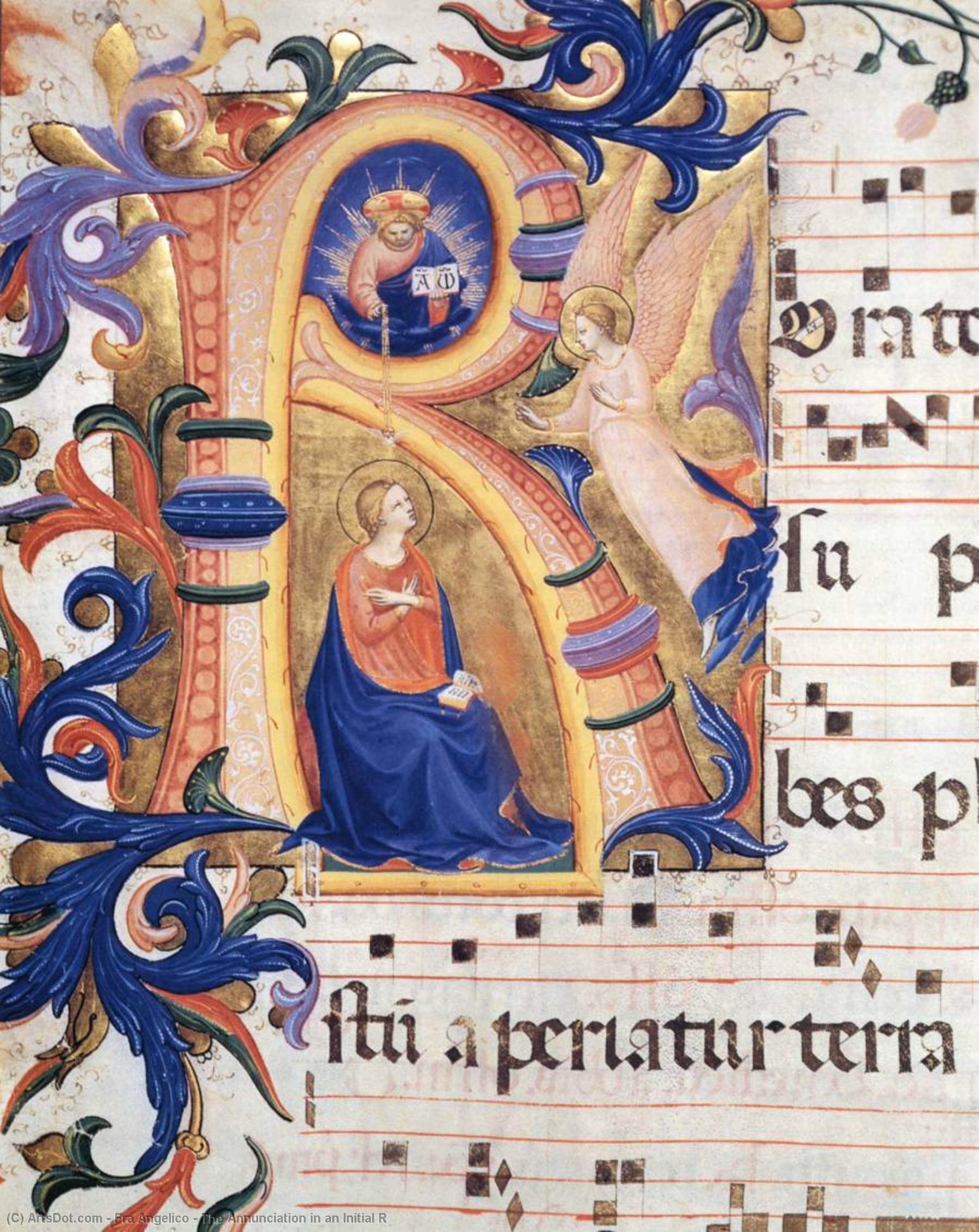
The Annunciation in an Initial R


 Loe lähemalt
Giclée / Kunstiprint
Muuseumikvaliteediga giclée- või kangasprint kiire tootmisega ja paindlikud viimistlusvõimalused. ( Osta käsitsi maalatud teos Lülita digitaalse pildi juurde)




P118B €10

P118H €10

P118W €10

P438Z €10

P508JH €12

P508YH €12

P805H €10

P805Z €10

P919BZ €10

P919G €10

P919XJ €10

P959ZH €10

P968JZ €12

W106C €8

W218G €10

W218JH €8

W218Y €10

W307PJ €10

W316G €10

W316PJ €8

W316Y €10

W398PJ €8

W4111J €10

W500HY €15

W500JH €15

W692G €12

W849H €8

W940BG €15

W953PJ €8




Vali meie eelmääratud suurused, mis vastavad teose algupärastele proportsioonidele.

Sisestage vajalik laius ja kõrgus, et see sobiks teie raamile või seinale. Trükki saab ainult lõigata, seda ei saa kunagi pildist suuremaks teha, seega ka erineva mustega suurus kaotab osa pildist. Enne trükkimist saadame teile kinnitamiseks digitaalse näidisprojektsiooni. Sellel lehel näidatud pilt ei kujuta reaalset lõiget — seda näitab ainult näidisprojektsioon.
Ülemaailmne tarne () 2 nädala jooksul, tavalise 4/5 nädala asemel. (3 november)

Tasuta ekspresssaatmine üle maailma

Kõrgekvaliteediline lina-kangas

Täielik transpordikindlustus

Tollimaksude tagastamise garantii

Värvitoime täpsuse garantii

100 päeva tagastusõigus (ainult valmistusdefektide korral)

100% raha tagasi garantii

Hulgusoodustus
 Klaasivalik on saadaval ainult kuni 110 cm suuruses teostes

The Annunciation in an Initial R
Giclée / Kunstiprint
Reproduktsiooni suurus
-


Koguhind
€ 72
The Annunciation in an Initial R: A Glimpse of Divine Grace
Within the serene confines of the Museo di San Marco in Florence resides a masterpiece that transcends mere painting—it’s a portal into the heart of the Early Renaissance, a testament to Fra Angelico's profound spirituality and unparalleled artistic skill. “The Annunciation in an Initial R,” created around 1430, is not simply a depiction of a biblical moment; it’s an immersive experience, a carefully orchestrated symphony of color, light, and symbolism designed to elevate the viewer towards contemplation and faith. This tempera on panel miniature, originally part of a larger illuminated manuscript, captures the pivotal encounter between the Virgin Mary and the Archangel Gabriel—an event that marks the beginning of God's plan for salvation.
Fra Angelico’s genius lies not just in his technical mastery but also in his ability to infuse religious subjects with an intensely human quality. The composition itself is remarkably innovative for its time, moving away from the traditional, static depictions prevalent in Gothic art. Instead of a flat, two-dimensional scene, Fra Angelico creates a sense of spatial depth and atmospheric perspective within the confines of the initial r. The setting—a cloister with open sides—is subtly rendered, drawing the eye towards the central figures while hinting at an external world beyond. The architectural elements, particularly the classical columns supporting the loggia, are not merely decorative; they provide a framework for the divine narrative, grounding it in a recognizable earthly space.
The Figures: A Dance of Grace and Humility
At the heart of the composition stand Mary and Gabriel. Mary, seated on a simple chair, embodies an exquisite blend of innocence and acceptance. Her hands are folded in a gesture of humility and submission—a visual representation of her willingness to embrace God’s will. Fra Angelico masterfully captures her youthful beauty and serene expression, conveying a sense of profound peace and trust. Gabriel, depicted as a radiant figure clad in pink and gold, approaches Mary with an air of solemnity and reverence. His wings, rendered with delicate detail, suggest his celestial origins, while his outstretched hand signifies the offering of divine grace. The subtle tilt of his head and the downward gaze communicate both respect and urgency—he is delivering a momentous message.
Notice the careful attention to detail in their drapery. The flowing robes are rendered with an almost tactile quality, suggesting the weight and texture of fabric. The use of color is equally deliberate; Mary’s blue garments symbolize her royal status as the Queen of Heaven, while Gabriel's vibrant hues reflect his divine nature. Even the smallest details—the folds in their clothing, the expressions on their faces—contribute to the overall sense of realism and emotional depth.
Symbolism and Spiritual Resonance
Beyond its visual beauty, “The Annunciation” is rich in symbolic meaning. The presence of the “hortus conclusus,” or closed garden, behind Mary’s window is a powerful metaphor for her virginity—a testament to God's grace working through an untouched vessel. The cross and book within the cloister further reinforce the religious context of the scene, reminding the viewer of Christ’s sacrifice and the importance of faith. The overall composition evokes a sense of harmony and balance, reflecting the theological concept of *perfection*—the idea that God's plan is ultimately perfect and beautiful.
The inscription running across the bottom of the fresco – “Virginis Intacte Cvm Veneris Ante Figvram Preterevndo Cave Ne Sileatvr Ave” – serves as a constant reminder to pray. It’s a call to action, urging viewers to acknowledge God's grace and offer their own devotion.
A Legacy of Divine Art
“The Annunciation in an Initial R” stands as a pivotal work in the history of Renaissance art—a bridge between the Gothic past and the burgeoning realism of the era. Fra Angelico’s innovative composition, his masterful use of color and light, and his profound understanding of religious symbolism combine to create a truly transcendent experience. The painting's influence can be seen in countless subsequent works of art, solidifying its place as one of the most beloved and enduring images of the Annunciation. Today, it continues to inspire awe and wonder, inviting viewers to contemplate the mysteries of faith and the beauty of divine grace.
For those seeking a high-quality reproduction of this iconic artwork, consider exploring options from OriginalUniqueArt.com – where you can experience the brilliance of Fra Angelico’s vision in stunning detail.
Korduvad küsimused
Kuhu kohta „The Annunciation in an Initial R“, autor Fra Angelico reproduktsioon peaks rikutud?
Formaat (Vertikaalne orientatsioon) ja soovitatav ruum (Elutuba) on teose „The Annunciation in an Initial R“, autor Fra Angelico kohta kirjutatud kaks paigutusandmet.
Millist tooni suundub "The Annunciation in an Initial R"?
"The Annunciation in an Initial R" on kallutunud Soojad päikeseloojangu toonid toonile.
Millist kasutusviisi ja ruumi on „The Annunciation in an Initial R“, autor Fra Angelico jaoks soovitatav?
Teost "The Annunciation in an Initial R" on soovitatav kasutada Kinnisitus jaoks ning selleks soovitellav ruum on Elutuba.
Kunstniku elulugu
Varase Elu ja Vaimulik Kujunemine
Giovanni da Fiesole, hiljem tuntud kui Fra Angelico, sündis umbes 1395 aastal Toscana mäenõlvadel Firenze lähedal. Tema varasest elust teame vähe, kuid arvatakse, et ta sai hea hariduse, mis valmistas ette eluks lihtsatest algusist kaugemale. Oluline hetk saabus siis, kui noor Giovanni astus Dominikaani ordusse Fiesoles, võttes omaks uskliku kaitsmise ja teenimise elu. Just kloostri seinte vahel sai temast vend Angelico – hüüdnimi, mis peagi kajastas nii tema mungatõotusid kui ka tema kunsti olemust. Esialgu pandi talle ülesandeks käsikirjade illumineerimine – täpne ja värviküllane käsitöö, mis lihvis oskusi, mis hiljem õitseksid vapustavateks freskodeks ja paneelpiltideks. See varajane koolitus sissemani sügava lugupidamise detaili vastu, pigmentide valitsuse ning arusaamise, kuidas jutustada loo visuaalsete vahenditega. Dominikaani ordul oli suur mõjuga teoloogiliste õpingute rõhk, mis kujundas tema kunstilist nägemust ja andis töödele sügava usu- ja eesmärgipäeva.Kunstilise Stiili Arenemine
Fra Angelico kunsti arenemine ei toimunud isolatsioonis; ta omastas tolleaegsete Firenze maalijate voolusid. Lorenzo Monaco, tolle aja juhtiv kunstnik, elegantsed jooned ja dekoratiivsed mustrid on nähtavad tema varajastes töödes. Fra Angelico ei jäljendanud aga pelgalt oma eelkäijat. Ta hakkas neid mõjutusi ühendama kasvava naturalistlikkusega, mis ilmnes tõenäoliselt kokkupõrke läbi Masaccio murranguliste freskodega. Kuigi Masaccio revolutsioonistas maali dramaatilise perspektiivi ja inimkuju realistliku kujutamisega, valis Fra Angelico teistsuguse tee. Ta omakas perspektiivi mitte enda pärast, vaid loomaks sügavamalt vaimustavat kogemust. Tema figuurid, kuigi graatsilised ja sageli idealiseeritud, on vaikiva väärustusega ja emotsionaalse resonantsiga, mis ületab pelgu esituse. Oluline on see, et tema kunst oli lahutamatult seotud tema usuga; ta nägi maalimisest mitte kutset, vaid palvet – viisi jumalikku kaaluda ja seda teistele nähtavaks teha. See sügavalt peidetud veendumus andis iga pintslilöögile austuse ja siirust.Usk ja Värvi Meisterteosed
Fra Angelico kunstiline pärand on ankurdatud mitme monumentaalse teosega, mis jätkuvad sajandeid hiljem inspireerivat imetlust. Firenze San Marco kloostri freskod peetakse laialdaselt tema meistriteoseks. Dominikaani konvendi jaoks tellitud need Kristuse elust stseenid kiirgavad haruldast rahulikkust ja emotsionaalset sügavust, mida on vähelegi kohanud renessanssiajastu kunstis. Iga kujutis – Annastamisest kuni Ristsurnimiseni – on täis vaikivat kaitsmist, kutsuma vaatajaid isiklikku kohtumist pühaga. San Marco peale näitab tema *Perugia Altarpiece* tema stiili arengut, eriti Annastamise õrna kujutamisel. Annastamise teema ise ilmub mitmes versioonis kogu tema loomingus, igaüks neist on esitatud eeterliku ilu ja sümbolilise rikkusega. Teosed nagu *St. Lawrence Giving Alms* näitavad tema oskust jutustus kompositsioonides ja võimet kujutada inimemotsioone tundlikkuse ja graatsiga. Tema palett iseloomustab ergas, selge värvitoonidega – sinised, kuldsed ja punased –, mis paistavad sisemiselt sädelevat, luues teisenema maailma särast atmosfääri.Pärand ja Püsiv Mõju
Fra Angelico seisab vararenessanssi olulise figuurina, kehastades ajastu usu pühendumise ja kunstilise innovatsiooni ühinemist. Ta polnud lihtsalt maalija; ta oli vaimulik nägija, kes tõlgendas oma usku visuaalseks vormiks. Tema töö peegeldab perioodi humanistlikke ideaale, rõhutades inimväärsust ja potentsiaali vaimulikkuse kaitsmiseks. Giorgio Vasari, tähistatud kunstiajaloolane, kiitis Fra Angelicot oma *Künstlerlebenslaufis*, väites, et ühestki kiitusest ei piisa tema loomingu ilu jäädvustamiseks. See kinnitas tema koha lääne kunsti kaanonis. Tema mõju ulatub kaugemale tema ajast, inspireerides põlveid kunstnikke oma pühendunud stiili ja värvi meisterliku kasutamisega. 1982 aastal tunnustas Paavst Johannes Paulus II ametlikult Fra Angelico pühakust, mis on tunnistus tema elu ja töö sügavast vaimulikkuse mõjust. Tänapäeval resoniseerib tema kunst jätkuvalt vaatajatega üle maailma, pakkudes igavest sõnumit usust, lootest ja iludusest.Kus Tema Kunsti Kogeda
- Museo di San Marco, Firenze: See muuseum majutab suurima ja olulisema Fra Angelico tööde kollektsiooni, sealhulgas vapustavad freskod kloostri seinadelt.
- The Louvre Museum (Pariis): Mitmeid olulisi Fra Angelico maalijaid saab leida Louvre'i ulatuslikus kollektsioonis.
- The National Gallery (London): Rahvusgalerii on tema tööde valik, mis annab külastajatele ülevaate tema kunstilise geniaalsuse kohta.
- Santa Maria sopra Minerva, Rooma: See kirik sisaldab Fra Angelico fresko ja on koht, kus ta ametlikult pühitseti.
- Paljud teised muuseumid üle maailma eksibitseerivad tema kunsti näiteid, võimaldades laiemat hindamist tema püsiva pärandi kohta.
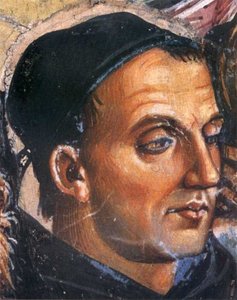
Fra Angelico
1395 - 1455 , Itaalia
Lühikest infot
- Artistic Movement Or Style: Vararenessanss
- Artists Or Movements Influenced By This Artist: ['Vararenessanss kunstnikud']
- Artists Who Influenced This Artist:
- Lorenzo Monaco
- Masaccio
- Date Of Birth: u 1395
- Date Of Death: 1455
- Full Name: Fra Angelico
- Nationality: Itaalia
- Notable Artworks:
- San Marco freskod
- Perugia altaripilt
- Teatamine
- Püha Laurentius annab vaesed
- Place Of Birth: Rupesana, Itaalia
Sarnased artiklid

Illuminating Surfaces: A Comprehensive Exploration of Tempera on Panel Painting Techniques & Historical Significance
Explore the rich history & techniques of tempera painting! Discover Renaissance masters like Botticelli & Fra Angelico, conservation insights, and the enduring legacy of this captivating art form. Learn more now!

Uffizi Galeri 25 Kunsti Helmi: Renessansi Meisterteosed Teie Kodus
Avastage Uffizi galerii 25 suurimat meistriteost! Sukeldume renessansi kunstimaailma – Leonardo da Vinci, Botticelli ja Michelangelo lood. Leidke täiuslik maali oma kodukaunistuseks OriginalUniqueArt.com-is.
Divine Light: Exploring the Ethereal Masterpieces and Spiritual Luminosity of Fra Angelico
Embark on a profound journey through the ethereal masterpieces of Fra Angelico. Discover the spiritual depth, divine light, and technical brilliance of the 'Angelic Painter' in this expert exploration of Early Renaissance devotion and sacred art history.
Illuminating History: A Comprehensive Exploration of Tempera Painting Techniques & Artistic Legacy
Explore the rich history & techniques of tempera painting! Discover Renaissance masters like Botticelli & Fra Angelico, conservation insights, and the enduring legacy of this captivating art form.

Fra Angelico: 25 meistriteost, mis täidavad kodu vaimsust ja ilu
Avastage Fra Angelico 25 võrratut meistriteost! Sukelduge renessansi kunstimaailma, religioossete freskode ja altarimaalide lummusesse. Leidke inspiratsiooni kodukaunistuseks OriginalUniqueArt.com-is – kvaliteetsed reproduktsioonid otse teie seinale. Vaadake kogu kollektsiooni online!