Menüü
Text size

() ·

A painting made for you, by hand

Figure study

Käsitsi valmistatud õlimaalireproduktsioon

Meie kunstnike poolt tellimusel valmistatud käsitsi maalitud õli-kainaste teos teie soovitud suuruses ja raamis. ( Lülita trükkitoodetele Lülita digitaalse pildi juurde)

Kogumisobjekti kirjeldus

Explore Filippo Lippi's masterful pen drawing 'Figure Study,' capturing the contemplative grace of a Renaissance woman amidst classical drapery and subtle shading techniques.

Kunstniku elulugu

Filippo Lippi (1406-1469): renessansi maalikunstnik, tuntud lüüriliste madonnade, naturalismi ja uuenduslike kompositsioonide poolest. Mõjutas Botticellit ning kujundas Quattrocento kunsti. Avasta tema elu ja looming!

from ·

Chapter 1

How large should it be?

Slide to change the size; the picture on the left shows the frame at its real width. The proportions of the original are kept.

Standardne suurus
kohandatud
CM
INCH

Vali meie eelmääratud suurused, mis vastavad teose algupärastele proportsioonidele.

laius
kõrgus

Sisestage vajalik laius ja kõrgus, et teos sobiks teie raamile või seinale. Kuna tegu on käsipainatud teosega, siis erineva kujuga suuruse korral võib kunstnik jätta pildi ümber veidi rohkem marginaali või lõigata osa ära — valik on teie. Enne maali alustamist saadame teile kinnitamiseks digitaalse näidisprojektsiooni. Sellel lehel näidatud pilt ei kajasta tegelikku tulemust — seda näitab ainult näidisprojektsioon.

Chapter 2

How should it arrive?

Choose the edges of the stretched canvas

Choose your frame

Corner sample of the WhiteWrap canvas edge finish, stretched on massivpuit bars
White €1
Corner sample of the BlurSideWrap canvas edge finish, stretched on massivpuit bars
Blurside €1
Corner sample of the ExtendedWrap canvas edge finish, stretched on massivpuit bars
Extended €1
Corner sample of the P118B picture frame: vormitud polüstüreen, 5 cm wide and 3 cm thick
P118B €10
Corner sample of the P118H picture frame: vormitud polüstüreen, 5 cm wide and 3 cm thick
P118H €10
Corner sample of the P118W picture frame: vormitud polüstüreen, 5 cm wide and 3 cm thick
P118W €10
Corner sample of the P438Z picture frame: vormitud polüstüreen, 5.5 cm wide and 3.5 cm thick
P438Z €10
Corner sample of the P508JH picture frame: vormitud polüstüreen, 7 cm wide and 3.5 cm thick
P508JH €12
Corner sample of the P508YH picture frame: vormitud polüstüreen, 7 cm wide and 3.5 cm thick
P508YH €12
Corner sample of the P805H picture frame: vormitud polüstüreen, 5 cm wide and 3.5 cm thick
P805H €10
Corner sample of the P805Z picture frame: vormitud polüstüreen, 5 cm wide and 3.5 cm thick
P805Z €10
Corner sample of the P919BZ picture frame: vormitud polüstüreen, 7 cm wide and 3.5 cm thick
P919BZ €10
Corner sample of the P919G picture frame: vormitud polüstüreen, 7 cm wide and 3.5 cm thick
P919G €10
Corner sample of the P919XJ picture frame: vormitud polüstüreen, 7 cm wide and 3.5 cm thick
P919XJ €10
Corner sample of the P959ZH picture frame: vormitud polüstüreen, 5 cm wide and 3 cm thick
P959ZH €10
Corner sample of the P968JZ picture frame: vormitud polüstüreen, 6 cm wide and 4 cm thick
P968JZ €12
Corner sample of the W106C picture frame: massivpuit, 5 cm wide and 3 cm thick
W106C €8
Corner sample of the W218G picture frame: massivpuit, 5 cm wide and 3 cm thick
W218G €10
Corner sample of the W218JH picture frame: massivpuit, 5 cm wide and 3 cm thick
W218JH €8
Corner sample of the W218Y picture frame: massivpuit, 5 cm wide and 3 cm thick
W218Y €10
Corner sample of the W307PJ picture frame: massivpuit, 6 cm wide and 3 cm thick
W307PJ €10
Corner sample of the W316G picture frame: massivpuit, 6 cm wide and 3 cm thick
W316G €10
Corner sample of the W316PJ picture frame: massivpuit, 6 cm wide and 3 cm thick
W316PJ €8
Corner sample of the W316Y picture frame: massivpuit, 6 cm wide and 3 cm thick
W316Y €10
Corner sample of the W398PJ picture frame: massivpuit, 5 cm wide and 3 cm thick
W398PJ €8
Corner sample of the W4111J picture frame: massivpuit, 6.5 cm wide and 3.5 cm thick
W4111J €10
Corner sample of the W500HY picture frame: massivpuit, 7 cm wide and 5 cm thick
W500HY €15
Corner sample of the W500JH picture frame: massivpuit, 7 cm wide and 5 cm thick
W500JH €15
Corner sample of the W692G picture frame: massivpuit, 8 cm wide and 4 cm thick
W692G €12
Corner sample of the W849H picture frame: massivpuit, 5 cm wide and 3 cm thick
W849H €8
Corner sample of the W940BG picture frame: massivpuit, 7.5 cm wide and 4.5 cm thick
W940BG €15
Corner sample of the W953PJ picture frame: massivpuit, 6 cm wide and 3.5 cm thick
W953PJ €8
Corner sample of the H24-GOLD picture frame: kareeritud puit ja gesso, 10 cm wide and 6 cm thick
H24-GOLD €30
Corner sample of the H24-SILVER picture frame: kareeritud puit ja gesso, 10 cm wide and 6 cm thick
H24-SILVER €30
Corner sample of the H36-GOLD picture frame: kareeritud puit ja gesso, 15 cm wide and 6.5 cm thick
H36-GOLD €45
Corner sample of the H36-SILVER picture frame: kareeritud puit ja gesso, 15 cm wide and 6.5 cm thick
H36-SILVER €45
Raami eelvaade
Raamitud

Moulding: . Overall size with the frame: .

Chapter 3

Who paints it, and should anything change?

Examples of what can be changed: Replace face with customer photo; Add pet (e.g., replace cat with dog); Include hidden message in background; Change background landscape or elements.
After order, OriginalUniqueArt.com team will email client for instructions and provide a mockup preview

Maailmline tarne 3–4 nädala jooksul tavalise 5 nädala asemel. (30 oktoober). Kvaliteedis kompromisse ei tehta.

Chapter 4

The finishing touches

A nameplate, as in a museum?

Graveeritud pronksplaadi üksikasjad

This elegant plaque features the artist's name and the title of the artwork, finely engraved for a timeless presentation.

It is made from bronze with a refined, elegant finish. The text is precisely laser-engraved for a sharp and permanent result. Measuring 9x2 cm, the plaque is compact yet easy to read. It's built to be durable and scratch-resistant, offering a professional, museum-quality look. Mounting is simple thanks to the included adhesive backing.

Läbipaistva akrüülplaadi üksikasjad

The plaque includes essential engraved details such as the artist's name, the title of the artwork, the date it was created, the type of media used-like oil on canvas or watercolor-a brief description of the piece, and a QR code that links to the complete artwork information.

It is crafted from clear acrylic, offering a sleek, modern appearance. The text is UV-engraved in black to ensure strong visual contrast. With a size of 10x15 cm, it ensures optimal readability. It comes equipped with two metal hooks for secure wall mounting. The plaque is designed to be weather-resistant, making it suitable for various environments, and it includes interactive features that work seamlessly with smartphone scanning.

Musta akrüülplaadiรายละเอียด (Note: The user provided "Musta akrüülplaadi detailid" as the current translation and asked for an improved version. Since "Musta akrüülplaadi

This elegant plaque includes engraved information such as the artist's name, the title of the artwork, the date it was created, the type of media used (like oil on canvas or watercolor), a short description of the artwork, and a QR code for quick access to more information.

The plaque itself is made from refined black acrylic with a premium finish. The text is laser-engraved in white for high contrast and readability. Its size is 10x15 cm, designed to be easy to read. It comes with two metal hooks for professional mounting. The design is sleek and fits any interior style. It is also weather-resistant and durable, with built-in digital integration for mobile compatibility.

A protective varnish?

When do you need it?

Chapter 5

Your painting, as you ordered it

Figure study

Reproduktsiooni tehnika

Reproduktsiooni suurus

-

Eelistatud tippkunstnik

Rohkem detaile, peenust ja lisatootmisaega

-

Reproduktsiooni raamivalikud

-

-

Kunstiteoste või reproduktsioonide puhul, mille üks külg on üle 105 cm (umbikmolt 41 tolli), saadetakse raam kirjal asendis, la Dismantlitud komplektina. See meetod tagab ohutuse kohaletoimetamisel ja väldib transpordil tekkivaid kahjustusi.

Vajalik professionaalne kokkupanek – see ei ole isetegevusega valmistamiseks mõeldud toode.
Komplekt tuleb kokku panna ja lõvet pingutada kogemusega professionaalse raamija, kasutades puiduliim (ei kuulu komplekti), lõvetpingi ja klempe, et hoida raami kande mustad õigena liimi kuivamisaja jooksul. Vale kokkupanek või ebaühtlane lõvetping võib kunstiteost püsivalt kahjustada ning seda ei katta meie garantii.

  • Kaasatud on kõik tahked puidust liistud, täpselt lõigatud vastavaks suuruseks.

  • Kokku panemiseks kasutatakse lisatud kruvisid ning nurkade liimamiseks vajalikku puuliima, mida ei ole komplektis ja mida peab raamivalmistaja ise hankima.

  • Vajalik on kasutada professionaalseid tööriistu, mis ei kuulu komplekti: lõvetelapide pingist (pingutaja) ja klambreid, et hoida raami puidu nurgas õigena liimi kuivamisaja jooksul.

Oluline:
Nurgaliimamiseks on vaja puiduliim, liimimine peab toimuma klempide all kuni liim on täielikult kuivanud ning kokku monteeritud raami kanga pingutamiseks on vajalik kanga pingutustang. Kumbki neist ei kuulu komplekti. Palun veenduge enne selle suuruse tellimist, et teil on saadaval kogenud professionaalne raamistaja.

Nimesildikiri

-

-

Kaitsevärnitsus

Läikiv lakk (muudab värvid elavamaks ning kaitseb valgust ja niiskust eest)

-

Kohanda oma teost

Näiteid muudatuste kohta: Asenda nägu kliendi fotoga; Lisa lemmikloom (nt asenda kass koeraga); Lisa taustale peidetud sõnum; Muuda tausta maastikku või elemente.

-

Kiire tarne

Ülemaailmne tarne riiki 3–4 nädalaga tavalise 5 nädala asemel. (30 oktoober). Kvaliteedis kompromisse ei tehta.

-

Kiirsaatmine

Ülemaailmne tarne () 5 nädala jooksul. (6 november).

Sisse kuuluv

Koguhind

€ 266

Kogu summa € 266

Klaasivalik on saadaval ainult kuni 110 cm suuruses teostes

Included with every order

  • Tasuta ekspresssaatmine üle maailma
  • Kõrgekvaliteediline lina-kangas
  • Täielik transpordikindlustus
  • Tollimaksude tagastamise garantii
  • Värvitoime täpsuse garantii
  • 100 päeva tagastusõigus (ainult valmistusdefektide korral)
  • 100% raha tagasi garantii
  • Hulgusoodustus

A Study in Contemplation: Filippo Lippi’s Figure Drawing

The artwork presented here—a meticulously rendered pen drawing titled “Figure study”—offers a glimpse into the artistic sensibilities of Filippo di Tommaso Lippi, one of Florence's most celebrated Renaissance masters. Executed around 1452, this piece transcends mere representation; it embodies the humanist ideals that were reshaping European thought during the period and speaks to themes of introspection and idealized beauty—elements deeply rooted in classical tradition.

Historical Context: The Florentine Renaissance

Lippi’s artistic journey unfolded against the backdrop of Florence's burgeoning Renaissance. Following the rediscovery of Classical texts and art, artists like Lippi sought inspiration from ancient Greece and Rome, striving to capture human form with unprecedented accuracy and grace. This fascination with antiquity wasn’t simply aesthetic; it represented a profound shift in worldview—a belief in human potential and an embrace of reason alongside faith—influencing every facet of Florentine culture and artistic production. The drawing itself reflects this intellectual fervor, mirroring the humanist preoccupation with capturing the essence of humanity through observation and disegno (drawing).

Technique: Mastering Line and Tone

The artist’s mastery is evident in his masterful application of pen and ink on paper. Lippi employed a technique characterized by delicate hatching and cross-hatching—methods that allowed him to achieve remarkable tonal variation without resorting to color. These lines, meticulously crafted with varying pressures, create subtle gradations of gray, simulating the textures of skin and drapery with astonishing realism. The artist’s careful attention to detail is further underscored by the use of fine line weights, emphasizing contours and conveying a sense of movement—particularly noticeable in the upward tilt of the woman's left arm as she draws her hair. This technique wasn’t merely about replicating visual appearances; it was about communicating emotion and capturing the psychological state of the subject.

Composition and Symbolism: Ideal Beauty and Inner Reflection

The composition centers around a single female figure positioned prominently within the frame, directing the viewer's gaze directly to her expressive face. Her posture—slightly turned towards the viewer—suggests contemplation and invites us to consider her inner life. The positioning of her arm contributes to this sense of movement and conveys an unspoken yearning for serenity. Symbolically, the drawing aligns with Renaissance ideals of beauty—specifically, the concept of “ideal bellezza,” which prioritized harmony, proportion, and grace. Lippi’s depiction isn't merely a portrait; it’s an exploration of human dignity and spiritual contemplation—themes that resonated deeply within the humanist worldview of his time.

Emotional Impact: A Moment Frozen in Time

Looking at "Figure study," one senses not just visual precision but also palpable emotion. The soft, diffused lighting enhances the drawing's ethereal quality, creating subtle tonal nuances that convey a sense of quietude and introspection. The artist’s skillful rendering captures a fleeting moment—a gesture of repose—that speaks to the universal human desire for peace and contemplation. It is this ability to evoke feeling through visual form that elevates Lippi’s work beyond mere representation, cementing its place as an enduring testament to Renaissance artistic achievement.

Korduvad küsimused

Kust saan näha teose "Figure study" eelvaadet?

Teose „Figure study“, autor Filippo Lippi reproduktsiooni eelvaate saamiseks avage teose Eelvaade leht.

Kas „Figure study“, autor Filippo Lippi on tuntud teos?

Teose „Figure study“, autor Filippo Lippi populaarsusaste on Recognized. See klassifikatsioon peegeldab teose tuntust ja tunnustust.

Millist emotsionaalset toonikut saadab endale kuulutada teose "Figure study" Renaissance Humanism stiil?

"Figure study" kannab endas Reflective emotsionaalset toonist, mis on omane Renaissance Humanism suunale.

More about this painting

Eelvaade AR-eelvaade Lülita trükkitoodetele Lülita digitaalse pildi juurde Saada
Teave teose kohta Juhend Lisa lemmikutesse Laadi alla Sarnased teosed Röntgenuuring Slaidietendus Q&A Statistika

In numbers

  • 1452the year it was painted
  • 29frames to choose from
  • standard sizes, in its own proportions
  • 5weeks to paint and deliver it
Filippo Lippi

Filippo Lippi

1406 - 1469, Itaalia

Quick facts about Filippo Lippi

  • Artistic Movement Or Style: Varajane renessanss
  • Artists Or Movements Influenced By This Artist: ['Sandro Botticelli']
  • Artists Who Influenced This Artist: ['Masaccio']
  • Date Of Birth: 1406
  • Date Of Death: 1469
  • Full Name: Filippo di Tommaso Lippi
  • Nationality: Itaallane
  • Notable Artworks:
    • Tarquinia Madonna
    • The Annunciation
    • Coronation of the Virgin
  • Place Of Birth: Firenze, Itaalia

Kunstniku elulugu

Florentiini mässaja: Filippo Lippi elu ja kunst

Filippo di Tommaso Lippi, tuntud kui Fra Filippo Lippi, oli kujundlikult nii jumelikku andekust õnnistatud kui ka skandaalide ja ebatraditsiooniliste valikute varjutatud tegelane. Sündinud 1406. aastal Firenzes lihunikuperekonnas, olid tema varajased eluaastad kaotuse märgiga – orvuks jäetud juba kahe aasta vanuselt, usaldati ta tädi Mona Lapaccia hooleks. See korraldus viis ta lõpuks, kaheksa-aastaselt, karmeliitide kloostrisse – tee, mis kujundas mitte ainult tema kunstilist arengut, vaid määras ka tema iseloomu keerukuse. Just nende müüride sees alustas noor Filippo ametlikku haridust ja olulisemalt avastas oma kire maalimise vastu. Selle keskkonna mõju on paljuski tajutav tema töödes; õrn tasakaal vaimse pühendumuse ja üha humanistlikuma tundlikkuse vahel.

Religioossetest Vandumistest Kunstilisse Innovatsiooni

Lippi astumine karmeliidi ordu 1420. aastal ei olnud pelgalt juhus, vaid näis süütavat temas innuka kunstilise tungi. Ta andis vandumised kuueteistkümneselt ja ordineeriti preestriks umbes 1425. aastal, jäädes kloostrisse kuni 1432. aastani. Sel perioodil jutustab kunstiajaloolane Giorgio Vasari, kuidas Lippi jäi lummatuks Masaccio murrangulistest freskodest Brancacci kabelis – kohtumine, mis osutus pöördeliseks. Masaccio naturalismi ja uuendusliku valguskasutuse mõju on selgelt näha Lippi varajastes töödes, nagu *Tarquinia Madonna*, kus ilmneb uus realism. Kuid Lippi ei olnud pelgalt jäljendaja; ta arendas kiiresti oma eripärase stiili, mida iseloomustab lüüriline graatsia, õrn värvipalett ja peen emotsionaalne sügavus, mis eristas teda kaasaegsetest. Ta hakkas usulisi stseene täitma intiimsuse ja inimliku sideme tundeega, liikudes varasema devootsioonikunsti jäigemast formaalsusest eemale.

Koosseisude Meister ja Vaidlused

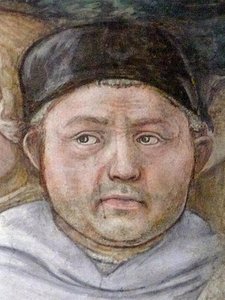
Lippi kunstiline karjäär õitses Firenzes, meelitades tellimusi silmapaistvatelt perekondadelt nagu Medici. Töödes nagu *Teate ja seitse pühakut* demonstreerib ta võimet luua keerulisi kompositsioone, mis on täis sümboolset tähendust ja elegantseid detaile. 1441. aastal Sant'Ambrogio kloostri nunnade jaoks valminud *Neitsi Maarja kroonimine* on eriti märkimisväärne; see sisaldab poolpikkfiguuri, mida paljud usuvad olevat Lippi ise – julge kunstilise identiteedi kinnitus religioosses kontekstis. Kuid tema elu ei olnud sugugi rahulik. Ta leidis end sageli finantsilistes raskustes, õiguslikes vaidlustes ja võltsimisega seotud süüdistustes. Võib-olla kõige sensatsioonilisem episood hõlmas Lucrezia Buti röövimist Pratost, kellega ta lõpuks abiellus pärast aastaid skandaali ja poleemikat. See tegu, kuigi šokeeriv tollase aja kohta, räägib Lippi mässumeelsest vaimust ja tema valmisolekust trotsida ühiskondlikke norme isikliku õnne saavutamiseks.

Pärand ja Mõju

Vaatamata oma elu keerukusele jättis Filippo Lippi kustumatu jälje renessanssikunstisse. Ta oli kõrgelt hinnatud maalikunstnik ning tema töötuba sai tulevaste meistrite kasvulavaks. Tema silmapaistlikemate õpilaste hulka kuulusid Sandro Botticelli ja Francesco di Pesello (Pesellino), kes mõlemad saavutasid hiljem olulise tunnustuse. Lippi mõju on näha hilise Quattrocento Firenzes maalimisliikuvuses ja emotsionaalses väljendusvõimes. Ta sillutas tee Masaccio vararenessanssi naturalismi ja kõrrenessanssi rafineeritud esteetika vahel, sillutades teed uuele kunstnike põlvkonnale uurida inimliku vormi ja emotsiooni võimalusi. Tema võime ühendada usulikke piiblitõdesid maailma realismiga, koos uuenduslike kompositsioonide ja eksimatu tehnikaga, kinnistas tema koha üheks olulisemaks ja põnevamaks tegelaseks Itaalia renessanssis. Ta suri 1469. aastal Spoleto linnas, jättes maha pärandi, mis jätkab aukartust ja imetlust äratavat sajandeid hiljem. Tema kunst on jäädvustanud inimliku loovuse jõu ja ilu kestva võlu.

Teave teose kohta

  • Year: 1452
  • Title: Figure study
  • Medium: Pen and ink on paper
  • Location: Private Collection
  • Movement: Early Renaissance
  • Dimensions: 292 x 199 cm

Kunstiteaduse kvartett

Iga küsimuse kohta on ainult üks õige vastus.

Küsimus 1:
What artistic movement is Filippo Lippi’s ‘Figure study’ associated with?
Küsimus 2:
The image description mentions a 'soft and diffused' lighting effect. Why is this significant in the context of Renaissance art?
Küsimus 3:
What technique did Lippi employ to create shading and volume in the drawing?
Küsimus 4:
The description notes that the pose of the woman suggests 'introspection or preparation.' What does this imply about Lippi's artistic intentions?
Küsimus 5:
What is the primary stylistic characteristic of ‘Figure study’ according to the text?
Avastage teoseid, mis on koondatud teemade, stiilide ja omaduste kaupa.