
 Eelvaade
 Saada
Saada Jaga
Jaga
 Teave teose kohta
 Juhend

 Laadi alla
 Sarnased teosed
 Röntgenuuring
 Slaidietendus
 Q&A
Q&A Statistika
The Penitent St Jerome

- 47.0 x 34.0 cm


 Loe lähemalt
Giclée / Kunstiprint
Muuseumikvaliteediga giclée- või kangasprint kiire tootmisega ja paindlikud viimistlusvõimalused. ( Osta käsitsi maalatud teos Lülita digitaalse pildi juurde)




P118B €10

P118H €10

P118W €10

P438Z €10

P508JH €12

P508YH €12

P805H €10

P805Z €10

P919BZ €10

P919G €10

P919XJ €10

P959ZH €10

P968JZ €12

W106C €8

W218G €10

W218JH €8

W218Y €10

W307PJ €10

W316G €10

W316PJ €8

W316Y €10

W398PJ €8

W4111J €10

W500HY €15

W500JH €15

W692G €12

W849H €8

W940BG €15

W953PJ €8




Vali meie eelmääratud suurused, mis vastavad teose algupärastele proportsioonidele.

Sisestage vajalik laius ja kõrgus, et see sobiks teie raamile või seinale. Trükki saab ainult lõigata, seda ei saa kunagi pildist suuremaks teha, seega ka erineva mustega suurus kaotab osa pildist. Enne trükkimist saadame teile kinnitamiseks digitaalse näidisprojektsiooni. Sellel lehel näidatud pilt ei kujuta reaalset lõiget — seda näitab ainult näidisprojektsioon.
Ülemaailmne tarne () 2 nädala jooksul, tavalise 4/5 nädala asemel. (2 november)

Tasuta ekspresssaatmine üle maailma

Kõrgekvaliteediline lina-kangas

Täielik transpordikindlustus

Tollimaksude tagastamise garantii

Värvitoime täpsuse garantii

100 päeva tagastusõigus (ainult valmistusdefektide korral)

100% raha tagasi garantii

Hulgusoodustus
 Klaasivalik on saadaval ainult kuni 110 cm suuruses teostes

The Penitent St Jerome
Giclée / Kunstiprint
Reproduktsiooni suurus
-


Koguhind
€ 71
The Penitent St Jerome: A Renaissance Echo of Spiritual Struggle
Filippino Lippi’s “The Penitent St Jerome,” painted in 1485, is more than just a depiction of a biblical figure; it's a profound meditation on faith, remorse, and the arduous path to redemption. The painting immediately draws the viewer into a world of stark contrasts – the cool, shadowed depths of the cave against the warm glow emanating from the central figure, the rough texture of the stone juxtaposed with the delicate folds of his robe. It’s a scene steeped in emotional intensity, rendered with the meticulous detail and psychological insight characteristic of the Florentine Renaissance.
Lippi masterfully employs perspective to create an immersive experience. The viewer is positioned as if observing St Jerome from a slightly elevated vantage point, peering into the darkness of his refuge. The receding cityscape in the background—a hazy, almost dreamlike vision of Florence—suggests both earthly constraints and the promise of spiritual transcendence. This architectural backdrop isn’t merely decorative; it subtly reinforces the theme of isolation and the struggle between the material world and divine grace.
A Masterclass in Renaissance Technique
The painting is executed primarily in oil on panel, a medium that allowed Lippi to achieve an extraordinary level of realism and luminosity. Note the subtle gradations of color – the deep blues and purples of the shadows, the earthy browns and ochres of the stone, and the rich crimson of the saint’s robe. Lippi's brushwork is remarkably controlled, yet imbued with a sense of movement and dynamism. The texture of the rock face is rendered with astonishing accuracy, inviting the viewer to almost feel its rough surface beneath their fingertips. This attention to detail extends to the folds of the fabric, which appear both weighty and fluid, conveying the saint’s physical suffering.
The pyramidal composition—a hallmark of Renaissance art—anchors the scene and directs the eye towards St Jerome. The figure dominates the center, radiating a quiet intensity that speaks volumes about his inner turmoil. The use of chiaroscuro – the dramatic interplay of light and shadow – further emphasizes this sense of drama and psychological depth. Lippi doesn’t simply depict a saint; he captures the very essence of his struggle.
Symbolism and Spiritual Resonance
“The Penitent St Jerome” is rich in symbolic meaning. The cave itself represents both physical isolation and spiritual retreat, a place where the saint can confront his past sins and seek forgiveness. The stone he uses to beat his chest is a potent symbol of self-flagellation – a practice associated with penance and repentance. The small lion, traditionally an attribute of St Jerome, is barely visible in the background, perhaps suggesting the fading power of earthly dominion and the triumph of spiritual authority.
The presence of the crucifix—a subtle but crucial element—underscores the central theme of redemption through sacrifice. St Jerome’s posture – hunched over, his face etched with sorrow – conveys a profound sense of humility and devotion. The painting isn't merely about suffering; it’s about transformation, about the possibility of finding solace and grace amidst pain and regret.
A Timeless Meditation on Faith
“The Penitent St Jerome” remains a powerfully evocative work of art, offering viewers a glimpse into the complexities of faith, repentance, and the human condition. It’s a testament to Lippi's artistic skill and his profound understanding of the spiritual themes he explored. Reproductions of this masterpiece capture not only its visual beauty but also the emotional weight and timeless resonance of its message – a reminder that even in our darkest moments, redemption is always within reach.
Korduvad küsimused
Milline on teose „The Penitent St Jerome“, autor Filippino Lippi värvitooni intensiivsus?
Teose "The Penitent St Jerome" värvitoon on Monochromatic. Intensiivsus kirjeldab värvide tugevust ja ergitust.
Kas ma saan näha teost „The Penitent St Jerome“, autor Filippino Lippi erinevates valgustingimustes?
Teose „The Penitent St Jerome“, autor Filippino Lippi röntgenvaade on saadaval selle Röntgenuuring lehel: see on interaktiivne pildi uurimine läbi üheksateist optilise kihti.
Mis on teose „The Penitent St Jerome“, autor Filippino Lippi üldine meeleolu?
Teose "The Penitent St Jerome" atmosfäär on Dramatic."
Kunstniku elulugu
Varajane Elu ja Koolkonna Algus
- Sünd: 1457. aasta aprillis Pratos, Itaalias.
- Surm: 1450. aasta aprillis.
- Vanemad: Fra Filippo Lippi (maalija) ja Lucrezia Buti.
- Filippino oli tuntud maalikunstniku ebaseaduslik poeg. Tema isa, Fra Filippo Lippi, oli oluline tegelane varajase renessansi kunstis, kuulus oma graatsiliste madonnade ja uuendusliku kompositsiooni poolest.
- Varajane koolitus isa juures pani aluse tema kunstikarjäärile. Noore Filippino õppis isa ateljees, omandades põhilised maalimistehnikad ja stiili nüansid. See varajane periood oli määrav tema hilisemate tööde arengus, kuigi tema isiklik hääl hakkas kujunema alles hiljem.
Kunstiline Karjäär ja Areng
- Varajane Periood (1475-1480): Esimesed tööd, nagu madonnad, näitasid vähem lihvitud stiili. Need omistati algselt anonüümsele kunstnikule, tuntud kui "amico di Sandro". See periood iseloomustas katsetusi ja õppimist, kus Filippino püüdis leida oma kohta renessansi kunstimaastikus.
- Evolutsioon (1480-1485): Isiklikuma ja efektiivsema lähenemise arendamine töödes nagu *Tobias'i teekonnad*. See etapp tähistas tema stiili küpsemist, kus ta hakkas loobuda isa varajastest mõjudest ja väljendama oma ainulaadset visiooni.
- Küpsus (1485-1504): Kõrgrenessansi stiili valdamine, mida näitab *Kristuse ilmutus Neitsi Maariale*. See periood on tema karjääri tippaeg, kus ta demonstreeris suurepärast tehnilist oskust ja sügavat arusaama kunstilisest kompositsioonist.
Peamised Teosed ja Koostööd
- Koostöö Peruginoga, Ghirlandaioga ja Botticelliga freskode loomisel Lorenzo de' Medici villa jaoks. See koostöö oli oluline võimalus Filippino jaoks töötada koos oma aja silmapaistvate kunstnikega, õppides neilt uusi tehnikaid ja stiile.
- Masaccio poolelioleva kaunistuse lõpetamine Brancacci kabelis Masolino kõrval. See projekt oli eriti oluline, kuna see võimaldas Filippino'l austada renessansi kunstiajaloo varajast meistrit ja jätkata tema loomingut.
- Tuntud teosed: *Neitsi Maarja kroonimine*, *Tobias ja ingel*, *Püha Jeremius* ja *St Thomas Aquinase elust pärit stseen*. Need tööd demonstreerivad Filippino ainulaadset stiili, mis ühendab graatsilised vormid, intensiivsed värvid ja detailseid maastikke.
Mõjud ja Kunstiline Stiil
- Varajased Mõjud: Sandro Botticelli, Fra Filippo Lippi. Tema isa varajane stiil oli tema jaoks oluline lähtekoht, kuid ta sai ka inspiratsiooni teistelt renessansi kunstnikelt nagu Botticelli, kelle töödes hindas ta graatsilisust ja elegantsi.
- Stiili Omadused: Elav vorm ja joon, soe kolorism, detailseid maastikke, väljendusrikkaid figuure ja perspektiivigeomeetria segu intiimsete interjööridega. Filippino stiil on iseloomulik tema oskus luua dünaamilisi kompositsioone, mis täis elavust ja emotsiooni.
- Antiiksed Värvid: Uuringud Rooma antiikide järgi Roomas mõjutasid tema tööd, lisades kunsti antiikset sõnavara. See huvi klassikalise kunsti vastu kajastus tema töödes figuuride proportsioonides ja kompositsioonis.
Ajalooline Tähtsus ja Pärand
- Florenzi juhtiv esindaja suurete freskotsüklite traditsioonis. Filippino oli oluline tegelane renessansi kunstis, aidates säilitada ja arendada fresko maalimise traditsiooni.
- Tema mõju kõrgrenessansile on vaieldamatu. Tema tööd olid inspiratsiooniks paljudele hilisematele kunstnikele, kes hindasid tema tehnilist oskust ja loomingulist visiooni.
- Teoseid leidub maailma muuseumides, sealhulgas Firenze Uffizi galeriis. See tunnistab tema rahvusvahelist tuntust ja olulisust kunstiajaloo seisukohast.
- Tuntud varajaste renessansi stiilide ja uue kõrgrenessansi esteetika vahelise lüli ühendajana. Filippino Lippi oli ainulaadne kunstnik, kes suutis ühendada erinevaid stiile ja traditsioone, luues oma isikliku ja väljendusrikka kunsti.
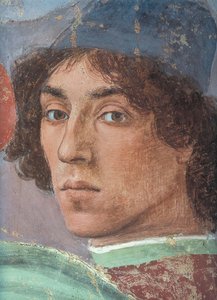
Filippino Lippi
1457 - 1504 , Itaalia
Lühikest infot
- Artistic Movement Or Style: Kõrgrenessanss
- Artists Or Movements Influenced By This Artist: ['Raffaellino del Garbo']
- Artists Who Influenced This Artist:
- Fra Filippo Lippi
- Sandro Botticelli
- Date Of Birth: Aprill 1457
- Date Of Death: Aprill 1504
- Full Name: Filippino Lippi
- Nationality: Itaallane
- Notable Artworks:
- Neitsi Maarja kroonimine
- Tobias ja ingel
- St. Jerome
- Elu stseenid
- Place Of Birth (City And Country): Prato, Itaalia
Sarnased artiklid

Filippino Lippi: Renaissance Innovation Bridging Faith & Humanism
Explore the captivating world of Filippino Lippi, a Renaissance master bridging faith & humanism through innovative art. Discover his key works, influences, and lasting legacy with OriginalUniqueArt.

Oil on Canvas: A Historical & Technical Exploration of a Timeless Artistic Medium
Explore the rich history & enduring techniques of oil painting on canvas. Discover the science behind its longevity, conservation practices, and contemporary relevance. Expert insights for art enthusiasts.

The Enduring Power of Painting: A Historical & Contemporary Exploration of Form and Emotion
Explore the rich history & enduring techniques of oil painting with OriginalUniqueArt. Discover masterpieces, learn about art collecting, and find authentic handmade reproductions crafted by skilled artists.
Filippo Lippi: Bridging Renaissance Devotion & Artistic Innovation
Explore the life & revolutionary art of Filippo Lippi, a pivotal Renaissance painter. Discover his masterpieces, influence on Botticelli, and investment potential. Expert analysis at OriginalUniqueArt.

The Enduring Legacy of Oil on Canvas: Technique, History & Aesthetic Impact
Explore the rich history & techniques of oil painting – from Renaissance masters to Impressionism. Discover pigments, layering methods, and why this timeless medium endures. Expert insights for artists & art enthusiasts.