

 Vaata sisu
 Jaga teost
 Jaga
Jaga
 Detailid
 Õppekate juhend

 Laadi alla
 Sarnased teosed
 Röntgenuuring
 Slaidietendus
 Statistika
St Jerome
 Oil On Canvas
- WallArt
- Renaissance Art
 1490
1490- Renaissance
 136.0 x 71.0 cm
 Uffizi galerii
 Loe lähemalt
Käsitsi valmistatud õlimaalireproduktsioon
Meie kunstnike poolt tellimusel valmistatud käsitsi maalitud õli-kainaste teos teie soovitud suuruses ja raamis. ( Lülita trükkitoodetele Ülemineku digitaalse pildi müügi kanalisse)




P118B €10

P118H €10

P118W €10

P438Z €10

P508JH €12

P508YH €12

P805H €10

P805Z €10

P919BZ €10

P919G €10

P919XJ €10

P959ZH €10

P968JZ €12

W106C €8

W218G €10

W218JH €8

W218Y €10

W307PJ €10

W316G €10

W316PJ €8

W316Y €10

W398PJ €8

W4111J €10

W500HY €15

W500JH €15

W692G €12

W849H €8

W940BG €15

W953PJ €8




Vali meie eelmääratud suurused, mis vastavad teose algupärastele proportsioonidele.

Sisestage vajalik laius ja kõrgus, et teos sobiks teie raamile või seinale. Kuna tegu on käsipainatud teosega, siis erineva kujuga suuruse korral võib kunstnik jätta pildi ümber veidi rohkem marginaali või lõigata osa ära — valik on teie. Enne maali alustamist saadame teile kinnitamiseks digitaalse näidisprojektsiooni. Sellel lehel näidatud pilt ei kajasta tegelikku tulemust — seda näitab ainult näidisprojekttsioon.
Pärast tellimust saadab OriginalUniqueArt.com meeskond kliendile e-posti juhised ning esitab eelvaate kavandi
Maailmline tarne 3–4 nädala jooksul tavalise 5 nädala asemel. (22 oktoober). Kvaliteedis kompromisse ei tehta.

Tasuta ekspresssaatmine üle maailma

Kõrgekvaliteediline lina-kangastest muld

Täielik transpordikindlustus

Tollimaksude tagastamise garantii

Värvitoime täpsuse garantii

100 päeva tagastusõigus (ainult defektide korral)

100% raha tagasi garantii

Hulgusoodustus
 Klaasivalik on saadaval ainult kuni 110 cm suuruses teostes

St Jerome
Reproduktsiooni materjal
Reproduktsiooni mõõtmed
-


Lõppsumma
€ 263
A Sanctuary of Silence: The Soul of Filippino Lippi’s St Jerome
In the quiet corners of the Galleria degli Uffizi, there exists a window into a world of profound stillness. Filippino Lippi’s St Jerome, executed around 1490, is not merely a portrait of a saint; it is an invitation to pause. As one gazes upon this oil on canvas masterpiece, the frantic pace of the modern world seems to dissolve, replaced by the heavy, sacred atmosphere of the High Renaissance. Lippi, the talented son of Fra Filippo Lippi, possessed a rare ability to bridge the gap between the divine and the human. In this work, he captures the essence of spiritual contemplation, presenting a figure that feels as much a part of our shared humanity as he is a vessel for the divine.
The composition draws the viewer into a moment of deep, internal dialogue. St Jerome is depicted in his characteristic state of scholarly devotion, seated against the rugged textures of a stone wall or rock. His posture—leaning forward with a hand pressed thoughtfully to his forehead—suggests a mind caught in the labyrinth of scripture and prayer. The light in the painting does not strike with harshness; rather, it is a diffused, natural glow that bathes the saint, highlighting the delicate folds of his simple robe and the weathered lines of his face. This masterful use of chiaroscuro creates a palpable sense of three-dimensionality, making the saint’s presence feel almost tangible within the frame.
Symbolism and the Natural World
Lippi weaves a rich tapestry of symbolism into the very landscape that surrounds his subject. The background is far from a mere backdrop; it is a living, breathing extension of Jerome's inner state. Mature trees and lush foliage frame the scene, suggesting the vitality of creation even amidst the saint's solitary asceticism. Perhaps most poignant is the subtle presence of the lion, tucked into the upper corner of the composition. This small but significant detail serves as a powerful nod to the hagiography of St Jerome, recalling the legend of the saint taming the wild beast by removing a thorn from its paw—a metaphor for the power of compassion to subdue even the most ferocious impulses.
The color palette is intentionally subdued, favoring earthy tones and soft shadows that reinforce the mood of penitence and peace. This restraint allows the viewer to focus on the subtle nuances of emotion: the slight furrow of a brow, the weight of a hand, the quiet dignity of age. For the collector or the lover of fine art, this painting offers more than visual beauty; it offers a psychological depth that resonates across centuries. It is a study in how light and shadow can be used to sculpt not just form, but feeling.
An Eternal Inspiration for the Modern Interior
For the discerning interior designer or the dedicated art enthusiast, a high-quality reproduction of St Jerome serves as a profound focal point. This is an artwork that demands a space of reflection—a study, a library, or a quiet corner of a living room where one might seek respite from the day's labors. The painting’s classical elegance and its mastery of Renaissance technique bring a sense of historical weight and intellectual sophistication to any environment.
Integrating such a piece into a contemporary setting allows for a beautiful tension between the old and the new. Whether paired with minimalist modern furniture or nestled within a more traditional, ornate decor, the emotive power of Lippi’s brushwork remains undiminished. To possess a reproduction of this work is to bring a fragment of the Florentine Renaissance into one's own home, ensuring that the spirit of contemplation and the beauty of classical humanism continue to inspire generations to come.
Küsimused ja vastused
Kas saan näha teose „St Jerome“, autor Filippino Lippi röntgenpilti?
Teose „St Jerome“, autor Filippino Lippi röntgenvaade on saadaval selle Röntgenkiirgus lehel: see on interaktiivne pildi uurimine läbi üheksateist optilise kihti.
Kuidas saan vaadata reproduktsiooni teosele „St Jerome“, autor Filippino Lippi?
Teavet lehel Eelvaade teose "St Jerome" kohta võimaldab teil teost enne tellimist eelvaatata.
Milline paigutus sobib teose „St Jerome“, autor Filippino Lippi formaadile?
Olles vormilt Tall, on teose "St Jerome" reproduktsiooni soovitatud kasutada ruumis Living Room.
Kunstniku elulugu
Varajane Elu ja Koolkonna Algus
- Sünd: 1457. aasta aprillis Pratos, Itaalias.
- Surm: 1450. aasta aprillis.
- Vanemad: Fra Filippo Lippi (maalija) ja Lucrezia Buti.
- Filippino oli tuntud maalikunstniku ebaseaduslik poeg. Tema isa, Fra Filippo Lippi, oli oluline tegelane varajase renessansi kunstis, kuulus oma graatsiliste madonnade ja uuendusliku kompositsiooni poolest.
- Varajane koolitus isa juures pani aluse tema kunstikarjäärile. Noore Filippino õppis isa ateljees, omandades põhilised maalimistehnikad ja stiili nüansid. See varajane periood oli määrav tema hilisemate tööde arengus, kuigi tema isiklik hääl hakkas kujunema alles hiljem.
Kunstiline Karjäär ja Areng
- Varajane Periood (1475-1480): Esimesed tööd, nagu madonnad, näitasid vähem lihvitud stiili. Need omistati algselt anonüümsele kunstnikule, tuntud kui "amico di Sandro". See periood iseloomustas katsetusi ja õppimist, kus Filippino püüdis leida oma kohta renessansi kunstimaastikus.
- Evolutsioon (1480-1485): Isiklikuma ja efektiivsema lähenemise arendamine töödes nagu *Tobias'i teekonnad*. See etapp tähistas tema stiili küpsemist, kus ta hakkas loobuda isa varajastest mõjudest ja väljendama oma ainulaadset visiooni.
- Küpsus (1485-1504): Kõrgrenessansi stiili valdamine, mida näitab *Kristuse ilmutus Neitsi Maariale*. See periood on tema karjääri tippaeg, kus ta demonstreeris suurepärast tehnilist oskust ja sügavat arusaama kunstilisest kompositsioonist.
Peamised Teosed ja Koostööd
- Koostöö Peruginoga, Ghirlandaioga ja Botticelliga freskode loomisel Lorenzo de' Medici villa jaoks. See koostöö oli oluline võimalus Filippino jaoks töötada koos oma aja silmapaistvate kunstnikega, õppides neilt uusi tehnikaid ja stiile.
- Masaccio poolelioleva kaunistuse lõpetamine Brancacci kabelis Masolino kõrval. See projekt oli eriti oluline, kuna see võimaldas Filippino'l austada renessansi kunstiajaloo varajast meistrit ja jätkata tema loomingut.
- Tuntud teosed: *Neitsi Maarja kroonimine*, *Tobias ja ingel*, *Püha Jeremius* ja *St Thomas Aquinase elust pärit stseen*. Need tööd demonstreerivad Filippino ainulaadset stiili, mis ühendab graatsilised vormid, intensiivsed värvid ja detailseid maastikke.
Mõjud ja Kunstiline Stiil
- Varajased Mõjud: Sandro Botticelli, Fra Filippo Lippi. Tema isa varajane stiil oli tema jaoks oluline lähtekoht, kuid ta sai ka inspiratsiooni teistelt renessansi kunstnikelt nagu Botticelli, kelle töödes hindas ta graatsilisust ja elegantsi.
- Stiili Omadused: Elav vorm ja joon, soe kolorism, detailseid maastikke, väljendusrikkaid figuure ja perspektiivigeomeetria segu intiimsete interjööridega. Filippino stiil on iseloomulik tema oskus luua dünaamilisi kompositsioone, mis täis elavust ja emotsiooni.
- Antiiksed Värvid: Uuringud Rooma antiikide järgi Roomas mõjutasid tema tööd, lisades kunsti antiikset sõnavara. See huvi klassikalise kunsti vastu kajastus tema töödes figuuride proportsioonides ja kompositsioonis.
Ajalooline Tähtsus ja Pärand
- Florenzi juhtiv esindaja suurete freskotsüklite traditsioonis. Filippino oli oluline tegelane renessansi kunstis, aidates säilitada ja arendada fresko maalimise traditsiooni.
- Tema mõju kõrgrenessansile on vaieldamatu. Tema tööd olid inspiratsiooniks paljudele hilisematele kunstnikele, kes hindasid tema tehnilist oskust ja loomingulist visiooni.
- Teoseid leidub maailma muuseumides, sealhulgas Firenze Uffizi galeriis. See tunnistab tema rahvusvahelist tuntust ja olulisust kunstiajaloo seisukohast.
- Tuntud varajaste renessansi stiilide ja uue kõrgrenessansi esteetika vahelise lüli ühendajana. Filippino Lippi oli ainulaadne kunstnik, kes suutis ühendada erinevaid stiile ja traditsioone, luues oma isikliku ja väljendusrikka kunsti.
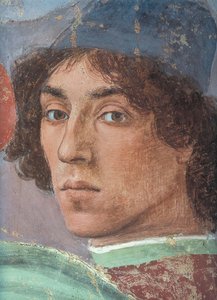
Filippino Lippi
1457 - 1504 , Itaalia
Lühikest infot
- Artistic Movement Or Style: Kõrgrenessanss
- Artists Or Movements Influenced By This Artist: ['Raffaellino del Garbo']
- Artists Who Influenced This Artist:
- Fra Filippo Lippi
- Sandro Botticelli
- Date Of Birth: Aprill 1457
- Date Of Death: Aprill 1504
- Full Name: Filippino Lippi
- Nationality: Itaallane
- Notable Artworks:
- Neitsi Maarja kroonimine
- Tobias ja ingel
- St. Jerome
- Elu stseenid
- Place Of Birth (City And Country): Prato, Itaalia
Sarnased artiklid
Uffizi Galeri 25 Kunsti Helmi: Renessansi Meisterteosed Teie Kodus
Avastage Uffizi galerii 25 suurimat meistriteost! Sukeldume renessansi kunstimaailma – Leonardo da Vinci, Botticelli ja Michelangelo lood. Leidke täiuslik maali oma kodukaunistuseks OriginalUniqueArt.com-is.
Rahvusgalerii parimad 25 teost Washingtonis: Kunsti meistriteosed kodus
Avastage Rahvusgalerii Washingtoni 25 parimat teost! Sukeldu Cézanne'i, Matisse'i ja Picasso maalidest inspireeritud kunstiajalukku. Leidke täiuslik seinakaunistus või luksuslik reproduktsioon kodusse OriginalUniqueArt.com-is. Vaadake kogu kollektsiooni online!
Filippo Lippi: Bridging Renaissance Devotion & Artistic Innovation
Explore the life & revolutionary art of Filippo Lippi, a pivotal Renaissance painter. Discover his masterpieces, influence on Botticelli, and investment potential. Expert analysis at OriginalUniqueArt.
Rahvusgalerii Londoni 25 meistriteost: Kunstiklassika ja kodukaunistuse inspiratsioon
Avastage Rahvusgalerii Londoni 25 ikoonilist meistriteost! Sukelduge Van Goghi, Moneti ja Rembrandti maailma. Kunstireprodutsioonid ja inspiratsioon kodukaunistuseks OriginalUniqueArt.com-is. Vaadake kollektsiooni!

Filippino Lippi: Renaissance Innovation Bridging Faith & Humanism
Explore the captivating world of Filippino Lippi, a Renaissance master bridging faith & humanism through innovative art. Discover his key works, influences, and lasting legacy with OriginalUniqueArt.