

 Vaata sisu
 Jaga teost
 Jaga
Jaga
 Detailid
 Õppekate juhend

 Laadi alla
 Sarnased teosed
 Röntgenuuring
 Slaidietendus
 Statistika
Annunciation


 Loe lähemalt
Giclée / Kunstiprint
Muuseumikvaliteediga giclée- või kangasprint kiire tootmisega ja paindlikud viimistlusvõimalused. ( Telli käsitsi maalitud reproduktsioon Ülemineku digitaalse pildi müügi kanalisse)




P118B €10

P118H €10

P118W €10

P438Z €10

P508JH €12

P508YH €12

P805H €10

P805Z €10

P919BZ €10

P919G €10

P919XJ €10

P959ZH €10

P968JZ €12

W106C €8

W218G €10

W218JH €8

W218Y €10

W307PJ €10

W316G €10

W316PJ €8

W316Y €10

W398PJ €8

W4111J €10

W500HY €15

W500JH €15

W692G €12

W849H €8

W940BG €15

W953PJ €8




Vali meie eelmääratud suurused, mis vastavad teose algupärastele proportsioonidele.

Sisestage vajalik laius ja kõrgus, et see sobiks teie raamile või seinale. Trükki saab ainult lõigata, seda ei saa kunagi pildist suuremaks teha, seega ka differentse vormiga suurus kaotab osa pildist. Enne trükkimist saadame teile kinnitamiseks digitaalse näidisprojektsiooni. Sellel lehel näidatud pilt ei kujuta reaalset lõiget — seda näitab ainult näidisprojekttsioon.
Ülemaailmne tarne () 2 nädala jooksul, tavalise 4/5 nädala asemel. (24 oktoober)

Tasuta ekspresssaatmine üle maailma

Kõrgekvaliteediline lina-kangastest muld

Täielik transpordikindlustus

Tollimaksude tagastamise garantii

Värvitoime täpsuse garantii

100 päeva tagastusõigus (ainult defektide korral)

100% raha tagasi garantii

Hulgusoodustus
 Klaasivalik on saadaval ainult kuni 110 cm suuruses teostes

Annunciation
Giclée / Kunstiprint
Reproduktsiooni mõõtmed
-


Lõppsumma
€ 70
The Annunciation: A Renaissance Dialogue of Light and Grace
Filippino Lippi’s “Annunciation,” painted in 1489 for the Medici family’s villa near Florence, is more than just a depiction of a pivotal biblical moment; it's a masterful orchestration of light, color, and human emotion. This fresco, now residing within the serene walls of Santa Maria sopra Minerva, offers a glimpse into the burgeoning artistic spirit of the High Renaissance – a period defined by its renewed interest in classical ideals and a profound exploration of human experience.
The scene itself is instantly recognizable: the angel Gabriel, rendered with an almost startlingly youthful energy, delivers the momentous news to Mary. Lippi’s genius lies not merely in his accurate portrayal of the figures but in his manipulation of space and atmosphere. The interior setting, though somewhat simplified, feels remarkably real – a modest chamber furnished with a chair, books, and a table, suggesting a domestic tranquility disrupted by this divine visitation. Note the careful attention to detail: the folds of Mary’s garments, the delicate rendering of Gabriel's wings, and the subtle play of light on the objects within the room all contribute to an immersive experience for the viewer.
A Symphony of Color and Technique
Lippi was a master of tempera paint, a medium known for its luminous quality and ability to achieve rich, vibrant colors. He employed a technique called *sfumato*, blurring lines and softening edges to create an ethereal effect – particularly evident in the hazy light that bathes the scene. The palette is dominated by warm hues: reds, golds, and ochres—reflecting the importance of Mary’s role as the Mother of God. The use of perspective, though not entirely rigorous by Renaissance standards, creates a sense of depth and spatial awareness, drawing the viewer into the heart of the narrative.
Furthermore, Lippi's brushwork is remarkably expressive. Observe how he captures the movement of Gabriel’s hand as he presents the message to Mary, or the gentle curve of her neck in response. These subtle gestures convey a profound sense of emotion and vulnerability – a testament to Lippi’s ability to imbue his figures with life.
Symbolism and Spiritual Resonance
The “Annunciation” is rich in symbolic meaning. Gabriel, often depicted as youthful and radiant, represents divine grace and the messenger of God's will. Mary, presented as a modest and contemplative figure, embodies humility and acceptance. The dove hovering above them symbolizes the Holy Spirit – the source of life and inspiration. The open book on the table is a subtle reference to scripture and the importance of faith.
Beyond these immediate symbols, the painting speaks to broader themes of communication, revelation, and the transformative power of divine grace. It’s a moment of profound significance—the beginning of a new era in Christian theology and art. The composition itself can be interpreted as a dialogue between heaven and earth, between the spiritual realm and the human world.
A Timeless Masterpiece for Reflection
“Annunciation” by Filippino Lippi remains a powerful and moving work of art. Its beauty lies not only in its technical brilliance but also in its ability to evoke a sense of wonder and contemplation. Whether viewed as a historical document, a religious icon, or simply a stunning example of Renaissance artistry, this fresco continues to captivate audiences centuries after its creation. Reproductions offer an accessible way to experience the depth and nuance of Lippi’s vision, bringing this timeless dialogue of light and grace into any space.
Useful Links:
- Annunciation (Filippo Lippi, London) - Wikipedia
- Annunciation 1489-91 Reproduction For Sale | 1st Art Gallery
- The National Gallery, London
Additional Research:
Küsimused ja vastused
Milline paigutus sobib teose „Annunciation“, autor Filippino Lippi formaadile?
Formaat (Portrait) ja soovitatav ruum (Living Room) on kaks teosest „Annunciation“, autor Filippino Lippi saadud paigutusandmet.
Milline on teose "Annunciation" atmosfäär?
Teose „Annunciation“, autor Filippino Lippi meeleolu on kirjeldatud kui Calm. See klassifikatsioon võib aidata leida teosele sobiva sisekujunduse.
Milline ruum sobib kokku teose „Annunciation“, autor Filippino Lippi värvidega?
Olles värvipalett Earthy, on teos „Annunciation“, autor Filippino Lippi soovitatav ruumideks Living Room. Just needistlikud toonid on üks põhjuseid selle soovituse taga.
Kunstniku elulugu
Varajane Elu ja Koolkonna Algus
- Sünd: 1457. aasta aprillis Pratos, Itaalias.
- Surm: 1450. aasta aprillis.
- Vanemad: Fra Filippo Lippi (maalija) ja Lucrezia Buti.
- Filippino oli tuntud maalikunstniku ebaseaduslik poeg. Tema isa, Fra Filippo Lippi, oli oluline tegelane varajase renessansi kunstis, kuulus oma graatsiliste madonnade ja uuendusliku kompositsiooni poolest.
- Varajane koolitus isa juures pani aluse tema kunstikarjäärile. Noore Filippino õppis isa ateljees, omandades põhilised maalimistehnikad ja stiili nüansid. See varajane periood oli määrav tema hilisemate tööde arengus, kuigi tema isiklik hääl hakkas kujunema alles hiljem.
Kunstiline Karjäär ja Areng
- Varajane Periood (1475-1480): Esimesed tööd, nagu madonnad, näitasid vähem lihvitud stiili. Need omistati algselt anonüümsele kunstnikule, tuntud kui "amico di Sandro". See periood iseloomustas katsetusi ja õppimist, kus Filippino püüdis leida oma kohta renessansi kunstimaastikus.
- Evolutsioon (1480-1485): Isiklikuma ja efektiivsema lähenemise arendamine töödes nagu *Tobias'i teekonnad*. See etapp tähistas tema stiili küpsemist, kus ta hakkas loobuda isa varajastest mõjudest ja väljendama oma ainulaadset visiooni.
- Küpsus (1485-1504): Kõrgrenessansi stiili valdamine, mida näitab *Kristuse ilmutus Neitsi Maariale*. See periood on tema karjääri tippaeg, kus ta demonstreeris suurepärast tehnilist oskust ja sügavat arusaama kunstilisest kompositsioonist.
Peamised Teosed ja Koostööd
- Koostöö Peruginoga, Ghirlandaioga ja Botticelliga freskode loomisel Lorenzo de' Medici villa jaoks. See koostöö oli oluline võimalus Filippino jaoks töötada koos oma aja silmapaistvate kunstnikega, õppides neilt uusi tehnikaid ja stiile.
- Masaccio poolelioleva kaunistuse lõpetamine Brancacci kabelis Masolino kõrval. See projekt oli eriti oluline, kuna see võimaldas Filippino'l austada renessansi kunstiajaloo varajast meistrit ja jätkata tema loomingut.
- Tuntud teosed: *Neitsi Maarja kroonimine*, *Tobias ja ingel*, *Püha Jeremius* ja *St Thomas Aquinase elust pärit stseen*. Need tööd demonstreerivad Filippino ainulaadset stiili, mis ühendab graatsilised vormid, intensiivsed värvid ja detailseid maastikke.
Mõjud ja Kunstiline Stiil
- Varajased Mõjud: Sandro Botticelli, Fra Filippo Lippi. Tema isa varajane stiil oli tema jaoks oluline lähtekoht, kuid ta sai ka inspiratsiooni teistelt renessansi kunstnikelt nagu Botticelli, kelle töödes hindas ta graatsilisust ja elegantsi.
- Stiili Omadused: Elav vorm ja joon, soe kolorism, detailseid maastikke, väljendusrikkaid figuure ja perspektiivigeomeetria segu intiimsete interjööridega. Filippino stiil on iseloomulik tema oskus luua dünaamilisi kompositsioone, mis täis elavust ja emotsiooni.
- Antiiksed Värvid: Uuringud Rooma antiikide järgi Roomas mõjutasid tema tööd, lisades kunsti antiikset sõnavara. See huvi klassikalise kunsti vastu kajastus tema töödes figuuride proportsioonides ja kompositsioonis.
Ajalooline Tähtsus ja Pärand
- Florenzi juhtiv esindaja suurete freskotsüklite traditsioonis. Filippino oli oluline tegelane renessansi kunstis, aidates säilitada ja arendada fresko maalimise traditsiooni.
- Tema mõju kõrgrenessansile on vaieldamatu. Tema tööd olid inspiratsiooniks paljudele hilisematele kunstnikele, kes hindasid tema tehnilist oskust ja loomingulist visiooni.
- Teoseid leidub maailma muuseumides, sealhulgas Firenze Uffizi galeriis. See tunnistab tema rahvusvahelist tuntust ja olulisust kunstiajaloo seisukohast.
- Tuntud varajaste renessansi stiilide ja uue kõrgrenessansi esteetika vahelise lüli ühendajana. Filippino Lippi oli ainulaadne kunstnik, kes suutis ühendada erinevaid stiile ja traditsioone, luues oma isikliku ja väljendusrikka kunsti.
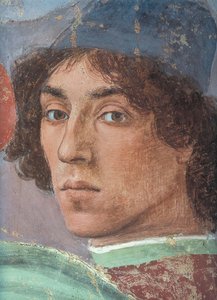
Filippino Lippi
1457 - 1504 , Itaalia
Lühikest infot
- Artistic Movement Or Style: Kõrgrenessanss
- Artists Or Movements Influenced By This Artist: ['Raffaellino del Garbo']
- Artists Who Influenced This Artist:
- Fra Filippo Lippi
- Sandro Botticelli
- Date Of Birth: Aprill 1457
- Date Of Death: Aprill 1504
- Full Name: Filippino Lippi
- Nationality: Itaallane
- Notable Artworks:
- Neitsi Maarja kroonimine
- Tobias ja ingel
- St. Jerome
- Elu stseenid
- Place Of Birth (City And Country): Prato, Itaalia
Sarnased artiklid

Dante Gabriel Rossetti 25 parimat teost: kunstiline pärand ja kodukaunistuse inspiratsioon
Avastage Dante Gabriel Rossetti 25 parimat teost! Sukeldume viktoriaanliku romantika ja Pre-Raphaelite kunstiliikumise maailma. Leidke inspiratsiooni kodukaunistuseks ning ostke kvaliteetseid Rossetti reproduktsioone OriginalUniqueArt.com-is. Avastage kogu kollektsioon online!

Celestial Messengers: A Comprehensive Exploration of Angelic Representation in Art History
Explore the captivating history of angels in art! Discover symbolism, iconic Renaissance masterpieces & renowned artists. Expert insights for art lovers & collectors at OriginalUniqueArt.
Perekonna pärandi säilitamine seinamaalingute kaudu: Freskode kunstiline ja kultuurilooline kontekst tänapäevas
Avastage freskode kunstiline ja ajalooline väärtus! Professionaalne konserveerimine ja restaureerimine perekonna pärandi säilimiseks. Kvaliteet, autentsus ja ekspertteadmised OriginalUniqueArt-is.

Celestial Messengers: Angels in Painting – A Historical & Artistic Exploration
Explore the captivating history of angels in painting! Discover symbolism, iconic Renaissance & Byzantine masterpieces, and renowned artists. Expert insights for art lovers & collectors at OriginalUniqueArt.
The Enduring Legacy of Fresco Painting: Techniques, History & Contemporary Relevance
Explore the rich history & enduring artistry of fresco painting – from Giotto to Michelangelo! Discover techniques, conservation efforts, & modern applications. Learn how OriginalUniqueArt brings this timeless art form to your home.