
 Eelvaade
 Saada
Saada Jaga
Jaga
 Teave teose kohta
 Juhend

 Laadi alla
 Sarnased teosed
 Röntgenuuring
 Slaidietendus
 KÜSIMUSED JA VASTUSID
 Statistika
The album ''Circus'''


 Loe lähemalt
Giclée / Kunstiprint
Muuseumikvaliteediga giclée- või kangasprint kiire tootmisega ja paindlikud viimistlusvõimalused. ( Osta käsitsi maalatud teos Lülita digitaalse pildi juurde)




P118B €10

P118H €10

P118W €10

P438Z €10

P508JH €12

P508YH €12

P805H €10

P805Z €10

P919BZ €10

P919G €10

P919XJ €10

P959ZH €10

P968JZ €12

W106C €8

W218G €10

W218JH €8

W218Y €10

W307PJ €10

W316G €10

W316PJ €8

W316Y €10

W398PJ €8

W4111J €10

W500HY €15

W500JH €15

W692G €12

W849H €8

W940BG €15

W953PJ €8




Vali meie eelmääratud suurused, mis vastavad teose algupärastele proportsioonidele.

Sisestage vajalik laius ja kõrgus, et see sobiks teie raamile või seinale. Trükki saab ainult lõigata, seda ei saa kunagi pildist suuremaks teha, seega ka erineva mustega suurus kaotab osa pildist. Enne trükkimist saadame teile kinnitamiseks digitaalse näidisprojektsiooni. Sellel lehel näidatud pilt ei kujuta reaalset lõiget — seda näitab ainult näidisprojektsioon.
Ülemaailmne tarne () 2 nädala jooksul, tavalise 4/5 nädala asemel. (6 november)

Tasuta ekspresssaatmine üle maailma

Kõrgekvaliteediline lina-kangas

Täielik transpordikindlustus

Tollimaksude tagastamise garantii

Värvitoime täpsuse garantii

100 päeva tagastusõigus (ainult valmistusdefektide korral)

100% raha tagasi garantii

Hulgusoodustus
 Klaasivalik on saadaval ainult kuni 110 cm suuruses teostes

The album ''Circus'''
Giclée / Kunstiprint
Reproduktsiooni suurus
-


Koguhind
€ 72
A Modern Allegory: Decoding Fernand Léger’s ‘The Album “Circus”’
Fernand Léger's 1950 work, *“The album ''Circus''”,* is more than a simple depiction of entertainment; it’s a powerful visual statement about the burgeoning modern age and humanity’s relationship with its technological advancements. Created in the aftermath of World War II, this piece resonates with an optimistic energy, a belief in rebuilding and embracing a future shaped by industry and innovation. The artwork presents a robust figure powerfully gripping a large wheel – a motif that immediately transcends the playful connotations of a circus act. Instead, Léger imbues the image with layers of symbolism, suggesting not just dynamism but also the relentless cycle of life, the gears of progress, and even the passage of time itself. The heroic stance of the central figure isn’t merely physical strength; it embodies mastery over these forces, a confident assertion of control in an increasingly mechanized world. It's a compelling image – a modern-day Atlas shouldering not a world, but the potential of the machine age.Tubism and Beyond: Léger’s Distinctive Style
Léger was a pioneer in developing what became known as “Tubism,” a distinctive branch of Cubism characterized by its emphasis on cylindrical and geometric forms. *“The album ''Circus''”* exemplifies this approach with striking clarity. Flattened perspectives, bold outlines, and simplified shapes are hallmarks not only of Léger’s work but also of the broader Art Deco and Constructivist movements that celebrated machine aesthetics and functional design. However, Léger didn't simply depict machines; he integrated their visual language into the very structure of his art. This creates a sense of order, precision, and forward momentum, transforming the canvas into a dynamic representation of modernity. The limited palette – dominated by red, yellow, black, and white – further enhances this impact, lending graphic clarity to the composition and reinforcing its design-focused aesthetic. The technique appears to be drawing with potential color application using mediums like markers or colored pencils on paper, adding to the work’s immediate and impactful quality.Historical Echoes: A Vision Forged in a Changing World
To understand *“The album ''Circus''”* fully, it's crucial to consider Fernand Léger’s life and times. Born in 1881, he witnessed firsthand the dramatic social and technological shifts of the late 19th and early 20th centuries. Initially trained as an architect, Léger was deeply influenced by the rise of industrialization and the burgeoning machine age. His artistic evolution reflects this experience; moving from early Impressionistic influences to embrace Cubism before forging his own unique style that celebrated the beauty and power inherent in machines – not as threats to humanity, but as tools for progress. The post-war context of 1950 is also significant. *“The album ''Circus''”* can be interpreted as a hopeful declaration, an optimistic vision for rebuilding and embracing a future where technology serves human advancement. It’s a testament to the enduring spirit of innovation and resilience in the face of adversity.Emotional Resonance and Contemporary Appeal
Despite its stylized and somewhat detached aesthetic, *“The album ''Circus''”* evokes powerful emotions – strength, determination, and optimism. The figure's unwavering gaze and firm grip convey a sense of confidence and control, while the dynamic composition suggests relentless energy and forward motion. Today, this artwork continues to resonate with viewers because it speaks to universal themes of human ambition, technological innovation, and the enduring spirit of progress. Its bold aesthetic makes it a compelling statement piece for modern interiors, bringing a touch of sophisticated energy and historical significance to any space. It’s not merely an image; it's a visual embodiment of hope and possibility – a reminder that even in the face of complexity, humanity has the power to shape its own destiny.Korduvad küsimused
Kust saan leida sarnaseid teoseid kui „The album ''Circus'''“, autor Fernand Léger?
Teosed, mis sarnanevad teosega "The album ''Circus'''", on loetletud selle teose Sarnased teosed lehel.
Kust kohalt Fernand Léger korduvad teemad teoses "The album ''Circus'''" ilmumisel?
"The album ''Circus'''" kujutab teemasid industry, modernity, strength, machines, circus, tubism, progress, dynamism, samal ajal kui Fernand Léger tuntud teemad on cubism & art deco fusion, celebration of modernity, industrial age optimism, machine aesthetic focus, mature style synthesis, post-wwii rebuilding hope, human vs. technology theme. Nende kahe võrdlemine näitab, kuidas teos seobub kunstniku tavalistega motiividega.
Milline on teose „The album ''Circus'''“, autor Fernand Léger värvitoit?
Teose "The album ''Circus'''" värvipalett on koonuse方面 Subtle Color.
Kunstniku elulugu
Fernand Légeri Elu ja Pärand: Masinaaja Vaimustuses
Joseph Fernand Henri Léger, sündinud 1881. aastal Argentanis Normandias, oli prantsuse kunstnik, keda peetakse üheks olulisimaks kujuks modernismi arendamisel. Tema teekond maalijana algas lihtsatest juurtest – talupidaja poja kasvatuses –, kuid viis ta Pariisi avantgardisti ringkondadesse, kus ta lõi ainulaadset visuaalset keelt, mis peegeldas masinaaja vaimu ja muutis kunstimaailma. Léger ei põgenenud abstraktsiooni varjupaika nagu paljud tema kaasaajalased; pigem püüdis ta integreerida modernsuse – selle dünaamilisust, mehaanilisi vorme ja olemust – oma loomingusse, luues nii võimsalt abstraktsed kui ka sügavalt vaadeldavale maailmale juurdunud teosed. Tema varajane elu, mis oli läbi imbunud põllumajandusliku töö reaalsusest, pakkis tugeva kontrasti tööstuslikule tulevikule, millele ta nii kirglikult pühendus."Tubismi" Sünd ja Kulla Sektsiooni Liikumine
Légeri kunstiline tee pöördeliseks hetkeks kujunes Paul Cézanne'i retrospektiiv 1907. aastal. See sündmus vabastas Légeri konventsionaalsest esindamisest ning suunas ta poole rohkem geomeetrilise ja struktuuralise lähenemise suunda. Ta hakkas vorme dekonstrueerima, analüüsima nende põhivorme ja ümber ehitama lõuendile uut rõõmu asetades tahkusele ja mahule. See uurimine viis ta kiiresti kubismi orbiidile, kuid Léger ei soovinud lihtsalt Picasso või Braque'i stiili jäljendada. Ta arendas omaenda eripära – isikliku kubismi vormi, mida kriitikud mänguliselt hüüdisid "tubismiks". Tüüpiliseks tunnuseks olid silindrilised vormid, lamedad tasandid ja julged värvikontrastid, mis tähistasid masina esteetikat ammu enne kui see sai laialdasemaks kunstiliseks tegevuseks. See oli kunst, mis sündis kasvava tööstusmaailma vaatlemisest, tunnustades ilu selle funktsionaalsetes vormides ja mehaanilistes rütmides. Aastatel 1909–1914 osales Léger aktiivselt avantgardisti tegevuses, liitudes Jean Metzingeri, Henri Laurensi, Jacques Lipchitzi, Chaïm Soutine'i, Robert Delaunay ja teiste kunstnikega.Sõda, Mehhaniseerimine ja Uus Esteetika
Esimene maailmasõda mõjutas sügavalt Légeri elu ja tööd. Frontis teenistuses aastatel 1914–1916 tutvus ta kaasaegse sõja brutaalse reaalsusega – suurtükipommardamistest, õhulahingutest ja mehaanika dehumaniseerivatest mõjudest. See kogemus ei viinud pettumusse ega modernsuse hüljatesse; pigem tuletas see veelgi rohkem rõhutama tema masinatele pühendumist ja nende võimu. Tema teenistusaegadel tehtud joonistused dokumenteerisid sõjalise tehnoloogia karmi ilu, muutes hävitusvahendid kunstilise kaalutluse objektideks. Naasmisel tsiviil-ellu läks Légeri esteetika veelgi edasi arendades. Tema maalidel hakkasid kajastuma lihtsustatud mehaanilised tunded, tähistades tööstusmaailma dünaamilisust ja tõhusust. *Sõdur suitsega* (1916) näitab seda muutust, kujutades lihtsaid vorme ja julgeid värve, mis kutsuvad esile mehaanilise täpsuse tunde. See ei olnud pelgalt esteetiline valik; see oli filosoofiline avaldus – kinnitus modernsuse potentsiaalile edeneda ja uueneda isegi hävitava konflikti järel.Pärand ja Püsiv Mõjutus
Sõjajärgsetel aastatel jätkas Léger tööstusmaailma ristumiskoha uurimist, lootes teoseid, mis tähistasid modernset elu ainulaadse värvimuhingu abil abstraktsiooni ja kujutuse vahel. Tema *Paysages animés* (Animeritud Maastikud) sarjast 1921. aastal näitasid figuuride ja loomade sujuvat integreerimist lihtsustatud kompositsioonidesse, hägustades piire orgaanilise ja anorgaanilise vahel. Ta eksperimenteeris ka skulptuuriga ja filmitegemisega, laiendades oma kunstipraktikat traditsiooniliste maalide piirde väljast. Légeri mõju järgmisele kunstnike põlvkondadele on eitamatud. Tema vormi julge lihtsus, tööstusliku kujutise omaksvõtmine ja populaarkultuuri tähistamine eelnenud Pop Art tekkimist aastakümneid hiljem. Sellised kunstnikud nagu Roy Lichtenstein ja Andy Warhol on selgelt võlgnud Légeri pioniiri tööd. Ta sillutas vahet abstraktsiooni ja kujutava esituse vahel, näitudes, et on võimalik luua teoseid, mis on nii intellektuaalselt ranged kui ka visuaalselt kaasahaaravad. Tänapäeval leidub Fernand Légeri maalide koosseisus suuremates muuseumides üle maailma, sealhulgas Prantsuse Musée d'Art et d'Histoire ja Biot's asuvas Musée National Fernand Légeris, mis on pühendatud ainult tema tööle. Ta jääb 20. sajandi kunsti hiiglasseks – visionäär, kes julges leida ilu masinaaja seest ja tõlkida selle lõuendile võrratu julgusega ja originaalsusega. Tema pärand on mitte ainult maalijana, vaid ka modernsuse prohvetina. Tõeline pioneer, kelle töö kõlab täna publikus endiselt.
Fernand Léger
1881 - 1955 , Prantsusmaa
Lühikest infot
- Artistic Movement Or Style: Kubism, Tubism
- Artists Or Movements Influenced By This Artist: ['Pop Art']
- Artists Who Influenced This Artist: ['Paul Cézanne']
- Date Of Birth: 4. veebruar 1881
- Date Of Death: 17. august 1955
- Full Name: Fernand Léger
- Nationality: Prantsuse
- Notable Artworks:
- The Sitted Woman
- Machine Element
- The Great Parade
- The City
- Place Of Birth: Argentan, Prantsusmaa
Sarnased artiklid
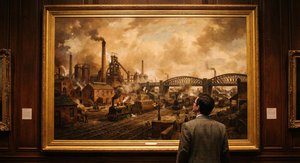
Industrial Revolution on Canvas: 10 Artworks That Define a Modern Aesthetic
Explore 10 iconic artworks capturing the Industrial Revolution’s grit & beauty. From Monet to Manet, discover realism, impressionism & powerful scenes of urban life. Find museum-quality reproductions for your home at OriginalUniqueArt.com.

Modern Geometry & Machine Age Beauty: A Collector's Guide to the Cubist Vision of Fernand Léger
Explore the profound geometric mastery of Fernand Léger. Discover how his 'Tubism' and Machine Age aesthetics redefined modern art, offering timeless inspiration for discerning collectors seeking to integrate Cubist dynamism into sophisticated contemporary interiors.

Modern Geometry & Machine Age Beauty: A Collector's Guide to the Cubist Vision of Fernand Léger
Explore the vibrant world of Fernand Léger. Discover how his 'Tubism' and Machine Age aesthetics redefined modern art, offering profound inspiration for discerning collectors seeking geometric beauty and industrial dynamism.

Steel & Soul: Capturing the Power of the Machine Age Through Masterful Artworks
Explore the profound intersection of industry and artistry. Discover museum-quality reproductions of Machine Age masterpieces by Léger and Rivera, curated for elite collectors seeking to infuse luxury interiors with the powerful, geometric soul of industrial progress.

Fernand Légeri 25 parimat teost: modernse kunsti meistriteosed teie interjööri jaoks
Avastage Fernand Légeri 25 parimat teost! Sukelduge modernse kunsti, kubismi ja tubismi maailma. Leidke inspiratsiooni interjööridisainiks ning ostke kvaliteetseid kunstireproduktsioone OriginalUniqueArt.com-ist. Avastage kogu kollektsioon veebis!


