Symbolism · 1911
Unity (Ferdinand Hodler, 1911)
Ferdinand Hodler (1853–1918) on loonud teose Unity. See on pärinev 1911 aastast. See kuulub Symbolism suuntrime. Teos on valmistatud materjalist Painting. Mõõdud on 1 × 475 cm.
- 1911
- Painting
- 1 × 475 cm

 Eelvaade

 Käsitsi maalatud õlimaalatsioon
 Saada
 Jaga
 Teave teose kohta


 Laadi alla
 Sarnased teosed
 Röntgenuuring
 Slaidietendus
 KÜSIMUSED JA VASTUSID

 Statistika
Unity lühidalt
- Pealkiri
- Unity
- Kunstnik
- Ferdinand Hodler (1853–1918)
- Kunstnik on sündinud
- Bern, Šveits
- Kuupäev
- 1911
- Tehnika
- Painting
- Mõõtmed
- 1 × 475 cm
- Suunad
- Symbolism
- Aeglkond
- Modern
- Teema
- symbolism, mural, unity, people, group portrait, swiss art
Mida Unity kujutab?
A Symphony of Human Connection
In the monumental mural Unity, created in 1911, Ferdinand Hodler presents a profound meditation on the collective human spirit. This expansive work, stretching across an impressive scale, transcends mere portraiture to become a rhythmic tapestry of existence. The composition is masterfully arranged in rows of figures that seem to pulse with a shared vitality; some individuals press toward the foreground with palpable presence, while others recede into the background, creating a sense of depth that draws the viewer into their communal orbit. Each figure, meticulously rendered with distinct features and emotive expressions, contributes to a larger, singular heartbeat. As eyes wander across the canvas, one notices the subtle details—the gentle grip on a bowl, the quiet posture of a cup held in hand—elements that ground this grand symbolic vision in the intimate realities of daily life.
The technique employed by Hodler is a testament to his pioneering concept of parallelism, a stylistic hallmark where repetitive forms and rhythmic arrangements create a sense of structural harmony. In Unity, this is achieved through the deliberate placement of bodies and limbs that echo one another, weaving a visual cadence that guides the viewer's gaze through the crowd. The artist’s brushwork, though detailed enough to capture the unique character of each face, serves a higher purpose: to unify the disparate individuals into a cohesive whole. This balance between individual identity and collective rhythm is what makes the mural so captivating for the modern observer, offering a visual language that speaks of both the singular soul and the strength found in togetherness.
Symbolism and the Weight of History
To understand Unity, one must look into the soul of Ferdinand Hodler himself. Born in Bern, Switzerland, his early life was marked by the profound tragedy of losing his father and two brothers, a series of losses that deeply embedded themes of mortality and the interconnectedness of life within his psyche. In this mural, the concept of unity is not merely a social ideal but a spiritual necessity. The figures do not stand in isolation; they are bound by an invisible thread of shared destiny. The painting serves as a powerful symbol of how individual lives, despite their unique struggles and varied roles, contribute to the enduring fabric of humanity. For collectors and enthusiasts, this piece offers more than aesthetic beauty; it provides a philosophical anchor, reflecting the eternal search for harmony in an often fragmented world.
For interior designers and curators of fine art, a high-quality reproduction of Unity serves as a commanding focal point that breathes life into any space. Its large-scale presence and rich, symbolic narrative make it an ideal choice for grand halls, libraries, or sophisticated living environments where conversation and contemplation are encouraged. The mural’s ability to evoke a sense of peace and structural order makes it a versatile masterpiece, capable of anchoring a room with its historical weight while providing a window into the profound beauty of human solidarity.
Unity kõrge resolutsiooniga pildid

Avalik omanik: kunstnik suri aastal 1918.
Teised laiused, uueste lõikud ja alluding →Ferdinand Hodler, Unity (1911). Avalik omaniklik õigus
Küsimused teemal Unity – vastused
Mis aastal loodi teos „Unity“, autor Ferdinand Hodler?
Teos „Unity“, autor Ferdinand Hodler loodi aastal 1911.
Millist tehnikat teose „Unity“, autor Ferdinand Hodler valmistamisel kasutati?
Teos "Unity" on valmistatud tehnika Painting.
Mis on originaalteose „Unity“, autor Ferdinand Hodler mõõdud?
Originaalteose „Unity“, autor Ferdinand Hodler mõõdud on 475 x 1 cm.
Mille kohta teos "Unity" on?
„Unity“, autor Ferdinand Hodler kujutab: symbolism, mural, unity, people, group portrait, swiss art.
Kas teos „Unity“, autor Ferdinand Hodler kuulub avalikku omandisse?
Teos „Unity“, autor Ferdinand Hodler on lubaõiguslikult avalikus õiguses – selle autoriõigud onหมดunud. See staatus reguleerib teose pildi reprodüseerimise võimalusi.
Kes on teose "Unity" looja?
Teose "Unity" autoriks on mõeldud Ferdinand Hodler.
Millissele kunstisuunale kuulub teos „Unity“, autor Ferdinand Hodler?
Teos „Unity“, autor Ferdinand Hodler kuulub Symbolism suunasse. See suund annab teosele stilistilise konteksti.
Kuhu Ferdinand Hodler loomingulisse perioodi kuulub teos "Unity"?
Ferdinand Hodler loomingus kuulub teos "Unity" perioodi Mature Period. See etap aitab seda võrdida kunstniku teiste töödega.
Kui vana oli Ferdinand Hodler, kui ta loositud teose "Unity" aastal 1911?
Kui teos "Unity" loodi aastal 1911, oli Ferdinand Hodler (sündinud aastal 1853) 58 aastane.
Kunstnikust, Ferdinand Hodler
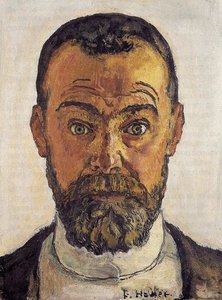
1853–1918, Šveits
Ferdinand Hodler
Surma arhitektuur Ferdinand Hodler sündis Šveitsis, Bernis aastal 1853 ning tema varajased aastad olid määratletud vaikse ja püsiva kadunäiduga. Enne tema noorehood, kust võtsid elu oma alla tuberkuloos, jäeti tema isa ja kaks nooremat brotherlise koduperhe tühimikku. See varane kohtumine kaotusega sai tema loomingus korduvaks motiiviks – varjuks, mis kaasas teda alates tema õpilasajastu vaatustest kuni professionaalse karjääri tipphetkideni. Ta alustas oma harjutamist dekoratiivmaljri kui õpilasena, aidates oma võimendatisaega kaubanduslike reklaaditööde tegemisel; see praktiline haridus andis talle täpse kontrolli joone ja vormi üle.
Teel Ferdinand Hodler kohta Ferdinand Hodler silmapaistvad teosed
Ka Ferdinand Hodler teosed
 Eiger, Monch and Jungfrau in Moonlight1908
 Woman in Ecstasy1911
 Sunset on Lake Geneva1915
 Study of two figures1897

Essee teemadel Unity
 Beyond the Void: Powerful Artworks That Capture the Raw Emotion of GriefExplore the profound power of art in capturing grief. From Expressionist masterpieces to custom hand-painted memorials, discover how iconic…
 Mastering Realism: The Top 25 Iconic Artworks by Hans Holbein the YoungerStep into the Northern Renaissance with our curated guide to the top 25 Hans Holbein the Younger masterpieces. Explore breathtaking realism…
 Mastering Parallelism: The 25 Most Iconic Artworks by Ferdinand HodlerImmerse yourself in the rhythmic beauty of Ferdinand Hodler. Explore 25 iconic masterpieces of Swiss Symbolism and Parallelism. From evocat…