Lülita trükkitoodetele
 Loe lähemalt







































 Kunstiteoste või reproduktsioonide puhul, mille üks külg on üle 105 cm (umbikmolt 41 tolli), saadetakse raam kirjal asendis, la Dismantlitud komplektina. See meetod tagab ohutuse kohaletoimetamisel ja väldib transpordil tekkivaid kahjustusi.


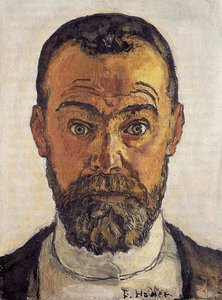
Figure Study by Ferdinand Hodler: A Meditation on Form and Emotion
Ferdinand Hodler’s “Figure Study,” executed in 1901, stands as a testament to the enduring power of Symbolist aesthetics—a movement that sought to transcend mere representation and delve into the realm of psychological experience. Captured in stark black and white photography, this deceptively simple pencil sketch reveals layers of nuanced observation and artistic intention.
- Subject Matter: The artwork centers on a solitary female figure positioned before a wall. Her posture exudes quiet contemplation; her hands clasped together suggest an act of prayer or reflection—a gesture imbued with spiritual significance.
- Style & Technique: Hodler’s signature style is characterized by “parallelism,” a technique pioneered by him and Edvard Munch, where lines converge to create an illusion of depth and movement despite the absence of color. The meticulous pencil strokes meticulously render form and texture, prioritizing expressive line over realistic detail.
- Historical Context: Produced during Hodler’s formative years as a Symbolist artist, “Figure Study” reflects the broader artistic currents of the period—a reaction against Impressionism's focus on fleeting visual sensations and an embrace of introspection and emotional resonance. It aligns with the Symbolists’ preoccupation with exploring inner states and conveying spiritual truths through symbolic imagery.
- Symbolism: The wall serves as a crucial element of symbolism, representing boundaries – both physical and psychological—while simultaneously providing a backdrop that isolates the figure and emphasizes her internal gaze. The gesture of prayer embodies faith, vulnerability, and a yearning for transcendence.
The photograph itself expertly captures the essence of Hodler’s artistic vision. Its tonal range subtly highlights the delicate interplay between light and shadow, mirroring the contemplative mood conveyed by the painting. It's an ideal representation for discerning collectors and interior designers seeking to infuse their spaces with a touch of understated elegance and profound emotional depth.
- Recommended Reproduction: Consider commissioning a hand-painted reproduction from OriginalUniqueArt – ensuring you experience Hodler’s masterful technique and artistic sensitivity firsthand.
Hodler's exploration of the human psyche is palpable in this piece, mirroring his own personal struggles with loss—a recurring motif throughout his oeuvre. The artist’s deliberate simplification of form contributes to a sense of solemn beauty, inviting viewers to contemplate themes of mortality and spiritual yearning.
This artwork embodies the core tenets of Swiss Symbolism: an aesthetic rooted in emotion and intuition rather than objective observation. Its quiet stillness speaks volumes about Hodler's profound understanding of human experience—a legacy that continues to inspire artists and collectors alike.
Korduvad küsimused
Millisse kunstisuuna kuulub teos „Figura Ühine“, autor Ferdinand Hodler?
Teosest „Figura Ühine“, autor Ferdinand Hodler tuntud kunstisuuna on Swiss Symbolism. See klassifikatsioon aitab teost paigutada sarnaste kunstnike ja teoste hulka.
Kas teosele „Figura Ühine“, autor Ferdinand Hodler on saadaval diapositatsioon?
Teost „Figura Ühine“, autor Ferdinand Hodler saab vaadata diapositena teose Pildikava lehel.
Millist tehnikat ja stiili iseloomustavad teos „Figura Ühine“, autor Ferdinand Hodler?
Teos "Figura Ühine" on valmistatud tehnikas Akrüülkainal ja kuulub Swiss Symbolism stiili.
 Eelvaade
 Saada
Saada Jaga
Jaga
 Teave teose kohta
 Juhend

 Laadi alla
 Sarnased teosed
 Röntgenuuring
 Slaidietendus
 Q&A
Q&A Statistika