

 Vaata sisu
 Jaga teost
 Jaga
Jaga
 Detailid
 Õppekate juhend

 Laadi alla
 Sarnased teosed
 Röntgenuuring
 Slaidietendus
 Statistika
The Seine at Charenton


 Loe lähemalt
Käsitsi valmistatud õlimaalireproduktsioon
Meie kunstnike poolt tellimusel valmistatud käsitsi maalitud õli-kainaste teos teie soovitud suuruses ja raamis. ( Lülita trükkitoodetele Ülemineku digitaalse pildi müügi kanalisse)




P118B €10

P118H €10

P118W €10

P438Z €10

P508JH €12

P508YH €12

P805H €10

P805Z €10

P919BZ €10

P919G €10

P919XJ €10

P959ZH €10

P968JZ €12

W106C €8

W218G €10

W218JH €8

W218Y €10

W307PJ €10

W316G €10

W316PJ €8

W316Y €10

W398PJ €8

W4111J €10

W500HY €15

W500JH €15

W692G €12

W849H €8

W940BG €15

W953PJ €8




Vali meie eelmääratud suurused, mis vastavad teose algupärastele proportsioonidele.

Sisestage vajalik laius ja kõrgus, et teos sobiks teie raamile või seinale. Kuna tegu on käsipainatud teosega, siis erineva kujuga suuruse korral võib kunstnik jätta pildi ümber veidi rohkem marginaali või lõigata osa ära — valik on teie. Enne maali alustamist saadame teile kinnitamiseks digitaalse näidisprojektsiooni. Sellel lehel näidatud pilt ei kajasta tegelikku tulemust — seda näitab ainult näidisprojekttsioon.
Pärast tellimust saadab OriginalUniqueArt.com meeskond kliendile e-posti juhised ning esitab eelvaate kavandi
Maailmline tarne 3–4 nädala jooksul tavalise 5 nädala asemel. (25 oktoober). Kvaliteedis kompromisse ei tehta.

Tasuta ekspresssaatmine üle maailma

Kõrgekvaliteediline lina-kangastest muld

Täielik transpordikindlustus

Tollimaksude tagastamise garantii

Värvitoime täpsuse garantii

100 päeva tagastusõigus (ainult defektide korral)

100% raha tagasi garantii

Hulgusoodustus
 Klaasivalik on saadaval ainult kuni 110 cm suuruses teostes

The Seine at Charenton
Reproduktsiooni materjal
Reproduktsiooni mõõtmed
-


Lõppsumma
€ 263
A Moment on the Seine: Ferdinand Guillaumin’s “The Seine at Charenton”
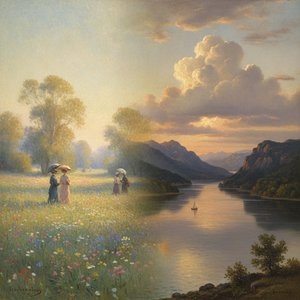
Ferdinand Guillaumin's "The Seine at Charenton," painted in 1878, is more than a picturesque depiction of a riverside scene; it’s a shimmering distillation of Impressionist philosophy. This captivating work transports the viewer to a fleeting moment on the banks of the Seine, capturing not just the physical appearance of Charenton but also the very essence of light and atmosphere that defined Guillaumin's artistic vision. The painting immediately draws the eye with its soft, diffused light – a hallmark of Impressionism’s pursuit of capturing transient effects rather than precise representation.
Guillaumin, a key figure within the French Impressionist movement, was deeply influenced by the theories of Eugène Duranty and Claude Monet. He shared their fascination with depicting the ephemeral qualities of nature, particularly the way light transforms surfaces and creates an illusion of movement. Unlike many of his contemporaries who focused on urban scenes, Guillaumin frequently returned to the landscapes of France, meticulously observing and translating the nuances of color and light onto canvas. “The Seine at Charenton” exemplifies this dedication, showcasing a masterful understanding of how atmospheric conditions can dramatically alter the appearance of familiar subjects.
A Symphony of Color and Light
Technically, the painting is executed with loose, visible brushstrokes – a deliberate choice by Guillaumin to prioritize capturing the *impression* of the scene over meticulous detail. The palette is remarkably restrained yet vibrant, dominated by delicate blues, greens, and ochres that evoke the shimmering surface of the Seine and the hazy sky above. Notice how he uses broken color—applying small dabs of paint side-by-side rather than blending them smoothly—to create a sense of luminosity and depth. The reflections on the water are particularly noteworthy, rendered with an almost ethereal quality, suggesting movement and fluidity.
Guillaumin’s technique is closely aligned with Monet's, yet possesses a unique lyricism. While Monet often sought to capture the objective reality of a scene, Guillaumin imbues his landscapes with a palpable sense of emotion and nostalgia. The composition itself contributes to this effect; the figures in the foreground are subtly blurred, suggesting their detachment from the viewer and inviting us to lose ourselves in the beauty of the natural world.
Symbolism and Emotional Resonance
Beyond its technical brilliance, “The Seine at Charenton” is rich in symbolic meaning. The presence of the boats – one a small rowboat and the other a larger vessel – hints at leisure and connection with nature. These figures, though indistinct, represent humanity’s relationship to the river, suggesting both activity and contemplation. The overall mood is serene and contemplative, inviting the viewer to pause and appreciate the simple pleasures of life. It's not merely a depiction of a place; it’s an evocation of a feeling – a sense of tranquility and connection with the natural world.
The choice of Charenton itself holds significance. Located just southeast of Paris, this charming town was already gaining popularity as a resort destination in the late 19th century, attracting artists and intellectuals seeking respite from the bustle of urban life. Guillaumin’s painting captures this atmosphere of relaxed sophistication, reflecting the growing interest in landscape art and the pursuit of beauty in everyday moments.
A Timeless Masterpiece
“The Seine at Charenton” remains a powerful testament to the enduring appeal of Impressionism. Its delicate colors, evocative brushstrokes, and subtle symbolism continue to captivate viewers today. Reproductions of this work offer an exceptional opportunity to bring the beauty of Guillaumin’s vision into any space, creating a focal point that radiates tranquility and invites contemplation. Consider it not just as a painting, but as a portal to a fleeting moment in time – a reminder of the profound beauty found in the simplest of scenes.
Küsimused ja vastused
Millist atmosfääri toob ruumi „The Seine at Charenton“, autor Ferdinand Guillaumin reproduktsioon?
Olles meeleoluult Calm, soovitatakse teost "The Seine at Charenton" ruumiks Living Room.
Kui populaarne on teos "The Seine at Charenton" suunaga Impressionist Landscape aastal?
Teos "The Seine at Charenton" on kataloogis Impressionist Landscape suunaga teoste seas registreeritud kui Recognized.
Kuhu Ferdinand Guillaumin loomingulise perioodi kuulub teos "The Seine at Charenton"?
Ferdinand Guillaumin loomingus kuulub teos "The Seine at Charenton" perioodi Mature Impressionism. See etap aitab seda võrdida kunstniku teiste töödega.
Kunstniku elulugu
Varajane Elu Ja Karjäär
Ferdinand Guillaumin, sündinud 16. veebruaril 1841. aastal Pariisis, oli prantsuse impressionisti maalija ja litograaf, kelle kunstiline teekond algas 19. sajandi keskel – ajastul, mil impressionism kogus Prantsusmaal hoogu. Guillaumin ei sündinud kunstniku perekonnas; tema isa oli riidekaupmees ning noor Ferdinand alustas oma karjääri hoopis ametnikuna ja hiljem ka vabrikuomanikuna. See praktiline taust, ehkki kaugel kunstimaailmast, andis talle aga unikaalse perspektiivi ja kindlustas finantsilise stabiilsuse, mis võimaldas tal pühenduda maalimisõpingutele ning katsetada uusi väljendusviise. Tema varased tööd olid pigem realistlikud, kuid kohtumine Claude Monet’ga 1860ndatel muutis tema kunstilist suunda radikaalselt. See sõprus ja koostöö said Guillauminile määrava tähtsusega ning viisid ta impressionismi südamesse.Panus Impressionismi Liikumisse
Guillaumin oli üks impressionismi liikumise aktiivseid liikmeid, osaledes mitmetel näitustel ja aidates kaasa selle uue kunstisuuna arengule. Impressionistide eesmärk oli tabada valguse ja värvi hetkelisi muljeid looduses ning Guillaumin võttis selle väljakutse omaks täieliku kirglusega. Tema maalid on sageli unistavad, pehmed maastikud, mis resoneerivad impressionismi vaimuga – rõõmsad värvid ja lahtised pintslilöögid loovad elava atmosfääri ning kutsuvad vaatajat kaasa hetkelisse kogemusse. Ta ei piirdunud pelgalt objekti täpse reprodutseerimisega, vaid püüdis edasi anda tunde, emotsiooni ja valguse mängu. Guillaumin oli eriti huvitatud värvide puhtusest ning nende omavahelisest suhtlusest, kasutades tihti komplementaarvärve, et saavutada intensiivsemat visuaalset efekti.Mõjutused Ja Assotsiatsioonid
Guillaumin ei töötanud vaakumis; tema loomingut mõjutasid paljud kaasaegsed kunstnikud ja liikumised. Claude Monet oli talle kindlasti oluline mentor ja sõber, kuid ta ammutas inspiratsiooni ka teistest impressionistidest nagu Camille Pissarro. Lisaks impressionismile näitas Guillaumin huvi sümbolismi vastu – liikumise vastu, mis rõhutas unenägude maailma ja müstikat. See kajastub tema töödes julgete värvide ning emotsionaalsete teemade kasutamises. Ta ei kartnud katsetada erinevate stiilide ja tehnikatega, luues oma unikaalse visuaalse keele. Guillaumin oli ka Vincent van Goghi tuttav, kuigi nende kunstiline koostöö jäi lühikeseks, mõjutas Van Gogh tema värvivalikuid ning ekspressiivsust.Pärand Ja Mälestus
Ferdinand Guillaumin suri 26. juunil 1927. aastal, jättes endale hindamatu pärandi impressionismi kunstiajalukku. Tema tööd on esindatud paljudes muuseumides ja kollektsioonides üle maailma, sealhulgas Mount Holyoke College Art Museum, mis aitab säilitada tema loomingut tulevastele põlvedele. Guillaumin oli rohkem kui lihtsalt impressionist; ta oli värvimeister, kes suutis edasi anda looduse ilu ja valguse võlu oma unikaalse stiili kaudu. Tema maalid on tänini populaarsed ning inspireerivad kunstnikke ja kunstihuvilisi üle maailma. Avastage rohkem Guillaumin’i töid ja impressionismi liikumist saidil OriginalUniqueArt: Ferdinand Guillaumin | 3 teost Impressionismi kunstiliikumine
Ferdinand Guillaumin
1841 - 1927 , Prantsusmaa
Lühikest infot
- Artistic Movement Or Style: Impressionism
- Artists Or Movements Influenced By This Artist: ['Claude Monet']
- Artists Who Influenced This Artist:
- Vincent van Gogh
- Paul Cézanne
- Camille Pissarro
- Date Of Birth: 16. veebruar 1841
- Date Of Death: 26. juuni 1927
- Full Name: Jean Baptiste Armand Guillaumin
- Nationality: Prantslane
- Notable Artworks:
- Garden in Janville
- River Scene
- View of Puy de Dôme
- Place Of Birth: Pariis, Prantsusmaa
Sarnased artiklid
Capturing the Light: A Journey Through the Soul of American Impressionism and the Hudson River School
Explore the luminous beauty of American Impressionism and the Hudson River School. Discover a curated journey through light, landscape, and history, celebrating the enduring legacy of masters through exquisite, hand-painted oil reproductions for the discerning art lover.

Paul Cézanne: 25 Meisterteost, mis Muutsid Maailma Kunsti | OriginalUniqueArt
Avastage Paul Cézanne 25 kõige ikoonilisemat teost! Sukeldume postimpressionismi maailma, värviliste still life'ide ja Mont Sainte-Victoire maalide lugudesse. Leidke inspiratsiooni interjööri disainiks OriginalUniqueArt.com-is. Vaadake maali reproduktsioone!

Evocations of Place: A Historical Journey Through Landscape Art
Explore the rich history of landscape art with OriginalUniqueArt. Discover renowned artists, movements like Impressionism & tonalism, and expert guidance for collecting timeless pieces. Find your perfect serene escape today!

Flowing Narratives: Rivers in Painting – A Historical Exploration
Explore the rich history of rivers in painting! Discover masterpieces from ancient times to Impressionism & beyond. Learn about symbolism, artists like Monet & Daubigny, and find your perfect serene artwork at OriginalUniqueArt.

Evocations of Place: A Historical Journey Through Landscape Art
Explore the rich history of landscape art with OriginalUniqueArt. Discover renowned artists, movements like Impressionism & Romanticism, and expert guidance for collecting timeless pieces. Find your perfect serene escape today!