
 Eelvaade
 Saada
Saada Jaga
Jaga
 Teave teose kohta
 Juhend

 Laadi alla
 Sarnased teosed
 Röntgenuuring
 Slaidietendus
 Q&A
Q&A Statistika
Road at St Paul (Var)


 Loe lähemalt
Giclée / Kunstiprint
Muuseumikvaliteediga giclée- või kangasprint kiire tootmisega ja paindlikud viimistlusvõimalused. ( Osta käsitsi maalatud teos Lülita digitaalse pildi juurde)




P118B €10

P118H €10

P118W €10

P438Z €10

P508JH €12

P508YH €12

P805H €10

P805Z €10

P919BZ €10

P919G €10

P919XJ €10

P959ZH €10

P968JZ €12

W106C €8

W218G €10

W218JH €8

W218Y €10

W307PJ €10

W316G €10

W316PJ €8

W316Y €10

W398PJ €8

W4111J €10

W500HY €15

W500JH €15

W692G €12

W849H €8

W940BG €15

W953PJ €8




Vali meie eelmääratud suurused, mis vastavad teose algupärastele proportsioonidele.

Sisestage vajalik laius ja kõrgus, et see sobiks teie raamile või seinale. Trükki saab ainult lõigata, seda ei saa kunagi pildist suuremaks teha, seega ka erineva mustega suurus kaotab osa pildist. Enne trükkimist saadame teile kinnitamiseks digitaalse näidisprojektsiooni. Sellel lehel näidatud pilt ei kujuta reaalset lõiget — seda näitab ainult näidisprojektsioon.
Ülemaailmne tarne () 2 nädala jooksul, tavalise 4/5 nädala asemel. (1 november)

Tasuta ekspresssaatmine üle maailma

Kõrgekvaliteediline lina-kangas

Täielik transpordikindlustus

Tollimaksude tagastamise garantii

Värvitoime täpsuse garantii

100 päeva tagastusõigus (ainult valmistusdefektide korral)

100% raha tagasi garantii

Hulgusoodustus
 Klaasivalik on saadaval ainult kuni 110 cm suuruses teostes

Road at St Paul (Var)
Giclée / Kunstiprint
Reproduktsiooni suurus
-


Koguhind
€ 71
A Moment Frozen in Time: Exploring Félix Vallotton’s “Road at St Paul (Var)”
Félix Vallotton's "Road at St Paul (Var)," painted in 1922, is more than just a depiction of a rural scene; it’s a carefully constructed tableau brimming with quiet observation and an understated elegance. Housed within the Tate Gallery in London, this oil on canvas invites us into a fleeting moment, capturing not just the visual elements but also a palpable sense of atmosphere and human presence. The painting immediately draws the eye to a woman walking down a sun-drenched road, her figure rendered with Vallotton’s signature simplicity – a deliberate rejection of overly detailed realism in favor of suggestive forms and luminous color.
Vallotton, a pivotal figure within the *Nabi* movement, approached art with a unique sensibility. Initially trained in classical techniques, he ultimately forged his own path, moving away from academic constraints to embrace a more modern aesthetic. His work is characterized by bold colors, flattened perspectives, and an emphasis on capturing the essence of a subject rather than its literal representation. “Road at St Paul (Var)” exemplifies this approach perfectly; the landscape isn’t meticulously rendered but presented as a series of carefully chosen hues and shapes that evoke a specific mood – one of serene tranquility punctuated by subtle hints of activity.
The Language of Color and Light
Vallotton's masterful use of color is central to the painting’s impact. The dominant blues of the woman’s dress and the distant church create a cool, calming backdrop against which the warmer tones of the road and the sky stand out. He employs broken color—small, distinct patches of hue rather than blended shades—to achieve a shimmering effect, mimicking the way light interacts with surfaces. Notice how he uses highlights to draw attention to the woman’s form, while simultaneously softening the edges of the surrounding landscape. This creates a sense of depth and spatial ambiguity, inviting the viewer to contemplate the scene from multiple perspectives.
The lighting is particularly noteworthy. It's not a harsh, direct sunlight but rather a diffused glow that seems to emanate from everywhere at once. This contributes significantly to the painting’s overall mood – one of gentle warmth and quiet contemplation. The sky, rendered in shades of grey and blue, hints at an approaching storm, adding a subtle layer of drama to the otherwise peaceful scene.
A Glimpse into a World of Subtle Interactions
Beyond the central figure, “Road at St Paul (Var)” is populated with a series of secondary figures – men and women walking along the road, a horse-drawn cart in the distance, and a church perched on a hillside. These elements aren’t merely decorative; they subtly enrich the narrative, suggesting a community engaged in everyday life. The painting doesn't offer a clear story but rather invites us to imagine the lives of these individuals, their interactions, and their connection to this particular place.
The church itself is rendered with a certain detachment, almost as if it’s an integral part of the landscape. Its presence anchors the scene while simultaneously hinting at themes of faith, tradition, and perhaps even isolation. The composition—the diagonal line of the road leading towards the distant church—creates a sense of movement and directs our gaze across the canvas.
Owning a Piece of Artistic History
“Road at St Paul (Var)” is a testament to Vallotton’s ability to capture the essence of a moment with remarkable clarity and emotional resonance. OriginalUniqueArt offers meticulously crafted, hand-painted reproductions that faithfully recreate the painting's luminous colors, subtle textures, and evocative atmosphere. These reproductions are not simply prints; they are works of art in their own right, allowing you to bring this iconic image into your home or office and experience its beauty firsthand. Explore our collection at OriginalUniqueArt.com to discover a reproduction that perfectly suits your style and space.
For those seeking further insight, we encourage you to visit the Tate Gallery’s online resources: ‘Road at St Paul (Var)’, Félix Vallotton, 1922 | Tate.
Korduvad küsimused
Kuidas saan vaadata reproduktsiooni teosele „Road at St Paul (Var)“, autor Félix Vallotton?
Teose „Road at St Paul (Var)“, autor Félix Vallotton reproduktsiooni eelvaate saamiseks avage teose Eelvaade leht.
Millises materjalis on teos „Road at St Paul (Var)“, autor Félix Vallotton valmistatud?
Teose „Road at St Paul (Var)“, autor Félix Vallotton materjal on Oil On Canvas. Reproduktsioonide eesmärk on jälitada selle tehnika välimust.
Kust saan näha originaalteost „Road at St Paul (Var)“, autor Félix Vallotton?
Teos „Road at St Paul (Var)“, autor Félix Vallotton on näitustel Tate Galerii, London, United Kingdom. Muuseumi keterangane viitab originaalteosele, mitte reproduktsioonidele.
Kunstniku elulugu
Elu ja maailmad: Félix Vallottoni kunst ja sajandivahetuse vaim
Félix Édouard Vallotton, sündinud 1865. aastal Lausanne’is Šveitsis, oli kunstnik, kelle looming kehastas sajandivahetuse keerukat vaimu. Ta liikus oskuslikult oma Šveitsi juurte ja Pariisi elava kunstimaailma vahel, saades lõpuks oluliseks kujuks modernse kunsti arengus. Tema varajane elu, mis oli sügavalt konservatiivsete protestantlike väärtuste sees – isa oli apteeker, hiljem šokolaadimeister – pakkus teravat vastandust boheemlikule maailmale, mille ta kunstnikuna omaks võttis. Kuigi algselt suunati klassikalistele õpingutele Collège Cantonali kolledžis, viis Vallottoni kirg visuaalse väljenduse vastu ta 1882. aastal Pariisi, kus ta astus Académie Julian’i. See ei olnud mitte ainult geograafiline ümberasumine, vaid ka sügav perspektiivimuutus, sukeldudes kunstilise uuendusmeelsuse ja intellektuaalse kihiseva keskmesse. Tema akadeemiline väljaõpe andis tugeva tehnika aluse, kuid kohtumised uute avangardsete ringidega süütasid tõeliselt tema loovutrajektoori.Nabistide mõju ja intiimsuse keel
Vallottoni kunstiline areng tegi otsustava pöörde 1892. aastal, kui ta liitus *Les Nabis* – noorte kunstnike rühmaga, kuhu kuulusid Pierre Bonnard, Édouard Vuillard ja Maurice Denis. Kuigi teda sageli peeti grupis veidi väljapoole jäävaks, osutus tema seotus otsustavaks tema eripärase stiili kujundamisel. Nabistid soovisid lisada kunstile vaimset kvaliteeti, uurides sümbolismi ja dekoratiivseid esteetikaid. Vallotton omastas need mõjud, kuid filtreeris need oma unikaalse tundlikkuse kaudu, mida iseloomustas lahe eraldatus ja kompromissitu realism. See väljendub kõige võimsamalt tema puugravüüride seerias, eriti *Intimités* (1898). Need kümme sisestseen on tähelepanuväärsed oma psühholoogilise intensiivsuse poolest, kujutades pingelisi kohtumisi meeste ja naiste vahel häiriva otsekohesususega. Need ei ole romantilised või kirglikud narratiivid, vaid uurimused pinge, võimu dünaamika ja varjatud keerukuste kohta koduselus. Musta ja valge teravad kontrastid tema puugravüürides – teadlik viide Jaapani *ukiyo-e* trükkidele – süvendavad ärevustunnet ja psühholoogilist uurimist.Puugravüüri meister ja maalilised nüansid
Vallottoni meisterlikkus ulatus kaugemale maalimise valdkonnast; teda tähistatakse laialdaselt puugravüüride virtuoosina, taaselustades selle keskkonda oma uuenduslike tehnikatega. Ta omaks võttis vormi lihtsuse ja otsekohesuse, kasutades julgeid jooni ja teravaid kontraste loomiseks piltidele, mis olid nii visuaalselt põnevad kui ka emotsionaalselt resonantsed. Tema trükid ei olnud pelgalt illustratsioonid, vaid iseseisvad kunstiteosed, sageli satiirilised, kommenteerides sotsiaalseid konventsioone ja poliitilisi küsimusi. Samal ajal jätkas Vallotton oma maalistiili arendamist, liikudes puhtakast akadeemilisest lähenemisviisist isiklikuma väljenduse poole. Ta oskuslikult tasakaalus realism peente sümboliliste alatoonidega, luues portreid, maastikke ja natüürmorte, millel on salapärane kvaliteet. Tema hilisemad maalid demonstreerivad täiustatud tehnikat, mida iseloomustavad hoolikalt moduleeritud värvid ja vormi täpne renderdamine. Ta maalis sageli *paysages composés* (“komponeeritud maastikke”), mis on konstrueeritud mälestuste ja vaatluste põhjal, millele on lisatud rahu ja melanhoolia tunnet.Pärand ja kestev mõju
Félix Vallottoni mõju kajas kogu 20. sajandi alguses, mõjutades kunstnikke nagu Edvard Munch ja Ernst Ludwig Kirchner. Tema kompromissitu pilk, psühholoogiliste teemade uurimine ja puugravüüritehnikate uuenduslik kasutamine rajasid tee uutele kunstilistele väljendustele. Ta suri Pariisis 1925. aastal, jättes maha loomingu, mis jätkab tänapäevalgi vaatajaid lummanud ja väljakutseid esitades. Tema kunst on poeetiline peegeldus sajandivahetuse ärevustest ja vastuoludest, pakkudes pilku maailma muutuste lävel. Vallottoni pärand ei seisne mitte ainult tema tehnilises briljantsuses, vaid ka tema võimes tabada inimkogemuse keerukust ausalt, intelligentselt ja kestva müsteeriumitundega. Ta jääb veenva kujuna – Šveitsi kunstnikuks, kes leidis oma hääle Pariisis, ühendades traditsiooni ja modernsuse, realismi ja sümbolismi, jättes kustumatu jälje kunsti ajalukku.- Artisti liikumine või stiil: Postimpressionism, Sümbolism
- Kunstnikud või liikumised, mida see kunstnik mõjutas: Edvard Munch, Aubrey Beardsley, Ernst Kirchner
- Kunstnikud, kes seda kunstnikku mõjutasid: Holbein, Ingres, Jaapani puugravüür
- Sünnipäev: 28. detsember 1865
- Surmapäev: 29. detsember 1925
- Täisnimi: Félix Vallotton
- Rahvus: Šveits/Prantsusmaa
- Olulised kunstiteosed: Intimités, Bathers on a summer evening, Moonlight
- Sünnikoht: Lausanne, Šveits

Félix Vallotton
1865 - 1925 , Šveits
Lühikest infot
- Artistic Movement Or Style: Post-Impressionism, Sümbolism
- Artists Or Movements Influenced By This Artist:
- Edvard Munch
- Aubrey Beardsley
- Ernst Kirchner
- Artists Who Influenced This Artist:
- Holbein
- Ingres
- Jaapani puulõikurid
- Date Of Birth: 28. detsember 1865
- Date Of Death: 29. detsember 1925
- Full Name: Félix Vallotton
- Nationality: Šveitsi/Prantsuse
- Notable Artworks:
- Intimités
- Bathers on a summer evening
- Moonlight
- Place Of Birth: Lausanne, Šveits
Sarnased artiklid

Paul Klee Parimad Teosed: 25 Kunstiteost, Mis Inspireerivad | OriginalUniqueArt
Avastage Paul Klee 25 parimat teost! Sukeldume ekspressionismi, kuubism ja abstraktse kunsti maailma. Lugege kunstniku lugusid ning leidke inspiratsiooni interjööridisainiks OriginalUniqueArt.com-is. Avastage kõik meistriteosed veebis!

El Greco 25 parimat teost: Hingemattev kunst kollektsioon OriginalUniqueArt.com-is
Avastage El Greco 25 parimat teost! Sukelduge hispaania renessansi ja baroki maailma. Vaadake ikoonilisi maale nagu St Sebastian, Laagendatud Maria ja palju muud. Leidke täiuslik kunstiteos oma kodule OriginalUniqueArt.com-is – kvaliteetsed reproduktsioonid ja inspiratsioon interjööridisainiks. Avastage kogu
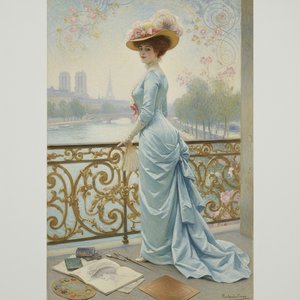
Paul César Helleu: Capturing Belle Époque Elegance & Artistic Innovation
Explore the captivating world of Paul César Helleu, master portraitist of the Belle Époque. Discover his innovative techniques, iconic works like 'Portrait of Margaret Kelly,' and investment potential with OriginalUniqueArt.

Paul Cézanne: 25 Meisterteost, mis Muutsid Maailma Kunsti | OriginalUniqueArt
Avastage Paul Cézanne 25 kõige ikoonilisemat teost! Sukeldume postimpressionismi maailma, värviliste still life'ide ja Mont Sainte-Victoire maalide lugudesse. Leidke inspiratsiooni interjööri disainiks OriginalUniqueArt.com-is. Vaadake maali reproduktsioone!

Paul Klee: A Poetics of Form and Color – Exploring the Inner Landscape of a Modern Master
Explore the captivating world of Paul Klee! Discover his innovative art, Bauhaus influence, & unique symbolic language. Expert analysis & high-quality reproductions at OriginalUniqueArt.

