

 Eelvaade
 Saada
Saada Jaga
Jaga
 Teave teose kohta

 Laadi alla
 Sarnased teosed
 Röntgenuuring
 Slaidietendus
 Statistika
Pierrot the Photographer


 Loe lähemalt
Giclée / Kunstiprint
Muuseumikvaliteediga giclée- või kangasprint kiire tootmisega ja paindlikud viimistlusvõimalused. ( Osta käsitsi maalitud maal Ülemineks digitaalse pildiga müügi kanalisse)




P118B $10

P118H $10

P118W $10

P438Z $10

P508JH $12

P508YH $12

P805H $10

P805Z $10

P919BZ $10

P919G $10

P919XJ $10

P959ZH $10

P968JZ $12

W106C $8

W218G $10

W218JH $8

W218Y $10

W307PJ $10

W316G $10

W316PJ $8

W316Y $10

W398PJ $8

W4111J $10

W500HY $15

W500JH $15

W692G $12

W849H $8

W940BG $15

W953PJ $8




Vali meie eelmääratud suurused, mis vastavad teose algupärastele proportsioonidele.

Saate sisestada oma mõõdud, et need sobiks konkreetse raami või ruumi sisse. Kui valitud suurus ei vasta originaalteose proportsioonidele, lõigame teose ära või laiendame pilti peegeldatud või ühtlase servaga. Enne tootmisprotsessi algust saadetakse Teie kinnitamiseks digitaalne näidis.
Palun märka, et ekraanil kuvatav eelvaade ei kajasta tegelikku lõigamist või laiendamist. Ainult näidis kujutab täpselt lõplikku kompositsiooni.
Kuigi erimõõdu on saadaval, soovitame originaaproportsioonide säilitamiseks valida mõõt ette määratud nimekirjast.
Ülemaailmne tarne () 2 nädala jooksul, tavalise 4/5 nädala asemel. (17 september)

Tasuta ekspresssaatmine üle maailma

Kõrgekvaliteediline linakangas

Täielik transpordikindlustus

Tollimaksude tagastamise garantii

Värvitoime täpsuse garantii

100 päeva tagastusõigus (ainult tootmisdefektide korral)

100% raha tagasi garantii

Hulgusoodustus
 Klaasivalik on saadaval ainult suuruses kuni 110 cm

Pierrot the Photographer
Giclée / Kunstiprint
Reproduktsiooni suurus
-


Kogusumma
$ 80
The Enigmatic Figure: Unveiling “Pierrot the Photographer”
Félix Nadar’s “Pierrot the Photographer,” created in 1854, isn't merely a portrait; it’s a meticulously constructed tableau vivant—a staged scene brimming with quiet observation and subtle commentary on the burgeoning world of photography. The image immediately draws the eye to Pierrot, a figure both familiar and unsettlingly modern, holding a camera poised as if capturing not just a likeness but an essence. He embodies the nascent spirit of the photographer himself – a blend of artist, observer, and documentarian, all wrapped in the playful guise of a traditional clown. The photograph’s power lies not simply in its technical execution, but in the carefully orchestrated narrative it presents, inviting us to contemplate the very nature of representation and identity.
The work's historical context is crucial to understanding its significance. Nadar was a pioneer, pushing against the conventions of portraiture prevalent during the mid-19th century. He rejected the opulent backdrops and theatrical poses favored by his contemporaries, instead opting for natural light and an intimate approach that prioritized capturing the sitter’s personality. “Pierrot the Photographer” exemplifies this shift—a deliberate departure from traditional formality, suggesting a new era of visual storytelling.
A Dance of Light and Shadow: Technical Details & Artistic Choices
Examining the photographic process reveals layers of artistry. “Pierrot the Photographer” was undoubtedly produced using one of the early wet collodion techniques, a demanding method requiring immediate development after exposure. This explains the image’s distinctive grainy texture—a hallmark of photographs from this period—and the subtle variations in tone that contribute to its aged and evocative quality. The careful control of light is particularly noteworthy; diffused illumination creates a soft, almost melancholic atmosphere, highlighting the textures of Pierrot's costume and casting gentle shadows that add depth and dimension.
Nadar’s compositional choices further enhance the photograph’s impact. The tripod, a stark vertical element, anchors the scene while simultaneously creating a sense of formality and precision. Pierrot’s slight tilt of his head—a subtle gesture of engagement—draws us into the frame, inviting us to share in his moment of observation. The two indistinct figures in the background offer a hint of context without disrupting the central focus, suggesting a studio setting and hinting at the collaborative nature of photographic production.
Symbolism & Emotional Resonance: Beyond the Surface
“Pierrot the Photographer” is rich with symbolic meaning. The clown costume itself—a traditional symbol of playfulness and theatricality—contrasts sharply with the seriousness of the act of photography, creating a fascinating tension. The camera becomes an extension of Pierrot’s personality, transforming him into both subject and observer. The image speaks to the evolving role of the photographer in society – moving from mere recorder of reality to active participant in shaping it.
Furthermore, the photograph evokes a sense of nostalgia and timelessness. Its aged appearance—the subtle imperfections and tonal variations—suggests that it has witnessed countless moments, carrying with it the weight of history. “Pierrot the Photographer” is not simply a portrait; it’s a meditation on memory, identity, and the enduring power of visual representation.
A Legacy in Reproduction: Bringing Nadar's Vision to Life
Reproductions of “Pierrot the Photographer” offer a unique opportunity to experience the artistry of Félix Nadar firsthand. The meticulous detail captured in this early photograph—the textures of the costume, the subtle nuances of light and shadow—are faithfully reproduced in high-quality prints, allowing viewers to appreciate the depth and complexity of Nadar’s vision. Whether displayed as a statement piece in a contemporary interior or studied as an historical artifact, this iconic image continues to captivate and inspire.
Kunstniku elulugu
Félix Nadar: Fotograafia uuarlugeja
Varajane elu ja algused
- Sündinud: Gaspard-Félix Tournachon 5. aprillil 1820 Pariisis (kuigi mõned allikad viitavad Lyonile).
- Tema isa, Victor Tournachon, oli trükkija ja raamatukaupleja.
- Algul õppis ta meditsiini, kuid pidi pärast isa surma finantsiline puudus selle abandeerima.
- Nadar, nagu ta hiljem tuntuks sai, alustas oma karjääri karikaturisti ja romaanikuna, kirjutades erinevatele ajakirjadele.
Karikatuurist fotograafia vastu
- Alustas fotograafia eksperimentidega umbes 1853. aastal.
- Avas oma esimese fotostüüdi 1854. aastal aadressil 113 rue St. Lazare, liigudes hiljem 1860. aastal Boulevard des Capucinesile nr 35.
- Saavutas kiiresti tunnust oma lummavate ja psühholoogiliselt sügavate portretemid eest.
- Traditsioonide eiramine: Nadar vältis portretistees tavalistest luksuslikest taustadest, eelistades loomulikku valgust ja keskendumist modelis asuvale isikupärale.
- 1858. aastal sai Nadar esimeseks inimeseks, kes tegi õhus fotograafiaid kasutades õhumulle.
- Ta ületas tehnilised väljakutsed, mis olid seotud fotoplaatide arendamisega suure kõrguse korral, leiutades oma õhumulle korvimide jaoks gaasikindla puuvillase katuse.
- Oli samuti fotograafia kunstilise valgustuse uuendaja, eriti Pariisi katakombides.
- Le Géant: Tellis 1863. aastal massiivse õhumulle ehitamise nimega „Le Géant“ (Hiibs), mis inspireeris Jules Vernet teost *Viis nädalat õhumulles*.
Suured saavutused ja mõjud
- Portretistamine: Fotografeeris arvukalt silmapaistvaid isikuid, sealhulgas Victor Hugo, Charles Baudelaire, Sarah Bernhardt ja Gustave Courbet.
- Loomis maailma esimese õhupostite teenuse Pariisi piiramine (1870-71) ajal, kasutades selleks õhumulle lendu.
- Juhistas 1874. aastal oma stüüdis esimeset impressionistlikku ekspositsiooni, pakkudes kriitilise platvormi uutele kunstnikele.
- Avaldas 1886. aastal seda, mida peetakse esimeseks fotovastuseks, kus kaasnes keemik Michel Eugène Chevreul.
Hiline elu ja pärand
- Ühendas oma stüüdi Marseillega aastatel 1895 kuni 1909.
- Suri 20. märtsil 1910 Pariisis ning on mattunud Père Lachaise kalmistule.
- Tema poeg Paul Nadar jätkas pärast surmli stüüdi tegevust.
- Quand j’étais photographe: Avaldas mälestusteksti, mis peegeldab tema elu ja tööd, pakkudes väärtuslikku vaadet 19. sajandi fotograafiale.
- Ajalooline tähendus: Nadari innovatiivsed tehnikad ja kunstiline visioon mõjutasid sügavalt fotograafia arengut kunstivormina. Tema portreetsed jäävad ikoonilisteks Pariisi intellektuaalse ja kunstilise ringi esitusteks.
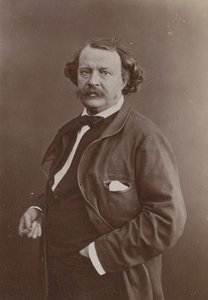
Félix Nadar
1820 - 1910 , Prantsusmaa
Lühikesed faktid
- Mõjutatud: Mitte ükski
- Nimi: Félix Nadar
- Olulised Teosed:
- Baudelaire, Hugo, Delacroix portreid
- Õhufotograafia
- Fotointervju Chevreuliga
- Rahvusuus: Prantsuse
- Surmike: 20. märts 1910
- Suunad:
- Fotograafia
- Karikatuur
- Impressionism (seotud)
- Sündate: 5. aprill 1820
Seotud artiklid

Beyond the Lens: Photography's Enduring Influence on Modern & Contemporary Art
Explore photography's pivotal role in shaping modern & contemporary art. Discover key movements, influential artists like Stieglitz, and expert collecting advice from OriginalUniqueArt.
Beyond Color: The Timeless Power and Artistry of Black and White Photography
Explore the profound artistry of black and white photography. From the chemistry of gelatin silver to the chiaroscuro of the Old Masters, discover how monochrome captures the eternal essence of light, form, and emotion for the discerning art collector.
Timeless Shadows: The Artistry, History, and Emotional Resonance of Black and White Photography
Explore the profound artistry of black and white photography. From historical mastery to the interplay of light and shadow, discover how monochrome captures timeless emotion and form through a sophisticated lens of art history.

Beyond the Portrait: Félix Nadar & the Psychological Depths of 19th-Century Photography
Explore the revolutionary photography of Félix Nadar – pioneer of portraiture, aerial imaging & psychological depth. Discover his iconic portraits of Baudelaire, Hugo & more. A deep dive into 19th-century art history.

Monochrome Visions: Exploring the Aesthetic & Historical Significance of Black & White Photography
Explore the rich history & artistic power of black and white photography. From early techniques to iconic masters like Ansel Adams, discover why monochrome continues to captivate art lovers today. Expert insights for collectors.