

 Eelvaade
 Saada
Saada Jaga
Jaga
 Teave teose kohta

 Laadi alla
 Sarnased teosed
 Röntgenuuring
 Slaidietendus
 Statistika
Maternite


 Loe lähemalt
Giclée / Kunstiprint
Muuseumikvaliteediga giclée- või kangasprint kiire tootmisega ja paindlikud viimistlusvõimalused. ( Osta käsitsi maalitud maal Ülemineks digitaalse pildiga müügi kanalisse)




P118B $10

P118H $10

P118W $10

P438Z $10

P508JH $12

P508YH $12

P805H $10

P805Z $10

P919BZ $10

P919G $10

P919XJ $10

P959ZH $10

P968JZ $12

W106C $8

W218G $10

W218JH $8

W218Y $10

W307PJ $10

W316G $10

W316PJ $8

W316Y $10

W398PJ $8

W4111J $10

W500HY $15

W500JH $15

W692G $12

W849H $8

W940BG $15

W953PJ $8




Vali meie eelmääratud suurused, mis vastavad teose algupärastele proportsioonidele.

Saate sisestada oma mõõdud, et need sobiks konkreetse raami või ruumi sisse. Kui valitud suurus ei vasta originaalteose proportsioonidele, lõigame teose ära või laiendame pilti peegeldatud või ühtlase servaga. Enne tootmisprotsessi algust saadetakse Teie kinnitamiseks digitaalne näidis.
Palun märka, et ekraanil kuvatav eelvaade ei kajasta tegelikku lõigamist või laiendamist. Ainult näidis kujutab täpselt lõplikku kompositsiooni.
Kuigi erimõõdu on saadaval, soovitame originaaproportsioonide säilitamiseks valida mõõt ette määratud nimekirjast.
Ülemaailmne tarne () 2 nädala jooksul, tavalise 4/5 nädala asemel. (12 september)

Tasuta ekspresssaatmine üle maailma

Kõrgekvaliteediline linakangas

Täielik transpordikindlustus

Tollimaksude tagastamise garantii

Värvitoime täpsuse garantii

100 päeva tagastusõigus (ainult tootmisdefektide korral)

100% raha tagasi garantii

Hulgusoodustus
 Klaasivalik on saadaval ainult suuruses kuni 110 cm

Maternite
Giclée / Kunstiprint
Reproduktsiooni suurus
-


Kogusumma
$ 80
Maternité: A Tapestry of Light, Color, and Maternal Grace
Paul Gauguin’s *Maternité* (1899) isn't merely a depiction of three women tending to their infants; it’s an immersion into a world saturated with the vibrant hues of Tahiti and imbued with a profound sense of serenity. Painted during his second sojourn on the island, this oil-on-canvas masterpiece represents a pivotal shift in Gauguin’s artistic trajectory – moving away from the stark realism of his earlier voyages towards a more expressive, symbolic language. The scene unfolds within a lush, verdant landscape, a carefully constructed tableau that speaks volumes about Gauguin's fascination with Polynesian culture and his desire to capture its essence on canvas. Notice immediately the bold, almost aggressively bright palette; deep greens and blues dominate, punctuated by flashes of ochre, crimson, and gold – colors drawn directly from the natural world around him, applied with a confident, almost impulsive brushstroke. This isn’t an attempt at photographic accuracy, but rather a distillation of feeling, a translation of experience into pure color. The figures themselves are simplified, their forms rendered with a deliberate looseness that reflects Gauguin's embrace of Synthetism – a style he developed to prioritize the essential qualities of form and color over meticulous detail.- The Composition: Three women, each deeply engaged in the act of nurturing, occupy the foreground. The central figure, seated with a baby nestled against her chest, exudes a quiet dignity. To her left, another woman holds her child close, while the third stands, offering sustenance to her infant. Gauguin masterfully uses spatial relationships – the figures are arranged in a gentle curve that draws the eye through the scene – creating a sense of harmonious unity.
- Symbolism and Meaning: *Maternité* is rich with symbolic weight. The act of motherhood itself represents fertility, continuity, and the cyclical nature of life. Gauguin’s deliberate choice to depict women in such a relaxed, intimate setting suggests a rejection of Western societal pressures and an embrace of a more primal connection to nature and family. The abundance of flowers – hibiscus, tiare, and other tropical blooms – further reinforces this theme of fertility and vitality.
- Technique: Gauguin’s distinctive technique is immediately apparent. He employs broad, sweeping brushstrokes, often applying the paint directly from the tube, creating a textured surface that seems to shimmer with light. The use of *impasto*—thickly applied paint—adds depth and physicality to the scene, bringing the figures and foliage to life. Notice how he uses color not just to represent reality but also to evoke emotion – the warm yellows and oranges suggest happiness and contentment, while the cooler blues and greens convey a sense of tranquility.
Gauguin’s Post-Impressionist Vision
As a key figure in the Post-Impressionist movement, Gauguin pushed beyond the limitations of Impressionism, seeking to express his subjective emotions and ideas through color and form. He rejected the fleeting effects of light and atmosphere favored by his Impressionist predecessors, opting instead for bolder, more expressive brushstrokes and a greater emphasis on symbolic content. *Maternité* exemplifies this shift – it’s not simply a representation of a scene; it's an emotional response to it. Gauguin’s use of color is particularly striking, employing vibrant hues that are often derived from the natural world around him. He deliberately distorted forms and simplified details, prioritizing the essential qualities of his subjects over photographic accuracy. This approach paved the way for later movements such as Fauvism and Expressionism, demonstrating Gauguin's profound influence on 20th-century art.Reproductions & Artistic Legacy
OriginalUniqueArt offers meticulously crafted hand-painted reproductions of *Maternité*, capturing the essence of Gauguin’s original masterpiece with unparalleled fidelity. Each reproduction is created by skilled artists who have a deep understanding of Gauguin's techniques and artistic vision. We offer various sizes and canvas materials to suit your individual needs and preferences, ensuring that you receive a high-quality artwork that will enhance any space. Beyond the visual beauty of the painting itself, *Maternité* represents a significant moment in art history – a bold departure from traditional representation and a powerful expression of Gauguin’s unique artistic vision. Explore more Post-Impressionist masterpieces by Gauguin and his contemporaries on OriginalUniqueArt.com, including works like “A Henhouse” and “The Boss's Daughter,” to further appreciate the breadth and depth of this revolutionary artist’s oeuvre.Kunstniku elulugu
Julkuse värvidega maaldatud elu: Paul Gauguini maailm
Eugène Henri Paul Gauguin, nimi, mis kõlab kütkestava värviga ja rebellimeelusega, on keskmine tegelane impressionismist moderniseeritud kunstini ülemumisel. 1848. aastal Pariisis sündinud elu oli kaugeval tavapärasest. Tema varajased aastad olid kujundatud ebatavalise kasvatusega; tema isa oli ajakirjanik ning ema pärines Peruu aristokraatiast — tema vanaema, Flora Tristan, oli uuendav feminist ja sotsialistlik kirjanik, kelle ideed kõlastasid ilmselt sügavalt kogu peres. See pärand kujundas sügavalt Gauguini kunstilist visiooni, installeerides temasse kummarduse Euroopa väljaspool asuvate kultuuride vastu. Lapsuus, mis viigati Perule pärast tema perekonna 1eks kolandumiks 1850. aastal, uputas teda maailma, mis oli Pariisi ühiskonnast vastly erinev — kogemus, mis jäänud meelde ja kust lõpuks sai kütkestajaks tema otsingutele kunstilises autentsuses. Pärast isa surma Prantsa riiki naasides, sai Gauguin klassikalise hariduse, kuid tõmbus teda mitte akadeemiline maailm, vaid kasvav finantsmaailm, alustades karjääri väärtpaberite vedajana — tee, mis tundus olevat kooskõimatud tema ees ootva kunstilise saatusest.Finantsidest kunstilise kutsumuse juurde
Aastate aega juhtas Gauguin topeltelu, jälgiades hoolsalt oma äriprojektid, samal ajal kui salaja toitlustas maaliarmastust. Algul olnud ta mõjutatud impressionistidest ning alustas vabaajal värvi ja valgusega eksperimenteerimist, kuid tundis peagi piirangut nende pühendumuses ajutiste reaalsuse hetkede tabamisele. 1882. aasta finantskriis tõi kaasa pöördumispunkti, sundides teda loobma oma tulusat karjääri ja kogu südamega oma kunstilist kutsumust omastama. See ei olnud pelgalt ametinimetuse vahetus; see oli fundamentaalne muutus maailmapildis. Ta otsis nõu Camille Pissarolt, kes rohustas tema arengut ja tutvustas teda Pariisi avantgardsetele ringidele. Kuid Gauguin hakkas kiiresti eralduma impressionistlikest põhimõtetest, igatsedes midagi ekspressiivsemat, sümboolikat — vahendit, mis edastaks mitte ainult seda, mida ta *nägi*, vaid ka seda, mida ta *tundis*. See soov juhtis teda kunstilise uuringureisi, mis viis teda kaugele Pariisi salongidest sügavale "primitiivsete" kultuuride südamesse. Ta ei olnud huvitatud pelgalt nende kultuuride kujutamisest; ta püüdis omastada nende olemust, uskudes, et need kannavad puhtust, mis lääne tsivilisasjonist on kadunud.Britannia ja Tahiti kutse
Gauguini kunstiline evolutsioon oli lahutusmatult seotud tema reisidega. Ta viitas Britanni territooriumidel, lummatuses karge maastiku ja selle rahva sügavalt juurdunud traditsioonide vastu. See periood nägi teda eksperimenteerimas lamedate vormide, julgete kontuuride ja kompositsiooni lihtsustamisega — tehnikatega, mis viisid teda kaugemale naturalismist ja lähemale sümbolistlikule keelele. Kuid alles tema reis Tahitile 1891. aastal vabastas tõeliselt tema loovpotentsiaali. Otsides peitupa, mida ta pidas Euroopa tsivilisatsiooni kumedaks piiranguks, lootis Gauguin leida inspiratsiooni polineesia kultuurist, uskudes, et see pakub puhtamat ja autentsemat eluviisi. See ei olnud pelgalt kunstiline püüdlemine; see oli vaimne otsing. Ta uputas end kohalikesse kommidesse ja usus, kujutades polineesia naisi, maastikke ja religioosne tavad oma unikaalse vaate läbi. Mõjutatud Jaapani impressionistlikest etmoodidest — Japonismist — ning keskaagedast kunstist, arendas ta eripärase esteetika, mida isvestasid eraldavad värvid, eksotiline teema ja salapära hägud. Ikoonlikud teosed nagu “Vahine no te miti” (Naine mangoga), “Manao Tupapau” (Surnud vaimu vahetus) ja <<|image>b>“Jumalate päev” sündisid sellest ajast, kinnistades tema mainet visjonärlikuna kunstnikuna. Tema värvikasutus muutus üha julgemaks ja mitte-naturalistlikuks, serveerides eesmärgiga mitte reaalsuse kopeerimine, vaid emotsiooni ja vaimse tähenduse väljendamine.Pärand ja kontroverss
Hoolimata oma kunstilistest läbimurkidest, oli Gauguini elu sageli rasketest katsmustest saanud. Ta võitles finantsitundlikkuse ja haiguse sagedusega oma ajast Tahitil ning hiljem Markiisisaartel, kuhu ta lõpuks asustas. Ometigi jätkas ta viljakat maalimist, uurides väsimatult elu, surma ja vaimsuse teemasid. Ta surmas 1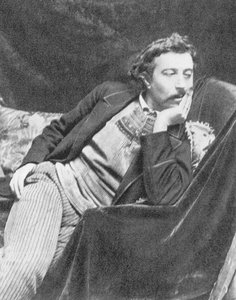
Eugène Henri Paul Gauguin
1848 - 1903 , Prantsusmaa
Lühikesed faktid
- Artistic Movement Or Style: Post-Impressionism ja Symbolism
- Artists Who Influenced This Artist: ['Camille Pissarro']
- Date Of Birth: 1848
- Date Of Death: 1903
- Full Name: Eugène Henri Paul Gauguin
- Nationality: Prantsuse
- Notable Artworks:
- Clearing
- Vahine no te miti
- Manao Tupapau
- Little Breton Shepherd
- Place Of Birth: Paris, France
Seotud artiklid

Paul Cézanne: 25 Meisterteost, mis Muutsid Maailma Kunsti | OriginalUniqueArt
Avastage Paul Cézanne 25 kõige ikoonilisemat teost! Sukeldume postimpressionismi maailma, värviliste still life'ide ja Mont Sainte-Victoire maalide lugudesse. Leidke inspiratsiooni interjööri disainiks OriginalUniqueArt.com-is. Vaadake maali reproduktsioone!

Postimpressionismi 10 Meisterteost: Kunsti ja Sisustamise Klassikat
Avasta postimpressionismi 10 legendaarset meistriteost! Van Gogh, Monet jt. värvilised teosed ja põnevad lood kunstnike saatest. Leia inspiratsiooni sisustamiseks ning kaunista oma kodu OriginalUniqueArt.comi originaalseid kunstireproduktsioonide abil. Uuri kollektsiooni!
Beyond Impressionism: Exploring the Emotional Depth of Post-Impressionist Painting
Explore the profound emotional depth & innovative techniques of Post-Impressionism with OriginalUniqueArt. Discover Cézanne, Van Gogh, Gauguin & more – and their lasting impact on modern art.
Beyond Impressionism: Exploring Emotional Depth & Formal Innovation in Post-Impressionist Art
Explore the profound emotional depth & formal innovations of Post-Impressionism with our expert guide. Discover Cézanne, Van Gogh, Gauguin & more. Learn about art history, collecting, and investing in this pivotal movement.

Paul Klee Parimad Teosed: 25 Kunstiteost, Mis Inspireerivad | OriginalUniqueArt
Avastage Paul Klee 25 parimat teost! Sukeldume ekspressionismi, kuubism ja abstraktse kunsti maailma. Lugege kunstniku lugusid ning leidke inspiratsiooni interjööridisainiks OriginalUniqueArt.com-is. Avastage kõik meistriteosed veebis!


