Menüü

() ·

A painting made for you, by hand

Maternity

Käsitsi valmistatud õlimaalireproduktsioon

Meie kunstnike poolt tellimusel valmistatud käsitsi maalitud õli-kainaste teos teie soovitud suuruses ja raamis. ( Lülita trükkitoodetele Lülita digitaalse pildi juurde)

Kogumisobjekti kirjeldus

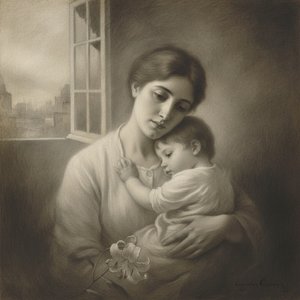
Experience Eugène Carrière’s ‘Maternity,’ a poignant monochrome portrait of a nursing mother and child, capturing tender gestures and spiritual resonance. This iconic Symbolist work by the ‘painter of Breast-Feeding’ invites contemplation on domestic tranquility and inner light.

Kunstniku elulugu

"Avastage Eugène Carrière (1849-1906) lummavaid monokroomseid maalide maailma! Prantsuse sümboolismi võtminime esindaja, tuntud intiimsete kodustseenide ja Picasso mõjutamisega. Vaadake "Haiget last" ja teisi meistriteoseid."

from ·

Chapter 1

How large should it be?

Slide to change the size; the picture on the left shows the frame at its real width. The proportions of the original are kept.

Standardne suurus
kohandatud
CM
INCH

Vali meie eelmääratud suurused, mis vastavad teose algupärastele proportsioonidele.

laius
kõrgus

Sisestage vajalik laius ja kõrgus, et teos sobiks teie raamile või seinale. Kuna tegu on käsipainatud teosega, siis erineva kujuga suuruse korral võib kunstnik jätta pildi ümber veidi rohkem marginaali või lõigata osa ära — valik on teie. Enne maali alustamist saadame teile kinnitamiseks digitaalse näidisprojektsiooni. Sellel lehel näidatud pilt ei kajasta tegelikku tulemust — seda näitab ainult näidisprojektsioon.

Chapter 2

How should it arrive?

Choose the edges of the stretched canvas

Choose your frame

Corner sample of the WhiteWrap canvas edge finish, stretched on massivpuit bars
White €1
Corner sample of the BlurSideWrap canvas edge finish, stretched on massivpuit bars
Blurside €1
Corner sample of the ExtendedWrap canvas edge finish, stretched on massivpuit bars
Extended €1
Corner sample of the P118B picture frame: vormitud polüstüreen, 5 cm wide and 3 cm thick
P118B €10
Corner sample of the P118H picture frame: vormitud polüstüreen, 5 cm wide and 3 cm thick
P118H €10
Corner sample of the P118W picture frame: vormitud polüstüreen, 5 cm wide and 3 cm thick
P118W €10
Corner sample of the P438Z picture frame: vormitud polüstüreen, 5.5 cm wide and 3.5 cm thick
P438Z €10
Corner sample of the P508JH picture frame: vormitud polüstüreen, 7 cm wide and 3.5 cm thick
P508JH €12
Corner sample of the P508YH picture frame: vormitud polüstüreen, 7 cm wide and 3.5 cm thick
P508YH €12
Corner sample of the P805H picture frame: vormitud polüstüreen, 5 cm wide and 3.5 cm thick
P805H €10
Corner sample of the P805Z picture frame: vormitud polüstüreen, 5 cm wide and 3.5 cm thick
P805Z €10
Corner sample of the P919BZ picture frame: vormitud polüstüreen, 7 cm wide and 3.5 cm thick
P919BZ €10
Corner sample of the P919G picture frame: vormitud polüstüreen, 7 cm wide and 3.5 cm thick
P919G €10
Corner sample of the P919XJ picture frame: vormitud polüstüreen, 7 cm wide and 3.5 cm thick
P919XJ €10
Corner sample of the P959ZH picture frame: vormitud polüstüreen, 5 cm wide and 3 cm thick
P959ZH €10
Corner sample of the P968JZ picture frame: vormitud polüstüreen, 6 cm wide and 4 cm thick
P968JZ €12
Corner sample of the W106C picture frame: massivpuit, 5 cm wide and 3 cm thick
W106C €8
Corner sample of the W218G picture frame: massivpuit, 5 cm wide and 3 cm thick
W218G €10
Corner sample of the W218JH picture frame: massivpuit, 5 cm wide and 3 cm thick
W218JH €8
Corner sample of the W218Y picture frame: massivpuit, 5 cm wide and 3 cm thick
W218Y €10
Corner sample of the W307PJ picture frame: massivpuit, 6 cm wide and 3 cm thick
W307PJ €10
Corner sample of the W316G picture frame: massivpuit, 6 cm wide and 3 cm thick
W316G €10
Corner sample of the W316PJ picture frame: massivpuit, 6 cm wide and 3 cm thick
W316PJ €8
Corner sample of the W316Y picture frame: massivpuit, 6 cm wide and 3 cm thick
W316Y €10
Corner sample of the W398PJ picture frame: massivpuit, 5 cm wide and 3 cm thick
W398PJ €8
Corner sample of the W4111J picture frame: massivpuit, 6.5 cm wide and 3.5 cm thick
W4111J €10
Corner sample of the W500HY picture frame: massivpuit, 7 cm wide and 5 cm thick
W500HY €15
Corner sample of the W500JH picture frame: massivpuit, 7 cm wide and 5 cm thick
W500JH €15
Corner sample of the W692G picture frame: massivpuit, 8 cm wide and 4 cm thick
W692G €12
Corner sample of the W849H picture frame: massivpuit, 5 cm wide and 3 cm thick
W849H €8
Corner sample of the W940BG picture frame: massivpuit, 7.5 cm wide and 4.5 cm thick
W940BG €15
Corner sample of the W953PJ picture frame: massivpuit, 6 cm wide and 3.5 cm thick
W953PJ €8
Corner sample of the H24-GOLD picture frame: kareeritud puit ja gesso, 10 cm wide and 6 cm thick
H24-GOLD €30
Corner sample of the H24-SILVER picture frame: kareeritud puit ja gesso, 10 cm wide and 6 cm thick
H24-SILVER €30
Corner sample of the H36-GOLD picture frame: kareeritud puit ja gesso, 15 cm wide and 6.5 cm thick
H36-GOLD €45
Corner sample of the H36-SILVER picture frame: kareeritud puit ja gesso, 15 cm wide and 6.5 cm thick
H36-SILVER €45
Raami eelvaade
Raamitud

Moulding: . Overall size with the frame: .

Chapter 3

Who paints it, and should anything change?

Examples of what can be changed: Replace face with customer photo; Add pet (e.g., replace cat with dog); Include hidden message in background; Change background landscape or elements.
After order, OriginalUniqueArt.com team will email client for instructions and provide a mockup preview

Maailmline tarne 3–4 nädala jooksul tavalise 5 nädala asemel. (30 oktoober). Kvaliteedis kompromisse ei tehta.

Chapter 4

The finishing touches

A nameplate, as in a museum?

Graveeritud pronksplaadi üksikasjad

This elegant plaque features the artist's name and the title of the artwork, finely engraved for a timeless presentation.

It is made from bronze with a refined, elegant finish. The text is precisely laser-engraved for a sharp and permanent result. Measuring 9x2 cm, the plaque is compact yet easy to read. It's built to be durable and scratch-resistant, offering a professional, museum-quality look. Mounting is simple thanks to the included adhesive backing.

Läbipaistva akrüülplaadi üksikasjad

The plaque includes essential engraved details such as the artist's name, the title of the artwork, the date it was created, the type of media used-like oil on canvas or watercolor-a brief description of the piece, and a QR code that links to the complete artwork information.

It is crafted from clear acrylic, offering a sleek, modern appearance. The text is UV-engraved in black to ensure strong visual contrast. With a size of 10x15 cm, it ensures optimal readability. It comes equipped with two metal hooks for secure wall mounting. The plaque is designed to be weather-resistant, making it suitable for various environments, and it includes interactive features that work seamlessly with smartphone scanning.

Musta akrüülplaadiรายละเอียด (Note: The user provided "Musta akrüülplaadi detailid" as the current translation and asked for an improved version. Since "Musta akrüülplaadi

This elegant plaque includes engraved information such as the artist's name, the title of the artwork, the date it was created, the type of media used (like oil on canvas or watercolor), a short description of the artwork, and a QR code for quick access to more information.

The plaque itself is made from refined black acrylic with a premium finish. The text is laser-engraved in white for high contrast and readability. Its size is 10x15 cm, designed to be easy to read. It comes with two metal hooks for professional mounting. The design is sleek and fits any interior style. It is also weather-resistant and durable, with built-in digital integration for mobile compatibility.

A protective varnish?

When do you need it?

Chapter 5

Your painting, as you ordered it

Maternity

Reproduktsiooni tehnika

Reproduktsiooni suurus

-

Eelistatud tippkunstnik

Rohkem detaile, peenust ja lisatootmisaega

-

Reproduktsiooni raamivalikud

-

-

Kunstiteoste või reproduktsioonide puhul, mille üks külg on üle 105 cm (umbikmolt 41 tolli), saadetakse raam kirjal asendis, la Dismantlitud komplektina. See meetod tagab ohutuse kohaletoimetamisel ja väldib transpordil tekkivaid kahjustusi.

Vajalik professionaalne kokkupanek – see ei ole isetegevusega valmistamiseks mõeldud toode.
Komplekt tuleb kokku panna ja lõvet pingutada kogemusega professionaalse raamija, kasutades puiduliim (ei kuulu komplekti), lõvetpingi ja klempe, et hoida raami kande mustad õigena liimi kuivamisaja jooksul. Vale kokkupanek või ebaühtlane lõvetping võib kunstiteost püsivalt kahjustada ning seda ei katta meie garantii.

  • Kaasatud on kõik tahked puidust liistud, täpselt lõigatud vastavaks suuruseks.

  • Kokku panemiseks kasutatakse lisatud kruvisid ning nurkade liimamiseks vajalikku puuliima, mida ei ole komplektis ja mida peab raamivalmistaja ise hankima.

  • Vajalik on kasutada professionaalseid tööriistu, mis ei kuulu komplekti: lõvetelapide pingist (pingutaja) ja klambreid, et hoida raami puidu nurgas õigena liimi kuivamisaja jooksul.

Oluline:
Nurgaliimamiseks on vaja puiduliim, liimimine peab toimuma klempide all kuni liim on täielikult kuivanud ning kokku monteeritud raami kanga pingutamiseks on vajalik kanga pingutustang. Kumbki neist ei kuulu komplekti. Palun veenduge enne selle suuruse tellimist, et teil on saadaval kogenud professionaalne raamistaja.

Nimesildikiri

-

-

Kaitsevärnitsus

Läikiv lakk (muudab värvid elavamaks ning kaitseb valgust ja niiskust eest)

-

Kohanda oma teost

Näiteid muudatuste kohta: Asenda nägu kliendi fotoga; Lisa lemmikloom (nt asenda kass koeraga); Lisa taustale peidetud sõnum; Muuda tausta maastikku või elemente.

-

Kiire tarne

Ülemaailmne tarne riiki 3–4 nädalaga tavalise 5 nädala asemel. (30 oktoober). Kvaliteedis kompromisse ei tehta.

-

Kiirsaatmine

Ülemaailmne tarne () 5 nädala jooksul. (6 november).

Sisse kuuluv

Koguhind

€ 266

Kogu summa € 266

Klaasivalik on saadaval ainult kuni 110 cm suuruses teostes

Included with every order

  • Tasuta ekspresssaatmine üle maailma
  • Kõrgekvaliteediline lina-kangas
  • Täielik transpordikindlustus
  • Tollimaksude tagastamise garantii
  • Värvitoime täpsuse garantii
  • 100 päeva tagastusõigus (ainult valmistusdefektide korral)
  • 100% raha tagasi garantii
  • Hulgusoodustus

A Portrait of Maternal Reverence: Eugène Carrière’s Maternity

Eugène Anatole Carrière stands apart from his contemporaries—Monet, Degas, Cézanne—not merely in stylistic preference but in a profound philosophical commitment to capturing the essence of human experience. Born in 1849 in Gournay-sur-Marne, France, he embarked on an artistic journey marked by unwavering dedication to exploring themes of spirituality and domestic tranquility. His formative years were shaped by exposure to Rubens’s luminous palette and the crucible of imprisonment in Dresden, experiences that instilled within him a sensitivity to light and color—though he would ultimately abandon them for a distinctive monochrome aesthetic. This singular approach cemented his reputation as “the painter of Breast-Feeding,” a genre he pursued with fervent conviction throughout his prolific career. ### The Monochrome Palette: A Symbol of Inner Light Carrière’s artistic signature is undeniably his masterful manipulation of color—or rather, the deliberate absence thereof. Rejecting the Impressionist obsession with capturing fleeting moments of visual sensation, he sought to distill emotion into its purest form: a subdued brown hue that permeated nearly all his canvases. This stylistic choice wasn't simply an aesthetic preference; it represented a deeply held belief in the primacy of inner contemplation and spiritual illumination. As Edmond de Goncourt eloquently observed during Carrière’s lifetime, “This Carrière really is the painter of Breast-Feeding.” He meticulously studied gestures and expressions, striving to convey not just what he saw but what he felt—a palpable resonance with the viewer's own emotional landscape. The monochromatic palette served as a conduit for conveying profound psychological depth, mirroring the stillness and serenity of domestic life. ### Maternity: A Study in Tender Gestures and Spiritual Resonance “Maternity,” completed in 1890, exemplifies Carrière’s artistic vision at its zenith. This evocative portrait depicts a woman cradling her infant child, bathed in soft light emanating from an unseen source—a deliberate allusion to divine grace and nurturing compassion. The composition is strikingly simple yet powerfully expressive: the woman's gaze directs upwards, suggesting contemplation of something beyond the immediate physical realm; her hands are outstretched, conveying warmth and protection. Two figures flank the central scene, adding depth and subtly hinting at the broader context of familial devotion. Véronique Milin Dumesnil, Carrière’s granddaughter, recounted that the models for Maternity were his wife and one of their seven children—Jean René or Leon—underscoring the artist's personal connection to the subject matter. ### Technique and Historical Context: Embracing Rubensian Influence Carrière’s technique is characterized by meticulous detail and painstaking layering of paint—a testament to his unwavering commitment to capturing nuanced textures and tonal variations. He achieved this remarkable effect through a process of gradual buildup, applying thin glazes over thicker underlayers to create an illusion of depth and luminosity despite the absence of color. This approach harkens back to Rubens’s masterful use of chiaroscuro—the dramatic interplay between light and shadow—a technique that Carrière adopted with unwavering fidelity. The painting emerged during a period marked by growing interest in Symbolism, a movement that sought to transcend mere representation and delve into realms of psychological and spiritual significance. Like many Symbolist artists, Carrière aimed to evoke emotion rather than depict reality objectively, inviting viewers to contemplate the profound mysteries of human existence. ### Legacy and Emotional Impact: A Timeless Expression of Maternal Love “Maternity” remains a captivating masterpiece—a testament to Carrière’s artistic genius and his unwavering belief in the transformative power of art. Its enduring appeal lies not only in its exquisite craftsmanship but also in its ability to resonate deeply with audiences across generations. The painting captures the essence of maternal tenderness, conveying a sense of serenity and spiritual contemplation that transcends time and culture. It serves as an inspiring reminder of the beauty and significance of familial bonds—a timeless expression of love, compassion, and faith.

Korduvad küsimused

Kui intensiivsed on värvid teoses „Maternity“, autor Eugène Carrière?

Teoses „Maternity“, autor Eugène Carrière on Monochromatic värvitoon.

Millest on teos "Maternity" valmistatud?

Teose "Maternity" loomisel kasutas Eugène Carrière Oil On Canvas tehnikat. See tehnika määrab originaalteose materjalilise olemuse.

Kust saan näha originaalteost „Maternity“, autor Eugène Carrière?

Originaalteost „Maternity“, autor Eugène Carrière hoiustatakse Hill-Stead Museum, Farmington, USA muuseumis. Reproduktsioon võimaldab teost koduses keskkonnas esitleda.

More about this painting

Eelvaade AR-eelvaade Lülita trükkitoodetele Lülita digitaalse pildi juurde Saada
Teave teose kohta Juhend Lisa lemmikutesse Laadi alla Sarnased teosed Röntgenuuring Slaidietendus Q&A Statistika

In numbers

  • 1880the year it was painted
  • 29frames to choose from
  • standard sizes, in its own proportions
  • 5weeks to paint and deliver it
Eugène Carrière

Eugène Carrière

1849 - 1906, Prantsusmaa

Quick facts about Eugène Carrière

  • Artistic Movement Or Style: Sümbolism, Monokroom
  • Artists Or Movements Influenced By This Artist: ['Pablo Picasso']
  • Artists Who Influenced This Artist: ['Peter Paul Rubens']
  • Date Of Birth: 16. jaanuar 1849
  • Date Of Death: 27. märts 1906
  • Full Name: Eugène Anatole Carrière
  • Nationality: Prantslane
  • Notable Artworks:
    • Haige laps
    • Noor ema
    • Esimene pihtimus
  • Place Of Birth: Gournay-sur-Marne, Prantsusmaa

Kunstniku elulugu

Varajane Elu ja Koolitus

Eugène Anatole Carrière, tuntud prantsuse sümbolisti kunstnik, sündis 16. jaanuaril 1849. aastal Gournay-sur-Marne'is Seine-Saint-Denise’i departemangus. Tema varajased eluaastad olid täidetud kunstiarmastusest ja soovist väljendada maailma oma unikaalses vaates. Carrière alustas õpinguid École des Beaux-Arts’is Pariisis, kus ta omandas põhjalikud teadmised klassikalises kunstis. Hiljem õppis ta Cabaneli juures, mis andis talle tugeva aluse tulevaste loominguliste ettevõtmiste jaoks. See koolitus aitas tal arendada tehnilisi oskusi ja kujundada isiklikku stiili, mis eristaks teda teistest kunstnikutest. Tema varajased tööd näitasid juba kalduvust dramaatilisele valguse ja varju kasutamisele ning sügava emotsionaalse intensiivsuse poole.

Kunstiline Stiil ja Mõjud

Carrière’i maalid on tuntud oma eripärase pruuni monokroomse paleti poolest, mis on paljude kunstihuviliste tähelepanu köitnud. Tema tööde loomisel mängis olulist rolli Peter Paul Rubensi kunst, millega ta tutvus vangistuses Dresdenis. See mõju ilmneb tema varajaste maalide säravates värvides ja dünaamilises kompositsioonis. Carrière’i loomingut iseloomustab sügav psühholoogiline lähenemine figuuridele ning keskendumine inimliku olemasolu fundamentaalsetele küsimustele. Tema maalid ei piirdu pelgalt välise ilu kujutamisega, vaid püüavad tabada sisemisi emotsioone ja tundeid. “Noor ema” (1879), üks Carrière’i varajaseid silmapaistvamaid teoseid, asub praegu Musée des Beaux-Arts'is Rouen’s. See töö tähistas tema koduelu teemade algust, mis hiljem said tema kunstilise stiili tunnusjooneks. Ta otsis uusi viise väljendada intiimsust ja perekondlikke suhteid oma maalides.

Olulised Teosed ja Näitused

Carrière’i loomingu hulka kuuluvad mitmed silmapaistvad teosed, mis on pälvinud kriitikute ja publiku tähelepanu. Nende seas on:
  • “Haige laps (Montargis)”, mis kujutab lapse haigust ja perekonna valu ning kaastunnet.
  • “Esimene pihtimine (Toulon)”, mis on sügavalt emotsionaalne stseen noore tüdruku esimesest pihtimisest, täis religioosset vaimu ja sisemist pinget.
  • “Portree Louis-Henri Devillez’ist (1887)”, mis on kõrgelt hinnatud töö, mis demonstreerib Carrière’i oskust tabada oma mudelite olemust ja iseloomu.
Need teosed ja paljud teised on esindatud Société Nationale des Beaux-Arts'is, mille asutamisel Carrière aktiivselt kaasa töötas. Tema panus kunstimaailma ulatub kaugemale tema maalide piiridest, kuna ta mängis mõjukat rolli õpetajana Académie de la Palette’s. Ta inspireeris ja juhendas paljusid noori kunstnikke, aidates neil arendada oma loomingulist potentsiaali.

Pärand ja Mõju Kaasaegsele Kunstile

Carrière’i monokroomne stiil on leidnud kajastust Pablo Picasso töödes, eriti tema sinisel perioodil. See mõju kinnitab Carrière’i püsivat jälge kaasaegses kunstis. Tema loomingut iseloomustav dramaatiline valguse ja varju kasutamine ning sügav psühholoogiline lähenemine figuuridele on inspireerinud paljusid kunstnikke läbi aegade. Carrière’i tööd avavad uue perspektiivi inimliku olemasolu fundamentaalsetele küsimustele, pakkudes vaatajale võimaluse sügavalt mõtiskleda elu ja surma üle. Tema looming on oluline osa prantsuse sümbolismi ajaloost ning tema panus kunstimaailma on hindamatu. Vaadake rohkem Carrière’i töid OriginalUniqueArt.com/eugène anatole carrière saidil, avastage Musée des Beaux-Arts de Rouen, mis mahutab mõningaid tema varajasi teoseid aadressil discovering the musée des beaux-arts de carcassonne (france) ja õppige rohkem sümbolismist ning selle mõjust kunstile saidil the symbolism art movement. Carrière’i pärand jätkab inspireerides kunstnikke ja kunsti entusiaste, olles tõeline prantsuse sümbolismi pioneer.

Teave teose kohta

  • Year: 1880
  • Artistic style: Domestic life themes
  • Location: Hill-Stead Museum
  • Artist: Eugène Anatole Carrière
  • Influences: Peter Paul Rubens

Kunstiteaduse kvartett

Iga küsimuse kohta on ainult üks õige vastus.

Küsimus 1:
What artistic movement is Maternity primarily associated with?
Küsimus 2:
Why did Eugène Carrière predominantly use a monochromatic brown palette in his paintings like Maternity?
Küsimus 3:
Who modeled for Maternity?
Küsimus 4:
What was Edmond de Goncourt's notable observation about Eugène Carrière's artistic approach?
Küsimus 5:
What is a key characteristic of Eugène Carrière’s artistic style that distinguishes him from other Impressionist painters?