

 Eelvaade
 Saada
Saada Jaga
Jaga
 Teave teose kohta

 Laadi alla
 Sarnased teosed
 Röntgenuuring
 Slaidietendus
Dance Shool
 Lithograph
- WallArt
- German Expressionism
 1933
1933- 19th Century
 22.0 x 27.0 cm
 Loe lähemalt
Giclée / Kunstiprint
Muuseumikvaliteediga giclée- või kangasprint kiire tootmisega ja paindlikud viimistlusvõimalused. ( Osta käsitsi maalitud maal Osta pilt)




P118B $10

P118H $10

P118W $10

P438Z $10

P508JH $12

P508YH $12

P805H $10

P805Z $10

P919BZ $10

P919G $10

P919XJ $10

P959ZH $10

P968JZ $12

W106C $8

W218G $10

W218JH $8

W218Y $10

W307PJ $10

W316G $10

W316PJ $8

W316Y $10

W398PJ $8

W4111J $10

W500HY $15

W500JH $15

W692G $12

W849H $8

W940BG $15

W953PJ $8




Vali meie eelmääratud suurused, mis vastavad teose algupärastele proportsioonidele.

Saate sisestada oma mõõdud, et need sobiks konkreetse raami või ruumi sisse. Kui valitud suurus ei vasta originaalteose proportsioonidele, lõigame teose ära või laiendame pilti peegeldatud või ühtlase servaga. Enne tootmisprotsessi algust saadetakse Teie kinnitamiseks digitaalne näidis.
Palun märka, et ekraanil kuvatav eelvaade ei kajasta tegelikku lõigamist või laiendamist. Ainult näidis kujutab täpselt lõplikku kompositsiooni.
Kuigi erimõõdu on saadaval, soovitame originaaproportsioonide säilitamiseks valida mõõt ette määratud nimekirjast.
Ülemaailmne tarne () 2 nädala jooksul, tavalise 4/5 nädala asemel. (23 august)

Tasuta ekspresssaatmine üle maailma

Kõrgekvaliteediline linakangas

Täielik transpordikindlustus

Tollimaksude tagastamise garantii

Värvitoime täpsuse garantii

60-päevane tagastusõig: ainult tootmisdefektide korral

100% raha tagasi garantii

Hulgusoodustus
 Klaasivalik on saadaval ainult suuruses kuni 110 cm

Dance Shool
Giclée / Kunstiprint
Reproduktsiooni suurus
-


Kogusumma
$ 80
Kogumuse kirjeldus
Dance Shool by Ernst Ludwig Kirchner: A Study in Expressionist Tension
Ernst Ludwig Kirchner’s “Dance Shool,” created in 1933, is more than just a depiction of a dance class; it's a visceral embodiment of the anxieties and restless energy that defined German Expressionism. Executed as a lithograph or etching – likely utilizing ink on paper – this work immediately commands attention with its stark monochrome palette and aggressively dynamic composition. Measuring 22 x 27 cm, the scale invites an intimate engagement with Kirchner’s intensely personal vision, offering a glimpse into the turbulent emotional landscape of a pivotal moment in art history.
- A Moment Frozen in Motion: The scene captures dancers mid-movement, frozen in a state of apparent exertion and perhaps even struggle. The lack of a clear focal point forces the viewer to navigate the overlapping forms and gestural lines, mirroring the chaotic energy of the studio itself.
- The Language of Line: Kirchner’s masterful use of line is central to the work's impact. Thick, bold strokes define the figures with an almost brutal directness, conveying a sense of immediacy and spontaneity. Variations in line density create subtle shifts in tone, suggesting volume and depth despite the absence of traditional shading techniques.
- Echoes of Expressionism: Rooted firmly within the German Expressionist movement, “Dance Shool” reflects the group’s core tenets – a rejection of academic realism in favor of subjective emotional expression. The distorted forms, elongated limbs, and exaggerated poses are hallmarks of this style, reflecting a desire to capture not just appearances but also the inner turmoil of the human experience.
Technique and Materials: A Manual Process of Emotional Resonance
The creation of “Dance Shool” speaks volumes about Kirchner’s artistic process. As a printmaking technique, likely lithograph or etching, it involved meticulously applying ink to a stone or plate, creating lines that would then be transferred onto the paper. The visible imperfections inherent in this manual process – slight variations in line weight and texture – contribute significantly to the artwork's character, imbuing it with a sense of raw energy and authenticity. The choice of ink on paper further emphasizes the directness of Kirchner’s approach, stripping away any unnecessary embellishment.
- Line as Sculpture: Kirchner treated lines not merely as outlines but as sculptural elements, shaping volume and defining form with a deliberate roughness.
- Contrast and Shadow: The stark black and white palette is expertly manipulated to create dramatic highlights and shadows, intensifying the sense of movement and tension within the composition.
Historical Context and Symbolic Weight
Created in 1933, “Dance Shool” exists within a period of profound social and political upheaval in Germany. The rise of Nazism was casting a long shadow over European culture, and Kirchner’s art reflects the anxieties and uncertainties of the time. While seemingly focused on a simple subject – a dance class – the work carries a deeper symbolic weight, representing perhaps the disruption of traditional values and the disorientation experienced by individuals navigating a rapidly changing world. The figures' strained postures and intense gazes suggest a sense of unease and vulnerability.
Collecting “Dance Shool”: A Statement of Artistic Vision
A hand-painted reproduction of “Dance Shool” offers a unique opportunity to own a piece of art history, imbued with the emotional intensity and stylistic innovation of Ernst Ludwig Kirchner. This artwork is not simply a decorative object; it’s a window into the soul of an artist grappling with profound questions about humanity and modernity. Its dynamic composition and powerful use of line make it a compelling addition to any collection, while its historical significance adds another layer of depth and meaning.
Kunstniku elulugu
Ernst Ludwig Kirchner (1880-1938): A Life Forged in Expression
Ernst Ludwig Kirchner, a name synonymous with the raw emotional power of German Expressionism, was born into a world poised on the brink of dramatic change. His arrival in Aschaffenburg, Bavaria, in 1880, marked the beginning of a life deeply intertwined with artistic innovation and personal turmoil. The shifting landscapes of his childhood – dictated by his father’s profession – instilled within him a sense of displacement that would later become a recurring theme in his art. From Frankfurt to Perlen, and finally settling in Chemnitz, young Kirchner absorbed the burgeoning anxieties of a rapidly modernizing Germany. Though initially steered towards architecture at the Königliche Technische Hochschule in Dresden, it was the profound conviction that painting could convey inner experience—a rejection of academic conventions—that ultimately defined his artistic path. He found kinship with fellow rebels – Fritz Bleyl, Karl Schmidt-Rottluff, and Erich Heckel – forging bonds that would irrevocably alter the course of 20th-century art.Early Life and Artistic Beginnings
Kirchner’s formative years were shaped by a family preoccupied with intellectual pursuits. His father, a chemical technician specializing in paper production, instilled in him a meticulous attention to detail—a characteristic that would later translate into his exacting artistic technique. Maria Kirchner, his mother, descended from Huguenot ancestry, fostering within him an appreciation for cultural heritage and a sensitivity to the nuances of human emotion. From Aschaffenburg he moved to Frankfurt/Main and Perlen nr. Lucerne where he attended secondary school alongside Karl Schmidt-Rottluff and Erich Heckel—artists who would become lifelong companions and collaborators. These formative relationships profoundly influenced his artistic worldview, shaping his belief in the importance of shared experience and mutual inspiration. Recognizing his innate talent for drawing and painting, Kirchner pursued architectural studies at Dresden’s Königliche Technische Hochschule, but simultaneously enrolled in courses focused on figurative art, honing his skills in life drawing and composition—skills that would prove invaluable to his subsequent artistic endeavors.Die Brücke: A Revolutionary Collective
The genesis of Kirchner's artistic breakthrough occurred in 1905 when he joined *Die Brücke* (“The Bridge”), a groundbreaking collective dedicated to forging a new aesthetic language rooted in emotional intensity and psychological exploration. Alongside Bleyl, Schmidt-Rottluff, and Heckel, Kirchner established a studio in Dresden where they experimented with innovative techniques—primarily woodblock printing—drawing inspiration from sources far removed from the prevailing artistic trends of the time. The group’s manifesto articulated a radical rejection of academic idealism, advocating instead for an uncompromising confrontation with reality—a stance that mirrored their broader philosophical convictions. They drew heavily upon influences from primitive art – particularly African and Oceanic sculpture – recognizing its expressive power and its ability to bypass rational thought. Furthermore, they embraced the bold chromatic palette pioneered by Vincent van Gogh, utilizing vibrant hues to convey emotional states rather than merely representing visual appearances. This stylistic fusion—characterized by distortion, simplified forms, and emotionally charged brushwork—became synonymous with Die Brücke’s distinctive artistic vision.Berlin and Artistic Maturity
In 1911 Kirchner relocated to Berlin, establishing a studio in Wilmersdorf alongside fellow artist Max Pechstein—a partnership that would endure until Pechstein's departure from the group in 1913. Berlin became Kirchner’s epicenter of artistic activity, fostering connections with writers, intellectuals, and artists who shared his commitment to challenging conventional norms. He meticulously documented the urban landscape—particularly the gritty streets and tenements of Berlin—capturing not only their physical appearance but also the psychological atmosphere they engendered. His paintings conveyed a palpable sense of alienation and unease—reflecting the anxieties prevalent in German society during the period leading up to World War I. Kirchner’s artistic style evolved throughout his career, embracing increasingly expressive techniques while retaining a steadfast dedication to conveying inner experience. He continued to explore themes of solitude, vulnerability, and psychological torment—subjects that would resonate powerfully with audiences across generations.Legacy and Recognition
Kirchner's contribution to German Expressionism is undeniable. His uncompromising artistic vision—characterized by bold color palettes, distorted forms, and emotionally resonant imagery—established him as one of the movement’s foremost figures. Despite facing persecution during the Nazi era—when over 600 of his artworks were confiscated and deemed “degenerate”—Kirchner's legacy persists as a testament to the enduring power of art to confront societal injustices and champion artistic freedom. His paintings continue to inspire artists today, serving as a poignant reminder of the importance of emotional honesty and stylistic innovation. Ernst Ludwig Kirchner’s oeuvre remains an invaluable resource for understanding the complexities of early 20th-century art—a beacon illuminating the path toward authentic expression and unwavering conviction in one's artistic beliefs.
Ernst Ludwig Kirchner
1880 - 1938 , Saksa
Lühikesed faktid
- Artistic Movement Or Style: Ekspressionism
- Artists Who Influenced This Artist:
- Albrecht Dürer
- Vincent van Gogh
- Edvard Munch
- Date Of Birth: 6 mai 1880
- Date Of Death: 15 juuni 1938
- Full Name: Ernst Ludwig Kirchner
- Nationality: Saksa
- Notable Artworks:
- The Street (1908)
- Leaping Dancer (1912)
- Self-Portrait (1910)
- Place Of Birth: Aschaffenburg, Saksamaa
Seotud artiklid
Giclée Prints: Archival Quality & Aesthetic Nuances for the Discerning Collector
Explore the world of giclée prints with OriginalUniqueArt. Learn about archival quality, aesthetic nuances & investment potential. Expert guidance for discerning art collectors seeking museum-quality reproductions and lasting value.

Dark Masterpieces: 10 Iconic Paintings Dominated by Black Tones |
Explore 10 iconic paintings dominated by black tones, from Rembrandt’s chiaroscuro to Goya's dark expressions. Discover the stories behind these masterpieces & find museum-quality art reproductions for your home at .
Mastering the Woodcut: A Definitive Guide to the Art of Relief Printing and its Historical Legacy
Explore the profound history and technical mastery of woodcut relief printing. From ancient origins to German Expressionism, discover how artists use the subtractive process to create iconic works. A definitive guide for art students, collectors, and historians.

The Enduring Legacy of Fine Art Prints: Technique, History & Aesthetic Impact
Explore the rich history & techniques of fine art prints. Discover investment potential, assess authenticity, and learn how to preserve your collection with expert guidance. Trusted insights for discerning collectors.
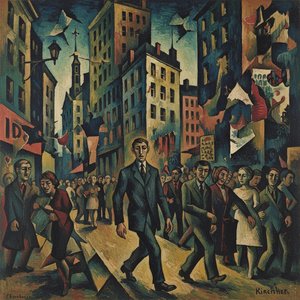
Ernst Ludwig Kirchner: Expressionism's Urban Anxiety & the Fragmentation of Modern Identity
Explore the powerful world of Ernst Ludwig Kirchner and German Expressionism. Discover his iconic paintings, Die Brücke group, and the movement's exploration of urban anxiety & modern identity. Expert analysis for collectors & enthusiasts.



