
 Eelvaade
 Saada
Saada Jaga
Jaga
 Teave teose kohta
 Juhend

 Laadi alla
 Sarnased teosed
 Röntgenuuring
 Slaidietendus
 KÜSIMUSED JA VASTUSID
 Statistika
Washington Bridge, Harlem River


 Loe lähemalt
Giclée / Kunstiprint
Muuseumikvaliteediga giclée- või kangasprint kiire tootmisega ja paindlikud viimistlusvõimalused. ( Osta käsitsi maalatud teos Lülita digitaalse pildi juurde)




P118B €10

P118H €10

P118W €10

P438Z €10

P508JH €12

P508YH €12

P805H €10

P805Z €10

P919BZ €10

P919G €10

P919XJ €10

P959ZH €10

P968JZ €12

W106C €8

W218G €10

W218JH €8

W218Y €10

W307PJ €10

W316G €10

W316PJ €8

W316Y €10

W398PJ €8

W4111J €10

W500HY €15

W500JH €15

W692G €12

W849H €8

W940BG €15

W953PJ €8




Vali meie eelmääratud suurused, mis vastavad teose algupärastele proportsioonidele.

Sisestage vajalik laius ja kõrgus, et see sobiks teie raamile või seinale. Trükki saab ainult lõigata, seda ei saa kunagi pildist suuremaks teha, seega ka erineva mustega suurus kaotab osa pildist. Enne trükkimist saadame teile kinnitamiseks digitaalse näidisprojektsiooni. Sellel lehel näidatud pilt ei kujuta reaalset lõiget — seda näitab ainult näidisprojektsioon.
Ülemaailmne tarne () 2 nädala jooksul, tavalise 4/5 nädala asemel. (5 november)

Tasuta ekspresssaatmine üle maailma

Kõrgekvaliteediline lina-kangas

Täielik transpordikindlustus

Tollimaksude tagastamise garantii

Värvitoime täpsuse garantii

100 päeva tagastusõigus (ainult valmistusdefektide korral)

100% raha tagasi garantii

Hulgusoodustus
 Klaasivalik on saadaval ainult kuni 110 cm suuruses teostes

Washington Bridge, Harlem River
Giclée / Kunstiprint
Reproduktsiooni suurus
-


Koguhind
€ 72
A Moment Suspended in Light
The river flows with a quiet, heavy grace under an overcast sky, its surface catching the soft, diffused light of a day caught between shadows. In this view of the Harlem River, the water moves through a landscape where the boundaries between earth and air seem to blur. The Washington Bridge rises in the distance, its golden hue acting as a steady anchor amidst the shifting greens and browns of the foreground. Trees and rocks cling to the riverbanks, rendered with thick, mosaic-like strokes that give the scene a palpable texture. There is a sense of stillness here, as if the wind has momentarily ceased its movement, leaving only the slow pulse of the water and the hazy expanse of the sky above.
The atmosphere feels heavy with moisture, suggesting a cool, damp afternoon where the light does not strike so much as it settles. Every brushstroke contributes to this sense of weight and depth, building layers of color that mimic the way light filters through a mist. The composition draws the eye upward from the dark, organic shapes of the shoreline toward the structural presence of the bridge, creating a silent dialogue between the natural world and the hand of man.
The Language of Impressionism
The technique relies on visible, broken strokes that reject precise lines in favor of pure sensation. This approach captures the ephemeral quality of the atmosphere, using color to suggest form rather than hard outlines. Muted greens and deep browns ground the foreground, while the sky and water reflect a palette of cool tones, punctuated by the warmth of the bridge. The way the paint sits upon the canvas creates a rugged, tactile surface that mirrors the uneven textures of the riverbank itself.
This method reflects the influence of the Impressionist movement, where the goal is to record a fleeting impression of light and weather. By prioritizing the subjective experience of the scene, the work captures the way the eye perceives a landscape in flux. The bridge, though a massive feat of engineering, becomes part of the natural rhythm of the river, its presence softened by the hazy, atmospheric perspective that pushes the distant hills into a soft, blue-tinted blur.
Connections Between Nature and Progress
There is a quiet tension held within this landscape, a subtle meeting point between the wildness of the river and the encroaching reach of urban life. The bridge acts as a physical link between two shores, but symbolically, it represents the intersection of civilization and the natural environment. As the early 20th century brings rapid change to the surrounding landscape, this painting captures a sense of peace that feels fragile, as if the tranquility of the Harlem River is being observed in a rare moment of respite from the expansion of the city.
The emotional weight of the piece lies in this very stillness. It invites a slow, contemplative gaze, encouraging anyone who looks to find a sense of calm within the textured layers of paint. The scene does not demand attention through loud colors or dramatic action; instead, it offers a quiet space for reflection, where the simple beauty of light hitting water and stone remains the central focus.
Korduvad küsimused
Milline värv domineerib teose „Washington Bridge, Harlem River“, autor Ernest Lawson kompositsioonis?
Teose "Washington Bridge, Harlem River" kõige silmapaistvam värv on Phthalo Green (#282c2c). Dominantne värv on kasulik teose sobitamisel interjööriga.
Millast ajastu kuulub teos "Washington Bridge, Harlem River"?
Teose „Washington Bridge, Harlem River“, autor Ernest Lawson ajalooline periood on Modern. See klassifikatsioon aitab teost kunstiloostikus paikata.
Millised on teose "Washington Bridge, Harlem River" reprodutseerimissõjaõigused High Museum of Art kogumuses?
Originaalteos "Washington Bridge, Harlem River" asub High Museum of Art kogumuses ning teos on avalikus õiguses – selle autoriõigud onหมดunud.
Kunstniku elulugu
Varajane Elu ja Koolitus
Ernest Lawson, silmapaistev tegelane ameerika impressionismi liikumises, sündis 22. märtsil 1873 Halifaxis, Nova Scotia provintsis Kanadas. 1888. aastal kolis ta Ameerika Ühendriikidesse, asudes Kansas Citysse ning hiljem, 1891. aastal jõudis New Yorki, kus astus kunstistuudio Art Students League’i õpingutele. John Twachtmani juhendamisel tutvus Lawson impressionismiga, mis mõjutas oluliselt tema kujunemisaastaid. Tema varajased tööd näitasid juba kalduvust looduse realistlikule ja poeetilisele kujutamisele, kuid just Twachtmani õpetused avasid talle uue maailma värvi ja valguse võimalusi. Lawsoni otsingud viisid ta eksperimenteerima erinevate tehnikatega ning leidma oma unikaalse stiili aluseid.Kunstiline Areng ja Mõjutajad
Lawsoni stiil, mida iseloomustab impressionismi ja realismi segu, kujunes mitmete kunstnike mõjul. Ta õppis 1893. aastal Académie Julian’is Pariisis, kus kohtus Jean-Joseph Benjamin-Constantiga ja Jean-Paul Laurensiga. Tema *plein air* maalimine Lõuna-Prantsusmaal ja Moret-sur-Loing'is, kus ta puutus kokku inglise impressionisti Alfred Sisleyga, rikastas tema kunstilist perspektiivi veelgi. Sisley õpetused valgusest ja atmosfäärist aitasid Lawsonil arendada oma võimet tabada hetke ilu ning looduse muutlikkust. Tema loomingus hakkas ilmuma suurem vabadus värvikasutuses ja pintslitehnikas, samuti kasvav huvi Ameerika maastike vastu. Ta otsis võimalusi ühendada Euroopa impressionismi õpetused oma kodumaa looduse eripäraga.Kaheksa Grupp ja Tähtsamad Näitused
1908. aastal liitus Lawson The Eight-ga, kunstnike grupiga, kes protesteerisid National Academy of Designi kitsaste maitsete ja piiravate näitusepoliitikate vastu. See ühendus viis olulise näituseni New Yorgi Macbeth galeriides, mis pälvis suurt meediakajastust ning tõstatas arutelu Ameerika kunsti stiili- ja teemavariandi mitmekesisuse üle. Näitus oli murranguline sündmus ameerika kunstielus, kuna see esitles publikule uusi ja radikaalseid lähenemisviise maalikunstile. Lawsoni tööd, nagu City Suburbs, mis on nüüd osa Washington D.C.-s asuvast Phillips Collectionist, demonstreerisid tema unikaalset impressionismi ja realismi segu. Teine oluline teos, Approaching Storm, samuti Phillips Collectionis, näitab Lawsoni meisterlikkust Ameerika maastike olemuse tabamisel. (Vaata OriginalUniqueArt)Pärand ja Mõju
Lawsoni tagasihoidlik kuid elav stiil, mida kunstikriitik James Gibbons Huneker kirjeldas kui "purustatud juveelide paletti", on jätnud kustumatu jälje ameerika kunsti. Tema osalemine The Eight-s ja tema unikaalne kunstiline lähenemisviis on teinud temast silmapaistva figuuri impressionismi ajaloos. Lawsoni loomingut iseloomustab sügav austus looduse vastu ning võime tabada hetke ilu ja atmosfääri. Tema tööd pakuvad vaatajale võimaluse kogeda Ameerika maastike eripära ja tunnetada kunstniku emotsionaalset seotust oma kodumaaga. Lawsoni looming on jätkuvalt inspireerinud kunstnikke ja publikut ning tema panus ameerika kunsti arengusse on hindamatu. Põhipunktid: * Sündinud: 22. märts 1873, Halifax, Nova Scotia, Kanada * Suri: 18. detsember 1939 * Tähtsamad tööd: City Suburbs, Approaching Storm * Mõjutajad: John Twachtman, Jean-Joseph Benjamin-Constant, Alfred Sisley * Ühendus: The Eight * Stiil: Impressionismi ja realismi segu.
Ernest Lawson
1873 - 1939 , Kanada
Lühikest infot
- Artistic Movement Or Style: Impressionism & Realism
- Artists Or Movements Influenced By This Artist: ['The Eight']
- Artists Who Influenced This Artist:
- John Twachtman
- Alfred Sisley
- Date Of Birth: 22. märts 1873
- Date Of Death: 18. detsember 1939
- Full Name: Ernest Lawson
- Nationality: Kanada-Ameerika
- Notable Artworks:
- City suburbs
- Approaching storm
- Place Of Birth (City And Country): Halifax, Kanada
Sarnased artiklid

Frederick Childe Hassam: American Impressionism's Chronicler of Light & Modern Life
Explore the captivating world of Frederick Childe Hassam, a pioneer of American Impressionism. Discover his iconic paintings capturing light, urban life & coastal beauty. Learn about his legacy and influence on American art history.
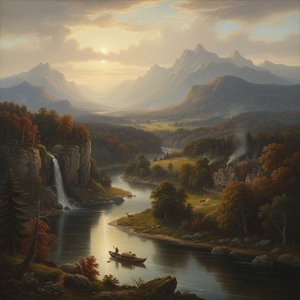
Capturing the American Spirit: A Journey Through Iconic Landscapes and the Legacy of the Hudson River School
Explore the profound beauty of American art history. From the Hudson River School to iconic landscapes, discover a curated journey through the masterpieces that defined a nation's spirit and the enduring legacy of American Romanticism.
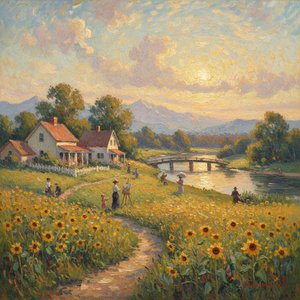
Capturing a Nation's Light: Exploring the American Impressionist Movement
Explore the captivating world of American Impressionism! Discover key artists, techniques & its lasting impact on art history. Find museum-quality reproductions and expert guidance at OriginalUniqueArt.
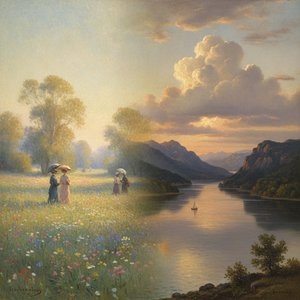
Capturing the Light: A Journey Through the Soul of American Impressionism and the Hudson River School
Explore the luminous beauty of American Impressionism and the Hudson River School. Discover a curated journey through light, landscape, and history, celebrating the enduring legacy of masters through exquisite, hand-painted oil reproductions for the discerning art lover.
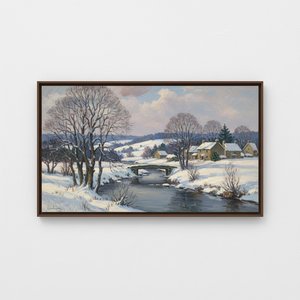
Ernest Lawson: A Pioneer of American Impressionism & His Vision of the Rural Landscape
Explore the life & art of Ernest Lawson, a pivotal figure in American Impressionism. Discover his evocative landscapes, influences, and lasting legacy with OriginalUniqueArt.