

 Vaata sisu
 Jaga teost
 Jaga
Jaga
 Detailid
 Õppekate juhend

 Laadi alla
 Sarnased teosed
 Röntgenuuring
 Slaidietendus
 Statistika
Afternoon

 Loe lähemalt
Käsitsi valmistatud õlimaalireproduktsioon
Meie kunstnike poolt tellimusel valmistatud käsitsi maalitud õli-kainaste teos teie soovitud suuruses ja raamis. ( Lülita trükkitoodetele Ülemineku digitaalse pildi müügi kanalisse)




P118B €10

P118H €10

P118W €10

P438Z €10

P508JH €12

P508YH €12

P805H €10

P805Z €10

P919BZ €10

P919G €10

P919XJ €10

P959ZH €10

P968JZ €12

W106C €8

W218G €10

W218JH €8

W218Y €10

W307PJ €10

W316G €10

W316PJ €8

W316Y €10

W398PJ €8

W4111J €10

W500HY €15

W500JH €15

W692G €12

W849H €8

W940BG €15

W953PJ €8




Vali meie eelmääratud suurused, mis vastavad teose algupärastele proportsioonidele.

Sisestage vajalik laius ja kõrgus, et teos sobiks teie raamile või seinale. Kuna tegu on käsipainatud teosega, siis erineva kujuga suuruse korral võib kunstnik jätta pildi ümber veidi rohkem marginaali või lõigata osa ära — valik on teie. Enne maali alustamist saadame teile kinnitamiseks digitaalse näidisprojektsiooni. Sellel lehel näidatud pilt ei kajasta tegelikku tulemust — seda näitab ainult näidisprojekttsioon.
Pärast tellimust saadab OriginalUniqueArt.com meeskond kliendile e-posti juhised ning esitab eelvaate kavandi
Maailmline tarne 3–4 nädala jooksul tavalise 5 nädala asemel. (26 oktoober). Kvaliteedis kompromisse ei tehta.

Tasuta ekspresssaatmine üle maailma

Kõrgekvaliteediline lina-kangastest muld

Täielik transpordikindlustus

Tollimaksude tagastamise garantii

Värvitoime täpsuse garantii

100 päeva tagastusõigus (ainult defektide korral)

100% raha tagasi garantii

Hulgusoodustus
 Klaasivalik on saadaval ainult kuni 110 cm suuruses teostes

Afternoon
Reproduktsiooni materjal
Reproduktsiooni mõõtmed
-


Lõppsumma
€ 263
Kunstniku elulugu
Ernest Charles Walbourn: A Painter of English Pastoral
Ernest Charles Walbourn, a British landscape painter active primarily in the late 19th and early 20th centuries, possessed a remarkable ability to capture the serene beauty and quiet dignity of rural England. Born in Dalston, Middlesex, on February 16, 1872, into a family with connections to Tasmania, Walbourn’s artistic journey began not as a predetermined path but as a personal pursuit against his father's initial reservations. His early life, marked by a supportive environment and access to art training, laid the foundation for a career dedicated to depicting scenes of idyllic countryside life – a genre deeply rooted in Victorian sensibilities yet imbued with a subtle romanticism.
Walbourn’s artistic development was significantly shaped by his relocation to Chingford, Essex, in 1895. This move provided him with a studio within the family home and crucial financial support, allowing him to fully dedicate himself to painting. His early exhibitions at the Royal Institute of Oil Painters and subsequently at the Royal Academy established a solid reputation, attracting collectors who appreciated his meticulous detail and evocative use of light and color. He skillfully blended academic techniques with a distinctly personal style, creating works that resonated with a longing for simpler times – a sentiment particularly poignant during an era of rapid industrialization and social change.
The Influence of Barbizon Realism
Walbourn’s work is firmly situated within the broader context of Barbizon School painting. Like his contemporaries, including Charles-François Daubigny, he prioritized direct observation of nature and a rejection of overly polished academic styles. However, Walbourn's approach was characterized by an even greater emphasis on capturing atmospheric effects – the subtle shifts in light and shadow that define the English countryside. His paintings are not merely representations of landscapes; they are imbued with a sense of mood and atmosphere, conveying a feeling of tranquility and timelessness.
The influence of Charles Darwin is also subtly present in Walbourn’s work. His depictions of rural life often portray a harmonious relationship between humanity and nature – a reflection of the Victorian fascination with natural history and the belief in the inherent goodness of the natural world. This connection to the land, combined with his technical skill, resulted in paintings that were both aesthetically pleasing and intellectually engaging.
Key Works and Artistic Techniques
Several of Walbourn’s works stand out for their exceptional quality and evocative power. “Backyard,” a particularly compelling example, captures the quiet beauty of a rural setting with remarkable realism and attention to detail. The painting's warm tones and subtle lighting create a sense of intimacy and serenity, inviting the viewer to step into another world. Similarly, his depictions of farm scenes – often featuring young women tending to livestock or gathering flowers – are imbued with a gentle charm and a nostalgic quality.
Walbourn’s technical skill is evident in his masterful use of color, brushwork, and composition. He employed loose, expressive brushstrokes to capture the textures of foliage, soil, and water, while carefully balancing light and shadow to create depth and atmosphere. His ability to render the subtle nuances of natural light was particularly noteworthy, contributing significantly to the overall mood and impact of his paintings.
Legacy and Recognition
Despite facing challenges during his lifetime – including a lack of formal artistic training and the initial disapproval of his father – Ernest Charles Walbourn achieved considerable recognition for his work. His paintings were exhibited at prestigious venues, sold to discerning collectors, and included in the collections of notable museums, such as the Bolton Museum and the Herbert Art Gallery & Museum. His legacy endures through his evocative depictions of English pastoral life, which continue to resonate with viewers today.
Walbourn’s story serves as a testament to the power of perseverance and the enduring appeal of art that celebrates the beauty and tranquility of the natural world. His paintings offer a glimpse into a bygone era – a time when rural England was viewed with both admiration and nostalgia, and when artists sought to capture its essence on canvas.

Ernest Charles Walbourn
1872 - 1927 , United Kingdom
Lühikest infot
- Full Name: Ernest Charles Walbourn
- Nationality: British
- Date Of Birth: 1872
- Date Of Death: 1927
- Place Of Birth: Greater London, United Kingdom
- Notable Artworks:
- Backyard
- La Païva
- Artistic Movement Or Style: Academic Painting
- Artists Who Influenced This Artist: ['Charles Daubigny']
- Artists Or Movements Influenced By This Artist: ['Barbizon School']
Sarnased artiklid

John Constable: 25 Suurimat Teost Inglise Maastikumaali Tippu
Avastage John Constable'i 25 suurimat teost! Sukeldu inglise maastikumaali romantismisse, imetlege Dedham Vale ilu ja leia inspiratsiooni kodukaunistuseks. Kvaliteetsed kunstireprodutsioonid OriginalUniqueArt.com-is. Vaata kohe!

Cultivating Visions: A Historical Journey Through Rural Landscapes in Art
Explore the rich history of rural landscape painting with OriginalUniqueArt. Discover Impressionist masterpieces, key artists & movements. Find your perfect serene artwork and bring nature's beauty home.
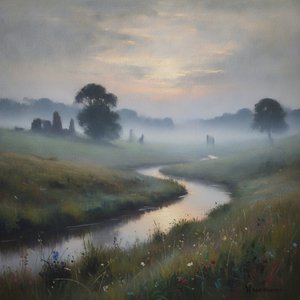
Capturing the Mist: The Timeless Beauty of British Landscape Impressionism
Explore the ethereal beauty of British Landscape Impressionism. Discover how masters captured light and mist through plein air techniques, offering a profound connection to the English countryside's timeless, atmospheric soul.

Paul Cézanne: 25 Meisterteost, mis Muutsid Maailma Kunsti | OriginalUniqueArt
Avastage Paul Cézanne 25 kõige ikoonilisemat teost! Sukeldume postimpressionismi maailma, värviliste still life'ide ja Mont Sainte-Victoire maalide lugudesse. Leidke inspiratsiooni interjööri disainiks OriginalUniqueArt.com-is. Vaadake maali reproduktsioone!

Evocations of Place: A Historical Journey Through Landscape Art
Explore the rich history of landscape art with OriginalUniqueArt. Discover renowned artists, movements like Impressionism & Romanticism, and expert guidance for collecting timeless pieces. Find your perfect serene escape today!