 Eelvaade
 Saada
Saada Jaga
Jaga
 Teave teose kohta
 Juhend

 Laadi alla
 Sarnased teosed
 Röntgenuuring
 Slaidietendus
 KÜSIMUSED JA VASTUSID
 Statistika
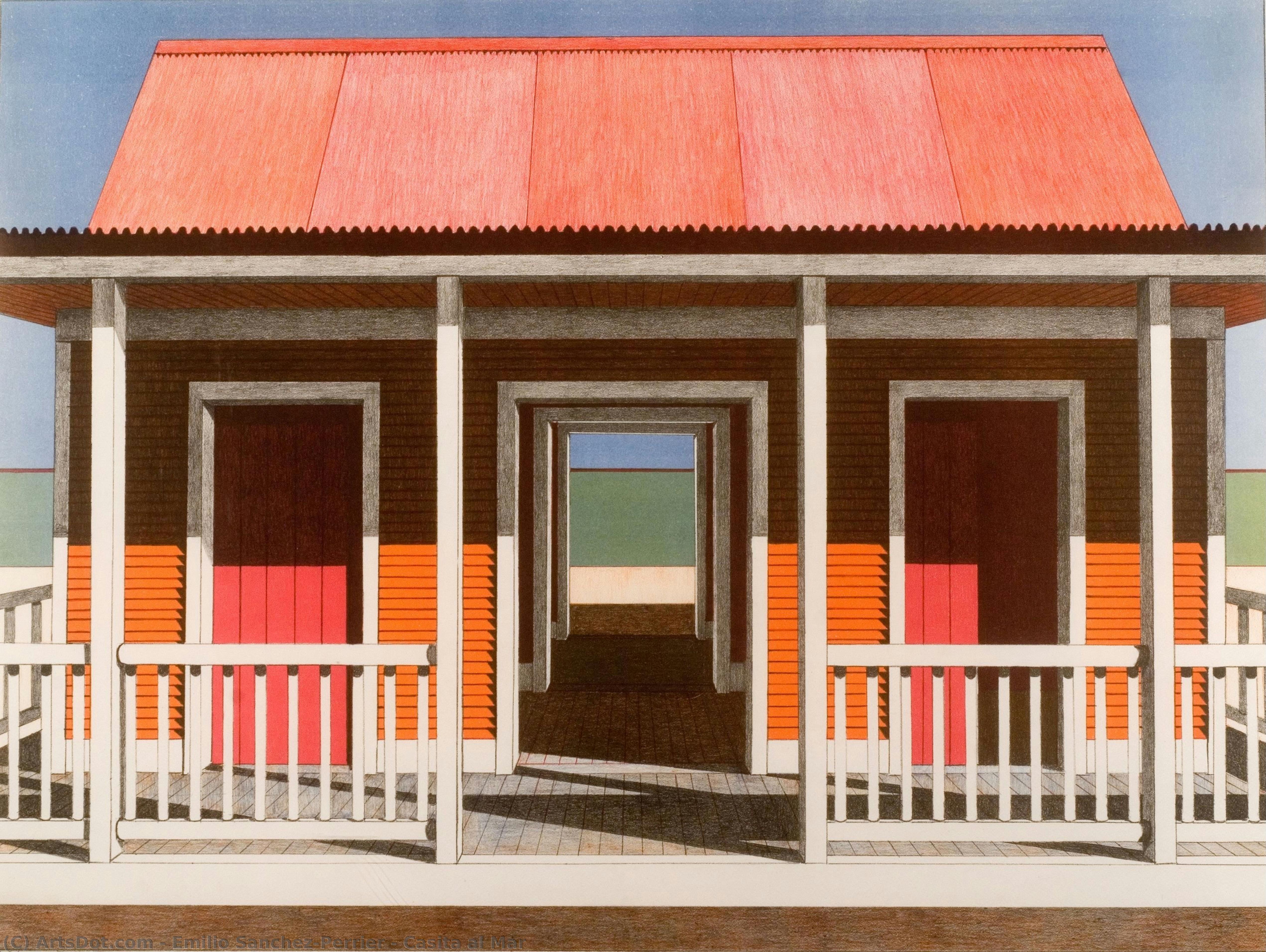
Casita al Mar


 Loe lähemalt
Giclée / Kunstiprint
Muuseumikvaliteediga giclée- või kangasprint kiire tootmisega ja paindlikud viimistlusvõimalused. ( Osta käsitsi maalatud teos Lülita digitaalse pildi juurde)




P118B €10

P118H €10

P118W €10

P438Z €10

P508JH €12

P508YH €12

P805H €10

P805Z €10

P919BZ €10

P919G €10

P919XJ €10

P959ZH €10

P968JZ €12

W106C €8

W218G €10

W218JH €8

W218Y €10

W307PJ €10

W316G €10

W316PJ €8

W316Y €10

W398PJ €8

W4111J €10

W500HY €15

W500JH €15

W692G €12

W849H €8

W940BG €15

W953PJ €8




Vali meie eelmääratud suurused, mis vastavad teose algupärastele proportsioonidele.

Sisestage vajalik laius ja kõrgus, et see sobiks teie raamile või seinale. Trükki saab ainult lõigata, seda ei saa kunagi pildist suuremaks teha, seega ka erineva mustega suurus kaotab osa pildist. Enne trükkimist saadame teile kinnitamiseks digitaalse näidisprojektsiooni. Sellel lehel näidatud pilt ei kujuta reaalset lõiget — seda näitab ainult näidisprojektsioon.
Ülemaailmne tarne () 2 nädala jooksul, tavalise 4/5 nädala asemel. (8 november)

Tasuta ekspresssaatmine üle maailma

Kõrgekvaliteediline lina-kangas

Täielik transpordikindlustus

Tollimaksude tagastamise garantii

Värvitoime täpsuse garantii

100 päeva tagastusõigus (ainult valmistusdefektide korral)

100% raha tagasi garantii

Hulgusoodustus
 Klaasivalik on saadaval ainult kuni 110 cm suuruses teostes

Casita al Mar
Giclée / Kunstiprint
Reproduktsiooni suurus
-


Koguhind
€ 72
A Reverie in Red and Ochre: Exploring Emilio Sánchez Perrier’s “Casita al Mar”
Emilio Sánchez Perrier's "Casita al Mar" isn't merely a depiction of a coastal dwelling; it’s an immersion into memory, a carefully constructed echo of the architectural soul of Cuba. Painted in 1974, this artwork embodies the artist’s signature style – a deliberate reduction to essential forms, prioritizing the interplay of verticals and horizontals that create a powerfully linear composition. The painting's vibrant palette, dominated by rich reds and oranges punctuated with crisp white trim, immediately draws the eye, inviting contemplation of its geometric precision.
- Architectural Roots: Sánchez’s “casitas,” as he termed them, are deeply rooted in the nostalgic recollection of Cuban vernacular architecture. Carol Damian notes that these structures "are formed from memory of Cuban architecture," suggesting a profound connection to his homeland and its distinctive aesthetic.
- Geometric Harmony: The artist's training at the Art Students League in New York City, coupled with his fascination for color and shadow manipulation, resulted in compositions that are strikingly geometric and almost abstract. This deliberate approach elevates the humble house into a study of form and light.
- A Touch of Fortuny: Sánchez’s early mentorship with Mariano Fortuny proved pivotal. Fortuny's influence – characterized by a vibrant palette and meticulous attention to detail – is undeniably present in "Casita al Mar," contributing to the painting’s luminous quality and sophisticated technique.
Decoding the Symbolism of Space
"Casita al Mar" transcends a simple representation of a building; it's an exploration of domesticity, tranquility, and perhaps even a yearning for simpler times. The large open doorway acts as a portal, inviting the viewer into a space that feels both welcoming and slightly removed. The bench within the interior suggests a place for quiet reflection, while the chair near the entrance hints at moments of social connection. This carefully arranged composition speaks to the fundamental human need for shelter, comfort, and community.
- The Open Doorway: Symbolically, the open doorway represents opportunity, invitation, and a connection between the interior world and the expansive sea beyond.
- The Bench & Chair: These elements reinforce the theme of domesticity and relaxation, suggesting a space designed for respite and contemplation.
Technique and Artistic Vision
Sánchez Perrier’s mastery is evident in his precise rendering of form and light. The use of color is not haphazard; it's deliberately employed to create depth, volume, and a sense of atmosphere. The sharp contrasts between the warm reds and oranges and the cool white trim heighten the visual impact, drawing attention to the building’s architectural details. His technique reflects a meticulous approach honed through years of training and a deep understanding of artistic principles.
- Linear Emphasis: The dominant use of straight lines creates a sense of order and stability, reflecting the artist's deliberate control over composition.
- Color as Form: Sánchez Perrier skillfully uses color not just for decorative effect but as an integral element in defining form and creating spatial illusion.
A Legacy of Light and Memory
"Casita al Mar" stands as a testament to Emilio Sánchez Perrier’s artistic vision – a fusion of technical skill, architectural sensibility, and deeply personal nostalgia. Created during a period of significant change in his life, the painting offers a poignant glimpse into his enduring connection to Cuba and his ability to translate memory into a powerfully evocative work of art. This piece is more than just a beautiful image; it’s an invitation to step into a world of light, color, and timeless beauty.
Korduvad küsimused
Milline on teose „Casita al Mar“, autor Emilio Sánchez Perrier värvitooni intensiivsus?
Teoses „Casita al Mar“, autor Emilio Sánchez Perrier on Vivid värvitoon.
Milline toon on teoses „Casita al Mar“, autor Emilio Sánchez Perrier domineeriv?
"Casita al Mar" on kallutunud Amber to Saffron toonile.
Millist emotsiooni „Casita al Mar“, autor Emilio Sánchez Perrier edastab?
Teose „Casita al Mar“, autor Emilio Sánchez Perrier emotsionaalne toon on Nostalgic. See kokkuvõtab tunnet, mida teos väljendab.
Kunstniku elulugu
Valgusest maalatud elu: Emilio Sánchez Perrier maailm
Emilio Sánchez Perrier, kes sündis 1855. aastal Sevillat kütitavas südames, oli kunstnik, kelle eesmärk oli tabada valguse ja atmosfääri üügiust ja katoavat ilu. Tema teekond ei algunud pintsliga käes, vaid oma isa kellasepadapoodi täpsete mehhanismide keskel. Kuid isegi rataste ja vedrudega täidetud hoolikas maailmas ärkas tema sees loov vaim, mis juhtis teda Sevillas ja hiljem Madridis asunud Kunstikooli rangese koolituse juurde. Need kujundavate aastad laetas tugeva aluse, installeerides temasse tehnika pühendumuse, mis sai hiljem tema stiili üks eripära. Siiski oli just 1871. aastal Granadas toimunud kohtumine Mariano Fortunyga see, mis tõeliselt süütele tema kunstilise visiooni. Fortuny mõju – kirev palett ja terav tähelepanu detailidele – süzus sügavalt Perrieri arenevas esteetikasse. See varajane mentorlus osutus otsustavaks, kujundades tema karjääri suunda, kui ta omakasutas maaliumi ja akvareli maali kunstiga üha suurema kannatusega.Pariisi horisontid ja kunstiline täiustumine
Pariisi lummav kutse avanes 1879. aastal, pakkudes Sánchez Perrierile värava uutele kunstilistele horisontidele. Ta sülmis end Auguste Bolardi, Jean-Léon Gérôme ja Félix Ziemi ateljeitesse, kus iga meister aitab tema arengul unikaalsel viisil. Nende mitmekülgiflete mõjudest õppimine laiendas tema vaateoskust, tuues esile tema pühendumuse maalirtele, samal ajal avades talle uusi lähenemisi kompositsioonile ja tehnikale. Barbizon-kooli rõhuasetus looduse otsesel jälgmisel resonantsis leidis tema sügema südames, nagu ka Ziemi loomingus leiduv luminatsiooniline kvaliteet. Need Pariisi kogemused ei olnud pelgalt oskuste omandamine; need pidid olema vaimu imeldu, et omastada pühendumus valguse ja atmosfääri lennukaid hetki tabamisele, mis defineerivad kohta. Ta maalis en plein air Fontainebleau'i ja Barbizon'i ümberringis, teritando oma võimekust tõlada loomamaailma k Amalitusega puhtalt lõukendatud kangile.Venetsia, Andalusia ja kohuse olemus
Sánchez Perrieri kunstiline hääl õitsnes tõeliselt siis, kui ta hakkas keskenduma kindlate asukohtadele – Venetsiale ja Andalusiale. Ta sai eriti kuuks tuntud oma võlgestavate Venetsia kujutuste poolest, tabades mitte ainult selle arhitektuurilist hiilgusest, vaid ka selle unikaalset šarmis ja romantilist atmosfääri. Tema maalid transpordivad vaatajad kanalite ja palatode juurde, mis on märgastatud pehme ja eeterilise valgusega. Samas jäi ta sügavalt seotud oma andaluslike juurtele, portreteerides Lõuna-Hispaania maastikke ja igapäevast elu samavõrdse oskuse ja tundlikkusega. Teosed nagu Triana (1rag 1889) pakuvad lummavat pilku Sevillat k asumitele, samas kui Bank of the Guadaira with boat (umbik. 1890) on näide Andalusia maapiirkonna rahulikust ilust. Tema stiil on veenvalt realismi ja impressionistliku tundlikkuse segu; ta ei kirjuta üles lihtsalt seda, mida näeb, vaid tekitab tunde, atmosfääri, mis jääb meelde veel kaua pärast tema teose vaatamist. Ta suutis suurepäraselt tasakaalutada üksikasjalikku jälgimist poeetilise valguse ja värvi tõlgendamisega.Pärand ja püsiv mõju
Emilio Sánchez Perrieri panus Hispaania maalirindluses on märkimisväärne, kuigi ehk mitte nii laialt tunnustatud kui mõnete tema kaaslaste. Tema töö peegeldab 19. sajandi lõpu kunstilisi voolu – Barbizon-kooli mõju, Pariisi õppimisest saadud orientalismi puudutust ja ainulaadset hispaanide tundlikkust, mis on juurdunud tema andaluslikku pärandisse. Ta õnnestus tabada nii Andalusia elu olemust kui ka Venetsia lummust, luues teosekogumi, mis resonatseerib tänapäevastega. Tema maalid pakuvad pilku möödunud ajastusse, demonstreerides suurepärast talenti mitte ainult füüsilise ilu, vaid ka kohuse vaimu tabamiseks. Isegi praegu seisavad tema teosed – nagu Maltas asuvas Museo Carmen Thyssenis paiknevad Winter in Andalusia (poplars and sheep at Alcalá de Guadaira) – kui tõestusid tema oskusele ja visioonile. Sánchez Perrier surmas 1907. aastal, jättes järele võlgestavate maastikude pärandi, mis jätkavad maailma kunstihuviliste inspireerimist ja võlustamist. Tema maalid ei ole lihtsalt kohtade esitused; need on kutsed kogeda neid uuesti läbi kunstniku silmade, kes mõistis valguse, värvi ja atmosfääri jõudu.
Emilio Sánchez Perrier
1855 - 1907
Lühikest infot
- Artistic Movement Or Style: Realism, Impressionism
- Artists Or Movements Influenced By This Artist:
- Barbizon kool
- Orientalism
- Artists Who Influenced This Artist:
- Mariano Fortuny
- Auguste Bolard
- Jean-Léon Gérôme
- Félix Ziem
- Date Of Birth: 1855
- Date Of Death: 1907
- Full Name: Emilio Sánchez Perrier
- Nationality: Hispaania
- Notable Artworks:
- Triana (1889)
- Kalur ja poeg paadis (1907)
- Guadaira rand
- Talv Andaluusias
- Place Of Birth: Sevilla, Hispaania
Sarnased artiklid

OriginalUniqueArt.com F.A.Q.: Elevate Your Decor with Premium Textured Giclée Prints
Discover the distinction of OriginalUniqueArt.com premium textured Giclée prints. Expertly crafted with archival 12-color pigments and museum-grade substrates, our prints offer unparalleled vividness for the discerning collector seeking luxury, durability, and timeless elegance.