
 Eelvaade
 Saada
Saada Jaga
Jaga
 Teave teose kohta

 Laadi alla
 Sarnased teosed
 Röntgenuuring
 Slaidietendus
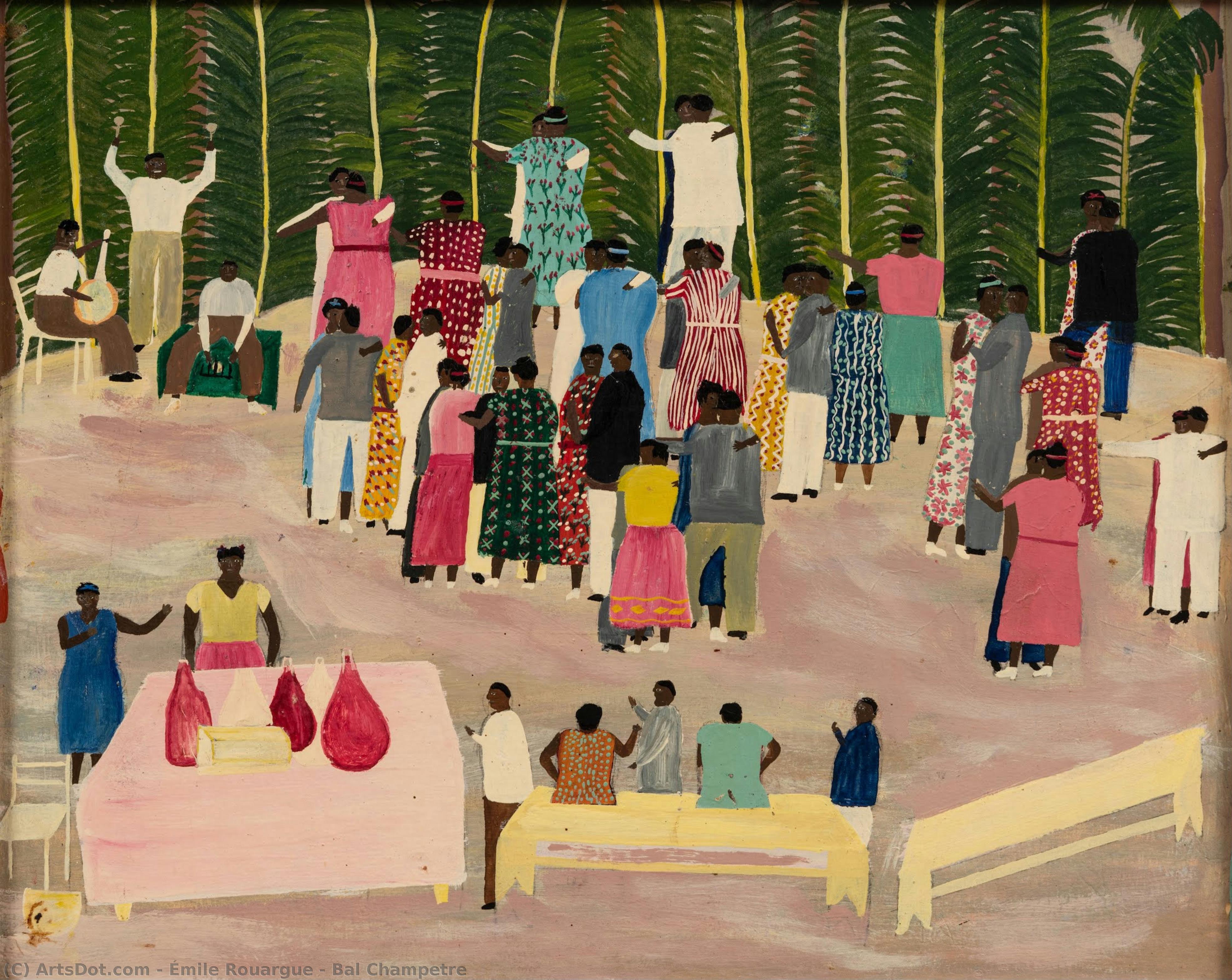
Bal Champetre


 Loe lähemalt
Käsitsi valmistatud õlimaalireproduktsioon
Meie kunstnike poolt tellimusel valmistatud käsitsi maalitud õli-kainaste teos teie soovitud suuruses ja raamis. ( Lülita trükile Vaata pilti)




P118B $10

P118H $10

P118W $10

P438Z $10

P508JH $12

P508YH $12

P805H $10

P805Z $10

P919BZ $10

P919G $10

P919XJ $10

P959ZH $10

P968JZ $12

W106C $8

W218G $10

W218JH $8

W218Y $10

W307PJ $10

W316G $10

W316PJ $8

W316Y $10

W398PJ $8

W4111J $10

W500HY $15

W500JH $15

W692G $12

W849H $8

W940BG $15

W953PJ $8




Vali meie eelmääratud suurused, mis vastavad teose algupärastele proportsioonidele.

Sa võite sisestada oma mõõtmed konkreetse raami või ruumi sobivuse tagamiseks. Kui teie valitud suurus ei vasta originaalpildi proportsioonidele, siis kärvime kunstiteost või laiendame maali täiendavate käsitsi maalitud elementidega. Enne tootmise algust saadetakse teile heakskiitmiseks digitaalne eelvaade.
Palun pidage meeles, et ekraanil kuvatav eelvaade ei kajasta tegelikku kärpimist või laiendamist. Ainult eelvaade näitab täpselt lõplikku kompositsiooni.
Kuigi on saadaval kohandatud suurused, soovitame originaalproportsioonide säilimiseks valida mõõdud eelmääratletud nimekirjast.
Pärast tellimust saadab OriginalUniqueArt.com meeskond kliendile e-posti juhised ning esitab eelvaate kavandi.
Maailmline tarne 3–4 nädala jooksul tavalise 5 nädala asemel. (10 august). Kvaliteedis kompromisse ei tehta.

Tasuta ekspresssaatmine üle maailma

Kõrgekvaliteediline linakangas

Täielik transpordikindlustus

Tollimaksude tagastamise garantii

Värvitoime täpsuse garantii

60-päevane tagastusõig: ainult tootmisdefektide korral

100% raha tagasi garantii

Hulgusoodustus
 Klaasivalik on saadaval ainult suuruses kuni 110 cm

Bal Champetre
Reproduktsiooni tehnika
Reproduktsiooni suurus
-


Kogusumma
$ 300
Kunstniku elulugu
The Architectural Visions of Émile Rouargue
Émile Jean Horace Vernet, known as émile rouargue (Paris, 1796 – Epône, 1865), occupies a fascinating niche in the history of 19th-century French printmaking. Though not a household name like some of his contemporaries, Rouargue and his brother Adolphe carved out a significant space for themselves with their captivating engravings of architectural fantasies and meticulously detailed cityscapes. Their work wasn’t born from direct observation alone; it was an imaginative synthesis of real places, historical styles, and a burgeoning romantic sensibility that resonated deeply with the public.
Rouargue's career unfolded during a period of rapid social and artistic change. The Napoleonic era had recently concluded, leaving France eager to rebuild—both physically and culturally. The rise of the middle class created a new market for affordable art, and printmaking flourished as a means of disseminating images widely. While many artists focused on historical or allegorical subjects, Rouargue found success in depicting the built environment, albeit often an idealized or imagined one. He wasn’t simply documenting existing structures; he was constructing visions of grandeur, order, and beauty.
A Collaborative Practice: Rouargue Frères
The story of Émile Rouargue is inextricably linked to that of his brother, Adolphe. Together they formed a highly effective artistic partnership, dividing labor and complementing each other’s skills. While the precise nature of their collaboration remains somewhat unclear—it's often difficult to attribute specific works definitively to one brother or the other—they operated as “Rouargue Frères,” presenting a unified front to the art market. Their engravings were frequently published in periodicals, reaching a broad audience hungry for visual stimulation and escapism. This accessibility was key to their popularity; they weren’t catering to an elite clientele but rather to a growing segment of society that valued both artistry and affordability.
The British Museum holds several examples of their work, attesting to the international reach of their engravings. These prints often showcase elaborate architectural designs—palaces, churches, public squares—populated with figures engaged in everyday life. The level of detail is remarkable, capturing not only the broad forms of buildings but also the textures of stone, the play of light and shadow, and the nuances of human interaction. It’s this attention to detail that lends their work a sense of realism, even when depicting fantastical scenes.
Themes and Techniques
Rouargue's engravings are characterized by several recurring themes. A fascination with classical architecture is evident in many of his works, reflecting the enduring influence of ancient Greece and Rome on French artistic taste. He frequently depicted European cities—Paris, Venice, Rome—but often infused them with an idealized quality, removing blemishes and emphasizing their most picturesque aspects. The architectural fantasies are particularly striking, showcasing elaborate designs that blend different styles and create a sense of otherworldly beauty.
Technically, Rouargue was a skilled engraver, employing precise lines and subtle shading to create depth and texture. His work demonstrates a mastery of the engraving process, allowing him to translate complex compositions onto paper with remarkable clarity. The use of light and shadow is particularly effective, creating a sense of drama and atmosphere. He often utilized cross-hatching and stippling techniques to build up tonal values and add visual interest.
Legacy and Historical Significance
While Émile Rouargue may not be as widely recognized today as some of his more famous contemporaries, his work offers a valuable glimpse into the artistic sensibilities of 19th-century France. His engravings reflect the era’s fascination with architecture, its romantic yearning for beauty and order, and its growing demand for affordable art. The collaborative nature of his practice—working alongside his brother Adolphe—also speaks to the dynamics of the art market during this period.
Rouargue's legacy lies in his ability to create captivating visions of the built environment that resonated with a broad audience. His work wasn’t simply about documenting reality; it was about constructing idealized worlds, offering escapism and inspiration to those who sought it. Today, his engravings remain a testament to the enduring power of printmaking and the artistic imagination.

émile rouargue
1796 - 1865 , France
Lühikesed faktid
- Artistic Movement Or Style: Engraving, Illustration
- Date Of Birth: 1796
- Date Of Death: 1865
- Full Name: Émile Rouargue
- Nationality: French
- Place Of Birth: Paris, France
Seotud artiklid

The Rhythmic Canvas: Exploring Representations of Dance Across Art History
Explore the captivating history of dance in art! From Degas' ballet scenes to abstract expressions, discover how artists have captured movement and cultural significance across time. Expert insights for collectors & enthusiasts.
Idyllic Visions: Exploring the Pastoral Tradition in Western Art – Themes, Techniques & Enduring Appeal
Explore the rich history of pastoral art from classical Arcadia to contemporary interpretations. Discover key artists, themes & collecting tips at OriginalUniqueArt.

Idyllic Visions: Exploring the Pastoral Scene in Art History – From Arcadia to Modern Interpretations
Explore the captivating history of pastoral art from classical Arcadia to modern masterpieces. Discover key artists like Millet & Cole at OriginalUniqueArt. Find serene landscape paintings for your home.

Hokusai's Masterpieces: 25 Iconic Prints & Paintings for Art Lovers | OriginalUniqueArt
Journey through Katsushika Hokusai’s 25 most iconic artworks, including *The Great Wave*. Explore the ukiyo-e master's history, style & timeless Japanese woodblock prints. Find museum-quality reproductions for your home at OriginalUniqueArt.com.

Pierre-Auguste Renoiri 25 parimat teost: Impressiooni ja ilu meistriteosed kodus
Avastage Pierre-Auguste Renoiri 25 parimat teost! Sukelduge impressioonismi maailma, nautides valgusrikkaid maale ja romantikat. Kunstiteosed kodu sisustuseks – eksklusiivne kollektsioon OriginalUniqueArt.com'is. Vaata kohe!

