
 Vaata sisu
 Jaga teost
 Jaga
Jaga
 Detailid
 Õppekate juhend

 Laadi alla
 Sarnased teosed
 Röntgenuuring
 Slaidietendus
 Statistika
Crucifixion,
 Acrylic On Canvas
- WallArt
- Expressionist Symbolism
 1912
1912- 19th Century
 221.0 x 194.0 cm
 Loe lähemalt
Käsitsi valmistatud õlimaalireproduktsioon
Meie kunstnike poolt tellimusel valmistatud käsitsi maalitud õli-kainaste teos teie soovitud suuruses ja raamis. ( Lülita trükkitoodetele Ülemineku digitaalse pildi müügi kanalisse)




P118B €10

P118H €10

P118W €10

P438Z €10

P508JH €12

P508YH €12

P805H €10

P805Z €10

P919BZ €10

P919G €10

P919XJ €10

P959ZH €10

P968JZ €12

W106C €8

W218G €10

W218JH €8

W218Y €10

W307PJ €10

W316G €10

W316PJ €8

W316Y €10

W398PJ €8

W4111J €10

W500HY €15

W500JH €15

W692G €12

W849H €8

W940BG €15

W953PJ €8




Vali meie eelmääratud suurused, mis vastavad teose algupärastele proportsioonidele.

Type the width and the height you need, to fit your frame or your wall. This is hand-painted, so for a size with a different shape the artist can paint a bit more around the picture, or cut a bit — you choose. We send you a digital mockup to approve before the painting starts. The picture shown on this page does not show the real result — only the mockup does.
Pärast tellimust saadab OriginalUniqueArt.com meeskond kliendile e-posti juhised ning esitab eelvaate kavandi
Maailmline tarne 3–4 nädala jooksul tavalise 5 nädala asemel. (14 oktoober). Kvaliteedis kompromisse ei tehta.

Tasuta ekspresssaatmine üle maailma

Kõrgekvaliteediline lina-kangastest muld

Täielik transpordikindlustus

Tollimaksude tagastamise garantii

Värvitoime täpsuse garantii

100 päeva tagastusõigus (ainult defektide korral)

100% raha tagasi garantii

Hulgusoodustus
 Klaasivalik on saadaval ainult kuni 110 cm suuruses teostes

Crucifixion,
Reproduktsiooni materjal
Reproduktsiooni mõõtmed
-


Lõppsumma
€ 260
A Profound Meditation on Suffering: Emil Nolde's Crucifixion (1912)
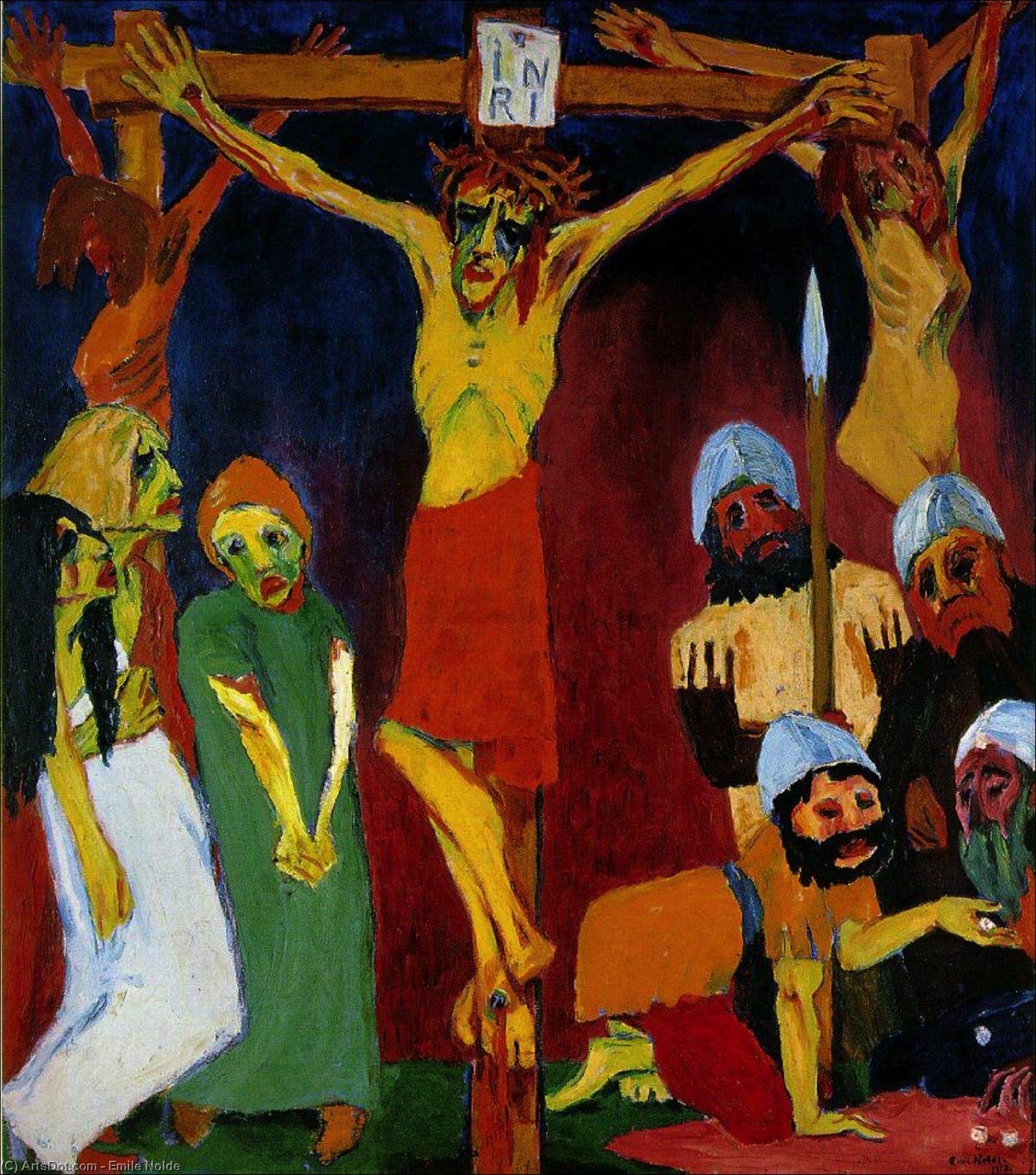
Emil Nolde’s Crucifixion, painted in 1912, is not merely a depiction of a biblical event; it’s a visceral exploration of human suffering and faith rendered with an arresting intensity. Measuring 221 x 194 cm, this canvas immediately commands attention with its dramatic composition and the artist's signature use of bold, expressive color. Nolde, deeply influenced by the works of Van Gogh and Gauguin, alongside a fascination with primitive art forms – particularly the raw emotion conveyed through masks and carvings – sought to bypass representational accuracy in favor of conveying profound spiritual truths. The painting’s power resides not just in its subject matter but in the artist's ability to translate complex emotions onto the canvas with remarkable directness.
Subject Matter and Composition
The scene is unequivocally the crucifixion of Christ, a cornerstone event in Christian theology. Nolde meticulously portrays Jesus on the cross, his body contorted in agony, arms outstretched in a gesture both vulnerable and defiant. The surrounding figures – a solitary figure to the left and another to the right, along with a throng gathered around the base of the cross – are not simply observers; they are participants in this monumental drama. Their postures, expressions, and spatial arrangement contribute to the painting’s dynamic tension, reflecting the emotional weight of the moment. Notably, the inclusion of a knife adds an element of unsettling ambiguity, perhaps symbolizing betrayal or the inherent violence within human nature.
Technique and Color – A Language of Emotion
- Impasto Technique: Nolde employs a thick impasto technique, layering paint with considerable texture. This creates a palpable sense of physicality, emphasizing the roughness of the wood, the vulnerability of Christ’s body, and the raw emotion conveyed through the figures' expressions.
- Bold Color Palette: The artist utilizes a vibrant, almost jarring color palette – deep reds, blues, and yellows – to heighten the emotional impact. These colors are not used realistically but rather expressively, amplifying the sense of suffering and spiritual intensity.
- Simplified Forms: Nolde simplifies forms, reducing figures to their essential shapes, further intensifying the painting’s symbolic power. This stylistic choice aligns with his broader interest in exploring primal emotions and spiritual truths through a non-naturalistic lens.
Symbolism and Historical Context
Painted during a period of significant artistic experimentation and religious questioning, Crucifixion reflects the anxieties and spiritual searches of early 20th-century Europe. The painting’s raw emotionality speaks to a desire for authentic experience beyond traditional religious dogma. The scene itself is laden with symbolism – Christ's sacrifice representing redemption, faith, and hope amidst despair. Nolde’s deliberate rejection of academic conventions aligns him with the Expressionist movement, which sought to convey subjective emotions rather than objective reality. The painting was created in 1912, a year marked by social unrest and political upheaval, suggesting a deeper engagement with themes of human suffering and injustice.
Emotional Impact and Artistic Legacy
Crucifixion remains a profoundly moving work of art. Its power lies in its ability to evoke empathy and contemplation, prompting viewers to confront the fundamental questions of faith, suffering, and redemption. Nolde’s masterful use of color, texture, and composition creates an unforgettable image that continues to resonate with audiences today. This hand-painted reproduction offers a unique opportunity to experience the full force of Nolde's artistic vision – a testament to his enduring legacy as one of Germany’s most important Expressionist painters.
Küsimused ja vastused
Mis on originaalteose „Crucifixion,“, autor Emil Nolde tehnika ja suurus?
Teos "Crucifixion," on valmistatud tehnika Acrylic On Canvas ja algses vormis mõõdetakse 221 x 194 cm.
Millissele stiilile kuulub "Crucifixion,"?
"Crucifixion," on Expressionist Symbolism suunaga teos. See suundumine viitab kunstilisele traditsioonile, levinud osa millest teos on.
Kas teose "Crucifixion," looja Emil Nolde on tuntud ka muude nimede all?
Teised Emil Nolde jaoks kirjutatud nimed, teose "Crucifixion," looja, hõlmavad ka Hans Emil Hansen.
Kunstniku elulugu
Emil Nolde: Elu ja Pärand
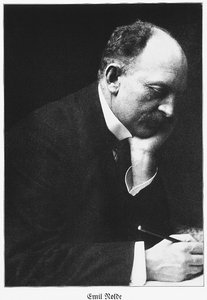
Hans Emil Hansenina sündinud Emil Nolde, kelle nimi hiljem kunstimaailmas tuntuks sai, oli 7. augustil 1867 Saksamaa Schleswig-Holsteini maakonnas asuvas Noldes põllumeeste ja tugeva religioosse taustaga perekonnas. Varajased elukogemused ning perekonna väärtushinnangud mängisid olulist rolli tema kunstilises nägemuses. Kuigi vanemad soovisid pojale traditsioonilisemat karjääri, ei suutnud nad peatada tema kirge kunsti vastu. Nolde alustas puuritöö ja mööblikaunistajana, kuid pühendus täielikult maalimisele alles oma kahekümnendate lõpus.
Kunstiline Areng ja Mõjutused
Nolde kunstiline tee oli iseseisev õppimine ja avastamine. Ta reisis palju, omandades inspiratsiooni erinevatest kultuuridest ja kunstivormidest. Varajasteks mõjutajateks olid Vincent van Gogh, Paul Gauguin ning traditsiooniline rahvakunst – eriti primitiivsete maskide ja skulptuuride väljendusjõud. Need kohtumised süütasid temas huvi julgete värvide, lihtsustatud vormide ja emotsionaalselt laetud teemade vastu. Esialgu katsetas ta realismiga ja impressionismiga, kuid pöördus kiiresti subjektiivsema ja ekspressiivsema stiili poole.
Die Brücke ja Ekspressionistlik Läbimurre
1905. aastal asutas Nolde kaasa Die Brücke (Sild), oluline Saksamaa ekspressionistide grupp. See kollektiiv püüdles akadeemiliste traditsioonide murdmise ja sisemiste emotsioonide väljendamise poole radikaalsete kunstikatsetuste kaudu. Nolde panus Die Brückesse oli märkimisväärne; tema intensiivne värvikasutus ja moonutatud vormid nihutasid representatsiooni piire. Siiski säilitas ta grupis oma iseseisva tee, erineledes sageli teemavalikus ja stilistilises lähenemises.
Põhilised Teemad ja Kunstiline Stiil
Nolde loomingut iseloomustavad korduvad teemad: religioossed stseenid, maastikud, meremaalid ja portreed. Ta oli eriti paelunud maskide võimust – nii füüsiliste objektidena kui ka ürgsete emotsioonide sümbolitena. Tema kunstilist stiili defineerivad:
- Julged, elavates värvides kasutamine emotsionaalse intensiivsuse edasiandmiseks
- Moonutatud vormid rõhuavad väljendusjõudu realistliku representatsiooni ees
- Impasto tehnika – paksu värvikihiga katmine, mis loob tekstuuri
- Fookus sisemiste psühholoogiliste seisundite tabamisel
Olulised Teosed ja Saavutused
Karjääri jooksul lõi Nolde tohutu hulga teoseid. Mõned tema tuntuimad maalid on:
- Maskid (1906-1907) – demonstreerib tema kirge primitiivse kunsti vastu
- Kristuse pilkamine (1909) – võimas ja emotsionaalselt laetud religioosne stseen
- Sügismeri (1908) - näitab tema ekspressiivset maalikunst.
- Lilleaed (Tüdruk ja Pesu) (1907)
- Tants kuldse vasika ümber (1909)
Vaatamata kriitikale ja tsensuurile natsirežiimi ajal – tema loomingut peeti “degenereerunuks” – jätkas Nolde maalimist salaja. Sel perioodil valmis tal oluline kogus akvarelle, mis demonstreerisid tema vankumatut pühendumust kunstilisele väljendusele.
Ajalooline Tähtsus ja Pärand
Emil Nolde uuenduslik värvikasutus ja ekspressiivne pintslitehnika mõjutasid sügavalt mitmeid põlvkondi kunstnikke. Tema töö sillastas traditsioonilise representatiivse kunsti ning järgnenud abstraktseid liikumisi. Ta on endiselt keskne figuur Saksamaa ekspressionismi ajaloos, tuntud oma emotsionaalse intensiivsuse, julgete katsetuste ja kestva kunstinägemuse poolest. Tema pärand inspireerib tänini kunstnikke ja kunstiarmastajaid üle maailma.
Emil Nolde
1867 - 1956 , Saksamaa
Lühikest infot
- Kunstiliikumine: Ekspressionism
- Mõjutanud Kunstnikud:
- Van Gogh
- Gauguin
- Mõjutatud Kunstnikud: ['Abstraktne kunst']
- Olulised Teosed:
- Maskid
- Naeruga Kristus
- Autumn Sea
- Rahvus: Saksa-Taani
- Surmapäev: 1956
- Sündimiskoht: Nolde, Saksamaa
- Sünnipäev: 7. august 1867
- Täisnimi: Hans Emil Hansen
Sarnased artiklid

German Expressionism's 10 Defining Masterpieces | Art for Your Home
Explore 10 defining German Expressionism masterpieces – from Munch's 'The Scream' to Kandinsky’s abstracts. Discover the artists, stories & bold colors behind this powerful art movement. Find museum-quality reproductions at OriginalUniqueArt.com.

Giclée Prints: Archival Quality & Aesthetic Nuances for the Discerning Collector
Explore the world of giclée prints with OriginalUniqueArt. Learn about archival quality, aesthetic nuances & investment potential. Expert guidance for discerning art collectors seeking museum-quality reproductions and lasting value.

The Enduring Legacy of Fine Art Prints: Technique, History & Aesthetic Impact
Explore the rich history & techniques of fine art prints. Discover investment potential, assess authenticity, and learn how to preserve your collection with expert guidance. Trusted insights for discerning collectors.

Echoes of Time: Exploring the Enduring Appeal & Historical Context of Vintage Art Prints
Explore the captivating world of vintage art prints! Discover their history, collecting tips & enduring appeal. Expert insights on chromolithography and building a legacy collection with OriginalUniqueArt.

Bold Strokes & Powerful Visions: 10 Artworks That Command Attention | OriginalUniqueArt
Experience art's raw power! Explore 10 iconic paintings – Van Gogh, Kahlo & more – that define 'bold'. Discover the stories behind these expressive masterpieces and find museum-quality reproductions for your home at OriginalUniqueArt.com.

