
 Eelvaade
 Saada
Saada Jaga
Jaga
 Teave teose kohta
 Juhend

 Laadi alla
 Sarnased teosed
 Röntgenuuring
 Slaidietendus
 KÜSIMUSED JA VASTUSID
 Statistika
Interior with a Lady Playing the Virginal


 Loe lähemalt
Giclée / Kunstiprint
Muuseumikvaliteediga giclée- või kangasprint kiire tootmisega ja paindlikud viimistlusvõimalused. ( Osta käsitsi maalatud teos Lülita digitaalse pildi juurde)




P118B €10

P118H €10

P118W €10

P438Z €10

P508JH €12

P508YH €12

P805H €10

P805Z €10

P919BZ €10

P919G €10

P919XJ €10

P959ZH €10

P968JZ €12

W106C €8

W218G €10

W218JH €8

W218Y €10

W307PJ €10

W316G €10

W316PJ €8

W316Y €10

W398PJ €8

W4111J €10

W500HY €15

W500JH €15

W692G €12

W849H €8

W940BG €15

W953PJ €8




Vali meie eelmääratud suurused, mis vastavad teose algupärastele proportsioonidele.

Sisestage vajalik laius ja kõrgus, et see sobiks teie raamile või seinale. Trükki saab ainult lõigata, seda ei saa kunagi pildist suuremaks teha, seega ka erineva mustega suurus kaotab osa pildist. Enne trükkimist saadame teile kinnitamiseks digitaalse näidisprojektsiooni. Sellel lehel näidatud pilt ei kujuta reaalset lõiget — seda näitab ainult näidisprojektsioon.
Ülemaailmne tarne () 2 nädala jooksul, tavalise 4/5 nädala asemel. (7 november)

Tasuta ekspresssaatmine üle maailma

Kõrgekvaliteediline lina-kangas

Täielik transpordikindlustus

Tollimaksude tagastamise garantii

Värvitoime täpsuse garantii

100 päeva tagastusõigus (ainult valmistusdefektide korral)

100% raha tagasi garantii

Hulgusoodustus
 Klaasivalik on saadaval ainult kuni 110 cm suuruses teostes

Interior with a Lady Playing the Virginal
Giclée / Kunstiprint
Reproduktsiooni suurus
-


Koguhind
€ 72
A Glimpse into Dutch Golden Age Intimacy
Emanuel de Witte’s “Interior with a Lady Playing the Virginal” isn't merely a painting; it’s a carefully constructed invitation. Completed around 1665, this oil on canvas transports us to a private chamber within a grand Dutch house, radiating an atmosphere of quiet contemplation and subtle drama. De Witte, a master of capturing the essence of space and light, eschews the meticulous architectural documentation favored by his contemporary, Pieter Saenredam, instead focusing on the *feeling* of being present within this intimate scene. The painting whispers stories of domestic life, musical performance, and perhaps even a touch of melancholy – all rendered with an exquisite sensitivity to color, texture, and the play of light.
The composition is immediately arresting. A woman, elegantly dressed and absorbed in her music, dominates the central space. She plays a virginal, a keyboard instrument popular during the period, its intricate workings hinted at by the surrounding instruments – a violin resting against a wall and a harpsichord subtly visible in the background. The room itself is richly detailed: a checkered floor suggesting a sense of order, a chandelier casting a warm glow, and two figures observing the performance from doorways—one standing, one seated. De Witte’s skill lies not just in depicting these objects but in creating an illusion of depth and perspective that draws us into the scene.
The Language of Light and Shadow
De Witte's mastery of chiaroscuro – the dramatic contrast between light and shadow – is central to the painting’s power. He doesn’t simply illuminate the room; he sculpts it with light, creating a sense of intimacy and drawing our attention to key elements. The light source, unseen but implied, casts long shadows that define the forms of the furniture and figures, adding a layer of mystery and sophistication. Notice how the light catches the woman's face, highlighting her expression of concentration, while leaving other areas in soft shadow. This technique isn’t just aesthetic; it contributes to the painting’s overall mood – a blend of serenity and quiet introspection.
The use of color is equally deliberate. De Witte employs a restrained palette of browns, golds, and reds, creating a harmonious and refined atmosphere. The rich hues of the fabrics and furniture are subtly contrasted with the cooler tones of the walls and floor, further enhancing the sense of depth and perspective. He avoids bright, flashy colors, opting instead for muted shades that evoke the warmth and comfort of a domestic setting.
Symbolism and Context
“Interior with a Lady Playing the Virginal” is more than just a snapshot of 17th-century life; it’s laden with symbolism. The virginal itself represents refinement, education, and musical skill – qualities highly valued in aristocratic society. The presence of multiple instruments suggests a gathering or performance, hinting at social interaction and cultural pursuits. Some art historians interpret the scene as a meditation on love and erotic melancholy, perhaps referencing the fleeting nature of beauty and pleasure. The figure observing from the doorway could represent an unspoken longing or a detached contemplation of domestic life.
Created during the Dutch Golden Age, a period of unprecedented prosperity and artistic flourishing, the painting reflects the values and sensibilities of the time. De Witte’s work aligns with the broader trends of the era – a fascination with interior spaces, an interest in capturing fleeting moments of everyday life, and a commitment to realism and naturalism. The painting is currently housed at the Museum Boijmans Van Beuningen in Rotterdam, offering visitors a chance to experience this remarkable masterpiece firsthand.
A Timeless Masterpiece
Emanuel de Witte’s “Interior with a Lady Playing the Virginal” remains a captivating work of art, demonstrating his exceptional skill and artistic vision. Its evocative atmosphere, masterful use of light and shadow, and subtle symbolism continue to resonate with viewers today. Whether you're an art enthusiast, a collector seeking a piece of Dutch history, or simply someone looking for a beautiful addition to your home, this painting offers a glimpse into a bygone era – a world of refined elegance, quiet contemplation, and enduring artistic beauty.
Korduvad küsimused
Millist kontrasti näitab teos „Interior with a Lady Playing the Virginal“, autor Emanuel De Witte?
Teose „Interior with a Lady Playing the Virginal“, autor Emanuel De Witte kontrastivaimustus on Serene.
Kuidas seda teost „Interior with a Lady Playing the Virginal“, autor Emanuel De Witte saab kasutada kodukujunduses?
Teost "Interior with a Lady Playing the Virginal" on soovitatav kasutada Statement jaoks ning selleks soovitellav ruum on Living Room.
Kuidas saan tellida teose „Interior with a Lady Playing the Virginal“, autor Emanuel De Witte trükki?
Teose „Interior with a Lady Playing the Virginal“, autor Emanuel De Witte trüket saate tellida otse selle Kvaliteetne kunstutrüki print lehelt: kunstiprint puuvillalõikel kangas või arhiveeritaval kangaspaberil.
Kunstniku elulugu
Perspektiivis elus: Emanuel de Wittete maailm
Emanuel de Witte, nimi, mis võib olla vähem kohelt tunnistamiskohal kui mõned tema hollandi kultusajastööjadatased, täitub samas olulist ja faskinat teematika 17. sajanni mestrite rida. Alkmaaris 1617 aastal sündinud De Witte'i kunstiline saik oli piiratud nii hämmastavalt talentiga kui ka märkimisväärsel isiklikorras, dualiteet, mis tundub subtilselt sisenev tema maalide atmosfääri. Ta ei olnud mõjutatud hoolika arhitektuurilise dokumenteerimisega nagu Pieter Saenredam; pigem ta otsiti vangistada ruumi *tund*, valguse kvaliteet ja sakraadte sisemiste osade hulgas arenev subtiline draama. Tema kanvaadid pole lihtsalt kirikute esindusi; need on sügavalt kaasatulevad kogemused, mis kutevad vaatajad vaikse meditatiooni ja hengellise resonantsi maailmas.Delft koolitusest Amsterdami ombrasse
De Witte'i varane elu andis tugeva alusta tema kunstlikule arengule. Tema isa, koolitaja, paigutas temas hindamise õppele ja intellektuaalse uudishmvuse – kvaliteete, mis ilmnevasid hiljem tema hoolika perspektiivi ja valguse jälgimisel. Ta registreeris end ametlikult kunstimaailmas Alkmaaris 1636 aastal St Luke'i laugi liikmenä, kuid eriti vormiva oli tema edaspidine õppimine Evert van Aelsti juures Delftis. Van Aelst, tuntud still-life maaler, andis De Wittetele terava silma detailide ja valgu ning varju mestripärase kontrolli – oskused, mis saavad tema arenenud stiili tunnusmaksaks. Alguses uuriti De Witte erinevaid žanre – portrete, mitoloogilised kohtad, uskonnollised narratiivid – kuid just 1651 aastal Amsterdamisse pindumine oli see hetk, mil ta tõeliselt leidnud oma kutsumuse. Linna rikas kogumik iidustavalt kirikustel pakkus enduga alluvate inspiratsiooni allika, ja ta alustas spetsialiseerima nende imetiivsete sisemiste osade esitamisel.Atmosfääri ja inimelugu ruumide meester
Amsterdam tõestus oluliseks De Witte'i kunstliku arengu jaoks. Ta ei lihtsalt kordastanud olemasolevaid kirikute ruume; pigem ta oskuslikult süendas erinevatest ehnadest elemente, luues ideaalne sisemiste osade, mis tundus nii tuttavlikud kui ka subtilselt maagilised. Amsterdami Oude Kerk sai sageli teematiks, ilmudes tema kanvaadidel kordubavalt erinevat vaatepunktist. Kuid need ei olnud lihtsad esindused. De Witte manipuleeris perspektiiviga, mängis valgu ja varjuga ning täitis ruumid hoolikalt paigutatud inimfigurest, et võidakse luua küsimus mood või atmosfäär. Kui Walter Liedtke mainis, oli tema peamine huvi mitte arhitektuuris endal, vaid „ruumis endal – selle valgusel, värvil, puhas ulatusel ja meeleolu“. See rõhutatav atmosfääri mõju eristab teda era ajastööjadatastest maastikust. Ta ei olnud muretsemus täpses täpsuse suhtes; ta oli huvitatud luuest *tund* suuruse, austuse ja hengellise sügavuse kohta.Elu varjostatud
Tema kunstliku edu vaatamata oli De Witte'i isiklik elu piiratud raskustega. Tema esimese naosa sure tõi sügava kaotuse, ning edaspidised õiguslikud probleemid tema teise naasa ja tarette seoses viskas pikka varjuga tema hilisematel aastatel. Finantsolulised vaikead viisid teda häbistavale olule teenindusle kunstikaupparile, Joris de Wijsile, olukord, mida ta lõpuks rikkus, põhjustades edasisi keerukusi. Samajaegsed kirjutused maalivad pildi võitlikust temperamentist – mees, kes oli taipuv klientidega skonda ja vaidlustel osalemiseni. See sisemine segaduse võib-olla katkestas tema hilisemat tööd, kuid see lisab ka uue kompleksi vaatajatele kunstnikusta ja tema loomest. Tragediliselt viis De Witte'i elu katastroofilisse lõppu 1692 aastal, kui ta väidetavalt proovis end kanaluurvelt kordustada; köög hakkas ja ta upus. See oli karikane lõpp kunstnikuks, kes oli oma elu pühendanud sakraadte ruumide kauneuse ja rahuga vangistamisele.Mõju ja püsiv mõju
Emanuel de Witte seisab olulise isiku hulgas Hollandi arhitektuuriliku maalingu viimase faasis, sillutades vahele hoolika dokumenteerimise ja atmosfäärile põhineva tõlgenduse. Tema valgus- ja perspektiivi innovatiivne kasutamine mõjutas edaspidisi kunstnike põlvkondi, ja tema maalised jätkavad pakkuma väärtuslikku ülevaadet 17. sajanni hollandi uskonnollisest elust ja sotsiaalsete tavade kohta. Needkülapäeval on De Witte'i teosed säilitatud prestižiuliste kogudes üle maailma – Metropolitan Museum of Artis, National Gallery of Artis ja Rijksmuseumis ning paljudes teolistel – tõestades tema püsivat enda isikuna perspektiivi, atmosfääri ja emotsionaalse resonantsi meester. Ta vaadata enam kui lihtsalt sellega, mida näeme, vaid kuidas *tundime*, kui vaatame.
Emanuel De Witte
1617 - 1692 , Nederland
Lühikest infot
- Artistic Movement Or Style: Barokkunst
- Artists Or Movements Influenced By This Artist: ['Hiljemsed kunstikud']
- Artists Who Influenced This Artist: ['Evert van Aelst']
- Date Of Birth: 1617
- Date Of Death: 1692
- Full Name: Emanuel de Witte
- Nationality: Hollandlane
- Notable Artworks:
- Oude Kerk Amsterdamis...
- Oude Kerk sisustus
- Protestantlik gotiiklik kirik
- Place Of Birth: Alkmaar, Holland
Sarnased artiklid

Hollandi Kuldaja Särgas Kunstipärit: 10 Meisterteost Sinu Koduks
Sukeldu Hollandi Kuldaja kunstivorme! Avasta 10 ikoonilist meistriteost – Rembrandt, Vermeer jt. - ning nende ajatu loojatööd. Leia inspiratsiooni interjöörile ja kaunista kodu OriginalUniqueArt.com kvaliteetsete reproduktsioonidega. Uuri kollektsiooni!

Mastering Light & Shadow: A Journey Through the Dutch Golden Age's Luminous Legacy
Embark on a cultural journey through the Dutch Golden Age. Explore the masterful interplay of light and shadow in 17th-century masterpieces, from Rembrandt to Vermeer, and discover how this era of profound realism continues to inspire fine art collectors today.

Golden Light & Dutch Skies: The Timeless Magic of Dutch Golden Age Landscapes
Discover the breathtaking beauty of Dutch Golden Age landscapes. Explore the mastery of light, chiaroscuro, and 17th-century realism through an expert art history lens, celebrating the enduring legacy of the Dutch Masters for discerning collectors and art lovers.

Golden Age Reflections: Dutch Baroque Painting & Cultural Innovation
Explore the Dutch Golden Age of painting! Discover key artists like Vermeer & ter Borch, their innovative techniques, and the rich cultural context behind these Baroque masterpieces. Learn about collecting & appreciating this iconic art period.
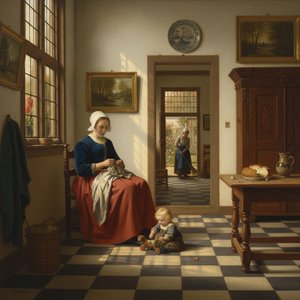
Pieter de Hooch: Illuminating Dutch Domestic Life & Golden Age Charm
Explore the captivating world of Pieter de Hooch, a master of Dutch Golden Age painting. Discover his innovative use of light, intimate domestic scenes, and lasting influence on art history. Learn more at OriginalUniqueArt.