
 Vaata sisu
 Jaga teost
 Jaga
Jaga
 Detailid
 Õppekate juhend

 Laadi alla
 Sarnased teosed
 Röntgenuuring
 Slaidietendus
 Statistika
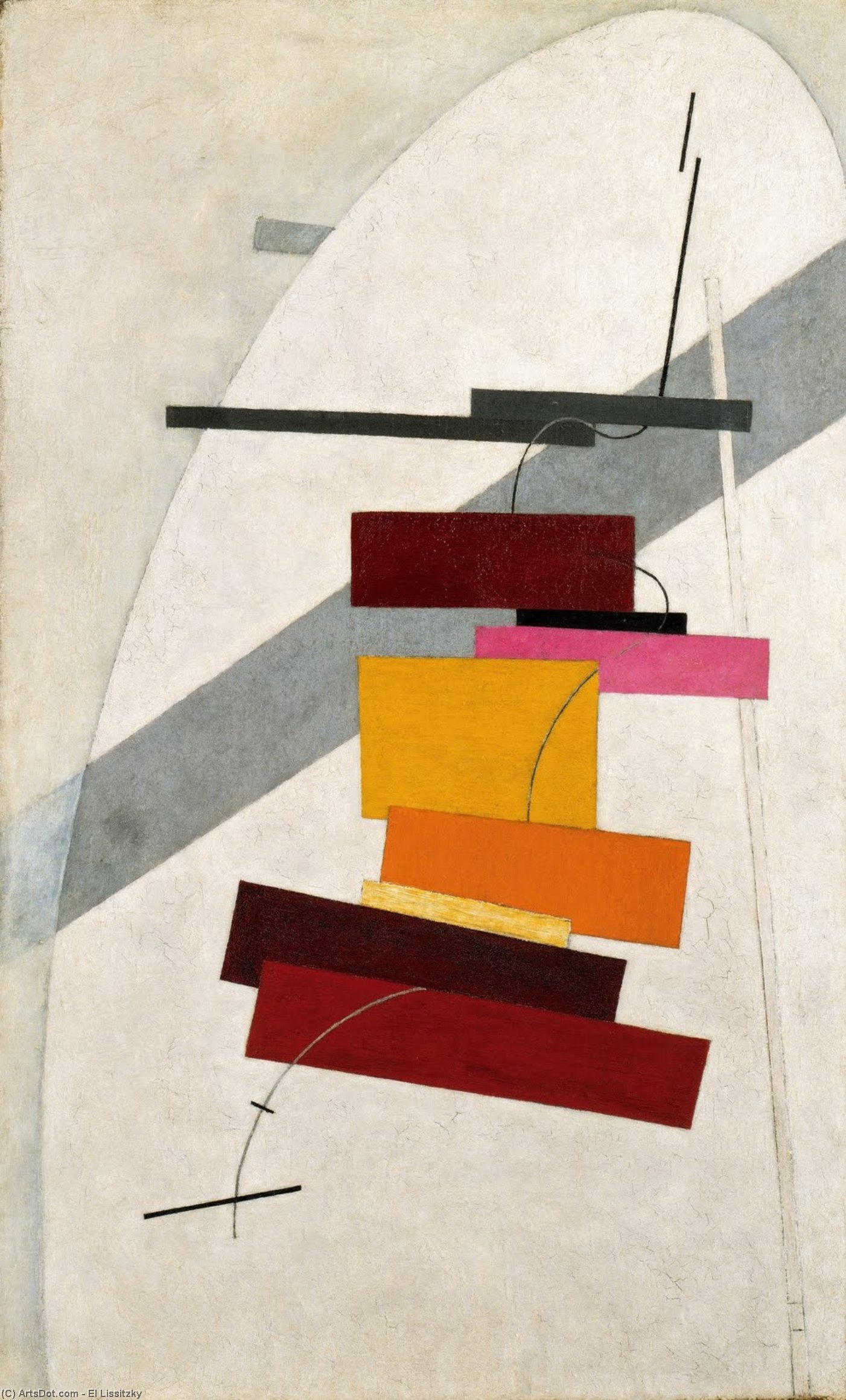
Untitled
 Acrylic On Canvas
- WallArt
- Suprematism
 1920
1920 79.0 x 49.0 cm
 Loe lähemalt
Käsitsi valmistatud õlimaalireproduktsioon
Meie kunstnike poolt tellimusel valmistatud käsitsi maalitud õli-kainaste teos teie soovitud suuruses ja raamis. ( Lülita trükkitoodetele Ülemineku digitaalse pildi müügi kanalisse)




P118B €10

P118H €10

P118W €10

P438Z €10

P508JH €12

P508YH €12

P805H €10

P805Z €10

P919BZ €10

P919G €10

P919XJ €10

P959ZH €10

P968JZ €12

W106C €8

W218G €10

W218JH €8

W218Y €10

W307PJ €10

W316G €10

W316PJ €8

W316Y €10

W398PJ €8

W4111J €10

W500HY €15

W500JH €15

W692G €12

W849H €8

W940BG €15

W953PJ €8




Vali meie eelmääratud suurused, mis vastavad teose algupärastele proportsioonidele.

Sisestage vajalik laius ja kõrgus, et teos sobiks teie raamile või seinale. Kuna tegu on käsipainatud teosega, siis erineva kujuga suuruse korral võib kunstnik jätta pildi ümber veidi rohkem marginaali või lõigata osa ära — valik on teie. Enne maali alustamist saadame teile kinnitamiseks digitaalse näidisprojektsiooni. Sellel lehel näidatud pilt ei kajasta tegelikku tulemust — seda näitab ainult näidisprojekttsioon.
Pärast tellimust saadab OriginalUniqueArt.com meeskond kliendile e-posti juhised ning esitab eelvaate kavandi
Maailmline tarne 3–4 nädala jooksul tavalise 5 nädala asemel. (22 oktoober). Kvaliteedis kompromisse ei tehta.

Tasuta ekspresssaatmine üle maailma

Kõrgekvaliteediline lina-kangastest muld

Täielik transpordikindlustus

Tollimaksude tagastamise garantii

Värvitoime täpsuse garantii

100 päeva tagastusõigus (ainult defektide korral)

100% raha tagasi garantii

Hulgusoodustus
 Klaasivalik on saadaval ainult kuni 110 cm suuruses teostes

Untitled
Reproduktsiooni materjal
Reproduktsiooni mõõtmed
-


Lõppsumma
€ 263
A Pioneer of Geometric Abstraction: Exploring El Lissitzky’s “Untitled”
El Lissitzky's "Untitled," painted in 1920, stands as a cornerstone of Russian avant-garde art and a testament to the revolutionary spirit of its time. This striking abstract composition—a canvas bathed in hues of red, yellow, and orange—immediately captivates the viewer with its bold geometric forms and dynamic lines, reflecting Lissitzky’s unwavering commitment to distilling visual language into its purest essence. More than just aesthetically pleasing, “Untitled” embodies a profound conceptual ambition rooted in Suprematism, a movement Lissitzky spearheaded alongside Kazimir Malevich, aiming to liberate art from representational constraints and prioritize pure color and geometric abstraction as vehicles for conveying spiritual truth.- Subject Matter: The painting eschews recognizable imagery altogether, opting instead for an exploration of fundamental visual elements—primarily intersecting lines and colored squares—that transcend specific narratives. Lissitzky sought to capture not what *is* seen but what *feels* seen, prioritizing the emotional resonance of form over depiction.
- Style: Suprematism’s influence is palpable in “Untitled.” Malevich championed the idea that art should be reduced to its most basic components—squares and circles—representing the cosmos and spiritual unity. Lissitzky's work aligns perfectly with this philosophy, rejecting illusionistic techniques in favor of a deliberately reductive aesthetic.
- Technique: Executed in oil on canvas, “Untitled” demonstrates Lissitzky’s mastery of color blending and textural layering. The artist skillfully utilizes variations in hue and saturation to create depth and vibrancy within the geometric shapes, emphasizing their visual impact. Careful consideration was given to brushstrokes—likely applied with a smooth, deliberate hand—contributing to the painting's overall sense of stability and precision.
Historical Context: The Rise of Constructivism and Artistic Expression Under Lenin
“Untitled” emerged during a period of dramatic social upheaval in Russia following the Bolshevik Revolution of 1917. The avant-garde movement—including Suprematism, Cubism, Futurism, and Constructivism—became synonymous with artistic innovation and ideological fervor. Artists like Lissitzky actively engaged in disseminating socialist ideals through their art, designing propaganda posters and exhibition displays that aimed to inspire revolutionary fervor and promote the vision of a utopian society built upon rational principles. The painting’s geometric abstraction served as a deliberate rejection of bourgeois aesthetics, signaling a commitment to forging a new artistic language aligned with the transformative forces reshaping Russian culture.Symbolism Beyond Representation: Exploring Color and Form
While devoid of recognizable imagery, “Untitled” is laden with symbolic significance. The dominant colors—red, yellow, and orange—are deliberately chosen to evoke associations with warmth, energy, and vitality – mirroring the optimism inherent in the revolutionary era. Lissitzky’s geometric shapes—particularly the intersecting lines—represent dynamism and interconnectedness, symbolizing the striving for unity and harmony within a fractured world. These elements coalesce into a visual metaphor for spiritual transcendence, reflecting Lissitzky's belief that art could serve as a conduit for accessing higher consciousness.Emotional Impact: A Moment of Pure Visual Perception
Ultimately, “Untitled” transcends mere decoration; it invites contemplation and stimulates emotional response. The painting’s simplicity—its deliberate reduction to fundamental geometric forms—forces the viewer to confront pure visual perception, bypassing cognitive filters and accessing a realm of feeling untouched by narrative or symbolism. Lissitzky's masterful use of color and line creates an experience akin to encountering the cosmos itself – a powerful reminder that art can communicate truths beyond words, resonating with viewers long after they’ve gazed upon its captivating surface.Küsimused ja vastused
Kuidas teose "Untitled" värvid omavahel sobivad?
Teose "Untitled" värviharmonia on Balanced Harmony.
Mis tüüpi teos on „Untitled“, autor El Lissitzky?
Kataloogis on teos „Untitled“, autor El Lissitzky liigitatud kui WallArt. See kategooria aitab leida sarnaseid teoseid.
Kas ma saan teost „Untitled“, autor El Lissitzky enne tellimist eelvaatata?
Teavet lehel Eelvaade teose "Untitled" kohta võimaldab teil teost enne tellimist eelvaatata.
Kunstniku elulugu
A Revolutionary Vision: The Life and Art of El Lissitzky
El Lissitzky, born Lazar Markovich Lissitzky in 1890 in the small Russian town of Pochinok, emerged as a pivotal figure in the tumultuous landscape of early 20th-century art. His journey was one of constant reinvention, driven by a fervent belief in the power of art to shape society and reflect the dynamism of the modern world. From his initial training as an architect and engineer – pursuits hampered by restrictions placed upon Jewish students – Lissitzky’s path diverged towards artistic expression, initially through illustrations steeped in Jewish folklore. These early works, like his cover for ‘Chad Gadya’, reveal a nascent talent already grappling with narrative and visual storytelling, hinting at the profound cultural roots that would continue to inform his aesthetic. A move to Berlin and Darmstadt broadened his horizons, but it was upon returning to Russia that Lissitzky truly found his artistic voice, becoming inextricably linked with the revolutionary fervor sweeping through the nation.The Embrace of Abstraction: Suprematism and Proun
A defining moment arrived with his encounter with Kazimir Malevich and the embrace of Suprematism. This radical movement, dedicated to pure geometric abstraction, resonated deeply with Lissitzky’s desire to transcend representational art and tap into a universal visual language. He became a key member of UNovis, the Suprematist group established in Vitebsk, actively disseminating its principles through teaching and artistic production. However, Lissitzky didn't simply replicate Malevich’s style; he forged his own distinct path with the development of *Proun*. This unique series, born from a fusion of Suprematism and Constructivism, explored spatial relationships and geometric forms in dynamic compositions that often resembled architectural blueprints or exploded diagrams. Proun wasn't merely painting; it was an investigation into the very structure of space itself, a premonition of future architectural possibilities. These works, with their floating planes and intersecting lines, embodied Lissitzky’s belief in art as a force capable of constructing new realities. The influence of his engineering background is palpable here, lending a structural logic to the abstract forms. He meticulously crafted Proun panels using plywood and lacquer, experimenting with color palettes and spatial arrangements that challenged conventional artistic conventions.Art as Propaganda and Social Commentary
Lissitzky's artistic vision extended far beyond the canvas. He passionately believed that art should serve a social purpose, actively engaging with political ideologies and seeking ways to integrate design into everyday life. This conviction led him to become deeply involved in Soviet propaganda efforts, creating powerful posters and graphic designs intended to mobilize public support for the Bolshevik regime. His 1941 poster calling for tank construction stands as a testament to this commitment – a stark, impactful image reflecting the urgency of wartime. Beyond propaganda, Lissitzky revolutionized typography, exhibition design, and photomontage. He understood that effective communication required innovative visual strategies, and he fearlessly experimented with new techniques to convey his message. His photomontages, such as ‘The Constructor’ (1924), are particularly striking – self-portraits that blend photography with geometric abstraction, offering a complex commentary on identity and the role of the artist in society. He skillfully combined disparate images and texts into visually arresting compositions, demonstrating an unparalleled mastery of visual language.A Cultural Ambassador: Spreading Constructivist Ideals
Lissitzky’s influence transcended national borders. He served as a crucial cultural ambassador for Soviet art, disseminating Constructivist ideas throughout Western Europe, particularly in Germany. His innovative exhibition designs challenged traditional gallery spaces, creating immersive environments that actively engaged viewers. These exhibitions weren’t simply displays of artwork; they were carefully constructed experiences designed to provoke thought and inspire action. His work had a profound impact on the Bauhaus and De Stijl movements, influencing generations of artists and designers with its emphasis on geometric abstraction, functionalism, and social responsibility. He collaborated with figures like Kurt Schwitters and Theo van Doesburg, fostering a cross-cultural exchange that enriched the artistic landscape of the era. Lissitzky’s meticulous attention to detail—from the precise alignment of Proun panels to the carefully chosen typeface in his typographic experiments—reflected his unwavering commitment to elevating design standards and promoting humanist values.Legacy and Enduring Influence
El Lissitzky’s life was tragically cut short in 1941 in Moscow, but his legacy continues to resonate today. He bridged the gap between art and architecture, abstraction and social purpose, leaving behind a body of work that is both intellectually stimulating and visually captivating. The establishment of the Lissitzky Foundation in 2014 underscores the ongoing commitment to preserving his artistic heritage and preparing a comprehensive catalogue raisonné of his creations. His innovations in typography, exhibition design, and photomontage continue to inspire contemporary artists and designers, while his unwavering belief in the power of art as a force for social change remains profoundly relevant. He is remembered not only for his groundbreaking contributions to Suprematism and Constructivism but also for his role as a champion of cultural dialogue and artistic experimentation—a testament to his enduring influence on the trajectory of modern art.
El Lissitzky
1890 - 1941 , Venemaa
Lühikest infot
- Artistic Movement Or Style:
- Suprematism
- Constructivism
- Artists Or Movements Influenced By This Artist: ['Bauhaus']
- Artists Who Influenced This Artist: ['Kazimir Malevich']
- Date Of Birth: Nov 23, 1890
- Date Of Death: Dec 30, 1941
- Full Name: El Lissitzky
- Nationality: Russian
- Notable Artworks:
- The Constructor
- Chad Gadya cover
- Proun series
- Place Of Birth: Pochinki, Russia
Sarnased artiklid
Beyond Form & Color: Geometric Abstraction's Enduring Legacy in Art History
Explore the captivating world of geometric abstraction! Discover its origins, key artists like Malevich & Mondrian, and why this movement remains highly valued by art collectors today. Expert insights at OriginalUniqueArt.

Geomeetrilise Abstraktsiooni 10 Meisterteost: Kunst ja Kodukaunistus OriginalUniqueArt.com-is
Avastage geomeetrilise abstraktsiooni 10 suurteost – Kandinsky, Mondrian ja teised. Lugege kunstiteoste lugusid ning leidke inspiratsiooni kodukaunistuseks OriginalUniqueArt.com-is! Kunstikollektsioon ja reprodutsioonid.

El Greco 25 parimat teost: Hingemattev kunst kollektsioon OriginalUniqueArt.com-is
Avastage El Greco 25 parimat teost! Sukelduge hispaania renessansi ja baroki maailma. Vaadake ikoonilisi maale nagu St Sebastian, Laagendatud Maria ja palju muud. Leidke täiuslik kunstiteos oma kodule OriginalUniqueArt.com-is – kvaliteetsed reproduktsioonid ja inspiratsioon interjööridisainiks. Avastage kogu

Beyond Form & Color: Geometric Abstraction's Evolution in 20th/21st Century Art
Explore the evolution of geometric abstraction from Cubism to contemporary art. Discover key artists like Malevich & Mondrian, investment insights, and expert collecting advice at OriginalUniqueArt.
Kazimir Malevitši 25 parimat teost: Abstraktse kunsti meistriteosed kodus
Avastage Kazimir Malevitši 25 parimat teost! Sukelduge suprematismi ja abstraktse kunsti maailma. Leidke inspiratsiooni interjööridisainiks ning ostke kvaliteetseid reproduktsioone OriginalUniqueArt.com-is. Avastage täielik kollektsioon veebis!


