 Eelvaade
 Saada
Saada Jaga
Jaga
 Teave teose kohta

 Laadi alla
 Sarnased teosed
 Röntgenuuring
 Slaidietendus
 Statistika
Untitled

 Loe lähemalt
Giclée / Kunstiprint
Muuseumikvaliteediga giclée- või kangasprint kiire tootmisega ja paindlikud viimistlusvõimalused. ( Osta käsitsi maalitud maal Ülemineks digitaalse pildiga müügi kanalisse)




P118B $10

P118H $10

P118W $10

P438Z $10

P508JH $12

P508YH $12

P805H $10

P805Z $10

P919BZ $10

P919G $10

P919XJ $10

P959ZH $10

P968JZ $12

W106C $8

W218G $10

W218JH $8

W218Y $10

W307PJ $10

W316G $10

W316PJ $8

W316Y $10

W398PJ $8

W4111J $10

W500HY $15

W500JH $15

W692G $12

W849H $8

W940BG $15

W953PJ $8




Vali meie eelmääratud suurused, mis vastavad teose algupärastele proportsioonidele.

Saate sisestada oma mõõdud, et need sobiks konkreetse raami või ruumi sisse. Kui valitud suurus ei vasta originaalteose proportsioonidele, lõigame teose ära või laiendame pilti peegeldatud või ühtlase servaga. Enne tootmisprotsessi algust saadetakse Teie kinnitamiseks digitaalne näidis.
Palun märka, et ekraanil kuvatav eelvaade ei kajasta tegelikku lõigamist või laiendamist. Ainult näidis kujutab täpselt lõplikku kompositsiooni.
Kuigi erimõõdu on saadaval, soovitame originaaproportsioonide säilitamiseks valida mõõt ette määratud nimekirjast.
Ülemaailmne tarne () 2 nädala jooksul, tavalise 4/5 nädala asemel. (8 september)

Tasuta ekspresssaatmine üle maailma

Kõrgekvaliteediline linakangas

Täielik transpordikindlustus

Tollimaksude tagastamise garantii

Värvitoime täpsuse garantii

100 päeva tagastusõigus (ainult tootmisdefektide korral)

100% raha tagasi garantii

Hulgusoodustus
 Klaasivalik on saadaval ainult suuruses kuni 110 cm

Untitled
Giclée / Kunstiprint
Reproduktsiooni suurus
-


Kogusumma
$ 80
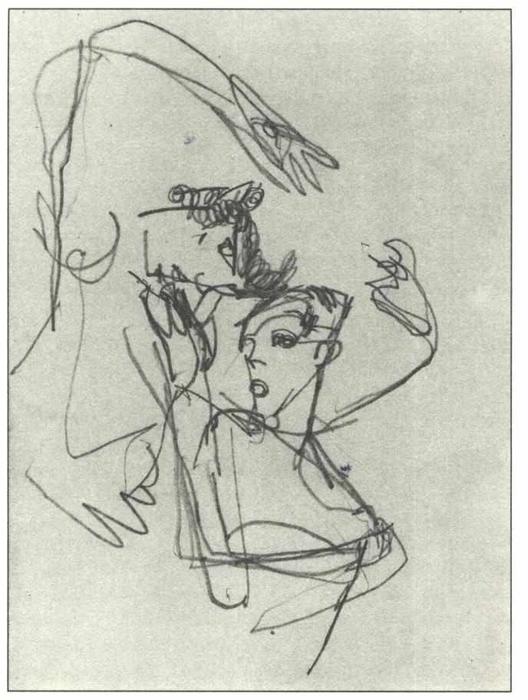
A Study in Tension: Decoding Egon Schiele’s Untitled Pencil Sketch
Egon Schiele's "Untitled," created circa 1910-1918, stands as a haunting testament to the artist’s preoccupation with psychological depth and visceral emotion—characteristics that define his entire oeuvre. This deceptively simple pencil sketch captures a woman’s portrait in stark grayscale, yet it radiates an unsettling energy born from masterful line work and subtle compositional choices. Examining its details reveals layers of meaning beyond mere visual representation, offering insights into Schiele's artistic vision and the anxieties prevalent during his time.Composition & Technique: Embracing Imperfection
The sketch’s vertical orientation immediately establishes a dominant presence—the woman herself—drawing the viewer’s gaze upwards. Lines converge towards her head, creating a dynamic rhythm that subtly conveys movement and instability. Schiele eschewed meticulous realism, opting instead for expressive realism infused with elements of abstraction. The loose rendering technique – freehand drawing – prioritizes gesture and emotion over precise anatomical accuracy. Thick, assertive lines define form, punctuated by denser areas of hatching to suggest texture and depth where conventional shading would have been employed. This deliberate imperfection isn’t merely stylistic; it reflects Schiele's belief that art should capture the raw essence of experience, mirroring the turbulent inner landscape he sought to portray.Symbolism & Emotional Resonance: Hidden Layers of Meaning
The woman’s hairstyle—elaborate and voluminous—serves as more than just a decorative element; it symbolizes vanity or perhaps even social status – themes frequently explored by Schiele. However, crucially, her face is partially obscured by hair, fostering an aura of secrecy and hinting at unspoken emotions. This deliberate ambiguity invites contemplation about the subject’s psychological state, prompting viewers to consider anxieties and vulnerabilities beneath a surface of composure. The artist's masterful use of line conveys not only form but also feeling—a palpable tension that permeates the entire composition.Historical Context: Expressionism in Vienna
Schiele’s work emerged during the height of Viennese Expressionism, a movement characterized by artists grappling with existential concerns and exploring themes of trauma, sexuality, and mortality. Influenced by Nietzschean philosophy and Freud's psychoanalytic theories, Expressionists sought to depict inner turmoil rather than external reality—a mission perfectly embodied in “Untitled.” The sketch’s monochrome palette reinforces this psychological focus, stripping away distracting color hues to concentrate on the fundamental human condition.A Reproduction Worthy of Distinction
OriginalUniqueArt offers exceptional reproductions of Egon Schiele's "Untitled," meticulously crafted by skilled artisans using archival materials. Capture the artist’s evocative style and profound emotional impact in your home or studio—a timeless piece of art destined to inspire contemplation and admiration for generations to come. Explore our collection today!- Authentic Reproduction: Printed on premium acid-free paper using pigment printing technology.
- Dimensions Available: Custom sizes available upon request.
- Framing Options: Enhance your artwork with elegant framing choices.
Kunstniku elulugu
Ekspressiooni sünd: Elu, mis oli vormitud tunde poolt
Sündides 1890. aastal Austria linnas Tulln an der Donau, oli Egon Schiele elu tormakas teekond, mida isutasid nii erakordne kunstiline visioon kui ka sügav isiklik tragöödia. Tema varajased aastad olid haiguse ja kaotuse varjudest täidetud; tema isa surus syfilisi ohvriks, kui Egon oli alles nelja Teist aastat vana – traagika, mis kukkus sügavalt peale tema tulevast loomingut, kütstes obsesiooni surmavusest ja eksistentsi habrasusest. Alguses kasvatati teda ema poolt ning hiljem kontrolliva ammetist koos ammaga Leopold Czihacetski, mistõttu puudus Schiele lapsepuidel tavapärane stabiilsus, kuid see aga võimendas tema vankumatut iseseisvust. Juba lapsena näitas ta intensiivset huvi raudteede vastu – motiivi, mis ilmus peegeldusena ka tema hilisematest maalidest – ning kasvavat talenti joonistamiseks, kuigi tema isa pidas seda alguses vaid eemalitsevaks tegevuseks praktilistematelt eesmärkidel. Tema õsis Elvira varajane surm kestas samuti noore kunstniku psühhikale pikana varjuna. Need kujundavate kogemuste aastad sisaldasid temas tundlikkust ja emotsionaalset raavadust, mis said tema kunstilise avalduse kaubamärkideks – pideva kohutusega tema teemadest, mis puudutasid elu, surma ja inimliku olemuse olemust.
Wieni tulistav kolu: Kunstiline areng
Schiele ametlik kunstiline haridus algas Wiedris Kunstgewerbeschule'is (Kunstikäsiteste koolis), kuid ta tundis kiiresti, et konservatiivne lähenemine piirab tema loovust. Ta liikus edasi Akademie der bildenden Künste'i (Bildne kunsti akadeemia), kuid sattus uuesti eksistentsiaalse ebaõudsusega kokku tema rangete akadeemiliste traditsioonide tõttu. See rahulolematus sundis teda lõpetama ametliku hariduse ja valima omaenda tee, mis on tunnistus tema vankumatust kunstilisest veendumusest. Gustav Klimti mõju oli neel aastatel võtmetähtsusega; Schiele imetles Klimti dekoratiivset stiili ja sümbolismi uurimist ning sai isegi selle establishedud kunstniku juhendamist. Kuid peagi erines Schiele Klimti esteetikast, arendades välja erakordselt individuaalse hääle, mida isutasid karjude ausus ja psühholoogiline intensiivsus. Ta asutas 1909. aastal koos teistega Neues Wiener Kunstgruppe (Uus Wieni kunstigrupp), liitudes progressiivsete kunstnikudega, kes soovisid murda valitsevaid kunstilisi norme. Tema varajased tööd, sageli rahutud portreid ja eneseportreid, hakkasid ilmnema võimsate tunnete väljendustena, kasutades moonutatud jooni ja kättesaavat haavatavust. Need maalid ei olnud pelgalt füüsilise vormi esitused, vaid sisemaastiku uurimised – ärevuse, soovide ja hirud uuringud, mis hauntasid inimlikku psühhikat. Ta püüdis kujundada mitte seda, mida ta *nägi*, vaid seda, mida ta *tundis*.
Raudne emotsioon ja väikimatu tõde
Egon Schiele kunst on koheselt tuvastatav oma raudse aususe ja psühholoogilise sügavuse poolest. Ta kohmetamata pilguga tegeles temaga teemadega, mida peeti sageli tabuks – seksuaalsus, surm, ärevus ja isolatsioon. Tema eripärane stiil hõlmab pikunäideldavaid jooni, karguma poosi ja ekspressiivseid jooni, mis edastavad ebamugavust ja emotsionaalset koemust. Inimkeha, eriti alast keha, sai tema peamiseks teemaks – mitte ideaalse ilu objekti, vaid inimliku kogemuse keerukuste uurimise vahendina. Eneseportreid moodustavad märkimisväärse osa tema loomingust, pakkudes intiimseid pilke tema sisemaailma – maailma, mida sageli isutasid üksindus ja enese kahtlus. Ta ei kartnud end kujundada ebamugavates või haavatavates asendites, paljastades sügava enetunnetuse ja introspektiooni taseme. Lisaks eneseportreidile lo了一种 Schiele arvukalt teiste inimeseste portreite, tabades nende sarnasust rahutul realismil, mis tundus läbiv puudutama pindmist. Tema maastikud, kuigi mitte nii kesksetes tema loomingus kui tema figuratiivsed maalid, demonstreerivad tema valdkannatust vormis ja värvis, peegeldades sageli sama emotsionaalset intensiivsust kui tema portreid. Jooniline lahendus on Schiele'i töödes eriti silmapaistvalt; see ei ole pelgalt tööriist kuju määramiseks, vaid ekspressiivne jõud, mis edastab emotsiooni ja psühholoogilist pinget. Korduvad motivid, nagu *Physalis*-taim – oma õrna, paberilaadse koorega surma ja üleminelikkuse sümbolina – rõhutavad veelgi tema keskendumist surmavusele.
Lõigatud pärand: Saavutused ja tähenduslikkus
Vaatamata tsensuurile ja õiguslikule survele – sealhulgas lühikesele vangistamisele, kuna teda süüdistati oma kunstiga alastite korruptseerimises – saavutas Schiele tunnust Wiedri avantgardide ringides. Tema töö murdis ajastu konventsioone, tekitades nii imetlust kui ka vihaa. Enne tema eelseaduslikku surma Hispaania gripe pandeemia ajal 1918. aastal, kui ta oli vaid kaheksakümmend kaheksa aastat vana, oli ta kujundanud end Austria ekspressionismi juhtivaks tegelaseks. Olulised teosed nagu Self-Portrait with Physalis, Couple Embracing ja Field Landscape (Kreuzberg near Krumau) seisavad tema kunstilise geniaalsuse tunnistajena. Tema mõju järglevatele kunstnikutest on kinnitamatutu, eriti neil, kes soovivad uurida psühholoogilisi teemasid ja murda traditsioonilisi norme. Schiele julge lähenemine vormile ja sisu suhtele kõlab tänapäevas ka publiku seas, tehes temast ühe 20. sajandi alguse kõige olulisema kunstniku. Tema maalid on nüüd säilitatud suuremates muuseumikollektioonides üle maailma, sealhuliel Wiedris Leopold Museum ja Český Krumlovis Egon Schiele Art Centrumis, tagades tema kunstilise pärandi igavuse. Ta jättis järele teosekogumi, mis ei ole pelgalt esteetiliselt kütkestav, vaid sügavult inimlik – tunnistus kunsti võimekusele ko面对 eksistentsi keerukusi aususe, julguse ja vankumatute visioonidega.
- Peamised teemad: Surmavus, seksuaalsus, isolatsioon, psühholoogiline turbulents.
- Mõjud: Gustav Klimt, Wieni secessioon, isiklik trauma.
- Stiililised omadused: Pikunäideldavad jooned, kargud asendid, ekspressiivsed jooned, raadne emotsioon.

Egon Schiele
1890 - 1918 , Austria
Lühikesed faktid
- Artistic Movement Or Style: Expressionism
- Artists Who Influenced This Artist: ['Gustav Klimt']
- Date Of Birth: 1890
- Date Of Death: 1918
- Full Name: Egon Schiele
- Nationality: Austrian
- Notable Artworks:
- Self-Portrait with Physalis
- Couple Embracing
- Place Of Birth: Tulln, Austria
Seotud artiklid

Monochrome Visions: Exploring the Aesthetic & Historical Significance of Black & White Photography
Explore the rich history & artistic power of black and white photography. From early techniques to iconic masters like Ansel Adams, discover why monochrome continues to captivate art lovers today. Expert insights for collectors.
Egon Schiele: Expressionism, Anxiety & the Modern Condition – A Comprehensive Exploration
Explore the emotionally charged world of Egon Schiele (1890-1918). Discover his Expressionist masterpieces, psychological themes, and lasting impact on modern art. A comprehensive guide for collectors & enthusiasts.

Dark Masterpieces: 10 Iconic Paintings Dominated by Black Tones |
Explore 10 iconic paintings dominated by black tones, from Rembrandt’s chiaroscuro to Goya's dark expressions. Discover the stories behind these masterpieces & find museum-quality art reproductions for your home at .

White on Canvas: 10 Masterpieces & Timeless Elegance for Your Home Decor
Explore 10 iconic white paintings by Monet, Whistler & Rothko! Discover the stories behind these serene masterpieces and their impact on art history. Find museum-quality reproductions for your home decor at .
Egon Schiele 25 Parimat Teost: Kunsti Sügavus ja Ekspressiivsus OriginalUniqueArt.com-is
Avastage Egon Schiele 25 parimat teost! Sukelduge ekspressionismi maailma, portreekunstis ja Austria maalikunsti sügavustesse. Leidke inspiratsiooni oma interjöörile OriginalUniqueArt.com-is – kvaliteetsed reproduktsioonid ja kunstikollektsioonid ootavad teid!