Eelvaade
 Saada
Saada Jaga
Jaga
 Teave teose kohta

 Laadi alla
 Sarnased teosed
 Röntgenuuring
 Slaidietendus
The Kiss

 Loe lähemalt
Käsitsi valmistatud õlimaalireproduktsioon
Meie kunstnike poolt tellimusel valmistatud käsitsi maalitud õli-kainaste teos teie soovitud suuruses ja raamis. ( Osta print Osta pilt)




P118B $10

P118H $10

P118W $10

P438Z $10

P508JH $12

P508YH $12

P805H $10

P805Z $10

P919BZ $10

P919G $10

P919XJ $10

P959ZH $10

P968JZ $12

W106C $8

W218G $10

W218JH $8

W218Y $10

W307PJ $10

W316G $10

W316PJ $8

W316Y $10

W398PJ $8

W4111J $10

W500HY $15

W500JH $15

W692G $12

W849H $8

W940BG $15

W953PJ $8




Vali meie eelmääratud suurused, mis vastavad teose algupärastele proportsioonidele.

Sa võite sisestada oma mõõtmed konkreetse raami või ruumi sobivuse tagamiseks. Kui teie valitud suurus ei vasta originaalpildi proportsioonidele, siis kärvime kunstiteost või laiendame maali täiendavate käsitsi maalitud elementidega. Enne tootmise algust saadetakse teile heakskiitmiseks digitaalne eelvaade.
Palun pidage meeles, et ekraanil kuvatav eelvaade ei kajasta tegelikku kärpimist või laiendamist. Ainult eelvaade näitab täpselt lõplikku kompositsiooni.
Kuigi on saadaval kohandatud suurused, soovitame originaalproportsioonide säilimiseks valida mõõdud eelmääratletud nimekirjast.
Pärast tellimust saadab OriginalUniqueArt.com meeskond kliendile e-posti juhised ning esitab eelvaate kavandi.
Maailmline tarne 3–4 nädala jooksul tavalise 5 nädala asemel. (6 september). Kvaliteedis kompromisse ei tehta.

Tasuta ekspresssaatmine üle maailma

Kõrgekvaliteediline linakangas

Täielik transpordikindlustus

Tollimaksude tagastamise garantii

Värvitoime täpsuse garantii

100-päevane tagastusõig: ainult tootmisdefektide korral

100% raha tagasi garantii

Hulgusoodustus
 Klaasivalik on saadaval ainult suuruses kuni 110 cm

The Kiss
Reproduktsiooni tehnika
Reproduktsiooni suurus
-


Kogusumma
$ 300
A Moment Frozen in Time: The Raw Intensity of Schiele’s “The Kiss”
Egon Schiele's "The Kiss," a deceptively simple depiction of two figures entwined in an intimate embrace, is far more than just a romantic tableau. It’s a profoundly unsettling and intensely personal exploration of love, desire, vulnerability, and the ever-present shadow of mortality – hallmarks of Schiele’s distinctive Expressionist style. Unlike the idealized depictions of courtship found in Klimt's opulent “The Kiss,” Schiele offers a brutally honest portrayal, stripped bare of artifice and saturated with an almost palpable sense of unease. The drawing, rendered in charcoal on paper (though often reproduced in various media), captures a fleeting moment, a raw exchange that feels both urgent and deeply vulnerable.
The composition itself is deliberately unbalanced. The woman, positioned slightly off-center and leaning into the man, dominates the frame with her closed eyes and relaxed posture – an invitation to intimacy, yet simultaneously suggesting a surrender to something potentially overwhelming. Her body curves gently around him, while his stance is more rigid, almost protective, hinting at a struggle beneath the surface of their connection. The three figures in the background—a solitary figure on the right and two indistinct forms above—add layers of ambiguity, creating a sense of isolation and suggesting that this intensely personal moment exists within a larger, perhaps unsettling, context. The lack of clear spatial definition further contributes to the feeling of claustrophobia and heightened emotion.
Schiele’s Expressionist Vision: Distortion and Psychological Depth
Born in Vienna in 1890, Egon Schiele's life was tragically short, cut short by illness and war at just 28. This brevity profoundly shaped his artistic vision. He rejected the decorative elegance of the Viennese Secession movement, championed by Klimt, instead forging a path toward raw emotional honesty. Schiele’s technique is characterized by elongated figures, distorted perspectives, and a deliberate use of jagged lines – elements that convey not just physical form but also psychological turmoil. The drawing's surface is alive with restless energy; the charcoal strokes are thick and uneven, creating a sense of immediacy and urgency. Notice how Schiele uses hatching to build up volume and texture, particularly in the man’s body, emphasizing its physicality while simultaneously hinting at vulnerability.
Unlike Klimt's smooth, polished surfaces, Schiele embraces imperfection, mirroring the messy realities of human experience. This deliberate roughness is crucial to understanding his work; it reflects a deep engagement with themes of death, disease, and the fragility of life – subjects that haunted him throughout his career. The drawing’s stark contrasts between light and shadow further amplify this sense of drama and psychological intensity.
Symbolism and Mortality: Echoes of Schiele's Personal Tragedy
Schiele’s preoccupation with death is perhaps most evident in the context of his own life. His father succumbed to syphilis when Egon was just fourteen, a devastating event that profoundly impacted the young artist. This trauma permeated his work, manifesting as recurring motifs of illness, decay, and the grotesque. In “The Kiss,” this shadow of mortality isn’t overtly stated but subtly implied through the figures' posture, their proximity, and the overall atmosphere of vulnerability. The closed eyes of the woman suggest a surrender to oblivion, while the man’s protective stance can be interpreted as an attempt to shield her from the inevitable.
Furthermore, Schiele’s fascination with the human body – particularly its imperfections and vulnerabilities – is central to his artistic vision. He frequently depicted nude figures in unflinching detail, challenging conventional notions of beauty and exposing the raw physicality of existence. The drawing's focus on the intimate connection between two bodies speaks to a desire for closeness and connection amidst the anxieties of life and death. It’s a poignant reminder that even within moments of intense passion, the specter of mortality always lingers in the background.
Bringing Schiele’s Intensity Home: Reproductions with OriginalUniqueArt
OriginalUniqueArt offers meticulously crafted hand-painted reproductions of Egon Schiele's “The Kiss,” capturing the artist’s unique style and emotional depth. Our skilled artists painstakingly recreate Schiele’s distinctive charcoal strokes, textures, and dramatic lighting, ensuring that your reproduction faithfully reflects the original drawing’s power and intensity. Whether you are a seasoned art collector or simply seeking to add a touch of raw emotion to your interior space, our reproductions provide an authentic and captivating representation of this iconic work. Explore our selection today and experience the enduring legacy of Egon Schiele.
Kunstniku elulugu
Ekspressiooni sünd: Elu, mis oli vormitud tunde poolt
Sündides 1890. aastal Austria linnas Tulln an der Donau, oli Egon Schiele elu tormakas teekond, mida isutasid nii erakordne kunstiline visioon kui ka sügav isiklik tragöödia. Tema varajased aastad olid haiguse ja kaotuse varjudest täidetud; tema isa surus syfilisi ohvriks, kui Egon oli alles nelja Teist aastat vana – traagika, mis kukkus sügavalt peale tema tulevast loomingut, kütstes obsesiooni surmavusest ja eksistentsi habrasusest. Alguses kasvatati teda ema poolt ning hiljem kontrolliva ammetist koos ammaga Leopold Czihacetski, mistõttu puudus Schiele lapsepuidel tavapärane stabiilsus, kuid see aga võimendas tema vankumatut iseseisvust. Juba lapsena näitas ta intensiivset huvi raudteede vastu – motiivi, mis ilmus peegeldusena ka tema hilisematest maalidest – ning kasvavat talenti joonistamiseks, kuigi tema isa pidas seda alguses vaid eemalitsevaks tegevuseks praktilistematelt eesmärkidel. Tema õsis Elvira varajane surm kestas samuti noore kunstniku psühhikale pikana varjuna. Need kujundavate kogemuste aastad sisaldasid temas tundlikkust ja emotsionaalset raavadust, mis said tema kunstilise avalduse kaubamärkideks – pideva kohutusega tema teemadest, mis puudutasid elu, surma ja inimliku olemuse olemust.
Wieni tulistav kolu: Kunstiline areng
Schiele ametlik kunstiline haridus algas Wiedris Kunstgewerbeschule'is (Kunstikäsiteste koolis), kuid ta tundis kiiresti, et konservatiivne lähenemine piirab tema loovust. Ta liikus edasi Akademie der bildenden Künste'i (Bildne kunsti akadeemia), kuid sattus uuesti eksistentsiaalse ebaõudsusega kokku tema rangete akadeemiliste traditsioonide tõttu. See rahulolematus sundis teda lõpetama ametliku hariduse ja valima omaenda tee, mis on tunnistus tema vankumatust kunstilisest veendumusest. Gustav Klimti mõju oli neel aastatel võtmetähtsusega; Schiele imetles Klimti dekoratiivset stiili ja sümbolismi uurimist ning sai isegi selle establishedud kunstniku juhendamist. Kuid peagi erines Schiele Klimti esteetikast, arendades välja erakordselt individuaalse hääle, mida isutasid karjude ausus ja psühholoogiline intensiivsus. Ta asutas 1909. aastal koos teistega Neues Wiener Kunstgruppe (Uus Wieni kunstigrupp), liitudes progressiivsete kunstnikudega, kes soovisid murda valitsevaid kunstilisi norme. Tema varajased tööd, sageli rahutud portreid ja eneseportreid, hakkasid ilmnema võimsate tunnete väljendustena, kasutades moonutatud jooni ja kättesaavat haavatavust. Need maalid ei olnud pelgalt füüsilise vormi esitused, vaid sisemaastiku uurimised – ärevuse, soovide ja hirud uuringud, mis hauntasid inimlikku psühhikat. Ta püüdis kujundada mitte seda, mida ta *nägi*, vaid seda, mida ta *tundis*.
Raudne emotsioon ja väikimatu tõde
Egon Schiele kunst on koheselt tuvastatav oma raudse aususe ja psühholoogilise sügavuse poolest. Ta kohmetamata pilguga tegeles temaga teemadega, mida peeti sageli tabuks – seksuaalsus, surm, ärevus ja isolatsioon. Tema eripärane stiil hõlmab pikunäideldavaid jooni, karguma poosi ja ekspressiivseid jooni, mis edastavad ebamugavust ja emotsionaalset koemust. Inimkeha, eriti alast keha, sai tema peamiseks teemaks – mitte ideaalse ilu objekti, vaid inimliku kogemuse keerukuste uurimise vahendina. Eneseportreid moodustavad märkimisväärse osa tema loomingust, pakkudes intiimseid pilke tema sisemaailma – maailma, mida sageli isutasid üksindus ja enese kahtlus. Ta ei kartnud end kujundada ebamugavates või haavatavates asendites, paljastades sügava enetunnetuse ja introspektiooni taseme. Lisaks eneseportreidile lo了一种 Schiele arvukalt teiste inimeseste portreite, tabades nende sarnasust rahutul realismil, mis tundus läbiv puudutama pindmist. Tema maastikud, kuigi mitte nii kesksetes tema loomingus kui tema figuratiivsed maalid, demonstreerivad tema valdkannatust vormis ja värvis, peegeldades sageli sama emotsionaalset intensiivsust kui tema portreid. Jooniline lahendus on Schiele'i töödes eriti silmapaistvalt; see ei ole pelgalt tööriist kuju määramiseks, vaid ekspressiivne jõud, mis edastab emotsiooni ja psühholoogilist pinget. Korduvad motivid, nagu *Physalis*-taim – oma õrna, paberilaadse koorega surma ja üleminelikkuse sümbolina – rõhutavad veelgi tema keskendumist surmavusele.
Lõigatud pärand: Saavutused ja tähenduslikkus
Vaatamata tsensuurile ja õiguslikule survele – sealhulgas lühikesele vangistamisele, kuna teda süüdistati oma kunstiga alastite korruptseerimises – saavutas Schiele tunnust Wiedri avantgardide ringides. Tema töö murdis ajastu konventsioone, tekitades nii imetlust kui ka vihaa. Enne tema eelseaduslikku surma Hispaania gripe pandeemia ajal 1918. aastal, kui ta oli vaid kaheksakümmend kaheksa aastat vana, oli ta kujundanud end Austria ekspressionismi juhtivaks tegelaseks. Olulised teosed nagu Self-Portrait with Physalis, Couple Embracing ja Field Landscape (Kreuzberg near Krumau) seisavad tema kunstilise geniaalsuse tunnistajena. Tema mõju järglevatele kunstnikutest on kinnitamatutu, eriti neil, kes soovivad uurida psühholoogilisi teemasid ja murda traditsioonilisi norme. Schiele julge lähenemine vormile ja sisu suhtele kõlab tänapäevas ka publiku seas, tehes temast ühe 20. sajandi alguse kõige olulisema kunstniku. Tema maalid on nüüd säilitatud suuremates muuseumikollektioonides üle maailma, sealhuliel Wiedris Leopold Museum ja Český Krumlovis Egon Schiele Art Centrumis, tagades tema kunstilise pärandi igavuse. Ta jättis järele teosekogumi, mis ei ole pelgalt esteetiliselt kütkestav, vaid sügavult inimlik – tunnistus kunsti võimekusele ko面对 eksistentsi keerukusi aususe, julguse ja vankumatute visioonidega.
- Peamised teemad: Surmavus, seksuaalsus, isolatsioon, psühholoogiline turbulents.
- Mõjud: Gustav Klimt, Wieni secessioon, isiklik trauma.
- Stiililised omadused: Pikunäideldavad jooned, kargud asendid, ekspressiivsed jooned, raadne emotsioon.

Egon Schiele
1890 - 1918 , Austria
Lühikesed faktid
- Artistic Movement Or Style: Expressionism
- Artists Who Influenced This Artist: ['Gustav Klimt']
- Date Of Birth: 1890
- Date Of Death: 1918
- Full Name: Egon Schiele
- Nationality: Austrian
- Notable Artworks:
- Self-Portrait with Physalis
- Couple Embracing
- Place Of Birth: Tulln, Austria
Seotud artiklid
Egon Schiele 25 Parimat Teost: Kunsti Sügavus ja Ekspressiivsus OriginalUniqueArt.com-is
Avastage Egon Schiele 25 parimat teost! Sukelduge ekspressionismi maailma, portreekunstis ja Austria maalikunsti sügavustesse. Leidke inspiratsiooni oma interjöörile OriginalUniqueArt.com-is – kvaliteetsed reproduktsioonid ja kunstikollektsioonid ootavad teid!
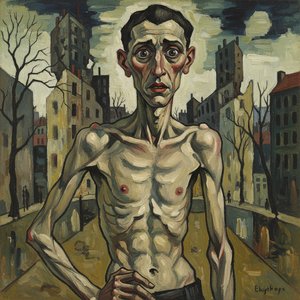
Egon Schiele: Expressionism, Anxiety & the Modern Condition – A Comprehensive Exploration
Explore the emotionally charged world of Egon Schiele (1890-1918). Discover his Expressionist masterpieces, psychological themes, and lasting impact on modern art. A comprehensive guide for collectors & enthusiasts.
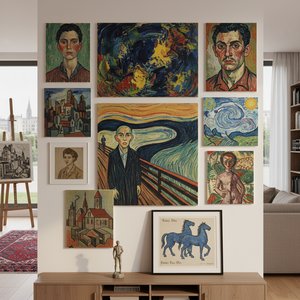
Ekspressionismi 10 Meisterteost: Kunst, Tunne ja Sisustus
Sukeldu ekspressionismi maailma! Avasta 10 kuulsat meistriteost – Munch, Kirchner jt. – ja nende värviküllased lood. Ideed sisustamiseks & kunstireprodutsioonid OriginalUniqueArt.com-ist. Uuri täispikka kollektsiooni veebis!
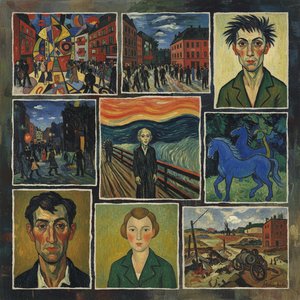
Expressionist Painting: 10 Masterpieces That Defined a Movement | OriginalUniqueArt
Explore 10 Expressionist paintings that revolutionized art! Discover Munch, Kirchner & Kandinsky's iconic works. Find museum-quality reproductions and vibrant canvas prints to elevate your home decor on OriginalUniqueArt.com.

Unlocking Emotion: A Beginner's Guide to the Raw Power of Symbolic Expressionism Art
Discover the raw emotion of Symbolic Expressionism. Our expert guide explores how masters like Munch use color and form to convey inner feelings, offering inspiration for collectors looking to bring powerful, soulful art into their modern homes.