Vaata sisu
 Jaga teost
 Jaga
Jaga
 Detailid
 Õppekate juhend

 Laadi alla
 Sarnased teosed
 Röntgenuuring
 Slaidietendus
 Statistika
Self-Portrait
 Acrylic On Canvas
- WallArt
- Expressionist Anxiety
 1911
1911 5.0 x 34.0 cm
 Wien Museum
 Loe lähemalt
Käsitsi valmistatud õlimaalireproduktsioon
Meie kunstnike poolt tellimusel valmistatud käsitsi maalitud õli-kainaste teos teie soovitud suuruses ja raamis. ( Lülita trükkitoodetele Ülemineku digitaalse pildi müügi kanalisse)




P118B €10

P118H €10

P118W €10

P438Z €10

P508JH €12

P508YH €12

P805H €10

P805Z €10

P919BZ €10

P919G €10

P919XJ €10

P959ZH €10

P968JZ €12

W106C €8

W218G €10

W218JH €8

W218Y €10

W307PJ €10

W316G €10

W316PJ €8

W316Y €10

W398PJ €8

W4111J €10

W500HY €15

W500JH €15

W692G €12

W849H €8

W940BG €15

W953PJ €8




Vali meie eelmääratud suurused, mis vastavad teose algupärastele proportsioonidele.

Sisestage vajalik laius ja kõrgus, et teos sobiks teie raamile või seinale. Kuna tegu on käsipainatud teosega, siis erineva kujuga suuruse korral võib kunstnik jätta pildi ümber veidi rohkem marginaali või lõigata osa ära — valik on teie. Enne maali alustamist saadame teile kinnitamiseks digitaalse näidisprojektsiooni. Sellel lehel näidatud pilt ei kajasta tegelikku tulemust — seda näitab ainult näidisprojekttsioon.
Pärast tellimust saadab OriginalUniqueArt.com meeskond kliendile e-posti juhised ning esitab eelvaate kavandi
Maailmline tarne 3–4 nädala jooksul tavalise 5 nädala asemel. (21 oktoober). Kvaliteedis kompromisse ei tehta.

Tasuta ekspresssaatmine üle maailma

Kõrgekvaliteediline lina-kangastest muld

Täielik transpordikindlustus

Tollimaksude tagastamise garantii

Värvitoime täpsuse garantii

100 päeva tagastusõigus (ainult defektide korral)

100% raha tagasi garantii

Hulgusoodustus
 Klaasivalik on saadaval ainult kuni 110 cm suuruses teostes

Self-Portrait
Reproduktsiooni materjal
Reproduktsiooni mõõtmed
-


Lõppsumma
€ 262
Egon Schiele’s ‘Self Portrait’: A Study in Vulnerability and Expressionist Intensity
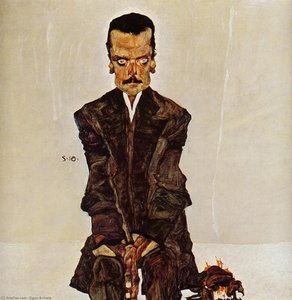
The painting “Self Portrait” by Egon Schiele, completed in 1911, stands as a cornerstone of Austrian Expressionism—a movement that sought to convey raw emotion and psychological turmoil through distorted forms and unsettling imagery. Measuring just 5 x 34 cm, this deceptively modest canvas belies the profound depth of feeling it embodies, offering viewers an intimate glimpse into Schiele’s tormented inner world. It's a piece that continues to fascinate scholars and collectors alike, prompting ongoing discussions about its artistic merit and symbolic significance.Subject Matter and Composition: A Confrontation with Mortality
Schiele’s self-portrait depicts a woman—likely Edith Harms, his wife—positioned in profile against a stark white background. Her gaze is direct, unflinching, meeting the viewer head-on, conveying an unsettling blend of vulnerability and defiance. The woman's hand reaches upwards towards her face, obscuring her eyes with fingers curled inward – a gesture that speaks volumes about anxiety and concealment. This posture immediately establishes a dialogue between the artist and the audience, inviting contemplation on themes of isolation and psychological struggle. Schiele’s masterful use of composition draws attention to the central figure, emphasizing her expressive facial features and highlighting the tension inherent in her gaze. The simplicity of the background serves to amplify this impact, allowing the viewer to focus entirely on the woman's emotional state.Style and Technique: Distortion as Emotional Revelation
Schiele’s distinctive style is characterized by bold lines, angular shapes, and a deliberate flattening of perspective—techniques that are hallmarks of Expressionism. He eschewed traditional realism in favor of conveying inner feelings through visual distortion. The painting utilizes thick impasto – applying paint thickly onto the canvas – creating textural surfaces that contribute to the overall sense of unease. Schiele’s meticulous attention to detail, particularly in rendering the woman's hair and skin tones, underscores his commitment to capturing subtle nuances of emotion. Unlike many artists of his time who aimed for idealized beauty, Schiele deliberately rejected conventional aesthetics, prioritizing psychological truth over visual perfection.Historical Context: The Shadow of Trauma
Created during a period marked by significant personal upheaval—Schiele’s father succumbed to syphilis shortly before he was born, and his sister tragically died young—the painting reflects the pervasive anxieties surrounding mortality that permeated Viennese intellectual circles at the time. Expressionism emerged as a reaction against the optimism of late Victorian culture, grappling with themes of disillusionment, trauma, and existential dread. Schiele’s work aligns perfectly with this artistic impulse, articulating profound psychological concerns through unsettling imagery and emotionally charged brushstrokes. The painting's creation coincided with Schiele’s marriage to Edith Harms, a union that would bring him both joy and sorrow as he navigated the challenges of domestic life amidst his artistic pursuits.Symbolism: Gesture and Expression
The upward-reaching hand is arguably the most potent symbol within the portrait. It represents not only physical concealment but also an attempt to shield oneself from overwhelming emotion—a gesture that resonates with Schiele’s own struggles with mental health. The woman's gaze, unwavering and slightly averted, embodies defiance against despair while simultaneously conveying a palpable sense of vulnerability. These visual cues invite viewers to consider the complexities of human experience and to confront uncomfortable truths about the human condition.Emotional Impact: A Window into the Artist’s Soul
“Self Portrait” transcends mere representation; it is an emotional distillation—a visceral portrayal of Schiele's inner turmoil. The painting compels us to contemplate themes of anxiety, isolation, and the inescapable awareness of death. Its unsettling beauty lies precisely in its ability to evoke empathy and provoke introspection. It remains a testament to Schiele’s artistic genius and his unwavering commitment to exploring the darkest recesses of human consciousness—a captivating piece that continues to inspire awe and contemplation decades after its creation.Küsimused ja vastused
Kas "Self-Portrait" on üks Egon Schiele populaarsemaid teoseid?
Teose „Self-Portrait“, autor Egon Schiele registreeritud populaarsusaste on Recognized.
Kas teose „Self-Portrait“, autor Egon Schiele autoriõigused lubavad selle reproduktsiooni?
Teose „Self-Portrait“, autor Egon Schiele autoriõiguste staatus on selge: teos kuulub avalikule omandile (avalikus õiguses – selle autoriõigud onหมดunud). Selle paik on Wien Museum kollektsioonis seda staatust ei muuda.
Milline on teose „Self-Portrait“, autor Egon Schiele värvitoit?
Teose „Self-Portrait“, autor Egon Schiele värvid on Subtle Color kütkusega. Kütkuse aste kirjeldab, kui erksad või pehmed värvid on.
Kunstniku elulugu
Ekspressiooni sünd: Elu, mis oli vormitud tunde poolt
Sündides 1890. aastal Austria linnas Tulln an der Donau, oli Egon Schiele elu tormakas teekond, mida isutasid nii erakordne kunstiline visioon kui ka sügav isiklik tragöödia. Tema varajased aastad olid haiguse ja kaotuse varjudest täidetud; tema isa surus syfilisi ohvriks, kui Egon oli alles nelja Teist aastat vana – traagika, mis kukkus sügavalt peale tema tulevast loomingut, kütstes obsesiooni surmavusest ja eksistentsi habrasusest. Alguses kasvatati teda ema poolt ning hiljem kontrolliva ammetist koos ammaga Leopold Czihacetski, mistõttu puudus Schiele lapsepuidel tavapärane stabiilsus, kuid see aga võimendas tema vankumatut iseseisvust. Juba lapsena näitas ta intensiivset huvi raudteede vastu – motiivi, mis ilmus peegeldusena ka tema hilisematest maalidest – ning kasvavat talenti joonistamiseks, kuigi tema isa pidas seda alguses vaid eemalitsevaks tegevuseks praktilistematelt eesmärkidel. Tema õsis Elvira varajane surm kestas samuti noore kunstniku psühhikale pikana varjuna. Need kujundavate kogemuste aastad sisaldasid temas tundlikkust ja emotsionaalset raavadust, mis said tema kunstilise avalduse kaubamärkideks – pideva kohutusega tema teemadest, mis puudutasid elu, surma ja inimliku olemuse olemust.
Wieni tulistav kolu: Kunstiline areng
Schiele ametlik kunstiline haridus algas Wiedris Kunstgewerbeschule'is (Kunstikäsiteste koolis), kuid ta tundis kiiresti, et konservatiivne lähenemine piirab tema loovust. Ta liikus edasi Akademie der bildenden Künste'i (Bildne kunsti akadeemia), kuid sattus uuesti eksistentsiaalse ebaõudsusega kokku tema rangete akadeemiliste traditsioonide tõttu. See rahulolematus sundis teda lõpetama ametliku hariduse ja valima omaenda tee, mis on tunnistus tema vankumatust kunstilisest veendumusest. Gustav Klimti mõju oli neel aastatel võtmetähtsusega; Schiele imetles Klimti dekoratiivset stiili ja sümbolismi uurimist ning sai isegi selle establishedud kunstniku juhendamist. Kuid peagi erines Schiele Klimti esteetikast, arendades välja erakordselt individuaalse hääle, mida isutasid karjude ausus ja psühholoogiline intensiivsus. Ta asutas 1909. aastal koos teistega Neues Wiener Kunstgruppe (Uus Wieni kunstigrupp), liitudes progressiivsete kunstnikudega, kes soovisid murda valitsevaid kunstilisi norme. Tema varajased tööd, sageli rahutud portreid ja eneseportreid, hakkasid ilmnema võimsate tunnete väljendustena, kasutades moonutatud jooni ja kättesaavat haavatavust. Need maalid ei olnud pelgalt füüsilise vormi esitused, vaid sisemaastiku uurimised – ärevuse, soovide ja hirud uuringud, mis hauntasid inimlikku psühhikat. Ta püüdis kujundada mitte seda, mida ta *nägi*, vaid seda, mida ta *tundis*.
Raudne emotsioon ja väikimatu tõde
Egon Schiele kunst on koheselt tuvastatav oma raudse aususe ja psühholoogilise sügavuse poolest. Ta kohmetamata pilguga tegeles temaga teemadega, mida peeti sageli tabuks – seksuaalsus, surm, ärevus ja isolatsioon. Tema eripärane stiil hõlmab pikunäideldavaid jooni, karguma poosi ja ekspressiivseid jooni, mis edastavad ebamugavust ja emotsionaalset koemust. Inimkeha, eriti alast keha, sai tema peamiseks teemaks – mitte ideaalse ilu objekti, vaid inimliku kogemuse keerukuste uurimise vahendina. Eneseportreid moodustavad märkimisväärse osa tema loomingust, pakkudes intiimseid pilke tema sisemaailma – maailma, mida sageli isutasid üksindus ja enese kahtlus. Ta ei kartnud end kujundada ebamugavates või haavatavates asendites, paljastades sügava enetunnetuse ja introspektiooni taseme. Lisaks eneseportreidile lo了一种 Schiele arvukalt teiste inimeseste portreite, tabades nende sarnasust rahutul realismil, mis tundus läbiv puudutama pindmist. Tema maastikud, kuigi mitte nii kesksetes tema loomingus kui tema figuratiivsed maalid, demonstreerivad tema valdkannatust vormis ja värvis, peegeldades sageli sama emotsionaalset intensiivsust kui tema portreid. Jooniline lahendus on Schiele'i töödes eriti silmapaistvalt; see ei ole pelgalt tööriist kuju määramiseks, vaid ekspressiivne jõud, mis edastab emotsiooni ja psühholoogilist pinget. Korduvad motivid, nagu *Physalis*-taim – oma õrna, paberilaadse koorega surma ja üleminelikkuse sümbolina – rõhutavad veelgi tema keskendumist surmavusele.
Lõigatud pärand: Saavutused ja tähenduslikkus
Vaatamata tsensuurile ja õiguslikule survele – sealhulgas lühikesele vangistamisele, kuna teda süüdistati oma kunstiga alastite korruptseerimises – saavutas Schiele tunnust Wiedri avantgardide ringides. Tema töö murdis ajastu konventsioone, tekitades nii imetlust kui ka vihaa. Enne tema eelseaduslikku surma Hispaania gripe pandeemia ajal 1918. aastal, kui ta oli vaid kaheksakümmend kaheksa aastat vana, oli ta kujundanud end Austria ekspressionismi juhtivaks tegelaseks. Olulised teosed nagu Self-Portrait with Physalis, Couple Embracing ja Field Landscape (Kreuzberg near Krumau) seisavad tema kunstilise geniaalsuse tunnistajena. Tema mõju järglevatele kunstnikutest on kinnitamatutu, eriti neil, kes soovivad uurida psühholoogilisi teemasid ja murda traditsioonilisi norme. Schiele julge lähenemine vormile ja sisu suhtele kõlab tänapäevas ka publiku seas, tehes temast ühe 20. sajandi alguse kõige olulisema kunstniku. Tema maalid on nüüd säilitatud suuremates muuseumikollektioonides üle maailma, sealhuliel Wiedris Leopold Museum ja Český Krumlovis Egon Schiele Art Centrumis, tagades tema kunstilise pärandi igavuse. Ta jättis järele teosekogumi, mis ei ole pelgalt esteetiliselt kütkestav, vaid sügavult inimlik – tunnistus kunsti võimekusele ko面对 eksistentsi keerukusi aususe, julguse ja vankumatute visioonidega.
- Peamised teemad: Surmavus, seksuaalsus, isolatsioon, psühholoogiline turbulents.
- Mõjud: Gustav Klimt, Wieni secessioon, isiklik trauma.
- Stiililised omadused: Pikunäideldavad jooned, kargud asendid, ekspressiivsed jooned, raadne emotsioon.

Egon Schiele
1890 - 1918 , Austria
Lühikest infot
- Artistic Movement Or Style: Expressionism
- Artists Who Influenced This Artist: ['Gustav Klimt']
- Date Of Birth: 1890
- Date Of Death: 1918
- Full Name: Egon Schiele
- Nationality: Austrian
- Notable Artworks:
- Self-Portrait with Physalis
- Couple Embracing
- Place Of Birth: Tulln, Austria
Sarnased artiklid
Expressionist Painting: 10 Masterpieces That Defined a Movement | OriginalUniqueArt
Explore 10 Expressionist paintings that revolutionized art! Discover Munch, Kirchner & Kandinsky's iconic works. Find museum-quality reproductions and vibrant canvas prints to elevate your home decor on OriginalUniqueArt.com.

Dark Masterpieces: 10 Iconic Paintings Dominated by Black Tones |
Explore 10 iconic paintings dominated by black tones, from Rembrandt’s chiaroscuro to Goya's dark expressions. Discover the stories behind these masterpieces & find museum-quality art reproductions for your home at .
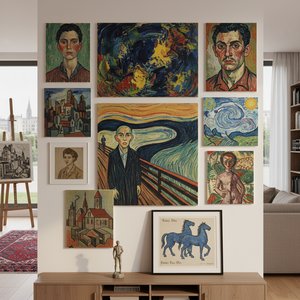
Ekspressionismi 10 Meisterteost: Kunst, Tunne ja Sisustus
Sukeldu ekspressionismi maailma! Avasta 10 kuulsat meistriteost – Munch, Kirchner jt. – ja nende värviküllased lood. Ideed sisustamiseks & kunstireprodutsioonid OriginalUniqueArt.com-ist. Uuri täispikka kollektsiooni veebis!
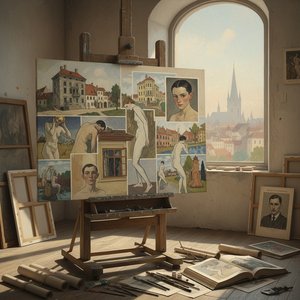
Egon Schiele 25 Parimat Teost: Kunsti Sügavus ja Ekspressiivsus OriginalUniqueArt.com-is
Avastage Egon Schiele 25 parimat teost! Sukelduge ekspressionismi maailma, portreekunstis ja Austria maalikunsti sügavustesse. Leidke inspiratsiooni oma interjöörile OriginalUniqueArt.com-is – kvaliteetsed reproduktsioonid ja kunstikollektsioonid ootavad teid!
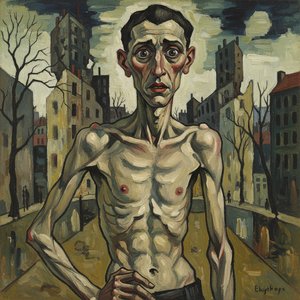
Egon Schiele: Expressionism, Anxiety & the Modern Condition – A Comprehensive Exploration
Explore the emotionally charged world of Egon Schiele (1890-1918). Discover his Expressionist masterpieces, psychological themes, and lasting impact on modern art. A comprehensive guide for collectors & enthusiasts.