Menüü

() ·

A painting made for you, by hand

Käsitsi valmistatud õlimaalireproduktsioon

Meie kunstnike poolt tellimusel valmistatud käsitsi maalitud õli-kainaste teos teie soovitud suuruses ja raamis. ( Lülita trükkitoodetele Lülita digitaalse pildi juurde)

Kogumisobjekti kirjeldus

Kunstniku elulugu

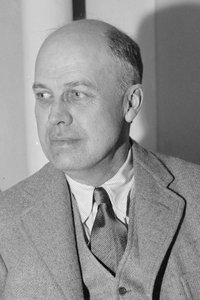
Edward Hopper oli Ameerika reaalismi suurmeister, kelle ikonilised maalid nagu Nighthawks ja Ühispansion jätsid sügavalt jälje kunstiloo maailmale ning pakkusid vaatajatele mõtlevaid pilke.

from ·

Chapter 1

How large should it be?

Slide to change the size; the wall on the left shows it at its real scale. The proportions of the original are kept.

Standardne suurus
kohandatud
CM
INCH

Vali meie eelmääratud suurused, mis vastavad teose algupärastele proportsioonidele.

laius
kõrgus

Sisestage vajalik laius ja kõrgus, et teos sobiks teie raamile või seinale. Kuna tegu on käsipainatud teosega, siis erineva kujuga suuruse korral võib kunstnik jätta pildi ümber veidi rohkem marginaali või lõigata osa ära — valik on teie. Enne maali alustamist saadame teile kinnitamiseks digitaalse näidisprojektsiooni. Sellel lehel näidatud pilt ei kajasta tegelikku tulemust — seda näitab ainult näidisprojektsioon.

Chapter 2

How should it arrive?

Choose the edges of the stretched canvas

Choose your frame

Corner sample of the WhiteWrap canvas edge finish, stretched on massivpuit bars
White €1
Corner sample of the BlurSideWrap canvas edge finish, stretched on massivpuit bars
Blurside €1
Corner sample of the ExtendedWrap canvas edge finish, stretched on massivpuit bars
Extended €1
Corner sample of the P118B picture frame: vormitud polüstüreen, 5 cm wide and 3 cm thick
P118B €10
Corner sample of the P118H picture frame: vormitud polüstüreen, 5 cm wide and 3 cm thick
P118H €10
Corner sample of the P118W picture frame: vormitud polüstüreen, 5 cm wide and 3 cm thick
P118W €10
Corner sample of the P438Z picture frame: vormitud polüstüreen, 5.5 cm wide and 3.5 cm thick
P438Z €10
Corner sample of the P508JH picture frame: vormitud polüstüreen, 7 cm wide and 3.5 cm thick
P508JH €12
Corner sample of the P508YH picture frame: vormitud polüstüreen, 7 cm wide and 3.5 cm thick
P508YH €12
Corner sample of the P805H picture frame: vormitud polüstüreen, 5 cm wide and 3.5 cm thick
P805H €10
Corner sample of the P805Z picture frame: vormitud polüstüreen, 5 cm wide and 3.5 cm thick
P805Z €10
Corner sample of the P919BZ picture frame: vormitud polüstüreen, 7 cm wide and 3.5 cm thick
P919BZ €10
Corner sample of the P919G picture frame: vormitud polüstüreen, 7 cm wide and 3.5 cm thick
P919G €10
Corner sample of the P919XJ picture frame: vormitud polüstüreen, 7 cm wide and 3.5 cm thick
P919XJ €10
Corner sample of the P959ZH picture frame: vormitud polüstüreen, 5 cm wide and 3 cm thick
P959ZH €10
Corner sample of the P968JZ picture frame: vormitud polüstüreen, 6 cm wide and 4 cm thick
P968JZ €12
Corner sample of the W106C picture frame: massivpuit, 5 cm wide and 3 cm thick
W106C €8
Corner sample of the W218G picture frame: massivpuit, 5 cm wide and 3 cm thick
W218G €10
Corner sample of the W218JH picture frame: massivpuit, 5 cm wide and 3 cm thick
W218JH €8
Corner sample of the W218Y picture frame: massivpuit, 5 cm wide and 3 cm thick
W218Y €10
Corner sample of the W307PJ picture frame: massivpuit, 6 cm wide and 3 cm thick
W307PJ €10
Corner sample of the W316G picture frame: massivpuit, 6 cm wide and 3 cm thick
W316G €10
Corner sample of the W316PJ picture frame: massivpuit, 6 cm wide and 3 cm thick
W316PJ €8
Corner sample of the W316Y picture frame: massivpuit, 6 cm wide and 3 cm thick
W316Y €10
Corner sample of the W398PJ picture frame: massivpuit, 5 cm wide and 3 cm thick
W398PJ €8
Corner sample of the W4111J picture frame: massivpuit, 6.5 cm wide and 3.5 cm thick
W4111J €10
Corner sample of the W500HY picture frame: massivpuit, 7 cm wide and 5 cm thick
W500HY €15
Corner sample of the W500JH picture frame: massivpuit, 7 cm wide and 5 cm thick
W500JH €15
Corner sample of the W692G picture frame: massivpuit, 8 cm wide and 4 cm thick
W692G €12
Corner sample of the W849H picture frame: massivpuit, 5 cm wide and 3 cm thick
W849H €8
Corner sample of the W940BG picture frame: massivpuit, 7.5 cm wide and 4.5 cm thick
W940BG €15
Corner sample of the W953PJ picture frame: massivpuit, 6 cm wide and 3.5 cm thick
W953PJ €8
Corner sample of the H24-GOLD picture frame: kareeritud puit ja gesso, 10 cm wide and 6 cm thick
H24-GOLD €30
Corner sample of the H24-SILVER picture frame: kareeritud puit ja gesso, 10 cm wide and 6 cm thick
H24-SILVER €30
Corner sample of the H36-GOLD picture frame: kareeritud puit ja gesso, 15 cm wide and 6.5 cm thick
H36-GOLD €45
Corner sample of the H36-SILVER picture frame: kareeritud puit ja gesso, 15 cm wide and 6.5 cm thick
H36-SILVER €45
Raami eelvaade
Raamitud

Moulding: . Overall size with the frame: .

Chapter 3

Who paints it, and should anything change?

Examples of what can be changed: Replace face with customer photo; Add pet (e.g., replace cat with dog); Include hidden message in background; Change background landscape or elements.
After order, OriginalUniqueArt.com team will email client for instructions and provide a mockup preview

Maailmline tarne 3–4 nädala jooksul tavalise 5 nädala asemel. (29 oktoober). Kvaliteedis kompromisse ei tehta.

Chapter 4

The finishing touches

A nameplate, as in a museum?

Graveeritud pronksplaadi üksikasjad

This elegant plaque features the artist's name and the title of the artwork, finely engraved for a timeless presentation.

It is made from bronze with a refined, elegant finish. The text is precisely laser-engraved for a sharp and permanent result. Measuring 9x2 cm, the plaque is compact yet easy to read. It's built to be durable and scratch-resistant, offering a professional, museum-quality look. Mounting is simple thanks to the included adhesive backing.

Läbipaistva akrüülplaadi üksikasjad

The plaque includes essential engraved details such as the artist's name, the title of the artwork, the date it was created, the type of media used-like oil on canvas or watercolor-a brief description of the piece, and a QR code that links to the complete artwork information.

It is crafted from clear acrylic, offering a sleek, modern appearance. The text is UV-engraved in black to ensure strong visual contrast. With a size of 10x15 cm, it ensures optimal readability. It comes equipped with two metal hooks for secure wall mounting. The plaque is designed to be weather-resistant, making it suitable for various environments, and it includes interactive features that work seamlessly with smartphone scanning.

Musta akrüülplaadiรายละเอียด (Note: The user provided "Musta akrüülplaadi detailid" as the current translation and asked for an improved version. Since "Musta akrüülplaadi

This elegant plaque includes engraved information such as the artist's name, the title of the artwork, the date it was created, the type of media used (like oil on canvas or watercolor), a short description of the artwork, and a QR code for quick access to more information.

The plaque itself is made from refined black acrylic with a premium finish. The text is laser-engraved in white for high contrast and readability. Its size is 10x15 cm, designed to be easy to read. It comes with two metal hooks for professional mounting. The design is sleek and fits any interior style. It is also weather-resistant and durable, with built-in digital integration for mobile compatibility.

A protective varnish?

When do you need it?

Chapter 5

Your painting, as you ordered it

sunday

Reproduktsiooni tehnika

Reproduktsiooni suurus

-

Eelistatud tippkunstnik

Rohkem detaile, peenust ja lisatootmisaega

-

Reproduktsiooni raamivalikud

-

-

Kunstiteoste või reproduktsioonide puhul, mille üks külg on üle 105 cm (umbikmolt 41 tolli), saadetakse raam kirjal asendis, la Dismantlitud komplektina. See meetod tagab ohutuse kohaletoimetamisel ja väldib transpordil tekkivaid kahjustusi.

Vajalik professionaalne kokkupanek – see ei ole isetegevusega valmistamiseks mõeldud toode.
Komplekt tuleb kokku panna ja lõvet pingutada kogemusega professionaalse raamija, kasutades puiduliim (ei kuulu komplekti), lõvetpingi ja klempe, et hoida raami kande mustad õigena liimi kuivamisaja jooksul. Vale kokkupanek või ebaühtlane lõvetping võib kunstiteost püsivalt kahjustada ning seda ei katta meie garantii.

  • Kaasatud on kõik tahked puidust liistud, täpselt lõigatud vastavaks suuruseks.

  • Kokku panemiseks kasutatakse lisatud kruvisid ning nurkade liimamiseks vajalikku puuliima, mida ei ole komplektis ja mida peab raamivalmistaja ise hankima.

  • Vajalik on kasutada professionaalseid tööriistu, mis ei kuulu komplekti: lõvetelapide pingist (pingutaja) ja klambreid, et hoida raami puidu nurgas õigena liimi kuivamisaja jooksul.

Oluline:
Nurgaliimamiseks on vaja puiduliim, liimimine peab toimuma klempide all kuni liim on täielikult kuivanud ning kokku monteeritud raami kanga pingutamiseks on vajalik kanga pingutustang. Kumbki neist ei kuulu komplekti. Palun veenduge enne selle suuruse tellimist, et teil on saadaval kogenud professionaalne raamistaja.

Nimesildikiri

-

-

Kaitsevärnitsus

Läikiv lakk (muudab värvid elavamaks ning kaitseb valgust ja niiskust eest)

-

Kohanda oma teost

Näiteid muudatuste kohta: Asenda nägu kliendi fotoga; Lisa lemmikloom (nt asenda kass koeraga); Lisa taustale peidetud sõnum; Muuda tausta maastikku või elemente.

-

Kiire tarne

Ülemaailmne tarne riiki 3–4 nädalaga tavalise 5 nädala asemel. (29 oktoober). Kvaliteedis kompromisse ei tehta.

-

Kiirsaatmine

Ülemaailmne tarne () 5 nädala jooksul. (5 november).

Sisse kuuluv

Koguhind

€ 264

Kogu summa € 264

Klaasivalik on saadaval ainult kuni 110 cm suuruses teostes

Included with every order

  • Tasuta ekspresssaatmine üle maailma
  • Kõrgekvaliteediline lina-kangas
  • Täielik transpordikindlustus
  • Tollimaksude tagastamise garantii
  • Värvitoime täpsuse garantii
  • 100 päeva tagastusõigus (ainult valmistusdefektide korral)
  • 100% raha tagasi garantii
  • Hulgusoodustus

The Painting and Its Context

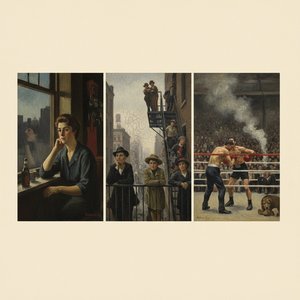
Sunday, a painting by Edward Hopper, is a quintessential representation of modern American life in the early 20th century. Created in 1926, this oil on canvas piece captures the essence of urban solitude and the human condition during the Great Depression era.

Artistic Style and Influences

Edward Hopper's style is characterized by his use of light and shadow to evoke emotions and create a sense of isolation. His work often reflects the influence of Cubism and Cubo-Futurism, as seen in the geometric forms and fragmented perspectives in his paintings.

The Scene Depicted

In Sunday, Hopper depicts a man sitting on a sidewalk, smoking a cigar. The scene is set against a backdrop of old wooden buildings with darkened windows, suggesting stores that are closed for the weekend or permanently. The sunlight casts a cold glow over the entire scene, emphasizing the sense of desolation and inertia.

Symbolism and Interpretation

The painting is rich in symbolism, inviting viewers to ponder the man's identity and his relationship with the surrounding environment. Is he waiting for something, or simply lost in thought? The empty street and closed stores add to the feeling of isolation and stagnation, reflecting the national anxiety and disillusionment of the time.

Artistic Significance

Sunday is a significant work in Hopper's oeuvre, showcasing his ability to capture the essence of modern life through subtle yet powerful imagery. It is part of the American Scene Painting movement, which focused on depicting everyday American life.

Conclusion

Edward Hopper's Sunday is a masterpiece that continues to captivate audiences with its poignant portrayal of urban solitude and the human condition. As a reflection of modern life during the Great Depression, it stands as a testament to Hopper's skill in capturing the essence of his time through art. Experience the beauty of Edward Hopper's "Sunday" in a handmade oil painting reproduction from OriginalUniqueArt.

Korduvad küsimused

Mis on teose „sunday“, autor Edward Hopper orientatsioon?

Teose "sunday" vorming on Landscape. See on kasulik reproduktsiooni paigaldamise planeerimisel.

Kas ma saan näha teost „sunday“, autor Edward Hopper erinevates valgustingimustes?

Teost "sunday" saab uurida kiht kihti teose Röntgenuuring lehel, mis on restauraatori valgelaudast inspireeritud interaktiivne vaatur, pakkudes kujundist üksteist optilist lugemist.

Mille kohta on teos "sunday" ja milline on selle atmosfäär?

Teos "sunday" kujutab teemasid urban solitude, great depression, geometric forms, light shadow, american life, evening scene, interior architecture ning selle meeleolu on Calm.

In numbers

  • 29frames to choose from
  • standard sizes, in its own proportions
  • 5weeks to paint and deliver it

About the original

Edward Hopper

Edward Hopper

1931 - 1967, USA

Lühikest infot

  • Artistic Movement Or Style: Realism
  • Artists Who Influenced This Artist:
    • William Merritt Chase
    • Robert Henri
  • Date Of Birth: July 22, 1882
  • Date Of Death: May 15, 1967
  • Full Name: Edward Hopper
  • Nationality: American
  • Notable Artworks:
    • Nighthawks
    • House by the Railroad
    • Gas
  • Place Of Birth: Nyack, USA

Kunstniku elulugu

Edward Hopper: A Master of American Realism

Edward Hopper, a name inextricably linked to the quietude and subtle melancholy that permeated 20th-century American life, wasn’t simply a painter of scenes; he was a poet of light and shadow, a chronicler of modern isolation. Born in Nyack, New York, in 1882, to middle-class parents of Dutch ancestry, Hopper's early years provided a stable upbringing that nurtured his artistic inclinations. From childhood sketches meticulously dated and signed, it became evident that keen observation and an innate talent for drawing were central to his being. Though initially encouraged towards commercial illustration – a pragmatic suggestion from his parents – Hopper’s ambitions leaned toward fine art, leading him to the New York School of Art where he studied under William Merritt Chase and Robert Henri. These formative years instilled not only technical skill but also an appreciation for realism and a commitment to depicting the world as he saw it—unvarnished and honest. The writings of Ralph Waldo Emerson resonated deeply with Hopper, reinforcing his sense of individualism and acute observation – qualities that would become hallmarks of his artistic vision. Early travels to Paris exposed him to Impressionism, yet Hopper quickly diverged from its fleeting brushstrokes, forging a path uniquely his own.

Early Life and Artistic Beginnings

Hopper’s formative years were marked by a quiet determination to pursue his passions despite familial expectations. He demonstrated exceptional drawing skills from a young age, capturing landscapes and portraits with remarkable accuracy—a testament to his innate talent for visual representation. Despite initial inclinations toward commercial illustration, Hopper steadfastly adhered to his conviction that true artistic expression demanded engagement with the complexities of fine art. His studies at the New York School of Art under Chase and Henri profoundly shaped his aesthetic sensibilities, fostering a commitment to realism and influencing his stylistic choices throughout his career. These mentors championed observation as paramount to artistic achievement—a principle Hopper embraced wholeheartedly, prioritizing meticulous detail and capturing the essence of reality with unwavering fidelity. William Merritt Chase encouraged Hopper to focus on tonal harmony and expressive brushwork, while Robert Henri instilled in him a rebellious spirit and a desire to challenge conventional artistic norms.

Finding His Voice: Realism and the American Scene

Hopper’s artistic journey wasn't immediate or effortless. He grappled with discovering his distinctive voice, experimenting with various styles before settling into the realism that would define his career. This wasn’t mere replication of reality; it was a distillation of its essence, stripping away extraneous detail to reveal underlying emotional truths. His paintings began to focus on everyday scenes – houses, diners, offices, hotel rooms – imbued with a sense of stillness and often, loneliness. He possessed an extraordinary ability to capture the psychological states of his subjects, hinting at narratives without explicitly stating them. The precise rendering of light and shadow became crucial, not merely as descriptive elements but as emotional cues, creating atmospheres that were both captivating and unsettling. House by the Railroad (1925), an early masterpiece, exemplifies this approach—a seemingly simple composition radiating a profound sense of isolation and mystery. Hopper’s printmaking, often overlooked, ran parallel to his painting, sharing similar themes and stylistic qualities, demonstrating his mastery across mediums. He wasn't interested in grand historical narratives or allegorical symbolism; he focused on the mundane, elevating it through careful observation and emotional resonance.

Iconic Visions: Nighthawks and Beyond

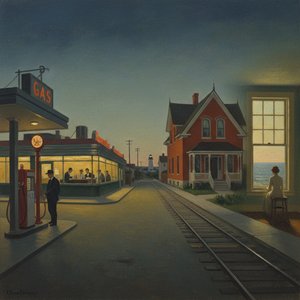
While Hopper’s career unfolded gradually, certain works catapulted him to widespread recognition. Nighthawks (1942), arguably his most famous painting, became an instant icon of American culture. The late-night diner scene, bathed in stark fluorescent light, perfectly encapsulates the alienation and anonymity of modern urban life. The figures within are lost in their own thoughts, disconnected from one another despite their proximity—a poignant commentary on the human condition. Gas (1940), with its striking portrayal of a roadside gas station, showcases Hopper’s fascination with American landscapes and the burgeoning automobile culture. Other notable works like *Automat*, *Office in a Small City*, and *Summertime* each offer unique insights into the complexities of 20th-century American society. These paintings weren't merely depictions of places; they were explorations of mood, psychology, and the subtle dramas unfolding within ordinary settings. His wife, Josephine Nivison Hopper, played a vital role not only as his lifelong companion but also as a frequent model, contributing significantly to the characterization of his female figures.

Legacy and Influence

Edward Hopper’s enduring legacy rests upon his profound contribution to American art history—a contribution characterized by unwavering realism, psychological depth, and an unparalleled sensitivity to capturing the nuances of human experience. His paintings continue to resonate with audiences today because they speak to universal themes of loneliness, isolation, and the search for meaning in a rapidly changing world. Hopper’s stylistic innovations profoundly influenced subsequent artists, establishing him as one of the most important figures in modern American art—a legacy cemented by his iconic works and their enduring presence in museums worldwide. His ability to transform commonplace scenes into evocative explorations of emotion solidified his place as a visionary artist who captured the spirit of his time—and continues to inspire contemplation and wonder generations later. Hopper’s influence extends beyond painting, permeating film and literature, demonstrating the breadth of his artistic impact on cultural expression.

Teave teose kohta

  • Artist: Edward Hopper
  • Movement: American Scene Painting
  • Influences:
    • Cubism
    • Cubo-Futurism
  • Year: 1926
  • Subject or theme: Urban solitude; Depression era

More about this painting

Eelvaade AR-eelvaade Lülita trükkitoodetele Lülita digitaalse pildi juurde Saada
Teave teose kohta Juhend Lisa lemmikutesse Laadi alla Sarnased teosed Röntgenuuring Slaidietendus Q&A Statistika