Contemporary Realism Contemporary Realism · 1912
squam light (Edward Hopper, 1912)
Edward Hopper (1882–1967) on loonud teose squam light. See on pärinev 1912 aastast. See kuulub Contemporary Realism Contemporary Realism suuntrime. Teos on valmistatud materjalist Acrylic On Canvas.
- 1912
- Acrylic On Canvas

 Eelvaade

 Käsitsi maalatud õlimaalatsioon
 Saada
 Jaga
 Teave teose kohta


 Laadi alla
 Sarnased teosed
 Röntgenuuring
 Slaidietendus
 KÜSIMUSED JA VASTUSID

 Statistika
squam light lühidalt
- Pealkiri
- squam light
- Kunstnik
- Edward Hopper (1882–1967)
- Kunstnik on sündinud
- Ülänyyak, USA
- Kuupäev
- 1912
- Tehnika
- Acrylic On Canvas
- Aeglkond
- 19th Century
- Teema
- lighthouse scene, coastal landscape, edward hopper, atmospheric light, solitude theme, american realism
Mida squam light kujutab?
A Study in Coastal Solitude: "Squam Light" by Edward Hopper
Edward Hopper’s “Squam Light,” painted in 1912, is more than just a depiction of a New England coastline; it's a carefully constructed meditation on isolation and the enduring presence of human endeavor against the vastness of nature. The painting immediately draws the viewer into a scene of quiet contemplation – a solitary lighthouse standing sentinel over a turbulent sea, its white form a beacon both literal and metaphorical. Hopper’s masterful use of light and shadow, hallmarks of his style, dramatically shapes the composition, emphasizing the stark geometry of the lighthouse against the diffuse, cloudy sky.
- Subject Matter: The primary subject is the iconic New England lighthouse, a symbol of guidance, safety, and connection. However, Hopper subtly subverts this traditional symbolism by presenting it in a state of quiet detachment.
- Composition: The placement of the houses – one prominent in the foreground, another receding into the distance – creates a sense of depth and invites the viewer to consider the lives unfolding within these modest dwellings.
Technique and Style: Hopper’s Realist Vision
Painted during a period when American realism was gaining prominence, “Squam Light” exemplifies Hopper's meticulous attention to detail and his ability to capture the essence of everyday life. His technique is characterized by precise brushwork and a restrained palette – primarily muted blues, grays, and whites – which contributes significantly to the painting’s melancholic mood. Hopper’s approach was rooted in observation; he spent considerable time studying the landscapes and people around him, translating his perceptions onto canvas with remarkable accuracy. The slightly hazy atmosphere, achieved through layering of paint, adds a sense of atmospheric perspective, further enhancing the realism of the scene.
Historical Context: A Moment of Transition
1912 marks a pivotal moment in American art history. Hopper was developing his distinctive style during this time, influenced by the burgeoning interest in depicting modern life and the growing awareness of urban alienation. The rise of industrialization and urbanization were beginning to reshape American society, leading to increased feelings of isolation and detachment – themes that would become central to Hopper’s oeuvre. This painting reflects a broader cultural shift towards introspection and a questioning of traditional values.
Symbolism and Emotional Impact
"Squam Light" resonates with viewers on an emotional level due to its inherent ambiguity. The lighthouse, though offering guidance, remains isolated; the houses suggest lives lived within quiet routines, perhaps lacking connection or purpose. Hopper’s work frequently explores themes of loneliness, alienation, and the search for meaning in a rapidly changing world. The painting's subdued palette and carefully constructed composition evoke a sense of melancholy and contemplation, inviting viewers to reflect on their own experiences of solitude and the relationship between humanity and the natural world. It is a powerful reminder of the quiet beauty and inherent sadness that can be found in even the most familiar landscapes.
squam light kõrge resolutsiooniga pildid
Protected by copyright: these files are for personal reference, not a licence to republish.
Edward Hopper, squam light (1912).
Küsimused teemal squam light – vastused
Mis on teose „squam light“, autor Edward Hopper loomisaeg?
Teos „squam light“, autor Edward Hopper loodi aastal 1912.
Millist tehnikat teose „squam light“, autor Edward Hopper valmistamisel kasutati?
Teose "squam light" loomisel kasutas Edward Hopper Acrylic On Canvas tehnikat. See tehnika määrab originaalteose materjalilise olemuse.
Mida „squam light“, autor Edward Hopper kujutab?
„squam light“, autor Edward Hopper kujutab: lighthouse scene, coastal landscape, edward hopper, atmospheric light, solitude theme, american realism, nineteen eleven.
Kas teose „squam light“, autor Edward Hopper pilt on vabalt reproduseeritav?
Tegijateõiguse osas on teos "squam light" kuuluv klassifikatsiooni alla: on endiselt autoriõiguse all under kaitse.
Millisele kunstnikule on teos "squam light" atribuutseeritud?
Teose "squam light" autoriks on mõeldud Edward Hopper.
Millissele stiilile kuulub "squam light"?
"squam light" on Contemporary Realism Contemporary Realism suunaga teos. See suundumine viitab kunstilisele traditsioonile, millega teos on seotud.
Millissele perioodile Edward Hopper karjäärist kuulub teos "squam light"?
Edward Hopper loomingus kuulub teos "squam light" perioodi Mature Period Mature Period. See etap aitab seda võrdida kunstniku teiste töödega.
Mis vanuses loos Edward Hopper teose "squam light"?
Edward Hopper oli 30 aastane, kui ta teosest "squam light" aastal 1912 lõi. Vanus on arvutatud kunstniku sünnaaasta põhjal, 1882.
Miks on teose "squam light" autoriõiguste staatus selline, nagu see on?
„squam light“, autor Edward Hopper on on endiselt autoriõiguse all under kaitse. Tegijakeskuse kaitse kestus arvatakse kunstniku surmaajaest, mis toimus aastal 1967.
Kunstnikust, Edward Hopper
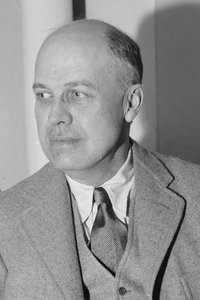
1882–1967, USA
Edward Hopper
Ameerika stseeni vaikus Edward Hopper sündis Üles-Nyackis, Ühendusriikides. Tema varajased aastad pöödugi maailma vaatlemisele kindlaga silmaga, harjutus, mis sai alguse täpselt kuupäevastatud ja allakirjatud lastepõhja joonistustele. Kuigi tema vanemad soovisid talle praktilistumaan komantsiaalilist illustratööri teed, jäi tema fookus fine arts-i ehk eskunstide juurde. Ta õppis New Yorki Kunstikoolis William Merritt Chasei ja Robert Henri juures.
Ka Edward Hopper teosed
 Nighthawks, The Art Institute of Chicago, Chica1942
 Automat (väike)
 Maja raudtee ääres1925
 New York Movie1939
Essee teemadel squam light
 Harlem Renaissance vs. American Scene Painting: Defining Two Eras of US ArtDiscover the stylistic differences between Harlem Renaissance and American Scene Painting. Explore these iconic art movements now.
 American artworks of the 1940sIconic 1940s American works by Edward Hopper and Dorothea Lange. Explore the full collection online at OriginalUniqueArt.com.
 American artworks of the 1950sIconic 1950s American works by Edward Hopper and Richard Avedon define an era. Explore the full collection online at OriginalUniqueArt.com.