

 Eelvaade
 Saada
Saada Jaga
Jaga
 Teave teose kohta

 Laadi alla
 Sarnased teosed
 Röntgenuuring
 Slaidietendus
Railroad Sunset


 Loe lähemalt
Ostke kõrglahutusel ja täiustatud digitaalne pilt, mis on oluliselt parem kui veebilehel näidatud eelvaade.
Iga fail on meie spetsialistide poolt hoolikalt ette valmistatud, kasutades kaasaegseid tööriistu ja professionaalset käsitsi retušeerimist. Tagame, et igal pildil on erakordne selgus, täpne värvitäpsus ja peen detail.
Lõplik fail saadetakse e-posti teel 72 tunni jooksul, olles optimeeritud koheseks kasutamiseks professionaalsetes, toimetuslikes ja trüki keskkondades. See on sama kvaliteet, mida usaldavad tipptasemel disainistuudiod, kirjastused ja galeriid.
Digitaalne kunstiteos
Laadi alla kõrge resolutsiooniga fail isiklikuks vaatamiseks, trükkimiseks ja loomingulisteks projektideks. ( Osta print Osta käsitsi maalitud maal)
Sisse kuulub iga digitaalse pildi tellimusega
Eksperdi digitaalne kohaletoimetamine, garanteeritud
Valides OriginalUniqueArt.com, ei saa sa lihtsalt pilti – saad professionaalselt parandatud digitaalse teose, mida on valmistatud täpsusega ja mis on toetatud rahuldamatusgarantiiga. Siin on kõik, mis sinu tellimusega automaatselt kaasneb:

Kiire digitaalne saatmine
Teie kõrge resolutsiooniga digitaalne pildifail saadetakse teile e-posti 72 tunni jooksul pärast tellimist – kohe kasutamiseks valmis.

Tehisintellektiga täiustatud digitaalne fail
Teie teos on professionaalselt optimeeritud arenenud tehisintellekti tööriistade ja käsitsi redigeerimise abil, tagades maksimaalse detailitaseme, selguse ja värvitäpsuse.

Tasuta eluaegne uuesti saatmine
Kas kustutasid faili kogukalu unustamisel või kustutamisel? Puudub mure – saad selle uuesti igal ajal ilma lisatasuta.

Puuduvad importimaksed – alati
Nautige oma teoseid koheselt ilma tolli-, maksude või tarnimaskuludeta – digiletchargused on alati maksuvabadud.

Värvitäpsuse garantii
Me tagame, et teie digitaalne pilt kajastaks originaali värve professionaalsete tööriistade ja värvihalduse abil võimalikult täpselt.

60-päevane rahulolu garantii
Kui te ei ole oma digipildiga rahul, parandame seda või tagastame 100% summast 60 päeva jooksul – küsimusi ei esita.

100% raha tagastamise garantii
Ei ole rahul? Saate täielise tagastaja 60 päeva jooksul pärast digitaalse faili kättesaamist – küsimata.

Suurema tellimuse soodustused
Osta 3 pilti, säästa 10% - Osta 5, säästa 15% - Osta 10+, säästa 20%. Sobib suurepäraselt loomingulisteks projektideks, galeriideks ja agentuurideks.
Edward Hopper's "Railroad Sunset": A Study in Solitude
Edward Hopper’s “Railroad Sunset,” painted in 1929, is more than just a depiction of a coastal scene; it’s a distilled essence of American loneliness and the poignant beauty found within moments of quiet contemplation. The painting immediately draws the viewer into its stark simplicity – a solitary lighthouse piercing a dramatic, black-and-white sky, framed by the imposing silhouette of mountains. This image, born from Hopper's meticulous observation of the natural world, speaks to a deeper human condition, one often characterized by isolation and introspection.
- Subject Matter: The composition centers around a classic maritime subject – a lighthouse – but elevates it through Hopper’s signature style. The presence of the railroad tracks in the foreground subtly introduces an element of industrial intrusion, hinting at the encroachment of modernity upon the natural world and perhaps reflecting the anxieties of the era.
- Style & Technique: Executed in his characteristic black-and-white palette, “Railroad Sunset” exemplifies Hopper’s mastery of realism combined with a deliberate sense of detachment. The sharp contrasts between light and shadow are expertly rendered, creating a powerful visual drama that emphasizes the verticality of the lighthouse and the vastness of the sky. Hopper's brushwork is precise yet subtly textured, contributing to the painting's tactile quality.
Historical Context & The Rise of Modern Isolation
1929 marks a pivotal year – the eve of the Great Depression. Hopper’s work during this period reflects a growing sense of unease and disillusionment within American society, mirroring the anxieties surrounding economic instability and social change. The rise of urban centers and industrialization contributed to a feeling of alienation, a theme frequently explored in Hopper's oeuvre. “Railroad Sunset” can be seen as a visual embodiment of this sentiment – a lone sentinel against an indifferent landscape.
- American Modernism: The painting aligns with the broader trends of American Modernism, which sought to capture the essence of modern life through objective observation and a rejection of traditional academic styles.
- Hopper's Influences: Hopper’s artistic development was significantly shaped by his studies under William Merritt Chase and Robert Henri, both influential figures in the Ashcan School movement, known for its focus on depicting everyday urban scenes with unflinching realism.
Symbolism & Emotional Resonance
The lighthouse itself is a potent symbol – representing guidance, hope, and perhaps even a futile attempt to ward off the darkness. Its bright light, however, feels almost melancholic in its intensity, suggesting a yearning for connection that remains unfulfilled. The vastness of the sky and the distant mountains evoke a sense of scale and insignificance, reinforcing the theme of isolation. The painting’s emotional impact is profoundly quiet; it doesn't shout or demand attention but rather invites the viewer to contemplate their own feelings of solitude and longing.
- Color & Light: The deliberate absence of color amplifies the drama and emphasizes the interplay of light and shadow, creating a powerful emotional atmosphere.
- Compositional Balance: Hopper’s masterful use of composition – particularly the placement of the lighthouse – draws the eye upwards, reinforcing the sense of aspiration and perhaps also the feeling of being overwhelmed by the immensity of the world.
A Timeless Masterpiece for Your Collection
OriginalUniqueArt.com offers a meticulously crafted hand-painted reproduction of Edward Hopper’s “Railroad Sunset,” capturing the essence of this iconic work with unparalleled detail and fidelity. This is more than just an image; it's an investment in art history, a piece that will enrich your interior space and spark contemplation for years to come. Perfect for collectors, designers seeking a touch of Hopper’s signature style, or anyone who appreciates the beauty of quiet moments.
Kunstniku biograafia
Edward Hopper: A Master of American Realism
Edward Hopper, a name inextricably linked to the quietude and subtle melancholy that permeated 20th-century American life, wasn’t simply a painter of scenes; he was a poet of light and shadow, a chronicler of modern isolation. Born in Nyack, New York, in 1882, to middle-class parents of Dutch ancestry, Hopper's early years provided a stable upbringing that nurtured his artistic inclinations. From childhood sketches meticulously dated and signed, it became evident that keen observation and an innate talent for drawing were central to his being. Though initially encouraged towards commercial illustration – a pragmatic suggestion from his parents – Hopper’s ambitions leaned toward fine art, leading him to the New York School of Art where he studied under William Merritt Chase and Robert Henri. These formative years instilled not only technical skill but also an appreciation for realism and a commitment to depicting the world as he saw it—unvarnished and honest. The writings of Ralph Waldo Emerson resonated deeply with Hopper, reinforcing his sense of individualism and acute observation – qualities that would become hallmarks of his artistic vision. Early travels to Paris exposed him to Impressionism, yet Hopper quickly diverged from its fleeting brushstrokes, forging a path uniquely his own.Early Life and Artistic Beginnings
Hopper’s formative years were marked by a quiet determination to pursue his passions despite familial expectations. He demonstrated exceptional drawing skills from a young age, capturing landscapes and portraits with remarkable accuracy—a testament to his innate talent for visual representation. Despite initial inclinations toward commercial illustration, Hopper steadfastly adhered to his conviction that true artistic expression demanded engagement with the complexities of fine art. His studies at the New York School of Art under Chase and Henri profoundly shaped his aesthetic sensibilities, fostering a commitment to realism and influencing his stylistic choices throughout his career. These mentors championed observation as paramount to artistic achievement—a principle Hopper embraced wholeheartedly, prioritizing meticulous detail and capturing the essence of reality with unwavering fidelity. William Merritt Chase encouraged Hopper to focus on tonal harmony and expressive brushwork, while Robert Henri instilled in him a rebellious spirit and a desire to challenge conventional artistic norms.Finding His Voice: Realism and the American Scene
Hopper’s artistic journey wasn't immediate or effortless. He grappled with discovering his distinctive voice, experimenting with various styles before settling into the realism that would define his career. This wasn’t mere replication of reality; it was a distillation of its essence, stripping away extraneous detail to reveal underlying emotional truths. His paintings began to focus on everyday scenes – houses, diners, offices, hotel rooms – imbued with a sense of stillness and often, loneliness. He possessed an extraordinary ability to capture the psychological states of his subjects, hinting at narratives without explicitly stating them. The precise rendering of light and shadow became crucial, not merely as descriptive elements but as emotional cues, creating atmospheres that were both captivating and unsettling. House by the Railroad (1925), an early masterpiece, exemplifies this approach—a seemingly simple composition radiating a profound sense of isolation and mystery. Hopper’s printmaking, often overlooked, ran parallel to his painting, sharing similar themes and stylistic qualities, demonstrating his mastery across mediums. He wasn't interested in grand historical narratives or allegorical symbolism; he focused on the mundane, elevating it through careful observation and emotional resonance.Iconic Visions: Nighthawks and Beyond
While Hopper’s career unfolded gradually, certain works catapulted him to widespread recognition. Nighthawks (1942), arguably his most famous painting, became an instant icon of American culture. The late-night diner scene, bathed in stark fluorescent light, perfectly encapsulates the alienation and anonymity of modern urban life. The figures within are lost in their own thoughts, disconnected from one another despite their proximity—a poignant commentary on the human condition. Gas (1940), with its striking portrayal of a roadside gas station, showcases Hopper’s fascination with American landscapes and the burgeoning automobile culture. Other notable works like *Automat*, *Office in a Small City*, and *Summertime* each offer unique insights into the complexities of 20th-century American society. These paintings weren't merely depictions of places; they were explorations of mood, psychology, and the subtle dramas unfolding within ordinary settings. His wife, Josephine Nivison Hopper, played a vital role not only as his lifelong companion but also as a frequent model, contributing significantly to the characterization of his female figures.Legacy and Influence
Edward Hopper’s enduring legacy rests upon his profound contribution to American art history—a contribution characterized by unwavering realism, psychological depth, and an unparalleled sensitivity to capturing the nuances of human experience. His paintings continue to resonate with audiences today because they speak to universal themes of loneliness, isolation, and the search for meaning in a rapidly changing world. Hopper’s stylistic innovations profoundly influenced subsequent artists, establishing him as one of the most important figures in modern American art—a legacy cemented by his iconic works and their enduring presence in museums worldwide. His ability to transform commonplace scenes into evocative explorations of emotion solidified his place as a visionary artist who captured the spirit of his time—and continues to inspire contemplation and wonder generations later. Hopper’s influence extends beyond painting, permeating film and literature, demonstrating the breadth of his artistic impact on cultural expression.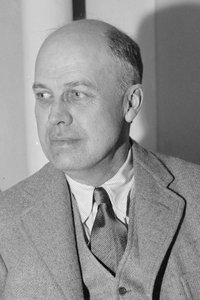
Edward Hopper
1931 - 1967 , USA
Lühikesed faktid
- Artistic Movement Or Style: Realism
- Artists Who Influenced This Artist:
- William Merritt Chase
- Robert Henri
- Date Of Birth: July 22, 1882
- Date Of Death: May 15, 1967
- Full Name: Edward Hopper
- Nationality: American
- Notable Artworks:
- Nighthawks
- House by the Railroad
- Gas
- Place Of Birth: Nyack, USA

