

 Vaata sisu
 Jaga teost
 Jaga
Jaga
 Detailid
 Õppekate juhend

 Laadi alla
 Sarnased teosed
 Röntgenuuring
 Slaidietendus
 Statistika
Püha
 Õlimaal kangaruumil
- Seinakunst
- New Realism
 1926
1926- Modernism
 86.0 x 74.0 cm
 The Phillips Collection
 Loe lähemalt
Sellel lehel kuvatav kunstiteos on kaitstud autoriõigusega, mis tähendab, et meil ei ole seaduslikku õigust luua või müüa identset reproduktsiooni. Seda kaitset rakendatakse rahvusvaheliste kokkulepete alusel, nagu näiteks Berne konventsioon ning riiklike seadustega, sealhulgas nendega, mida on sätestatud USA autoriõiguse seadus – 17. peatükk.
See meetod järgib täielikult autoriõiguse reegleid, kuna see ei põhine kaitstud kunstiteose kopeerimisel või dupliteerimisel. Selle asemel on tegu loova reinterpreetatsiooniga – uue maaldisega, mis on algteosest inspireeritud, kuid ei ole sellest identiline.
Giclée / Kunstiprint
Muuseumikvaliteediga giclée- või kangasprint kiire tootmisega ja paindlikud viimistlusvõimalused. ( Telli käsitsi maalitud reproduktsioon Ülemineku digitaalse pildi müügi kanalisse)




P118B €10

P118H €10

P118W €10

P438Z €10

P508JH €12

P508YH €12

P805H €10

P805Z €10

P919BZ €10

P919G €10

P919XJ €10

P959ZH €10

P968JZ €12

W106C €8

W218G €10

W218JH €8

W218Y €10

W307PJ €10

W316G €10

W316PJ €8

W316Y €10

W398PJ €8

W4111J €10

W500HY €15

W500JH €15

W692G €12

W849H €8

W940BG €15

W953PJ €8




Vali meie eelmääratud suurused, mis vastavad teose algupärastele proportsioonidele.

Sisestage vajalik laius ja kõrgus, et see sobiks teie raamile või seinale. Trükki saab ainult lõigata, seda ei saa kunagi pildist suuremaks teha, seega ka differentse vormiga suurus kaotab osa pildist. Enne trükkimist saadame teile kinnitamiseks digitaalse näidisprojektsiooni. Sellel lehel näidatud pilt ei kujuta reaalset lõiget — seda näitab ainult näidisprojekttsioon.
Ülemaailmne tarne () 2 nädala jooksul, tavalise 4/5 nädala asemel. (18 oktoober)

Tasuta ekspresssaatmine üle maailma

Kõrgekvaliteediline lina-kangastest muld

Täielik transpordikindlustus

Tollimaksude tagastamise garantii

Värvitoime täpsuse garantii

100 päeva tagastusõigus (ainult defektide korral)

100% raha tagasi garantii

Hulgusoodustus
 Klaasivalik on saadaval ainult kuni 110 cm suuruses teostes

Püha
Giclée / Kunstiprint
Reproduktsiooni mõõtmed
-


Lõppsumma
€ 70
Edward Hopperi "Püha": Linnaüksildus ja Hingede Vaikus
Edward Hopperi maal "Püha" (inglise keeles "Sunday") on rohkem kui pelgupilt; see on peegel 20. sajandi Ameerika vaimule, vaoshoitlik uurimus üksinduse teemal ja hetkeline peatükikoht inimhinge sügavustes. 1926. aastal valminud teos kujutab endast meesfiguuri, kes istub puukivil pingil suletud poekasete ees, luues atmosfääri, mis on täis vaikset kontemplatsiooni ja kerget melankooliat. Hopperi oskus tabada igapäevaelu hetki ning tõsta need kunstiteose tasemele teeb "Pühast" eriti väärtuslikuks näiteks New Realismi liikumise esindajale.
Värvid, Valgus ja Vorm: Tehnilise Täpsuse Ilu
Hopperi maalitehnikas on tähelepanuväärne värvide kasutamine. Maal on peamiselt koordineeritud maa-toonides – pruunid, hallid ja beežid –, mis rõhutavad stseeni vaikset melankoolset olemust. Siiski, need toonid kontrastseeruvad eredate aktsentidega: punane uks vasakul pool annab värviplahvuse ning mehe helesinise särk tõmbab pilgu poole. Vertikaalsed jooned hoonete kolonnides ja aknaraamides loovad stabiilsust ja korrapärasust, samas kui horisontaalsed jooned pingil ja poes on täiendavad ankurpunkte. Valgus- ja varjureeglid mängivad olulist rolli, luues sügavust ja dimensiooni ning asetades vaataja otse stseeni keskele. Hopper kasutab valgust nii, et see mitte ainult ei rõhuta vorme, vaid ka esile too b mehe üksildust – ta on valguses, kuid siiski eraldunud ümbitsest.
Ajalooline Kontekst ja Sümbolism: Ajastu Peegel
"Püha" valmis ajal, mil Ameerika Ühendriigid seisid oluliste sotsiaalsete ja majanduslike muutuste ees. Suure Depressiooni varajased mõjud olid juba tunda ning Hopperi maal peegeldab ajastu rahvuslikku ärevust ja pettumust. Suletud aknad ja tühjad tänavad sümboliseerivad hüljatust ja aja möödumist, samas kui üksik mees kehastab individuaalset isolatsiooni üha muutuvamas maailmas. Maali võib tõlgendada ka kui kommentaari inimsuhetele – mees on füüsiliselt lähedal hoonetele, kuid emotsionaalselt nendest kaugel. See sümbolism annab maalile lisamõõtme ning muudab selle rohkem kui pelgupaigutluseks.
Emotsionaalne Resonants: Vaataja Hingele
Edward Hopperi "Püha" ei ole lihtsalt maal; see on emotsionaalne kogemus. Maal kutsub vaatajat kaasa mõtisklema inimhinge kitsikuses, üksinduse teemal ja ajutise hetke väärtusest. Mehe passiivne poos, tema pilgu suund – kõik need detailid aitavad luua atmosfääri, mis on täis vaikset melankooliat ja sisemist rahulolematust. Hopperi maal ei jutusta lugu sõnadega, vaid kutsub vaatajat ise loo loomiseks, täites tühimikud omaenda kogemuste ja emotsioonidega. See teebki "Pühast" nii võlusa ja ajatüliku kunstiteose – see kõnetab inimeste universaalseid vajadusi seletamatuse ja sisemiselt rahulolematu oleku suhtes.
Küsimused ja vastused
Kust saan alla laadida „Püha“, autor Edward Hopper?
Teose „Püha“, autor Edward Hopper digitaalset pilti saab alla laadida selle teose Laadi alla lehelt: kõrge resolutsiooniga digitaalse pildi allalaadimine.
Millissele etapile Edward Hopper karjääris kuulub teos "Püha" (1926)?
Otsustades selle aastale 1926, kuulub teos "Püha" Edward Hopper loomingulisse perioodi Mature Period.
Kust saan näha originaalteost „Püha“, autor Edward Hopper?
Teos „Püha“, autor Edward Hopper on näitustel The Phillips Collection, Washington D.C., Ameerika Ühendriigid. Muuseumi keterangane viitab originaalteosele, mitte reproduktsioonidele.
Kunstniku elulugu
Edward Hopper: A Master of American Realism
Edward Hopper, a name inextricably linked to the quietude and subtle melancholy that permeated 20th-century American life, wasn’t simply a painter of scenes; he was a poet of light and shadow, a chronicler of modern isolation. Born in Nyack, New York, in 1882, to middle-class parents of Dutch ancestry, Hopper's early years provided a stable upbringing that nurtured his artistic inclinations. From childhood sketches meticulously dated and signed, it became evident that keen observation and an innate talent for drawing were central to his being. Though initially encouraged towards commercial illustration – a pragmatic suggestion from his parents – Hopper’s ambitions leaned toward fine art, leading him to the New York School of Art where he studied under William Merritt Chase and Robert Henri. These formative years instilled not only technical skill but also an appreciation for realism and a commitment to depicting the world as he saw it—unvarnished and honest. The writings of Ralph Waldo Emerson resonated deeply with Hopper, reinforcing his sense of individualism and acute observation – qualities that would become hallmarks of his artistic vision. Early travels to Paris exposed him to Impressionism, yet Hopper quickly diverged from its fleeting brushstrokes, forging a path uniquely his own.Early Life and Artistic Beginnings
Hopper’s formative years were marked by a quiet determination to pursue his passions despite familial expectations. He demonstrated exceptional drawing skills from a young age, capturing landscapes and portraits with remarkable accuracy—a testament to his innate talent for visual representation. Despite initial inclinations toward commercial illustration, Hopper steadfastly adhered to his conviction that true artistic expression demanded engagement with the complexities of fine art. His studies at the New York School of Art under Chase and Henri profoundly shaped his aesthetic sensibilities, fostering a commitment to realism and influencing his stylistic choices throughout his career. These mentors championed observation as paramount to artistic achievement—a principle Hopper embraced wholeheartedly, prioritizing meticulous detail and capturing the essence of reality with unwavering fidelity. William Merritt Chase encouraged Hopper to focus on tonal harmony and expressive brushwork, while Robert Henri instilled in him a rebellious spirit and a desire to challenge conventional artistic norms.Finding His Voice: Realism and the American Scene
Hopper’s artistic journey wasn't immediate or effortless. He grappled with discovering his distinctive voice, experimenting with various styles before settling into the realism that would define his career. This wasn’t mere replication of reality; it was a distillation of its essence, stripping away extraneous detail to reveal underlying emotional truths. His paintings began to focus on everyday scenes – houses, diners, offices, hotel rooms – imbued with a sense of stillness and often, loneliness. He possessed an extraordinary ability to capture the psychological states of his subjects, hinting at narratives without explicitly stating them. The precise rendering of light and shadow became crucial, not merely as descriptive elements but as emotional cues, creating atmospheres that were both captivating and unsettling. House by the Railroad (1925), an early masterpiece, exemplifies this approach—a seemingly simple composition radiating a profound sense of isolation and mystery. Hopper’s printmaking, often overlooked, ran parallel to his painting, sharing similar themes and stylistic qualities, demonstrating his mastery across mediums. He wasn't interested in grand historical narratives or allegorical symbolism; he focused on the mundane, elevating it through careful observation and emotional resonance.Iconic Visions: Nighthawks and Beyond
While Hopper’s career unfolded gradually, certain works catapulted him to widespread recognition. Nighthawks (1942), arguably his most famous painting, became an instant icon of American culture. The late-night diner scene, bathed in stark fluorescent light, perfectly encapsulates the alienation and anonymity of modern urban life. The figures within are lost in their own thoughts, disconnected from one another despite their proximity—a poignant commentary on the human condition. Gas (1940), with its striking portrayal of a roadside gas station, showcases Hopper’s fascination with American landscapes and the burgeoning automobile culture. Other notable works like *Automat*, *Office in a Small City*, and *Summertime* each offer unique insights into the complexities of 20th-century American society. These paintings weren't merely depictions of places; they were explorations of mood, psychology, and the subtle dramas unfolding within ordinary settings. His wife, Josephine Nivison Hopper, played a vital role not only as his lifelong companion but also as a frequent model, contributing significantly to the characterization of his female figures.Legacy and Influence
Edward Hopper’s enduring legacy rests upon his profound contribution to American art history—a contribution characterized by unwavering realism, psychological depth, and an unparalleled sensitivity to capturing the nuances of human experience. His paintings continue to resonate with audiences today because they speak to universal themes of loneliness, isolation, and the search for meaning in a rapidly changing world. Hopper’s stylistic innovations profoundly influenced subsequent artists, establishing him as one of the most important figures in modern American art—a legacy cemented by his iconic works and their enduring presence in museums worldwide. His ability to transform commonplace scenes into evocative explorations of emotion solidified his place as a visionary artist who captured the spirit of his time—and continues to inspire contemplation and wonder generations later. Hopper’s influence extends beyond painting, permeating film and literature, demonstrating the breadth of his artistic impact on cultural expression.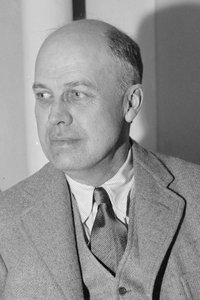
Edward Hopper
1931 - 1967 , USA
Lühikest infot
- Artistic Movement Or Style: Realism
- Artists Who Influenced This Artist:
- William Merritt Chase
- Robert Henri
- Date Of Birth: July 22, 1882
- Date Of Death: May 15, 1967
- Full Name: Edward Hopper
- Nationality: American
- Notable Artworks:
- Nighthawks
- House by the Railroad
- Gas
- Place Of Birth: Nyack, USA
Sarnased artiklid
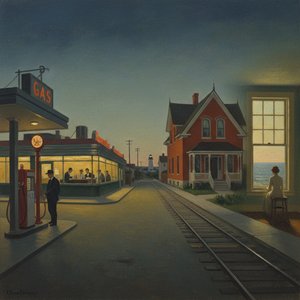
Edward Hopperi 25 parimat teost: Valgus, vari ja ameerika hingus seinakaunistuseks | OriginalUniqueArt
Avastage Edward Hopperi 25 parimat teost! Sukelduge valgusest ja varjust täis maailma, mis peegeldab ameerika hingust. Leidke inspiratsiooni kodukaunistuseks ja kvaliteetsed kunstireproduktsioonid OriginalUniqueArt.com-ist. Vaadake kogu kollektsiooni online!
Kaasaegse realismi 10 sajandit määravat kunstiteost
Avasta 10 sajandit määravat kunstiteost! Kaasaegse realismi meistriteosed, tuntud kunstnikud ja värvilised maalid. Leia inspiratsiooni interjööriks ning kaunista oma kodu OriginalUniqueArt.com-ilt!
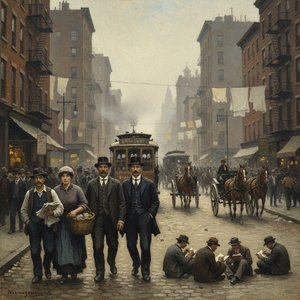
The Ashcan School: Realism, Urban Life & the Democratization of American Art
Explore the revolutionary Ashcan School! Discover how artists like Henri & Sloan challenged tradition with gritty realism, capturing urban life in early 20th-century America. Learn about their impact on American art history.

American Realism's Defining Works: 10 Masterpieces for Your Home
Explore 10 defining American Realism masterpieces – Hopper, Homer & more. Discover the stories behind these iconic paintings and bring timeless art to your home with OriginalUniqueArt's museum-quality reproductions. Explore the full collection online.
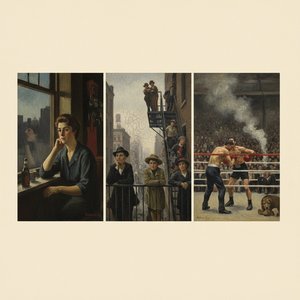
American Realism: Social Commentary & Artistic Representation in Early 20th-Century Painting
Explore the powerful social commentary & artistic representation of American Realism. Discover key artists like Bellows & Sloan, and understand the movement's lasting impact on 20th-century art history.


