

 Vaata sisu
 Jaga teost
 Jaga
Jaga
 Detailid
 Õppekate juhend

 Laadi alla
 Sarnased teosed
 Röntgenuuring
 Slaidietendus
 Statistika
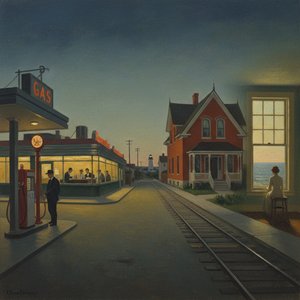
Öine büroo
 Õlimaal kangaruumil
- Seinakunst
- American Realism
 1940
1940- Modernism
 56.0 x 64.0 cm
 Loe lähemalt
Sellel lehel kuvatav kunstiteos on kaitstud autoriõigusega, mis tähendab, et meil ei ole seaduslikku õigust luua või müüa identset reproduktsiooni. Seda kaitset rakendatakse rahvusvaheliste kokkulepete alusel, nagu näiteks Berne konventsioon ning riiklike seadustega, sealhulgas nendega, mida on sätestatud USA autoriõiguse seadus – 17. peatükk.
See meetod järgib täielikult autoriõiguse reegleid, kuna see ei põhine kaitstud kunstiteose kopeerimisel või dupliteerimisel. Selle asemel on tegu loova reinterpreetatsiooniga – uue maaldisega, mis on algteosest inspireeritud, kuid ei ole sellest identiline.
Giclée / Kunstiprint
Muuseumikvaliteediga giclée- või kangasprint kiire tootmisega ja paindlikud viimistlusvõimalused. ( Telli käsitsi maalitud reproduktsioon Ülemineku digitaalse pildi müügi kanalisse)




P118B €10

P118H €10

P118W €10

P438Z €10

P508JH €12

P508YH €12

P805H €10

P805Z €10

P919BZ €10

P919G €10

P919XJ €10

P959ZH €10

P968JZ €12

W106C €8

W218G €10

W218JH €8

W218Y €10

W307PJ €10

W316G €10

W316PJ €8

W316Y €10

W398PJ €8

W4111J €10

W500HY €15

W500JH €15

W692G €12

W849H €8

W940BG €15

W953PJ €8




Vali meie eelmääratud suurused, mis vastavad teose algupärastele proportsioonidele.

Sisestage vajalik laius ja kõrgus, et see sobiks teie raamile või seinale. Trükki saab ainult lõigata, seda ei saa kunagi pildist suuremaks teha, seega ka differentse vormiga suurus kaotab osa pildist. Enne trükkimist saadame teile kinnitamiseks digitaalse näidisprojektsiooni. Sellel lehel näidatud pilt ei kujuta reaalset lõiget — seda näitab ainult näidisprojekttsioon.
Ülemaailmne tarne () 2 nädala jooksul, tavalise 4/5 nädala asemel. (21 oktoober)

Tasuta ekspresssaatmine üle maailma

Kõrgekvaliteediline lina-kangastest muld

Täielik transpordikindlustus

Tollimaksude tagastamise garantii

Värvitoime täpsuse garantii

100 päeva tagastusõigus (ainult defektide korral)

100% raha tagasi garantii

Hulgusoodustus
 Klaasivalik on saadaval ainult kuni 110 cm suuruses teostes

Öine büroo
Giclée / Kunstiprint
Reproduktsiooni mõõtmed
-


Lõppsumma
€ 70
Edward Hopperi "Öine Büroo": Ajatu Vaade Ameerika Realismile
Edward Hopperi 1940. aastal valminud maal "Öine Büroo" on rohkem kui pelgalt pilkupüüdlik teos; see on aknakere läbi ajastu, peegeldades keskmise sajandi Ameerika ühiskonda ja tööelu. Maal kujutab kontoriinterjääri öises valguses, kus kaks inimkujulist – naine kirjutamas tikkerit ja mees dokumente üle vaatamas – on täiesti uppunud oma tegemistesse. Hopperil õnnestub tabada hetke vaikset intensiivsust, mis on nii olemuslikuks osa kontori- või bürootöö rutiinile.
Realism ja Valgus: Hoppneri Tehnikavõtted
Hopperi maalipraktika iseloomustab detailne realism, kus esmapilgul lihtsad vormid ja objektid on täpselt renderdatud. Ta kasutab peeneid pintslitöövõtteid, mis loob sileda pinnakihiga teose, vältides liigset tekstuurisust. Värvipalett on pigmenditud rohelisi, pruune ja halli toone, millele lisandub naise rõiva sinine värv – kontrastne detail, mis tõmbab vaataja pilgu tema poole. Valgusmängu oskuslik kasutamine loob sügavusi ja varjeid, mis annavad ruumile kolmemõõtmelisuse tunde. Ühtlane valgustus rõhutab kontori sisepinnale langevat kunstlikku valgustust ning lisab teosele melanhoolsust.
Sümbolism ja Ajalooline Kontekst
"Öine Büroo" ei ole pelgalt realistlik kujutus, vaid ka sümbolite rikas kompositsioon. Maal peegeldab 1940ndate Ameerika ühiskonda, kus töö ja rutiin olid olulised elunäod. Kontori sisepinnad – puumöbel, failikapisid ja arvutimasinaid – loovad korrapärase ja struktureeritud keskkonna, mis võib samas kaasa tuua isolatsiooni tunde. Tikkeri nägemine esiplaanil viitab varajastele kommunikatsioonivahenditele ning lisab teosele nostalgilist värvingut. Hopper tabab vaatajale tuntud tunnet – vaikset intensiivsust ja ühtlasi ka igavat monotoniust, mis on seotud bürootööga.
Emotsionaalne Võlu ja Püsiv Põrutus
Hopperi "Öine Büroo" avaldab vaatajale sügavaid emotsioone. Maal ei ole pelgalt pilkupüüdlik, vaid kutsub kaasa ka peegeldusi inimsuhetest, üksindusest ja ajutistest muutustest. Teose melanhoolne atmosfäär on aeganendav ning kõnetab vaatajat tänapäevani. See maal on saanud ikoniks Ameerika realismi kunstis, pakkudes jätkuvalt inspiratsiooni kunstnikele, kollektsionääridele ja sisustajatele üle maailma. Selle teose võlu seisneb suutmisest tabada hetke, mis on nii universaalne kui ka isiklik – hetk, mil me kõik oleme ühes kontoris või büroos, uppunud oma tööde sees, kuid samas ka üsna üksikud.
Küsimused ja vastused
Millist tehnikat teose „Öine büroo“, autor Edward Hopper valmistamisel kasutati?
Teose "Öine büroo" tehnika on Õlimaal kangaruumil."
Millale Edward Hopper karjääri etapile vastab teose "Öine büroo" kuupäev 1940?
Otsustades selle aastale 1940, kuulub teos "Öine büroo" Edward Hopper loomingulisse perioodi Mature Period.
Kas „Öine büroo“, autor Edward Hopper on maalid, joonis või etsing?
"Öine büroo" on Seinakunst teos.
Kunstniku elulugu
Edward Hopper: A Master of American Realism
Edward Hopper, a name inextricably linked to the quietude and subtle melancholy that permeated 20th-century American life, wasn’t simply a painter of scenes; he was a poet of light and shadow, a chronicler of modern isolation. Born in Nyack, New York, in 1882, to middle-class parents of Dutch ancestry, Hopper's early years provided a stable upbringing that nurtured his artistic inclinations. From childhood sketches meticulously dated and signed, it became evident that keen observation and an innate talent for drawing were central to his being. Though initially encouraged towards commercial illustration – a pragmatic suggestion from his parents – Hopper’s ambitions leaned toward fine art, leading him to the New York School of Art where he studied under William Merritt Chase and Robert Henri. These formative years instilled not only technical skill but also an appreciation for realism and a commitment to depicting the world as he saw it—unvarnished and honest. The writings of Ralph Waldo Emerson resonated deeply with Hopper, reinforcing his sense of individualism and acute observation – qualities that would become hallmarks of his artistic vision. Early travels to Paris exposed him to Impressionism, yet Hopper quickly diverged from its fleeting brushstrokes, forging a path uniquely his own.Early Life and Artistic Beginnings
Hopper’s formative years were marked by a quiet determination to pursue his passions despite familial expectations. He demonstrated exceptional drawing skills from a young age, capturing landscapes and portraits with remarkable accuracy—a testament to his innate talent for visual representation. Despite initial inclinations toward commercial illustration, Hopper steadfastly adhered to his conviction that true artistic expression demanded engagement with the complexities of fine art. His studies at the New York School of Art under Chase and Henri profoundly shaped his aesthetic sensibilities, fostering a commitment to realism and influencing his stylistic choices throughout his career. These mentors championed observation as paramount to artistic achievement—a principle Hopper embraced wholeheartedly, prioritizing meticulous detail and capturing the essence of reality with unwavering fidelity. William Merritt Chase encouraged Hopper to focus on tonal harmony and expressive brushwork, while Robert Henri instilled in him a rebellious spirit and a desire to challenge conventional artistic norms.Finding His Voice: Realism and the American Scene
Hopper’s artistic journey wasn't immediate or effortless. He grappled with discovering his distinctive voice, experimenting with various styles before settling into the realism that would define his career. This wasn’t mere replication of reality; it was a distillation of its essence, stripping away extraneous detail to reveal underlying emotional truths. His paintings began to focus on everyday scenes – houses, diners, offices, hotel rooms – imbued with a sense of stillness and often, loneliness. He possessed an extraordinary ability to capture the psychological states of his subjects, hinting at narratives without explicitly stating them. The precise rendering of light and shadow became crucial, not merely as descriptive elements but as emotional cues, creating atmospheres that were both captivating and unsettling. House by the Railroad (1925), an early masterpiece, exemplifies this approach—a seemingly simple composition radiating a profound sense of isolation and mystery. Hopper’s printmaking, often overlooked, ran parallel to his painting, sharing similar themes and stylistic qualities, demonstrating his mastery across mediums. He wasn't interested in grand historical narratives or allegorical symbolism; he focused on the mundane, elevating it through careful observation and emotional resonance.Iconic Visions: Nighthawks and Beyond
While Hopper’s career unfolded gradually, certain works catapulted him to widespread recognition. Nighthawks (1942), arguably his most famous painting, became an instant icon of American culture. The late-night diner scene, bathed in stark fluorescent light, perfectly encapsulates the alienation and anonymity of modern urban life. The figures within are lost in their own thoughts, disconnected from one another despite their proximity—a poignant commentary on the human condition. Gas (1940), with its striking portrayal of a roadside gas station, showcases Hopper’s fascination with American landscapes and the burgeoning automobile culture. Other notable works like *Automat*, *Office in a Small City*, and *Summertime* each offer unique insights into the complexities of 20th-century American society. These paintings weren't merely depictions of places; they were explorations of mood, psychology, and the subtle dramas unfolding within ordinary settings. His wife, Josephine Nivison Hopper, played a vital role not only as his lifelong companion but also as a frequent model, contributing significantly to the characterization of his female figures.Legacy and Influence
Edward Hopper’s enduring legacy rests upon his profound contribution to American art history—a contribution characterized by unwavering realism, psychological depth, and an unparalleled sensitivity to capturing the nuances of human experience. His paintings continue to resonate with audiences today because they speak to universal themes of loneliness, isolation, and the search for meaning in a rapidly changing world. Hopper’s stylistic innovations profoundly influenced subsequent artists, establishing him as one of the most important figures in modern American art—a legacy cemented by his iconic works and their enduring presence in museums worldwide. His ability to transform commonplace scenes into evocative explorations of emotion solidified his place as a visionary artist who captured the spirit of his time—and continues to inspire contemplation and wonder generations later. Hopper’s influence extends beyond painting, permeating film and literature, demonstrating the breadth of his artistic impact on cultural expression.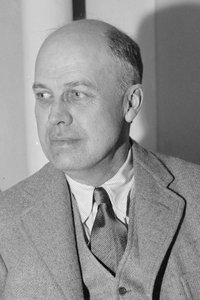
Edward Hopper
1931 - 1967 , USA
Lühikest infot
- Artistic Movement Or Style: Realism
- Artists Who Influenced This Artist:
- William Merritt Chase
- Robert Henri
- Date Of Birth: July 22, 1882
- Date Of Death: May 15, 1967
- Full Name: Edward Hopper
- Nationality: American
- Notable Artworks:
- Nighthawks
- House by the Railroad
- Gas
- Place Of Birth: Nyack, USA
Sarnased artiklid
American Realism: Social Commentary & Artistic Representation in Early 20th-Century Painting
Explore the powerful social commentary & artistic representation of American Realism. Discover key artists like Bellows & Sloan, and understand the movement's lasting impact on 20th-century art history.
Echoes of War & Hope: Top 10 Artworks Reflecting the 1940s | OriginalUniqueArt
Journey through a decade of resilience & change with our Top 10 artworks of the 1940s. Explore iconic paintings by Rockwell, Hopper & more—reflecting WWII's impact and post-war hope. Find museum-quality reproductions at OriginalUniqueArt.com
Kaasaegse realismi 10 sajandit määravat kunstiteost
Avasta 10 sajandit määravat kunstiteost! Kaasaegse realismi meistriteosed, tuntud kunstnikud ja värvilised maalid. Leia inspiratsiooni interjööriks ning kaunista oma kodu OriginalUniqueArt.com-ilt!

American Realism's Defining Works: 10 Masterpieces for Your Home
Explore 10 defining American Realism masterpieces – Hopper, Homer & more. Discover the stories behind these iconic paintings and bring timeless art to your home with OriginalUniqueArt's museum-quality reproductions. Explore the full collection online.
Edward Hopperi 25 parimat teost: Valgus, vari ja ameerika hingus seinakaunistuseks | OriginalUniqueArt
Avastage Edward Hopperi 25 parimat teost! Sukelduge valgusest ja varjust täis maailma, mis peegeldab ameerika hingust. Leidke inspiratsiooni kodukaunistuseks ja kvaliteetsed kunstireproduktsioonid OriginalUniqueArt.com-ist. Vaadake kogu kollektsiooni online!


