

 Vaata sisu
 Jaga teost
 Jaga
Jaga
 Detailid
 Õppekate juhend

 Laadi alla
 Sarnased teosed
 Röntgenuuring
 Slaidietendus
 Statistika
Chop Suey
 Õlimaal kangaruumil
- Seinakunst
- Contemporary Realism
 1929
1929- Modernism
 96.0 x 81.0 cm
 Loe lähemalt
Ostke kõrglahutusel ja täiustatud digitaalne pilt, mis on oluliselt parem kui veebilehel näidatud eelvaade.
Iga fail on meie spetsialistide poolt hoolikalt ette valmistatud, kasutades kaasaegseid tööriistu ja professionaalset käsitsi retušeerimist. Tagame, et igal pildil on erakordne selgus, täpne värvitäpsus ja peen detail.
Lõplik fail saadetakse e-posti teel 72 tunni jooksul ning on optimeeritud koheseks kasutamiseks professionaalsetes, toimetuslikes ja trüki keskkondades. See on sama kvaliteet, mida usaldavad tipptasemel disainistuudiod, kirjastused ja galeriid.
Digitaalne pilt
Laadi alla kõrge resolutsiooniga fail isiklikuks vaatamiseks, trükkimiseks ja loomingulisteks projektideks. ( Lülita trükkitoodetele Telli käsitsi maalitud reproduktsioon)
Sisse kuulub iga digitaalse pildi tellimusega
Professionaalne digitaalne kohaletoimetamine, garanteeritud
Valides OriginalUniqueArt.com, ei saa sa lihtsalt pilti – saad professionaalselt parandatud digitaalse teose, mida on valmistatud täpsusega ja mis on toetatud rahuldamatusgarantiiga. Siin on kõik, mis sinu tellimusega automaatselt kaasneb:

Kiire e-posti edastus
Teie kõrge resolutsiooniga digitaalne pildifail saadetakse teile e-posti 72 tunni jooksul pärast tellimist – kohe kasutamiseks valmis.

Tehisintellektiga täiustatud digitaalne fail
Teie teos on professionaalselt optimeeritud arenenud tehisintellekti tööriistade ja käsitsi redigeerimise abil, tagades maksimaalse detailitaseme, selguse ja värvitäpsuse.

Tasuta eluaegne uuesti saatmine
Kas kustutasid faili kogukalu unustamisel või kustutamisel? Puudub mure – saad selle uuesti igal ajal ilma lisatasuta.

Puuduvad importimaksud – alati
Nautige oma teoseid koheselt ilma tolli-, maksude või tarnimaskuludeta – digiletchargused on alati maksuvabadud.

Värvitäpsuse garantii
Me tagame, et teie digitaalne pilt kajastaks originaali värve professionaalsete tööriistade ja värvihalduse abil võimalikult täpselt.

100 päeva rahuldamatuse garantii
Kui te ei ole oma digitaalse pildi eest rahul, siis me parandame seda või tagastame 100% summast 100 päeva jooksul – küsimusteta.

100% raha tagastamise garantii
Ei ole rahul? Saate täielise tagastaja 100 päeva jooksul pärast digitaalse faili kättesaamist – ilma küsimusteta.

Suurema tellimuse soodustused
Osta 3 pilti, säästa 10% - Osta 5, säästa 15% - Osta 10+, säästa 20%. Sobib suurepäraselt loomingulisteks projektideks, galeriideks ja agentuurideks.
Pilk glimpse lin linnaelu: Edward Hopperi "Chop Suey"
Edward Hopperi 1929. aastal loodud "Chop Suey" on lumav õliuus, mis kutsub vaatajat sisse 1920ndate aastate dineride intiimsesse, kuid olemuslikult isoleeritud maailma. See meistriteos on Hopperi signatuurstiili suurepärane näidis, ühendades Ameerika realismile pehmed ekspressionistlikud mõjudest, et tekitada nostalgia ja vaikse enesearutluse tunnet.
Teema ja kompositsioon
Maal kujistab dineris või kohvikus toimuvat sisevaadet, kus esiplanis istub kaks naist, kes on hõlbumusse, ilmselt madalalaselist arutelu pidamas. Nende taga istub teises lauas üksildane mees, lisades kompositsioonile sügavust ja üksilduse tunnet. Taustal on suured aknad, millest voolab sisse loomulik valgus, valgustades siseala ning luues dünaamilise mängu valgusest ja varjust.
Paremal pool domineerib märkimisväärne neontule, millel on tekst "SUE", mis heidab tegelikele stseenile sooja säla ja lisab linna modernsust. Laudade, toolide ja akna hoolikas paigutamine juhib vaataja silma läbi kogu kompositsiooni, luues liikumise ja suunatud vaatamise tunnet.
Stiil ja tehnika
Hopperi stiili "Chop Suey" teoses iseloomustavad minimalistlikud, kuid täpselt välja mõeldud kujendused, mis peegeldavad tema isiklikku visiooni kaasaegsest Ameerika elust. Maal kasutab lahtlaid, ekspressiivseid pintooni, mis lisavad stseenile tekstuurit ja liikumist, samas kui rikkalik ja mitmekesine väripalett — kus domineerivad sooja oranžid, kollased ja pruunid, kontrastides kargemate sineste ja rohelisega — loob hubase, kuid tasakaalustatud atmosfääri.
Perspektiivi kasutamine on tõhus: esiplani elemendid tunduvad vaatajale lähedal ning taustelemendid vajuvad kaugusesse. See loob sügavuse ja kol dimensioonilisuse tunnet, tõmmates vaatajat sisse tegevuse sisse, tehes stseenist enamalt realistilise ja kaasahaarava.
Ajalooline kontekst
"Chop Suey" maalis 1920ndate aastate lõpus, perioodil, mida iseloomustasid olulised sotsiaalsed ja kultuurilised muutused Amerikas. "Rämbelav" 20. aastakandis tõi endaga kaasa vabaduse ja modernuse tunnet, mis peegeldus ajastu moes, arhitektuuris ja elustiilis. Hopperi maal tabab seda ajastut keskendudes linnaelus igapäevastele kogemustele, eriti aga isolatsiooni ja üksilduse teemadele, mis olid tema loomingus korduvad motiivid.
Dineri keskkond on klassikaline Ameerika institutsioon, mis toimib kogunemispaikana inimestele kõikidest sotsiaalsetest laagidest. Hopperi kujustus selles ruumis rõhutab neid vaikseid hetki interaktsiooni ja enesearutluse ajal, mis linna elu kahanemises ja häälistuses sageli الْ unnoticed jäävad.
Sümbolism ja emotsionaalne mõju
Maal edastab nostalgia ja igapäevase elu tunnet, tabades sotsiaalse interaktsiooni hetke linna keskkonnas. Soojad toonid ja hubane atmosfäär tekitavad mugavuse ja tuttavuse tunde, samas kui neontuli lisab modernsust ja vibratsiooni.
Hopperi valgus- ja varjuse mäng loob dünaamilise kontrast, mis rõhutab teatud alasid, jättes teised suhteelisest pimedusse. See kontrast lisab stseenile sügavust ja keerukust, tehes sellest visuaalselt kaasahaarava ning emotsionaalselt resonante.
Maali üksildased figuurid — eriti vaataja poole pööratud naine oma terava meigi ja eemaloleva ilmeга — viitavad üksilduse ja enese sisemaailma teemadele. Vaatamata sotsiaalsesse keskkonda kuuluvatele, tundub iga tegelane tõmbunud ja reserveeritud, rõhutades isolatsiooni tunnet, mis on Hopperi tööde korduv element.
Miks koguda või näidata teost "Chop Suey"?
"Chop Suey" on ajatuhi meistriteos, mis kõnetab nii kunstihuvilisi kui ka zeeselendajaid ja interjööri disainereid. Selle rikkalik värvigamma, dünaamiline kompositsioon ja kütkestav teema teevad sellest silmapaistva lisanduse igale kunstikolleksioonile või elamisruumile.
Kogujatele esindab see maal ühte Ameerika ühe kuulsaima kunstniku olulist teost. Selle ajalooline kontekst ja temaatiline sügavus pakuvad unikaalset vaadet 1920ndate aastate linnaelule, muutes selle väärtuslikuks ja tähendusrikkaks lisanduseks igale kogumusele.
Interjööri disainerid hindavad maali võimekust parandada erinevaid dekoratiivseid stiile, alates modernsetest kuni vintage ja eklektilisteni. Selle sooja toonid ja dünaamiline kompositsioon võivad lisada mis tahes ruumile sügavust ja karakterit, luues fookuspunkte, mis kutsuvad vestlust ja imetlust.
Olessite siis kunstihuviline, kes otsib inspiratsiooni, või koguj, kes soovib hankida kõrgekvaliteedilisel reproduktsiooni, Edward Hopperi "Chop Suey" on kaasahaarav ja emotsionaalselt võimas teos, mis rikastab teie ruumi ja tõstab teie arvuet Ameerika realismi vastu.
Küsimused ja vastused
Kas teose „Chop Suey“, autor Edward Hopper värvid on eraldavad või pehmed?
Teose „Chop Suey“, autor Edward Hopper värvid on Selge värvitoime kütkusega ja Eeremad intensiivsusega.
Milline palett ja domineeriv värv määravad teose "Chop Suey"?
Teose "Chop Suey" värvigamma on määratud Tume paletiga, mille domineeriv värv on Rändav puu (#cfa04b).
Kas saan teose "Chop Suey" näha täiskuunil slideshowina?
Saadaval on diavorama: „Chop Suey“, autor Edward Hopper teose Slideshow leht.
Kunstniku biograafia
Edward Hopper: A Master of American Realism
Edward Hopper, a name inextricably linked to the quietude and subtle melancholy that permeated 20th-century American life, wasn’t simply a painter of scenes; he was a poet of light and shadow, a chronicler of modern isolation. Born in Nyack, New York, in 1882, to middle-class parents of Dutch ancestry, Hopper's early years provided a stable upbringing that nurtured his artistic inclinations. From childhood sketches meticulously dated and signed, it became evident that keen observation and an innate talent for drawing were central to his being. Though initially encouraged towards commercial illustration – a pragmatic suggestion from his parents – Hopper’s ambitions leaned toward fine art, leading him to the New York School of Art where he studied under William Merritt Chase and Robert Henri. These formative years instilled not only technical skill but also an appreciation for realism and a commitment to depicting the world as he saw it—unvarnished and honest. The writings of Ralph Waldo Emerson resonated deeply with Hopper, reinforcing his sense of individualism and acute observation – qualities that would become hallmarks of his artistic vision. Early travels to Paris exposed him to Impressionism, yet Hopper quickly diverged from its fleeting brushstrokes, forging a path uniquely his own.Early Life and Artistic Beginnings
Hopper’s formative years were marked by a quiet determination to pursue his passions despite familial expectations. He demonstrated exceptional drawing skills from a young age, capturing landscapes and portraits with remarkable accuracy—a testament to his innate talent for visual representation. Despite initial inclinations toward commercial illustration, Hopper steadfastly adhered to his conviction that true artistic expression demanded engagement with the complexities of fine art. His studies at the New York School of Art under Chase and Henri profoundly shaped his aesthetic sensibilities, fostering a commitment to realism and influencing his stylistic choices throughout his career. These mentors championed observation as paramount to artistic achievement—a principle Hopper embraced wholeheartedly, prioritizing meticulous detail and capturing the essence of reality with unwavering fidelity. William Merritt Chase encouraged Hopper to focus on tonal harmony and expressive brushwork, while Robert Henri instilled in him a rebellious spirit and a desire to challenge conventional artistic norms.Finding His Voice: Realism and the American Scene
Hopper’s artistic journey wasn't immediate or effortless. He grappled with discovering his distinctive voice, experimenting with various styles before settling into the realism that would define his career. This wasn’t mere replication of reality; it was a distillation of its essence, stripping away extraneous detail to reveal underlying emotional truths. His paintings began to focus on everyday scenes – houses, diners, offices, hotel rooms – imbued with a sense of stillness and often, loneliness. He possessed an extraordinary ability to capture the psychological states of his subjects, hinting at narratives without explicitly stating them. The precise rendering of light and shadow became crucial, not merely as descriptive elements but as emotional cues, creating atmospheres that were both captivating and unsettling. House by the Railroad (1925), an early masterpiece, exemplifies this approach—a seemingly simple composition radiating a profound sense of isolation and mystery. Hopper’s printmaking, often overlooked, ran parallel to his painting, sharing similar themes and stylistic qualities, demonstrating his mastery across mediums. He wasn't interested in grand historical narratives or allegorical symbolism; he focused on the mundane, elevating it through careful observation and emotional resonance.Iconic Visions: Nighthawks and Beyond
While Hopper’s career unfolded gradually, certain works catapulted him to widespread recognition. Nighthawks (1942), arguably his most famous painting, became an instant icon of American culture. The late-night diner scene, bathed in stark fluorescent light, perfectly encapsulates the alienation and anonymity of modern urban life. The figures within are lost in their own thoughts, disconnected from one another despite their proximity—a poignant commentary on the human condition. Gas (1940), with its striking portrayal of a roadside gas station, showcases Hopper’s fascination with American landscapes and the burgeoning automobile culture. Other notable works like *Automat*, *Office in a Small City*, and *Summertime* each offer unique insights into the complexities of 20th-century American society. These paintings weren't merely depictions of places; they were explorations of mood, psychology, and the subtle dramas unfolding within ordinary settings. His wife, Josephine Nivison Hopper, played a vital role not only as his lifelong companion but also as a frequent model, contributing significantly to the characterization of his female figures.Legacy and Influence
Edward Hopper’s enduring legacy rests upon his profound contribution to American art history—a contribution characterized by unwavering realism, psychological depth, and an unparalleled sensitivity to capturing the nuances of human experience. His paintings continue to resonate with audiences today because they speak to universal themes of loneliness, isolation, and the search for meaning in a rapidly changing world. Hopper’s stylistic innovations profoundly influenced subsequent artists, establishing him as one of the most important figures in modern American art—a legacy cemented by his iconic works and their enduring presence in museums worldwide. His ability to transform commonplace scenes into evocative explorations of emotion solidified his place as a visionary artist who captured the spirit of his time—and continues to inspire contemplation and wonder generations later. Hopper’s influence extends beyond painting, permeating film and literature, demonstrating the breadth of his artistic impact on cultural expression.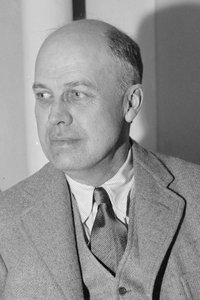
Edward Hopper
1931 - 1967 , USA
Kiired faktid
- Artistic Movement Or Style: Realism
- Artists Who Influenced This Artist:
- William Merritt Chase
- Robert Henri
- Date Of Birth: July 22, 1882
- Date Of Death: May 15, 1967
- Full Name: Edward Hopper
- Nationality: American
- Notable Artworks:
- Nighthawks
- House by the Railroad
- Gas
- Place Of Birth: Nyack, USA