Expressionism · 1893
Storm (Edvard Munch, 1893)
Edvard Munch (1863–1944) on loonud teose Storm. See on pärinev 1893 aastast. See kuulub Expressionism suuntrime. Teos on valmistatud materjalist Oil On Canvas.
- 1893
- Oil On Canvas

 Eelvaade

 Käsitsi maalatud õlimaalatsioon
 Saada
 Jaga
 Teave teose kohta


 Laadi alla
 Sarnased teosed
 Röntgenuuring
 Slaidietendus
 KÜSIMUSED JA VASTUSID

 Statistika
Storm lühidalt
- Pealkiri
- Storm
- Kunstnik
- Edvard Munch (1863–1944)
- Kunstnik on sündinud
- Ådalsbruk, Norra
- Kuupäev
- 1893
- Tehnika
- Oil On Canvas
- Suunad
- Expressionism
- Teema
- storm, anxiety, darkness, landscape, emotion, turmoil
Mida Storm kujutab?
A Tempestuous Soul: Edvard Munch’s “The Storm”
Edvard Munch's "The Storm," painted in 1893, isn’t merely a depiction of a raging tempest; it’s a visceral embodiment of inner turmoil—a profound exploration of anxiety and the fragility of human existence. This iconic work, currently residing within the esteemed collection of the Museum of Modern Art (MoMA) in New York City, stands as a cornerstone of Expressionism, a movement that sought to capture not just external reality but the raw, unfiltered emotions simmering beneath the surface. Munch, already grappling with personal tragedies including the early deaths of his mother and sister, channeled these profound experiences into a visual language characterized by bold color, distorted forms, and an unsettling sense of unease—elements powerfully realized in “The Storm.” The painting’s power resides not just in its dramatic subject matter but in its ability to evoke a deeply felt emotional response within the viewer, mirroring the artist's own turbulent inner world.
Visualizing Inner Chaos: Style and Technique
Munch’s technique is deliberately unsettling. The composition immediately plunges the viewer into a scene of chaotic energy. Thick, swirling brushstrokes dominate the canvas, conveying the relentless force of the wind and rain. These aren't delicate lines; they are aggressive marks, imbued with an almost frantic quality. The color palette contributes significantly to this sense of unease. Muted tones—primarily deep blues, grays, and ochres—create a somber atmosphere, punctuated by jarring flashes of intense yellow in the clouds and the distant light. This contrast isn’t merely aesthetic; it represents the struggle between darkness and hope, despair and perhaps a fleeting glimpse of resilience. The figure in the foreground, rendered with simplified forms and a slightly elongated face, seems to be caught within this maelstrom, her posture suggesting both vulnerability and a desperate attempt to maintain composure. Note how Munch uses perspective—the receding road and distant house create a sense of isolation and emphasize the overwhelming power of nature.
Symbolism and Psychological Depth
“The Storm” is rich in symbolic meaning, deeply rooted in Munch’s personal experiences and his exploration of psychological themes. The storm itself represents not just meteorological conditions but also the internal storms raging within the human psyche—fear, grief, anxiety, and a sense of impending doom. The woman standing on the road has been interpreted as representing humanity confronting these forces, perhaps even succumbing to them. Some scholars connect her posture and gaze to depictions of women awaiting news from loved ones lost at sea – a poignant reflection of Munch’s own anxieties about loss and mortality. The distant house, barely visible through the storm clouds, symbolizes a fragile sense of security, threatened by the overwhelming power of nature. The overall composition can be viewed as an allegory for the human condition—a constant struggle against forces beyond our control.
A Legacy of Emotional Intensity
Edvard Munch’s “The Storm” remains a profoundly moving and influential work of art, solidifying his place as a pioneer of Expressionism. Its enduring appeal lies in its ability to tap into universal emotions—fear, anxiety, and the awareness of our own mortality. Reproductions of this masterpiece offer an opportunity to experience the raw emotional power of Munch’s vision firsthand. Whether displayed in a grand salon or a more intimate setting, “The Storm” continues to resonate with viewers, reminding us of the complexities of the human spirit and the enduring beauty—and terror—of the natural world. For those seeking a high-quality reproduction, OriginalUniqueArt.com offers meticulously crafted hand-painted versions that faithfully capture the essence of this iconic artwork. Further exploration into Munch’s life and artistic journey can be found on platforms like Edvard Munch on OriginalUniqueArt.com and through resources such as Smarthistory and the Metropolitan Museum of Art.
Storm kõrge resolutsiooniga pildid

Avalik omanik: kunstnik suri aastal 1944.
Teised laiused, uueste lõikud ja alluding →Edvard Munch, Storm (1893). Avalik omaniklik õigus
Digitaalsete ekspertide poolt originaalvärvidega vastavaks vormitud ja kunstniku pintlapidega täpselt kohanitud, hoolikalt retušeeritud fail.
Osta kõrge resolutsiooniga failKüsimused teemal Storm – vastused
Mis on teose „Storm“, autor Edvard Munch loomisaeg?
Teose „Storm“, autor Edvard Munch loomimisaastaks on märgitud 1893.
Millest on teos "Storm" valmistatud?
Teose "Storm" loomisel kasutas Edvard Munch Oil On Canvas tehnikat. See tehnika määrab originaalteose materjalilise olemuse.
Millised teemad teoses „Storm“, autor Edvard Munch esile tõelve?
Teose "Storm" teemad on storm, anxiety, darkness, landscape, emotion, turmoil, night.
Kas teos "Storm" on ilma autoriõigusteta?
Teos „Storm“, autor Edvard Munch on lubaõiguslikult avalikus õiguses – selle autoriõigud onหมดunud. See staatus reguleerib teose pildi reprodüseerimise võimalusi.
Kes on teose "Storm" looja?
Teose "Storm" looja on Edvard Munch. Teos on kataloogitud nime Edvard Munch all.
Millisse kunstisuuna kuulub teos „Storm“, autor Edvard Munch?
Teosest „Storm“, autor Edvard Munch tuntud kunstisuuna on Expressionism. See klassifikatsioon aitab teost paigutada sarnaste kunstnike ja teoste hulka.
Kuhu Edvard Munch loomingulisse perioodi kuulub teos "Storm"?
Edvard Munch loomingus kuulub teos "Storm" perioodi Late Period. See etap aitab seda võrdida kunstniku teiste töödega.
Mis vanuses loos Edvard Munch teose "Storm"?
Edvard Munch loobus teose "Storm" 30 aasta vanuses. Kunstnik on sündinud aastal 1863 ning teos on dateeritud 1893.
Miks on teose "Storm" autoriõiguste staatus selline, nagu see on?
„Storm“, autor Edvard Munch on avalikus õiguses – selle autoriõigud onหมดunud. Tegijakeskuse kaitse kestus arvatakse kunstniku surmaajaest, mis toimus aastal 1944.
Kunstnikust, Edvard Munch

1863–1944, Norra
Edvard Munch
Edvard Munchi elu ja identiteet Edvard Munch oli norra maalari, kelle elu oli sügavalt seotud tema kodumaa maastike ja raske atmosfääriga. Sündinud 12. detsembbril 1863, veetis ta suure osa oma elust uurides läbi oma pintli ja grafiikatöörikuid inimpsühiike keerulisi kadalasi. Tema kunst tundus sageli otse tema enda sisemiste võitluste pikem, muudades privaatsed emotsioonid nähtavaks ja jagatavaks kogemuseks.
Ka Edvard Munch teosed
 Kuuled1893
 Vampyren Nasjonalgalerii Oslo
 Puberteet1914
 Ärevus 21894

Essee teemadel Storm
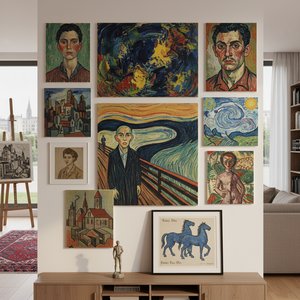 Ekspressionismi 10 Meisterteost: Kunst, Tunne ja SisustusSukeldu ekspressionismi maailma! Avasta 10 kuulsat meistriteost – Munch, Kirchner jt. – ja nende värviküllased lood. Ideed sisustamiseks & …
 Echoes of Anxiety: The 25 Most Iconic Masterpieces by Edvard MunchJourney through the raw emotion of Expressionism with our curated guide to Edvard Munch's top 25 masterpieces. Explore the stories behind h…
 Unveiling the Masterpieces: Top 25 Must-See Artworks at the Munch Museum in OsloExplore 25 iconic Edvard Munch masterpieces from Oslo's Munch Museum. Discover timeless Expressionist art on OriginalUniqueArt.com.