
() ·
Sinu jaoks käsitsi valmistatud maal
Käsitsi valmistatud õlimaalireproduktsioon
Meie kunstnike poolt tellimusel valmistatud käsitsi maalitud õli-kainaste teos teie soovitud suuruses ja raamis. ( Lülita trükkitoodetele Lülita digitaalse pildi juurde)
Kunstniku elulugu
Discover the evocative coastal landscapes of Duncan Macgregor Whyte – a Scottish painter renowned for his seascapes & portraits, capturing Highland life & beauty.
 Loe lähemalt
alates ·
1. peatükk
Millise suurusega see peaks olema?
Libistage suuruse muutmiseks; vasakul olev pilt näitab raami tegelikku laiust. Originaali proportsioonid on säilitatud.
Vali meie eelmääratud suurused, mis vastavad teose algupärastele proportsioonidele.

Sisestage vajalik laius ja kõrgus, et teos sobiks teie raamile või seinale. Kuna tegu on käsipainatud teosega, siis erineva kujuga suuruse korral võib kunstnik jätta pildi ümber veidi rohkem marginaali või lõigata osa ära — valik on teie. Enne maali alustamist saadame teile kinnitamiseks digitaalse näidisprojektsiooni. Sellel lehel näidatud pilt ei kajasta tegelikku tulemust — seda näitab ainult näidisprojektsioon.
Lugu 2
Kuidas see peaks lleguema?
Vali pingutatud kanga servade stiil
Vali oma raam

Valge serv €1

häguse servaga lõppviimistlus €1

Laiendatud €1

P118B €10

P118H €10

P118W €10

P438Z €10

P508JH €12

P508YH €12

P805H €10

P805Z €10

P919BZ €10

P919G €10

P919XJ €10

P959ZH €10

P968JZ €12

W106C €8

W218G €10

W218JH €8

W218Y €10

W307PJ €10

W316G €10

W316PJ €8

W316Y €10

W398PJ €8

W4111J €10

W500HY €15

W500JH €15

W692G €12

W849H €8

W940BG €15

W953PJ €8

H24-GOLD €30

H24-SILVER €30

H36-GOLD €45

H36-SILVER €45
Raamitud
Kujund: . Kogumõõt koos raamiga: .
Lugu 3
Kes seda maalib ja kas midagi peaks muutuma?
Pärast tellimust saadetab OriginalUniqueArt.com meeskond klientile e-posti juhised ning esitab ette tasandatud eelvaate
Maailmline tarne 3–4 nädala jooksul tavalise 5 nädala asemel. (14 november). Kvaliteedis kompromisse ei tehta.
Lugu 4
Viimistlusdetailid
Nimetelis, nagu muuseumis?
Graveeritud pronksplaadi üksikasjad
This elegant plaque features the artist's name and the title of the artwork, finely engraved for a timeless presentation.
It is made from bronze with a refined, elegant finish. The text is precisely laser-engraved for a sharp and permanent result. Measuring 9x2 cm, the plaque is compact yet easy to read. It's built to be durable and scratch-resistant, offering a professional, museum-quality look. Mounting is simple thanks to the included adhesive backing.
Läbipaistva akrüülplaadi üksikasjad
The plaque includes essential engraved details such as the artist's name, the title of the artwork, the date it was created, the type of media used-like oil on canvas or watercolor-a brief description of the piece, and a QR code that links to the complete artwork information.
It is crafted from clear acrylic, offering a sleek, modern appearance. The text is UV-engraved in black to ensure strong visual contrast. With a size of 10x15 cm, it ensures optimal readability. It comes equipped with two metal hooks for secure wall mounting. The plaque is designed to be weather-resistant, making it suitable for various environments, and it includes interactive features that work seamlessly with smartphone scanning.
Musta akrüülplaadiรายละเอียด (Note: The user provided "Musta akrüülplaadi detailid" as the current translation and asked for an improved version. Since "Musta akrüülplaadi
This elegant plaque includes engraved information such as the artist's name, the title of the artwork, the date it was created, the type of media used (like oil on canvas or watercolor), a short description of the artwork, and a QR code for quick access to more information.
The plaque itself is made from refined black acrylic with a premium finish. The text is laser-engraved in white for high contrast and readability. Its size is 10x15 cm, designed to be easy to read. It comes with two metal hooks for professional mounting. The design is sleek and fits any interior style. It is also weather-resistant and durable, with built-in digital integration for mobile compatibility.
Kaitsev lakikih?
Millal te seda vajate?
Lugu 5
Teie maalid vastavalt tellimusele

Malcolm Macleod
Reproduktsiooni tehnika
Reproduktsiooni suurus
-

Eelistatud tippkunstnik
Rohkem detaile, peenust ja lisatootmisaega
-

Reproduktsiooni raamivalikud
-
-
Kunstiteoste või reproduktsioonide puhul, mille üks külg on üle 105 cm (umbikmolt 41 tolli), saadetakse raam kirjal asendis, la Dismantlitud komplektina. See meetod tagab ohutuse kohaletoimetamisel ja väldib transpordil tekkivaid kahjustusi.
Vajalik professionaalne kokkupanek – see ei ole isetegevusega valmistamiseks mõeldud toode.
Komplekt tuleb kokku panna ja lõvet pingutada kogemusega professionaalse raamija, kasutades puiduliim (ei kuulu komplekti), lõvetpingi ja klempe, et hoida raami kande mustad õigena liimi kuivamisaja jooksul. Vale kokkupanek või ebaühtlane lõvetping võib kunstiteost püsivalt kahjustada ning seda
 Kunstiteoste või reproduktsioonide puhul, mille üks külg on üle 105 cm (umbikmolt 41 tolli), saadetakse raam kirjal asendis, la Dismantlitud komplektina. See meetod tagab ohutuse kohaletoimetamisel ja väldib transpordil tekkivaid kahjustusi.
Kaasatud on kõik tahked puidust liistud, täpselt lõigatud vastavaks suuruseks.
Kokku panemiseks kasutatakse lisatud kruvisid ning nurkade liimamiseks vajalikku puuliima, mida ei ole komplektis ja mida peab raamivalmistaja ise hankima.
Vajalik on kasutada professionaalseid tööriistu, mis ei kuulu komplekti: lõvetelapide pingist (pingutaja) ja klambreid, et hoida raami puidu nurgas õigena liimi kuivamisaja jooksul.
Oluline:
Nurgaliimamiseks on vaja puiduliim, liimimine peab toimuma klempide all kuni liim on täielikult kuivanud ning kokku monteeritud raami kanga pingutamiseks on vajalik kanga pingutustang. Kumbki neist ei kuulu komplekti. Palun veenduge enne selle suuruse tellimist, et teil on saadaval kogenud professionaalne raamistaja.

Nimesildikiri
-
-

Kaitsevärnitsus
Läikiv lakk (muudab värvid elavamaks ning kaitseb valgust ja niiskust eest)
-

Kohanda oma teost
Näiteid muudatuste kohta: Asenda nägu kliendi fotoga; Lisa lemmikloom (nt asenda kass koeraga); Lisa taustale peidetud sõnum; Muuda tausta maastikku või elemente.
-

Kiire tarne
Ülemaailmne tarne riiki 3–4 nädalaga tavalise 5 nädala asemel. (14 november). Kvaliteedis kompromisse ei tehta.
-
Kiirsaatmine
Ülemaailmne tarne () 5 nädala jooksul. (21 november).
Sisse kuuluv
Koguhind
€ 267
Klaasivalik on saadaval ainult kuni 110 cm suuruses teostes
Säli iga tellimusega
- Tasuta ekspresssaatmine üle maailma
- Kõrgekvaliteediline lina-kangas
- Täielik transpordikindlustus
- Tollimaksude tagastamise garantii
- Värvitoime täpsuse garantii
- 100 päeva tagastusõigus (ainult valmistusdefektide korral)
- 100% raha tagasi garantii
- Hulgusoodustus


 Eelvaade
 Saada
Saada Jaga
Jaga
 Teave teose kohta
 Juhend

 Laadi alla
 Sarnased teosed
 Röntgenuuring
 Slaidietendus
 KÜSIMUSED JA VASTUSID
 Statistika
Numbritega
- 1929maalimis年份
- 29valikud raamidest
- standardne suurus, oma proportsioonidega
- 5nädalaid maalimiseks ja kohaletoimetamiseks
Originaali kohta

- 127.0 x 102.0 cm

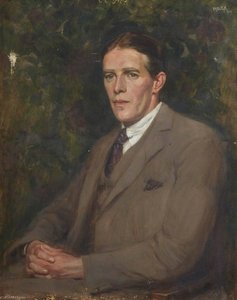
Duncan Macgregor Whyte
1866 - 1953
Kiirinfo Duncan Macgregor Whyte kohta
- Full Name: Duncan MacGregor Whyte
- Nationality: Scottish
- Date Of Birth: 1866
- Date Of Death: 1953
- Place Of Birth: Oban, Argyll, Scotland
- Notable Artworks:
- Dugald McIsaac
- Hugh MacGowan
- The Last Rays of Day
- Artistic Movement Or Style: Portraiture, Landscape, Seascape
- Artists Who Influenced This Artist:
- Van Havermaet
- Delécluse
- Artists Or Movements Influenced By This Artist: ['Scottish Colourists']
Kunstniku elulugu
Duncan MacGregor Whyte: A Highland Visionary
Duncan Macgregor Whyte, a name perhaps less familiar than some of his contemporaries, nevertheless holds a significant place in the landscape of 19th and early 20th-century Scottish art. Born in Oban, Argyll, in 1866, into a family steeped in religious leadership – his father was a Congregational Minister – Whyte’s artistic journey began not within formal academies but through observation and immersion in the rugged beauty of his native Highlands. This formative experience would profoundly shape his distinctive style, characterized by a deep connection to the land, a nuanced understanding of light, and an ability to capture both the grandeur and the quiet intimacy of Highland life.
Early influences were diverse. Whyte’s artistic training commenced in Glasgow, providing him with a grounding in traditional techniques. However, recognizing the need for broader exposure, he travelled extensively throughout Europe, studying under masters like Van Havermaet in Antwerp and Delécluse in Paris. These periods weren't merely about technical skill; they represented an encounter with different artistic philosophies – particularly the Impressionist movement’s emphasis on capturing fleeting moments of light and atmosphere – which would subtly inform his own approach. Crucially, it was in Paris that he met Mary Baylis Barnard, a fellow artist who became his wife and lifelong collaborator, sharing not only a life but also an artistic vision.
The Palette of the Highlands
Whyte’s oeuvre is predominantly defined by two recurring themes: landscapes and portraits. While he produced numerous seascapes – often depicting the dramatic coastline around Oban and Tiree – it was his depictions of Highland scenery that truly cemented his reputation. These aren't romanticized, idealized vistas; rather, they are rendered with a remarkable honesty, capturing the harshness of the weather, the textures of the peat bogs, and the ever-changing light on the hillsides. He frequently depicted scenes of rural life – shepherds tending their flocks, crofters working the land, and families gathered around fires – offering intimate glimpses into the daily rhythms of Highland communities.
His portraiture, equally compelling, showcased a keen eye for capturing character and personality. He painted members of the local gentry, clergy, and ordinary folk alike, often employing a rich palette of browns, greens, and greys to evoke the mood and atmosphere of his subjects. The portraits are not merely likenesses; they possess a palpable sense of presence, reflecting the dignity and resilience of those he depicted.
Technique and Style
Whyte’s technique evolved considerably throughout his career. Initially influenced by academic traditions, he gradually embraced looser brushwork and brighter colors, mirroring the Impressionist movement's impact. His later works demonstrate a growing confidence in capturing atmospheric effects – particularly the way light interacts with water and stone – through subtle shifts in tone and color. He was a master of layering paint to create depth and texture, and his use of glazing techniques allowed him to build up luminous surfaces that shimmered with reflected light.
His style can be described as ‘Highland Impressionism’ - a synthesis of traditional landscape painting with the innovative approaches of the late 19th-century avant-garde. He avoided overt sentimentality, instead focusing on conveying a sense of place and time through careful observation and skillful execution.
Legacy and Recognition
Duncan Macgregor Whyte’s work remained largely unheralded during his lifetime, though he exhibited at prestigious venues such as the Royal Scottish Academy and the Walker Art Gallery. He established a studio in Balevullin on Tiree, where he continued to paint until his death in 1953, aged 86. It wasn’t until decades after his passing that his work began to receive wider recognition, thanks to the efforts of art historians and collectors who appreciated his unique vision.
Today, Whyte's paintings are held in several important collections, including those of the Kelvingrove Art Gallery and Museum in Glasgow and the State Art Collection of the Art Gallery of Western Australia. His legacy endures as a testament to the power of observation, the beauty of the Scottish Highlands, and the enduring appeal of a painter who captured the spirit of his homeland with remarkable skill and sensitivity.