

 Vaata sisu
 Jaga teost
 Jaga
Jaga
 Detailid
 Guide
Guide

 Laadi alla
 Sarnased teosed
 Röntgenuuring
 Slaidietendus
 Statistika
Madonna with the Child


 Loe lähemalt
Käsitsi valmistatud õlimaalireproduktsioon
Meie kunstnike poolt tellimusel valmistatud käsitsi maalitud õli-kainaste teos teie soovitud suuruses ja raamis. ( Lülita trükkitoodetele Ülemineku digitaalse pildi müügi kanalisse)




P118B $10

P118H $10

P118W $10

P438Z $10

P508JH $12

P508YH $12

P805H $10

P805Z $10

P919BZ $10

P919G $10

P919XJ $10

P959ZH $10

P968JZ $12

W106C $8

W218G $10

W218JH $8

W218Y $10

W307PJ $10

W316G $10

W316PJ $8

W316Y $10

W398PJ $8

W4111J $10

W500HY $15

W500JH $15

W692G $12

W849H $8

W940BG $15

W953PJ $8




Vali meie eelmääratud suurused, mis vastavad teose algupärastele proportsioonidele.

Sa võite sisestada oma mõõtmed konkreetse raami või ruumi sobivuse tagamiseks. Kui teie valitud suurus ei vasta originaalpildi proportsioonidele, siis kärvime kunstiteost või laiendame maali täiendavate käsitsi maalitud elementidega. Enne tootmise algust saadetakse teile heakskiitmiseks digitaalne eelvaade.
Palun pidage meeles, et ekraanil kuvatav eelvaade ei kajasta tegelikku kärpimist või laiendamist. Ainult eelvaade näitab täpselt lõplikku kompositsiooni.
Kuigi on saadaval kohandatud suurused, soovitame originaalproportsioonide säilimiseks valida mõõdud eelmääratletud nimekirjast.
Pärast tellimust saadab OriginalUniqueArt.com meeskond kliendile e-posti juhised ning esitab eelvaate kavandi
Maailmline tarne 3–4 nädala jooksul tavalise 5 nädala asemel. (20 september). Kvaliteedis kompromisse ei tehta.

Tasuta ekspresssaatmine üle maailma

Kõrgekvaliteediline lina-kangastest muld

Täielik transpordikindlustus

Tollimaksude tagastamise garantii

Värvitoime täpsuse garantii

100 päeva tagastusõigus (ainult defektide korral)

100% raha tagasi garantii

Hulgusoodustus
 Klaasivalik on saadaval ainult kuni 110 cm suuruses teostes

Madonna with the Child
Reproduktsiooni materjal
Reproduktsiooni mõõtmed
-


Lõppsumma
$ 300
A Divine Encounter: The Early Renaissance Vision of Donatello’s Madonna
Donatello's Madonna with the Child, sculpted in 1448 for the High Altar of the Basilica di Sant’Antonio in Padua, isn’t merely a depiction of Mary and Jesus; it’s a profound statement about faith, humanity, and the burgeoning spirit of the Early Renaissance. Far removed from the stylized piety of preceding generations, this sculpture embodies a newfound realism and emotional depth that would forever alter the course of Western art. Commissioned during a period of intense artistic and intellectual ferment in Florence, it reflects a shift towards celebrating human experience within a religious context – a subtle yet revolutionary change.
The statue immediately captivates with its intimate portrayal of the Virgin holding her infant son. Donatello masterfully captures the delicate curve of Mary’s neck as she gazes down at Jesus, his tiny hand resting gently on hers. This isn't a distant, ethereal figure; it’s a mother in palpable connection with her child, radiating warmth and tenderness. The crown adorning Mary’s head – a deliberate reference to the biblical imagery of the Queen of Heaven – subtly elevates her status while simultaneously grounding her in human reality. The inclusion of the scepter and shield further reinforces this duality: she is both divine and profoundly relatable.
- Material & Technique: Crafted from white marble, the sculpture showcases Donatello’s exceptional skill in capturing texture and form. The smooth surface of Mary's robes contrasts beautifully with the slightly rougher texture of Jesus’ skin, creating a dynamic interplay of visual interest.
- Compositional Innovation: Unlike many earlier depictions of the Madonna and Child, Donatello places Mary and Jesus within a relatively shallow space, drawing the viewer directly into their embrace. This intimate arrangement fosters a sense of immediacy and connection.
The Influence of Classical Antiquity
Donatello’s work is deeply rooted in the rediscovery of classical sculpture – a defining characteristic of the Renaissance. He studied the works of ancient Greek and Roman sculptors, particularly their emphasis on human anatomy and realistic portrayal. This influence is evident in the idealized beauty of Mary's figure, reminiscent of classical goddesses. The contrapposto pose—where the weight shifts to one leg, creating a natural curve in the body—is another clear example of this classical inspiration.
However, Donatello doesn’t simply imitate antiquity; he adapts and transforms it to suit his own artistic vision. He imbues the sculpture with a distinctly Christian sensibility, imbuing the figures with an emotional intensity that transcends mere imitation. The subtle expressions on their faces—a hint of serenity in Mary's gaze, a quiet contemplation in Jesus’ expression—speak volumes about the profound spiritual connection between mother and child.
A Window into Renaissance Florence
The Madonna with the Child was created during a period of immense social and political change in Florence. The Medici family, powerful patrons of the arts, were instrumental in fostering an environment where artistic innovation flourished. Donatello’s sculpture reflects this spirit of experimentation and creativity, pushing the boundaries of traditional religious art.
Further research reveals that this piece was part of a larger altarpiece intended for the Basilica di Sant'Antonio, alongside works by other prominent artists like Andrea del Verrocchio and Giovanni di Tura. The entire composition aimed to create a visually stunning and spiritually uplifting experience for worshippers. The presence of other figures – children surrounding Mary – suggests a broader theme of family, community, and divine grace.
Symbolism and Emotional Resonance
Beyond its technical brilliance, the sculpture is rich in symbolism. The crown signifies Mary’s role as Queen of Heaven, while the scepter and shield represent her authority and protection. The inclusion of children reinforces the theme of family and the promise of new life. But perhaps most powerfully, the image evokes a sense of profound love, tenderness, and spiritual connection – emotions that resonate deeply with viewers across centuries.
Today, reproductions of Donatello’s Madonna with the Child continue to inspire artists and designers alike. Its timeless beauty and emotional depth make it a truly remarkable masterpiece of the Early Renaissance—a testament to the enduring power of art to capture the essence of human experience.
Kunstniku elulugu
varaj varaj ja karjäär
Donato di Niccolò di Betto Bardi, tuntud maailmas kui Donatello, sündis umbes aastal 1386 Italias, Florentis. Tema õpingud klassikalises skulptuuris avaldas sügavat mõju tema varajase renessansstiili arengule, luues uue suuna kunstile ja kultuurile, mis sai hiljem kogu florentlase renessanssi üks peamisi sümboleid.olulised teosed ja uuendused
Donatello kõige kuulsam teos, David, oli pärast antiigi aegu esimene iseseisva, alast meises skulptuur. Medici perekonna tellimusena ilmus see teos, demonstreerides tema innovatiivset stiili ja tehnilist meistriklassi. Teisi märkimisväärseid teoseid on:- Püha Louis Toulouse'ist (praegu Santa Crocen basilica muuseumis), mis sisaldas Donatello enda poolt loodud klassikalist raami.
- Isaaki ohverdamine, mis loodi Florentis Santa Maria del Fiore campanile jaoks, iseloomustades tugevaid portreemaisia detaile.
- Ristiloom (1425) Santa Crocelle, mis kujutas Kristust vaevatud hetkel.
kunstiline stiil ja pärand
Donatello stiili võib jagada laadeks, alates ekspressiivsuse ja klassikalise monumentaalsuse arendamisest. Kuigi tema tööde eest ei võetud kogukond kohe vastu, sai ta lõpuks üks populaarsemaid kunstnereid, mõjutades nii teisi itaalseid õukondi kui ka kogu Euroopa kunstnikke. peamised kunstiliikumid:isiklik elu ja tööstiil
Donatello oli tuntud oma sõbralikkuse ja meeldivuse poolest, kuid tema karjääri äriosa oli keeruline. Ta tenditesid võtma vastu rohkem tellimusi, kui suutsid teostada, lõpetades töud sageli hiljaks või delegeerides need teistele skulptureйдеle. olulised teosed ja kunstnikud:- Leonardo da Vinci: Annunciation (detail)
- Amico Aspertini: Pan statue/leone che azzanna un cavallo
- Michelangelo Buonarroti: Tondo Pitt
muuseumid ja kunstikolektsioonid:
- Museo della Collegiata (Empoli, Itaalia): renessanssi peidetud pärl, mis esitleb Francesco Botticini ja Raffaello Botticini teoseid.
- Varajase itaalse renessanssi kunstiliikumine

Donatello
1386 - 1466 , Italia
Lühikest infot
- Artistic Movement Or Style: Vararenessanss
- Artists Or Movements Influenced By This Artist:
- Itaalia renessanss
- Vararenessanss
- फ्लोरेंटine renessanss
- Artists Who Influenced This Artist: ['Klassiline skulptuur']
- Date Of Birth: u 1386
- Date Of Death: 1466
- Full Name: Donatello di Niccolò
- Nationality: Itaalia
- Notable Artworks:
- David
- Saint Louis of Toulouse
- Iisaaki ohverdamine
- Ristiloomine
- Place Of Birth: Firenze, Itaalia
Sarnased artiklid

The Enduring Legacy of Bronze: A Historical & Artistic Exploration for the Collector
Explore the rich history & enduring appeal of bronze sculpture with expert insights for collectors at OriginalUniqueArt. Learn about casting techniques, iconic artists, collecting tips & contemporary interpretations.

Bronze Sculptures That Defined Art History | OriginalUniqueArt
Journey through art history with our Top 10 bronze sculptures! Explore masterpieces by Rodin, Michelangelo & more. Discover stories behind iconic statues and find museum-quality reproductions for your home decor at OriginalUniqueArt.com.

Bronze Age to Modern Masters: 10 Sculptures That Redefined Art | OriginalUniqueArt
Journey through art history with 10 legendary bronze sculptures – from Michelangelo's David to Rodin’s Thinker. Explore the stories, techniques & timeless beauty of these masterpieces. Find museum-quality reproductions & elevate your home decor on OriginalUniqueArt.com.
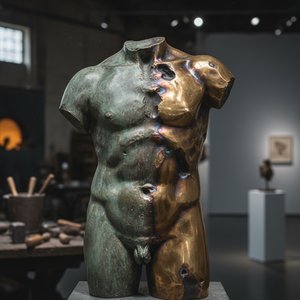
Pronksi Skulptuuride Püsiv Pärand: Ajalugu, Tehnikad ja Kaasaegsed Interpretatsioonid
Avastage pronksivalu rikkalik ajalugu ja tehnikaid! Lugege meie eksperdiartiklit pronksi skulptuuride kollektsioneerimisest, hindamisest ja kaasaegsetest interpretatsioonidest. Lisaks tutvume "Pronksivalu" muusikali taustaga.
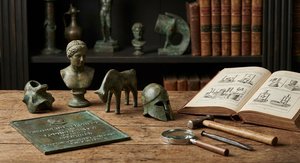
The Enduring Legacy of Bronze: History, Technique & Artistic Expression for the Collector
Explore the rich history & enduring appeal of bronze sculpture with expert insights for collectors at OriginalUniqueArt. Learn about casting techniques, iconic artists, and collecting tips.