

 Vaata sisu
 Jaga teost
 Jaga
Jaga
 Detailid
 Õppekate juhend

 Laadi alla
 Sarnased teosed
 Röntgenuuring
 Slaidietendus
 Statistika
Crucifix
 Acrylic On Canvas
- WallArt
- Early Renaissance
 1412
1412 168.0 x 173.0 cm
 Santa Croce
 Loe lähemalt
Giclée / Kunstiprint
Muuseumikvaliteediga giclée- või kangasprint kiire tootmisega ja paindlikud viimistlusvõimalused. ( Telli käsitsi maalitud reproduktsioon Ülemineku digitaalse pildi müügi kanalisse)




P118B €10

P118H €10

P118W €10

P438Z €10

P508JH €12

P508YH €12

P805H €10

P805Z €10

P919BZ €10

P919G €10

P919XJ €10

P959ZH €10

P968JZ €12

W106C €8

W218G €10

W218JH €8

W218Y €10

W307PJ €10

W316G €10

W316PJ €8

W316Y €10

W398PJ €8

W4111J €10

W500HY €15

W500JH €15

W692G €12

W849H €8

W940BG €15

W953PJ €8




Vali meie eelmääratud suurused, mis vastavad teose algupärastele proportsioonidele.

Sisestage vajalik laius ja kõrgus, et see sobiks teie raamile või seinale. Trükki saab ainult lõigata, seda ei saa kunagi pildist suuremaks teha, seega ka differentse vormiga suurus kaotab osa pildist. Enne trükkimist saadame teile kinnitamiseks digitaalse näidisprojektsiooni. Sellel lehel näidatud pilt ei kujuta reaalset lõiget — seda näitab ainult näidisprojekttsioon.
Ülemaailmne tarne () 2 nädala jooksul, tavalise 4/5 nädala asemel. (19 oktoober)

Tasuta ekspresssaatmine üle maailma

Kõrgekvaliteediline lina-kangastest muld

Täielik transpordikindlustus

Tollimaksude tagastamise garantii

Värvitoime täpsuse garantii

100 päeva tagastusõigus (ainult defektide korral)

100% raha tagasi garantii

Hulgusoodustus
 Klaasivalik on saadaval ainult kuni 110 cm suuruses teostes

Crucifix
Giclée / Kunstiprint
Reproduktsiooni mõõtmed
-


Lõppsumma
€ 70
A Moment of Profound Sorrow and Spiritual Triumph
Donatello's 1412 Crucifix, housed within the Basilica of Santa Croce in Florence, isn’t merely a depiction of Christ on the cross; it’s a visceral experience. This early Renaissance masterpiece transcends simple representation, plunging the viewer into the heart of Christian theology and embodying the profound tension between suffering and redemption. Crafted from richly-toned pearwood, the sculpture immediately commands attention with its remarkably realistic portrayal of the human form – a radical departure from the idealized figures prevalent in preceding artistic traditions. Donatello masterfully captures not just the physical agony of Christ’s crucifixion but also an underlying sense of quiet dignity and acceptance, inviting contemplation on themes of sacrifice and faith.
The sculpture's power lies partly in its innovative approach to realism. Vasari famously remarked that Donatello had sculpted a “contadino” – a peasant – rather than a divine figure, highlighting the artist’s deliberate choice to humanize Christ, making his suffering relatable and deeply affecting. The musculature of Christ’s body is rendered with meticulous detail, conveying both the strain of the nails piercing his flesh and the subtle grace of his posture. The loincloth, meticulously carved, adds another layer of realism, anchoring the figure in a tangible, earthly reality. This deliberate focus on human anatomy was revolutionary for its time, setting a new standard for artistic representation and influencing generations of sculptors to come.
Technique and Materials: A Testament to Early Renaissance Skill
Donatello’s mastery is evident not only in the sculpture's realism but also in his skillful manipulation of materials. The pearwood, chosen for its rich color and durability, provides a warm, resonant base for the vibrant polychrome pigments that bring the figure to life. The artist employed a technique known as *polychromy*, applying layers of paint – primarily reds, browns, and golds – to create an illusion of depth and texture. The intricate detailing of the nails driven into Christ’s hands and feet is particularly noteworthy, demonstrating Donatello's precision and control.
Beyond the pigments, the sculpture’s construction itself speaks volumes about Renaissance craftsmanship. The wood was carved with painstaking care, utilizing a subtractive method – removing material to reveal the desired form. The lead lines forming the cross are expertly executed, creating a strong structural framework while simultaneously contributing to the overall aesthetic impact. This combination of sculptural skill and meticulous attention to detail exemplifies the artistic standards of the early Renaissance period.
Symbolism and Spiritual Resonance
The Crucifix is laden with symbolic meaning, reflecting core tenets of Christian belief. The cross itself represents sacrifice, atonement for humanity’s sins, and the path to salvation. Christ's suffering embodies humility, obedience, and love – qualities deeply valued within the Christian tradition. The figure’s serene expression, despite his evident pain, suggests a profound acceptance of God’s will and an unwavering faith in the promise of resurrection.
Furthermore, Donatello’s depiction subtly shifts from the traditional Byzantine emphasis on Christ as a glorious, divine being to a more humanistic portrayal – a hallmark of the Renaissance. This shift reflects a growing interest in earthly experience and the potential for humanity to connect with the divine through empathy and understanding. The sculpture invites viewers not just to witness Christ's suffering but also to contemplate their own capacity for compassion and faith.
A Legacy of Artistic Innovation
Donatello’s Crucifix stands as a pivotal work in the transition from medieval to Renaissance art, demonstrating a remarkable fusion of classical influences with Christian iconography. It represents a significant departure from earlier depictions of Christ on the cross, characterized by stylized forms and symbolic gestures. The sculpture's realism, emotional depth, and technical virtuosity established new standards for artistic representation and profoundly influenced subsequent generations of artists. Today, it remains a powerful testament to the enduring legacy of Donatello and his contribution to the development of Western art.
Küsimused ja vastused
Kas teose „Crucifix“, autor Donatello värvid on kütkestatud või pehmed?
Teose „Crucifix“, autor Donatello värvitoit on Muted kütkusega.
Millist tehnikat ja stiili iseloomustavad teos „Crucifix“, autor Donatello?
Teos "Crucifix" on valmistatud tehnikas Acrylic On Canvas ja kuulub Early Renaissance stiilile.
Kui eraldavad teose "Crucifix" värvid?
Teose „Crucifix“, autor Donatello värvid on Muted kütkusega ja Monochromatic intensiivsusega.
Kunstniku elulugu
varaj varaj ja karjäär
Donato di Niccolò di Betto Bardi, tuntud maailmas kui Donatello, sündis umbes aastal 1386 Italias, Florentis. Tema õpingud klassikalises skulptuuris avaldas sügavat mõju tema varajase renessansstiili arengule, luues uue suuna kunstile ja kultuurile, mis sai hiljem kogu florentlase renessanssi üks peamisi sümboleid.olulised teosed ja uuendused
Donatello kõige kuulsam teos, David, oli pärast antiigi aegu esimene iseseisva, alast meises skulptuur. Medici perekonna tellimusena ilmus see teos, demonstreerides tema innovatiivset stiili ja tehnilist meistriklassi. Teisi märkimisväärseid teoseid on:- Püha Louis Toulouse'ist (praegu Santa Crocen basilica muuseumis), mis sisaldas Donatello enda poolt loodud klassikalist raami.
- Isaaki ohverdamine, mis loodi Florentis Santa Maria del Fiore campanile jaoks, iseloomustades tugevaid portreemaisia detaile.
- Ristiloom (1425) Santa Crocelle, mis kujutas Kristust vaevatud hetkel.
kunstiline stiil ja pärand
Donatello stiili võib jagada laadeks, alates ekspressiivsuse ja klassikalise monumentaalsuse arendamisest. Kuigi tema tööde eest ei võetud kogukond kohe vastu, sai ta lõpuks üks populaarsemaid kunstnereid, mõjutades nii teisi itaalseid õukondi kui ka kogu Euroopa kunstnikke. peamised kunstiliikumid:isiklik elu ja tööstiil
Donatello oli tuntud oma sõbralikkuse ja meeldivuse poolest, kuid tema karjääri äriosa oli keeruline. Ta tenditesid võtma vastu rohkem tellimusi, kui suutsid teostada, lõpetades töud sageli hiljaks või delegeerides need teistele skulptureйдеle. olulised teosed ja kunstnikud:- Leonardo da Vinci: Annunciation (detail)
- Amico Aspertini: Pan statue/leone che azzanna un cavallo
- Michelangelo Buonarroti: Tondo Pitt
muuseumid ja kunstikolektsioonid:
- Museo della Collegiata (Empoli, Itaalia): renessanssi peidetud pärl, mis esitleb Francesco Botticini ja Raffaello Botticini teoseid.
- Varajase itaalse renessanssi kunstiliikumine

Donatello
1386 - 1466 , Italia
Lühikest infot
- Artistic Movement Or Style: Vararenessanss
- Artists Or Movements Influenced By This Artist:
- Itaalia renessanss
- Vararenessanss
- फ्लोरेंटine renessanss
- Artists Who Influenced This Artist: ['Klassiline skulptuur']
- Date Of Birth: u 1386
- Date Of Death: 1466
- Full Name: Donatello di Niccolò
- Nationality: Itaalia
- Notable Artworks:
- David
- Saint Louis of Toulouse
- Iisaaki ohverdamine
- Ristiloomine
- Place Of Birth: Firenze, Itaalia
Sarnased artiklid

The Enduring Form: Exploring Themes & Techniques in Sculpture Across Historical Periods
Explore the rich history of sculpture from ancient masterpieces to contemporary innovations. Discover key techniques, influential artists & investment potential for discerning art collectors.

Bronze Age to Modern Masters: 10 Sculptures That Redefined Art | OriginalUniqueArt
Journey through art history with 10 legendary bronze sculptures – from Michelangelo's David to Rodin’s Thinker. Explore the stories, techniques & timeless beauty of these masterpieces. Find museum-quality reproductions & elevate your home decor on OriginalUniqueArt.com.

The Enduring Form: Sculpture Across History, Technique & Emotional Resonance
Explore the rich history of sculpture with OriginalUniqueArt. Discover key techniques, influential artists & investment potential for discerning collectors. Expert insights into valuing and collecting timeless masterpieces.

Bronze Sculptures That Defined Art History | OriginalUniqueArt
Journey through art history with our Top 10 bronze sculptures! Explore masterpieces by Rodin, Michelangelo & more. Discover stories behind iconic statues and find museum-quality reproductions for your home decor at OriginalUniqueArt.com.
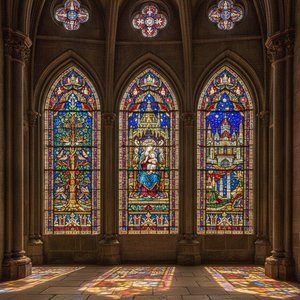
Luminous Masterpieces: The Captivating Beauty and Timeless Elegance of Stained Glass Artworks
Embark on a visual journey through the luminous world of stained glass art. Discover the exquisite craftsmanship, historical significance, and captivating beauty of masterworks from Art Nouveau to the Gothic era, curated for the discerning fine art enthusiast.