

 Vaata sisu
 Jaga teost
 Jaga
Jaga
 Detailid
 Õppekate juhend

 Laadi alla
 Sarnased teosed
 Röntgenuuring
 Slaidietendus
 Statistika
Ciborium


 Loe lähemalt
Giclée / Kunstiprint
Muuseumikvaliteediga giclée- või kangasprint kiire tootmisega ja paindlikud viimistlusvõimalused. ( Telli käsitsi maalitud reproduktsioon Ülemineku digitaalse pildi müügi kanalisse)




P118B €10

P118H €10

P118W €10

P438Z €10

P508JH €12

P508YH €12

P805H €10

P805Z €10

P919BZ €10

P919G €10

P919XJ €10

P959ZH €10

P968JZ €12

W106C €8

W218G €10

W218JH €8

W218Y €10

W307PJ €10

W316G €10

W316PJ €8

W316Y €10

W398PJ €8

W4111J €10

W500HY €15

W500JH €15

W692G €12

W849H €8

W940BG €15

W953PJ €8




Vali meie eelmääratud suurused, mis vastavad teose algupärastele proportsioonidele.

Sisestage vajalik laius ja kõrgus, et see sobiks teie raamile või seinale. Trükki saab ainult lõigata, seda ei saa kunagi pildist suuremaks teha, seega ka differentse vormiga suurus kaotab osa pildist. Enne trükkimist saadame teile kinnitamiseks digitaalse näidisprojektsiooni. Sellel lehel näidatud pilt ei kujuta reaalset lõiget — seda näitab ainult näidisprojekttsioon.
Ülemaailmne tarne () 2 nädala jooksul, tavalise 4/5 nädala asemel. (21 oktoober)

Tasuta ekspresssaatmine üle maailma

Kõrgekvaliteediline lina-kangastest muld

Täielik transpordikindlustus

Tollimaksude tagastamise garantii

Värvitoime täpsuse garantii

100 päeva tagastusõigus (ainult defektide korral)

100% raha tagasi garantii

Hulgusoodustus
 Klaasivalik on saadaval ainult kuni 110 cm suuruses teostes

Ciborium
Giclée / Kunstiprint
Reproduktsiooni mõõtmed
-


Lõppsumma
€ 70
A Glimpse into Sacred Space: Donatello's Ciborium
Donatello’s 1432 *Ciborium*, currently residing within the Treasury of St. Peter’s Basilica, offers a profound and remarkably intimate window into the artistic sensibilities of the Early Renaissance in Florence. More than simply a container for the Eucharist, this sculpted masterpiece is a carefully constructed dialogue between classical antiquity, Christian iconography, and the burgeoning humanist ideals that defined the era. Donatello, already establishing his signature style—characterized by expressive realism and a masterful command of both form and emotion—crafted this work not just as an object of religious devotion but as a testament to his evolving artistic vision.
The ciborium itself is a marvel of Carrara marble, meticulously carved with a sophisticated architectonic composition. Pilasters frame the central relief, creating a sense of depth and drawing the viewer’s eye towards the heart of the piece: a depiction of Mary holding the infant Jesus. This image, often referred to as *Madonna della Febbre* (Our Lady of the Fever), is not merely a representation of the Virgin but embodies a potent symbol of compassion and divine grace. The choice of this particular Madonna—a figure associated with healing and protection—underscores the ciborium’s function as a sacred space intended for contemplation and prayer.
Classical Echoes and Renaissance Innovation
Donatello's debt to classical sculpture is immediately apparent in the *Ciborium*. The composition echoes the grandeur of Roman triumphal arches, with its soaring attic and carefully arranged figures. However, Donatello doesn’t simply replicate ancient forms; he imbues them with a distinctly Renaissance sensibility. Notice the horizontal orientation of the deposition scene—a deliberate departure from the verticality often favored in medieval sculpture—and the use of drapery that is both realistically rendered and subtly theatrical. The inclusion of putti, playful cherubs drawn from classical mythology, further reinforces this fusion of styles.
The upper relief depicts the deposition of Christ, a scene rich with symbolic meaning. The curtains drawn back by these youthful figures—a direct reference to ancient Greco-Roman depictions of mourning—reveal the body of Christ, presented in a manner that is both vulnerable and dignified. The careful attention to detail – from the folds of Mary’s robes to the expressions on the faces of the surrounding angels – speaks volumes about Donatello's technical skill and his desire to capture not just the likeness but also the essence of each figure.
Symbolism, Light, and Spiritual Resonance
Beyond its formal elements, the *Ciborium* is saturated with symbolism. The use of light—particularly in the depiction of Christ’s body—is crucial. The rays emanating from the heavens suggest divine intervention and the promise of salvation. The placement of angels at the base of the ciborium further emphasizes the sacred nature of the space, acting as intermediaries between humanity and God. The overall effect is one of profound reverence and devotion, inviting viewers to contemplate the mysteries of faith.
Donatello’s *Ciborium* stands as a pivotal work in his artistic development—a testament to his ability to synthesize classical influences with Christian iconography and humanist ideals. It's a piece that continues to resonate today, offering a glimpse into the spiritual landscape of Renaissance Florence and demonstrating Donatello’s enduring legacy as one of art history’s most innovative and influential figures.
Küsimused ja vastused
Milline on teose „Ciborium“, autor Donatello emotsionaalne toon?
Teos "Ciborium" on seotud Spiritual tundega. Emotsionaalne toon kirjeldab teose tekitavat muljet.
Kuidas saan tellida teose „Ciborium“, autor Donatello trükki?
Teose "Ciborium" trükised on saadaval vormis kunstiprint puuvillalõikel}}^{\text{canvas}}$ või arhiveeritaval kangaspaberil. Tellimusi saab esitada selle Kõlblik kunstutrüki kvaliteetne trükis lehel, oma soovitud suuruses.
Kellele on teose "Ciborium" kingituseks soovitatav ja milliseks otstarbeks?
Kingitussoov teosele „Ciborium“, autor Donatello ühendab Wedding ja Statement.
Kunstniku elulugu
varaj varaj ja karjäär
Donato di Niccolò di Betto Bardi, tuntud maailmas kui Donatello, sündis umbes aastal 1386 Italias, Florentis. Tema õpingud klassikalises skulptuuris avaldas sügavat mõju tema varajase renessansstiili arengule, luues uue suuna kunstile ja kultuurile, mis sai hiljem kogu florentlase renessanssi üks peamisi sümboleid.olulised teosed ja uuendused
Donatello kõige kuulsam teos, David, oli pärast antiigi aegu esimene iseseisva, alast meises skulptuur. Medici perekonna tellimusena ilmus see teos, demonstreerides tema innovatiivset stiili ja tehnilist meistriklassi. Teisi märkimisväärseid teoseid on:- Püha Louis Toulouse'ist (praegu Santa Crocen basilica muuseumis), mis sisaldas Donatello enda poolt loodud klassikalist raami.
- Isaaki ohverdamine, mis loodi Florentis Santa Maria del Fiore campanile jaoks, iseloomustades tugevaid portreemaisia detaile.
- Ristiloom (1425) Santa Crocelle, mis kujutas Kristust vaevatud hetkel.
kunstiline stiil ja pärand
Donatello stiili võib jagada laadeks, alates ekspressiivsuse ja klassikalise monumentaalsuse arendamisest. Kuigi tema tööde eest ei võetud kogukond kohe vastu, sai ta lõpuks üks populaarsemaid kunstnereid, mõjutades nii teisi itaalseid õukondi kui ka kogu Euroopa kunstnikke. peamised kunstiliikumid:isiklik elu ja tööstiil
Donatello oli tuntud oma sõbralikkuse ja meeldivuse poolest, kuid tema karjääri äriosa oli keeruline. Ta tenditesid võtma vastu rohkem tellimusi, kui suutsid teostada, lõpetades töud sageli hiljaks või delegeerides need teistele skulptureйдеle. olulised teosed ja kunstnikud:- Leonardo da Vinci: Annunciation (detail)
- Amico Aspertini: Pan statue/leone che azzanna un cavallo
- Michelangelo Buonarroti: Tondo Pitt
muuseumid ja kunstikolektsioonid:
- Museo della Collegiata (Empoli, Itaalia): renessanssi peidetud pärl, mis esitleb Francesco Botticini ja Raffaello Botticini teoseid.
- Varajase itaalse renessanssi kunstiliikumine

Donatello
1386 - 1466 , Italia
Lühikest infot
- Artistic Movement Or Style: Vararenessanss
- Artists Or Movements Influenced By This Artist:
- Itaalia renessanss
- Vararenessanss
- फ्लोरेंटine renessanss
- Artists Who Influenced This Artist: ['Klassiline skulptuur']
- Date Of Birth: u 1386
- Date Of Death: 1466
- Full Name: Donatello di Niccolò
- Nationality: Itaalia
- Notable Artworks:
- David
- Saint Louis of Toulouse
- Iisaaki ohverdamine
- Ristiloomine
- Place Of Birth: Firenze, Itaalia
Sarnased artiklid

Bronze Age to Modern Masters: 10 Sculptures That Redefined Art | OriginalUniqueArt
Journey through art history with 10 legendary bronze sculptures – from Michelangelo's David to Rodin’s Thinker. Explore the stories, techniques & timeless beauty of these masterpieces. Find museum-quality reproductions & elevate your home decor on OriginalUniqueArt.com.

The Enduring Form: Sculpture Across History, Technique & Emotional Resonance
Explore the rich history of sculpture with OriginalUniqueArt. Discover key techniques, influential artists & investment potential for discerning collectors. Expert insights into valuing and collecting timeless masterpieces.

The Enduring Form: Exploring Themes & Techniques in Sculpture Across Historical Periods
Explore the rich history of sculpture from ancient masterpieces to contemporary innovations. Discover key techniques, influential artists & investment potential for discerning art collectors.
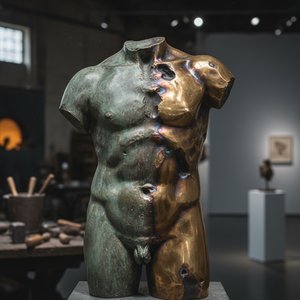
Pronksi Skulptuuride Püsiv Pärand: Ajalugu, Tehnikad ja Kaasaegsed Interpretatsioonid
Avastage pronksivalu rikkalik ajalugu ja tehnikaid! Lugege meie eksperdiartiklit pronksi skulptuuride kollektsioneerimisest, hindamisest ja kaasaegsetest interpretatsioonidest. Lisaks tutvume "Pronksivalu" muusikali taustaga.

Bronze Sculptures That Defined Art History | OriginalUniqueArt
Journey through art history with our Top 10 bronze sculptures! Explore masterpieces by Rodin, Michelangelo & more. Discover stories behind iconic statues and find museum-quality reproductions for your home decor at OriginalUniqueArt.com.