

 Saada
Saada Jaga
Jaga
 Teave teose kohta
 Juhend

 Laadi alla
 Sarnased teosed
 Slaidietendus
 Statistika
Cantoria
 Marble
- Sculpture
- Early Renaissance
 1439
1439 348.0 x 570.0 cm
 Museo dell'Opera del Duomo
 Loe lähemalt
Käsitsi valmistatud õlimaalireproduktsioon
Meie kunstnike poolt tellimusel valmistatud käsitsi maalitud õli-kainaste teos teie soovitud suuruses ja raamis. ( Lülita trükkitoodetele Lülita digitaalse pildi juurde)




































Vali meie eelmääratud suurused, mis vastavad teose algupärastele proportsioonidele.

Sisestage vajalik laius ja kõrgus, et teos sobiks teie raamile või seinale. Kuna tegu on käsipainatud teosega, siis erineva kujuga suuruse korral võib kunstnik jätta pildi ümber veidi rohkem marginaali või lõigata osa ära — valik on teie. Enne maali alustamist saadame teile kinnitamiseks digitaalse näidisprojektsiooni. Sellel lehel näidatud pilt ei kajasta tegelikku tulemust — seda näitab ainult näidisprojektsioon.
Pärast tellimust saadab OriginalUniqueArt.com meeskond kliendile e-posti juhised ning esitab eelvaate kavandi
Maailmline tarne 3–4 nädala jooksul tavalise 5 nädala asemel. (27 oktoober). Kvaliteedis kompromisse ei tehta.

Tasuta ekspresssaatmine üle maailma

Kõrgekvaliteediline lina-kangas

Täielik transpordikindlustus

Tollimaksude tagastamise garantii

Värvitoime täpsuse garantii

100 päeva tagastusõigus (ainult valmistusdefektide korral)

100% raha tagasi garantii

Hulgusoodustus
 Klaasivalik on saadaval ainult kuni 110 cm suuruses teostes

Cantoria
Reproduktsiooni tehnika
Reproduktsiooni suurus
-


Koguhind
€ 264
The Echoes of Florence: Donatello’s Cantoria
Within the hallowed halls of the Museo dell'Opera del Duomo in Florence resides a sculpture that transcends mere stone and marble – it is an embodiment of Renaissance spirit, a vibrant testament to human aspiration. Donatello’s Cantoria, completed in 1439, isn’t simply a decorative element above a choir; it’s a dynamic narrative carved into the very fabric of space, inviting contemplation on faith, music, and the boundless energy of life itself. Commissioned for the south sacristy of Florence Cathedral, this monumental marble relief stands as a pivotal work, showcasing Donatello's mastery and signaling a dramatic shift in artistic expression.
The sculpture’s genesis lies within the Early Renaissance, a period of profound transformation where classical ideals intertwined with burgeoning humanism. Donatello, deeply influenced by his study of ancient Greek and Roman sculpture, sought to capture not just likeness but also emotion and movement – a departure from the more static representations prevalent in preceding centuries. The Cantoria reflects this ambition; it’s a celebration of earthly joy expressed through the depiction of a bustling scene of singing, dancing, and musical performance. The sheer scale of the work—measuring an impressive 348 x 570 cm—immediately commands attention, drawing the viewer into its intricate world.
A Symphony in Marble: Technique and Design
Donatello’s genius is immediately apparent in his masterful manipulation of marble. The sculpture isn't a smooth, polished surface; instead, it’s characterized by deeply incised lines, dramatic contrasts between light and shadow, and an astonishing level of detail. The figures are not rendered with idealized beauty but rather with a palpable sense of humanity – their faces etched with expressions of delight, exertion, and communal spirit. The use of architectural elements—columns, arches, and a pediment adorned with acanthus leaves—adds to the sculpture’s grandeur, creating a harmonious blend of classical form and Renaissance dynamism.
Notably, Donatello employed a technique known as “spolvero,” using a tool to dust away excess marble, leaving behind delicate lines that define the forms. This method, combined with his meticulous carving, results in an astonishingly lifelike quality, particularly evident in the faces of the figures. The incorporation of glass paste and gilded elements further enhances the visual impact, creating a shimmering effect that seems to imbue the scene with divine light. The frieze depicting dancing putti—winged cherubs—is a particular highlight, their swirling movements conveying an infectious sense of joy and celebration.
Symbolism and Spiritual Resonance
Beyond its technical brilliance, the Cantoria is rich in symbolic meaning. The act of singing and music itself represents praise and devotion to God – a core tenet of Renaissance spirituality. The depiction of diverse human activities—dancing, playing instruments, and engaging in communal rituals—underscores the importance of community and shared experience within the Christian faith. The use of the term “putti” (little spirits) suggests an elevation of these earthly pleasures to a realm of divine grace.
The architectural setting – the choir loft above the sacristy – further amplifies the sculpture’s symbolic significance. It was intended as a space for liturgical music and communal worship, transforming the Cantoria into more than just a decorative element; it became an integral part of the sacred ritual. The overall impression is one of exuberant joy and spiritual elevation, reflecting the Renaissance belief in the potential for human flourishing within a divinely ordained world.
A Legacy Enduring: Reproduction and Inspiration
Today, Donatello’s Cantoria remains a source of inspiration for artists and designers alike. Its dynamic composition, masterful technique, and profound symbolism continue to resonate with audiences across centuries. High-quality reproductions capture the essence of this remarkable sculpture, allowing viewers to appreciate its beauty and complexity in their own homes or studios. Whether admired as a historical artifact or simply enjoyed as a work of art, the Cantoria stands as a timeless testament to the creative genius of Donatello and the enduring power of Renaissance artistry.
Korduvad küsimused
Mis on soovitatav trükimõõt teosele "Cantoria"?
Soovitatav trükimõõt teosele „Cantoria“, autor Donatello on Large.
Mis on originaalteose „Cantoria“, autor Donatello tehnika ja suurus?
Originaalteos „Cantoria“, autor Donatello on Marble teos mõõtmisel 348 x 570 cm. Tehnika ja suurus kirjeldavad originaalobjekti.
Kes lõi teose "Cantoria" ja millal?
Kunstniku elulugu
varaj varaj ja karjäär
Donato di Niccolò di Betto Bardi, tuntud maailmas kui Donatello, sündis umbes aastal 1386 Italias, Florentis. Tema õpingud klassikalises skulptuuris avaldas sügavat mõju tema varajase renessansstiili arengule, luues uue suuna kunstile ja kultuurile, mis sai hiljem kogu florentlase renessanssi üks peamisi sümboleid.olulised teosed ja uuendused
Donatello kõige kuulsam teos, David, oli pärast antiigi aegu esimene iseseisva, alast meises skulptuur. Medici perekonna tellimusena ilmus see teos, demonstreerides tema innovatiivset stiili ja tehnilist meistriklassi. Teisi märkimisväärseid teoseid on:- Püha Louis Toulouse'ist (praegu Santa Crocen basilica muuseumis), mis sisaldas Donatello enda poolt loodud klassikalist raami.
- Isaaki ohverdamine, mis loodi Florentis Santa Maria del Fiore campanile jaoks, iseloomustades tugevaid portreemaisia detaile.
- Ristiloom (1425) Santa Crocelle, mis kujutas Kristust vaevatud hetkel.
kunstiline stiil ja pärand
Donatello stiili võib jagada laadeks, alates ekspressiivsuse ja klassikalise monumentaalsuse arendamisest. Kuigi tema tööde eest ei võetud kogukond kohe vastu, sai ta lõpuks üks populaarsemaid kunstnereid, mõjutades nii teisi itaalseid õukondi kui ka kogu Euroopa kunstnikke. peamised kunstiliikumid:isiklik elu ja tööstiil
Donatello oli tuntud oma sõbralikkuse ja meeldivuse poolest, kuid tema karjääri äriosa oli keeruline. Ta tenditesid võtma vastu rohkem tellimusi, kui suutsid teostada, lõpetades töud sageli hiljaks või delegeerides need teistele skulptureйдеle. olulised teosed ja kunstnikud:- Leonardo da Vinci: Annunciation (detail)
- Amico Aspertini: Pan statue/leone che azzanna un cavallo
- Michelangelo Buonarroti: Tondo Pitt
muuseumid ja kunstikolektsioonid:
- Museo della Collegiata (Empoli, Itaalia): renessanssi peidetud pärl, mis esitleb Francesco Botticini ja Raffaello Botticini teoseid.
- Varajase itaalse renessanssi kunstiliikumine

Donatello
1386 - 1466 , Italia
Lühikest infot
- Artistic Movement Or Style: Vararenessanss
- Artists Or Movements Influenced By This Artist:
- Itaalia renessanss
- Vararenessanss
- फ्लोरेंटine renessanss
- Artists Who Influenced This Artist: ['Klassiline skulptuur']
- Date Of Birth: u 1386
- Date Of Death: 1466
- Full Name: Donatello di Niccolò
- Nationality: Itaalia
- Notable Artworks:
- David
- Saint Louis of Toulouse
- Iisaaki ohverdamine
- Ristiloomine
- Place Of Birth: Firenze, Itaalia
Sarnased artiklid

The Enduring Allure of Marble in Art History: From Classical Sculpture to Modern Abstraction
Explore the captivating history of marble sculpture from ancient Greece to modern art. Discover renowned artists like Canova & Michelangelo, carving techniques, and investment insights at OriginalUniqueArt.

The Enduring Form: Exploring Themes & Techniques in Sculpture Across Historical Periods
Explore the rich history of sculpture from ancient masterpieces to contemporary innovations. Discover key techniques, influential artists & investment potential for discerning art collectors.
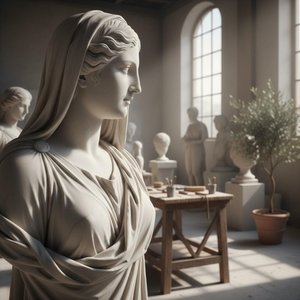
Timeless Elegance: A Complete Guide to the Sublime Beauty and Artistry of Marble Sculpture
Discover the sublime beauty of marble art through an expert exploration of Renaissance and Neoclassical masterpieces. From the delicate textures of Carpeaux to the grandeur of Sansovino, immerse yourself in a guide to timeless elegance and sculptural perfection.

Bronze Age to Modern Masters: 10 Sculptures That Redefined Art | OriginalUniqueArt
Journey through art history with 10 legendary bronze sculptures – from Michelangelo's David to Rodin’s Thinker. Explore the stories, techniques & timeless beauty of these masterpieces. Find museum-quality reproductions & elevate your home decor on OriginalUniqueArt.com.

Bronze Sculptures That Defined Art History | OriginalUniqueArt
Journey through art history with our Top 10 bronze sculptures! Explore masterpieces by Rodin, Michelangelo & more. Discover stories behind iconic statues and find museum-quality reproductions for your home decor at OriginalUniqueArt.com.