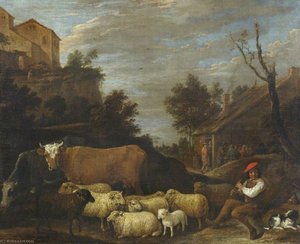
Vaata sisu
 Jaga teost
 Jaga
Jaga
 Detailid
 Õppekate juhend

 Laadi alla
 Sarnased teosed
 Röntgenuuring
 Slaidietendus
 Statistika
The Kitchen
 Acrylic On Canvas
- WallArt
- Baroque
 1646
1646 171.0 x 237.0 cm
 Hermitage muuseum
 Loe lähemalt
Giclée / Kunstiprint
Muuseumikvaliteediga giclée- või kangasprint kiire tootmisega ja paindlikud viimistlusvõimalused. ( Telli käsitsi maalitud reproduktsioon Ülemineku digitaalse pildi müügi kanalisse)




P118B €10

P118H €10

P118W €10

P438Z €10

P508JH €12

P508YH €12

P805H €10

P805Z €10

P919BZ €10

P919G €10

P919XJ €10

P959ZH €10

P968JZ €12

W106C €8

W218G €10

W218JH €8

W218Y €10

W307PJ €10

W316G €10

W316PJ €8

W316Y €10

W398PJ €8

W4111J €10

W500HY €15

W500JH €15

W692G €12

W849H €8

W940BG €15

W953PJ €8




Vali meie eelmääratud suurused, mis vastavad teose algupärastele proportsioonidele.

Sisestage vajalik laius ja kõrgus, et see sobiks teie raamile või seinale. Trükki saab ainult lõigata, seda ei saa kunagi pildist suuremaks teha, seega ka differentse vormiga suurus kaotab osa pildist. Enne trükkimist saadame teile kinnitamiseks digitaalse näidisprojektsiooni. Sellel lehel näidatud pilt ei kujuta reaalset lõiget — seda näitab ainult näidisprojekttsioon.
Ülemaailmne tarne () 2 nädala jooksul, tavalise 4/5 nädala asemel. (24 oktoober)

Tasuta ekspresssaatmine üle maailma

Kõrgekvaliteediline lina-kangastest muld

Täielik transpordikindlustus

Tollimaksude tagastamise garantii

Värvitoime täpsuse garantii

100 päeva tagastusõigus (ainult defektide korral)

100% raha tagasi garantii

Hulgusoodustus
 Klaasivalik on saadaval ainult kuni 110 cm suuruses teostes

The Kitchen
Giclée / Kunstiprint
Reproduktsiooni mõõtmed
-


Lõppsumma
€ 70
A Snapshot of Everyday Life: David Teniers the Younger’s “The Kitchen”
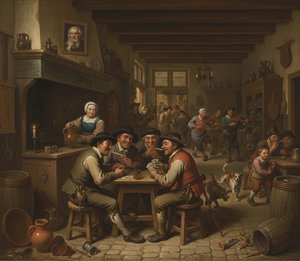
David Teniers the Younger's "The Kitchen," painted in 1646, isn’t merely a depiction of a domestic scene; it’s a vibrant tableau brimming with life, humor, and an astute observation of Flemish society. This remarkable work transcends simple genre painting, offering a glimpse into the heart of a bustling household—a microcosm reflecting the rhythms and relationships of everyday existence. Measuring 171 x 237 cm, the canvas explodes with activity, populated by thirteen individuals engaged in various tasks within a richly detailed kitchen environment. The sheer number of figures, coupled with their diverse interactions – from children playfully chasing birds to adults tending hearths and tables – immediately draws the viewer into this immersive world.
The painting’s Baroque style is evident in its dynamic composition, dramatic lighting, and meticulous attention to detail. Teniers masterfully employs a technique of *alla prima*, working directly onto the wet canvas without underdrawing, resulting in a sense of immediacy and spontaneity. Notice how he captures the textures of rough-hewn wooden furniture, the glint of metal tools, and the folds of fabric with remarkable precision. The artist’s use of color is equally noteworthy – warm earth tones dominate, punctuated by brighter accents that draw attention to key elements within the scene, such as a vibrant red tablecloth or the gleam of copper pots.
A Window into 17th-Century Flanders
To understand “The Kitchen,” it’s crucial to situate it within its historical context. The painting was created during a period of significant artistic and social change in the Netherlands, following the decline of the High Renaissance and the rise of Baroque styles. David Teniers the Younger emerged as a leading figure in this transition, skillfully blending influences from his father's earlier work with contemporary trends. His subject matter often revolved around scenes of rural life, domestic interiors, and tavern gatherings – themes that resonated deeply with the burgeoning middle class.
The inclusion of numerous animals—a dog, two cats, and a flock of birds—adds another layer of interest to the composition. Animals were frequently depicted in Flemish art, often serving as symbols of fertility, abundance, or domesticity. In “The Kitchen,” they seamlessly integrate into the human drama, contributing to the overall sense of lively chaos. The presence of books suggests an appreciation for learning and intellectual pursuits within the household, while the scattered bottles and bowls hint at a life filled with simple pleasures and convivial gatherings.
Symbolism and Social Commentary
Beyond its immediate visual appeal, “The Kitchen” offers subtle insights into 17th-century Flemish society. The scene’s bustling energy reflects the importance of family and community in this era. The various activities taking place—cooking, eating, cleaning, and socializing—highlighted the central role of the home as a focal point for social interaction. The inclusion of both adults and children underscores the multi-generational nature of Flemish households. Furthermore, the painting’s depiction of everyday life provides a valuable glimpse into the material culture and social customs of the time.
Interestingly, Teniers' career was marked by a remarkable versatility. He served as a court painter, a printmaker, and even a curator for Archduke Leopold Wilhelm, demonstrating a broad range of artistic skills and interests. His ability to capture both the grandeur of formal portraits and the intimacy of genre scenes cemented his reputation as one of the most prolific and influential artists of his generation. “The Kitchen” stands as a testament to this remarkable talent, offering a captivating window into a bygone era.
Küsimused ja vastused
Kes lõi teose "The Kitchen" ja millal?
Teose "The Kitchen" autor on David Teniers Noorem ja selle loomisaeg on 1646.
Kui palju valgust tundub värvid teosele "The Kitchen" peegeldatav olevat?
Teose „The Kitchen“, autor David Teniers Noorem kirjeldatud luminants on Dark.
Milline suurus on soovituslik teosele "The Kitchen" ruumis Living Room?
Soovitatav kombinatsioon teosele „The Kitchen“, autor David Teniers Noorem: Large trükis Living Room-s.
Kunstniku elulugu
David Teniers noorem: elu ja pärand
David Teniers noorem (1610-1690) oli silmapaistev flaami barokkimaalija, kes on tuntud oma elavate žanrisseenide, talupoegliku elu kujutiste ning detailsete maastike poolest. Tema looming peegeldab 17. sajandi Madalmaade elujärelisi kombeid ja atmosfääri, pakkudes vaatajale ainulaadse sissevaate tolle aja igapäevaelu.
Varajane elu ja kunstnikuperekond
- Sünd: Antwerpenis 15. detsembril 1610.
- David Teniers noorem pärines sügavalt Flandria kunstitraditsioonides juurdunud perekonnast. Tema isa, David Teniers vanem, oli samuti maalikunstnik ning mitmed tema õed ja vennad tegid karjääri kunstnikeks.
- Õpingud: Ta alustas esialgu õpinguid isa juures, saades põhjaliku koolituse maalitehnikates ja -stiilides.
- Perekonnal olid vahel majanduslikud raskused, mis viisid noore Davidi vanade meistrite maalide kopeerimiseni, et panustada perekonna sissetulekutesse.
Kunstiline areng ja mõjutajad
- Varased mõjud: Tema varasele tööle avaldasid suurt mõju isa stiil, keskendudes väiksema suurusega kabinetimaalidele. Ta omandas ka inspiratsiooni teistelt flaami meistritelt nagu Pieter Bruegel vanem.
- Rubensi mõju: Pöördepunkt Teniersi arengus oli seos Peter Paul Rubensega. Ta abiellus Anna Bruegheliga, Jan Bruegheli vanema tütretütrega ning Rubens osales nende pulmas tunnistajana, luues tiheda suhte.
- Žanri erialastumine: Teniers spetsialiseerus järk-järgult žanrimaalile – igapäevaelu kujutistele –, saades tuntuks oma elavate talurahvapidude (kermesside), tavernisisustus ja külamaastike poolest.
Peamised teosed ja kunstiline stiil
- Žanrisseenid: Tema kuulsaimad tööd on tema žanrimaalid. Need kujutavad sageli elavaid talupoegliku elu stseene, täis rõõmu, tantsu, joomist ja mänge.
- Kermesside maalid: “Flaami Kermess” sari on näiteks tema stiili – erksad värvid, detailne kompositsioon ning terav inimkäitumise vaatlus.
- Maastikumaal: Teniers lõi ka võluvaid maastikumaale, mis sageli sisaldasid figuure, kes olid seotud maaelutegevusega.
- Tavernisisustused: Tema tavernistseenid on eriti tähelepanuväärsed igapäevaelu realistliku kujutamise ja nende asukohtade elava atmosfääri poolest.
Hovi maalikunstnik ja kuraator
- Teenistus Archduke Leopold Wilhelmile: Teniersi talent pälvis tunnustust Habsburgide õukonnas. Ta sai õukonna maalikunstnikuks ja kuraatoriks Archduke Leopold Wilhelmile, Hispaania Madalmaade asekubernerile.
- Kogude haldus: Kuraatorina oli ta vastutav Archduke ulatusliku kunstikogu haldamise eest, luues inventari ning kataloogides teoseid.
- Antwerpeni Akadeemia asutamine: Teniers mängis olulist rolli Antwerpeni Kunstiakadeemia asutamisel, eesmärgiga taaselustada flaami maalikunsti pärast Rubensi ja Van Dycki surma järgnenud langusperioodi.
Ajalooline tähtsus ja pärand
- Juhtiv žanrimaalija: David Teniers noorem on peetud oma aja juhtivaks flaami žanrimaalijaks, tabades 17. sajandi elu olemust tähelepanuväärse oskusega.
- Mõju hilisematele kunstnikele: Tema töö mõjutas järgnevaid põlvkondi Põhja-Euroopa maalikunstnikke ning isegi Prantsuse rokookokunstnikke nagu Antoine Watteau.
- Viljakas looming: Teniers oli uskumatult viljakas kunstnik, tootes tohutu hulga teoseid, mida tänini imetletakse nende võlu, detailide ja ajaloolise ülevaate eest.
- Surm: Ta suri Antwerpenis 25. aprillil 1690, jättes pärandiks ühe Flandria olulisima barokkmaalikunstniku.
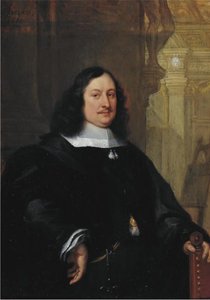
David Teniers Noorem
1610 - 1690 , Eesti
Lühikest infot
- Kunstiliikumine: Barokk
- Mõjutajad: ['Peter Paul Rubens']
- Rahvus: Flaami
- Surmapäev: 25. aprill 1690
- Sünnipäev: 15. detsember 1610
- Täisnimi: David Teniers Noorem
Sarnased artiklid
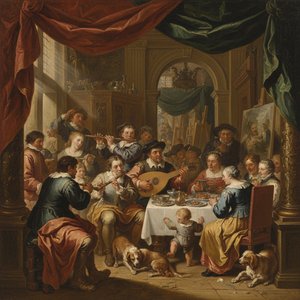
Jacob Jordaens: Baroque Dynamism & Genre Innovation of the Antwerp School
Discover Jacob Jordaens, a leading Flemish Baroque painter renowned for his dynamic compositions & realistic genre scenes. Explore his life, art, and lasting influence with OriginalUniqueArt.
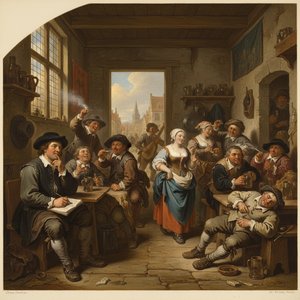
David Teniers the Younger: Genre Painting & Social Commentary in Baroque Flanders
Explore the captivating world of David Teniers the Younger, a leading Flemish Baroque painter. Discover his genre scenes, social commentary, and lasting influence on 17th-century art. Learn about his life, techniques & legacy.
David Teniers II: Master of Flemish Genre & Social Commentary
Explore the captivating world of David Teniers II, a leading Flemish Baroque painter renowned for his lively genre scenes & insightful social commentary. Discover his masterpieces and legacy with OriginalUniqueArt.

The Visceral Stage: Exploring Dramatic Narratives & Emotional Intensity in Baroque Art
Explore the dramatic world of Baroque art! Discover iconic masters like Caravaggio & Rembrandt, their techniques, and the movement's lasting impact. Expert insights for collectors & enthusiasts at OriginalUniqueArt.

Mastering Drama and Light: A Definitive Guide to the Flemish Baroque Art Movement
Explore the dramatic brilliance of the Flemish Baroque movement. Discover how masters like Peter Paul Rubens utilized chiaroscuro and dynamic composition to redefine art history through light, shadow, and unparalleled emotion.