Eelvaade
 Saada
Saada Jaga
Jaga
 Teave teose kohta
 Juhend

 Laadi alla
 Sarnased teosed
 Röntgenuuring
 Slaidietendus
 KÜSIMUSED JA VASTUSID
 Statistika
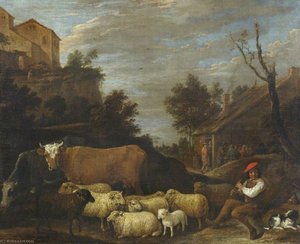
Kitchen Scene

- 75.0 x 77.0 cm


 Loe lähemalt
Giclée / Kunstiprint
Muuseumikvaliteediga giclée- või kangasprint kiire tootmisega ja paindlikud viimistlusvõimalused. ( Osta käsitsi maalatud teos Lülita digitaalse pildi juurde)




P118B €10

P118H €10

P118W €10

P438Z €10

P508JH €12

P508YH €12

P805H €10

P805Z €10

P919BZ €10

P919G €10

P919XJ €10

P959ZH €10

P968JZ €12

W106C €8

W218G €10

W218JH €8

W218Y €10

W307PJ €10

W316G €10

W316PJ €8

W316Y €10

W398PJ €8

W4111J €10

W500HY €15

W500JH €15

W692G €12

W849H €8

W940BG €15

W953PJ €8




Vali meie eelmääratud suurused, mis vastavad teose algupärastele proportsioonidele.

Sisestage vajalik laius ja kõrgus, et see sobiks teie raamile või seinale. Trükki saab ainult lõigata, seda ei saa kunagi pildist suuremaks teha, seega ka erineva mustega suurus kaotab osa pildist. Enne trükkimist saadame teile kinnitamiseks digitaalse näidisprojektsiooni. Sellel lehel näidatud pilt ei kujuta reaalset lõiget — seda näitab ainult näidisprojektsioon.
Ülemaailmne tarne () 2 nädala jooksul, tavalise 4/5 nädala asemel. (7 november)

Tasuta ekspresssaatmine üle maailma

Kõrgekvaliteediline lina-kangas

Täielik transpordikindlustus

Tollimaksude tagastamise garantii

Värvitoime täpsuse garantii

100 päeva tagastusõigus (ainult valmistusdefektide korral)

100% raha tagasi garantii

Hulgusoodustus
 Klaasivalik on saadaval ainult kuni 110 cm suuruses teostes

Kitchen Scene
Giclée / Kunstiprint
Reproduktsiooni suurus
-


Koguhind
€ 72
A Glimpse into Domesticity: David Teniers the Younger’s “Kitchen Scene”
David Teniers the Younger's "Kitchen Scene," painted in 1644, is more than just a depiction of daily life; it’s a meticulously crafted window into the heart of 17th-century Flemish domesticity. Housed within the Mauritshuis museum in The Hague, this oil painting on copper immediately draws the viewer into a bustling scene brimming with activity and quiet intimacy. Teniers wasn't merely recording a snapshot; he was capturing an atmosphere, imbuing the kitchen with a palpable sense of warmth, conversation, and the comforting rhythms of family life.
The artist’s skill lies not just in his technical proficiency – evident in the remarkably detailed rendering of food, utensils, and fabrics – but also in his ability to convey mood. The light, diffused and warm, suggests a late afternoon, casting long shadows across the room and highlighting the rich textures of the wooden table, earthenware bowls, and the woman’s richly colored dress. Notice how he uses subtle variations in tone to create depth, drawing our eye from the central figures towards the background activity – children playing, servants preparing food, and a dog observing the scene with quiet attentiveness.
The Painter's Palette: Technique and Materials
“Kitchen Scene” is a testament to Teniers’ mastery of oil painting on copper. This medium offered him exceptional control over color saturation and layering, allowing for a remarkable level of detail and luminosity. The use of impasto – applying paint thickly – particularly in the depiction of the food and textiles – adds a tactile quality to the image, inviting us to almost reach out and touch the smooth surface of the table or feel the warmth radiating from the hearth (implied but not explicitly shown). The copper itself contributes significantly to the painting’s visual impact; it reflects light beautifully, intensifying colors and creating a sense of vibrancy that is often lost in traditional panel paintings.
Furthermore, Teniers' meticulous attention to detail extends beyond mere representation. He employs a sophisticated understanding of perspective and chiaroscuro – the use of contrasting light and shadow – to create a convincing illusion of space. The figures are rendered with a remarkable degree of realism, their faces conveying a range of emotions—from amusement and conversation to focused concentration. The artist’s ability to capture these subtle nuances is what elevates “Kitchen Scene” beyond a simple genre painting.
A Window into the Golden Age: Context and Symbolism
“Kitchen Scene” firmly places itself within the Dutch Golden Age of art, a period characterized by unprecedented prosperity, artistic innovation, and a burgeoning interest in depicting everyday life. Teniers’ work reflects this shift away from purely religious or mythological subjects towards more secular themes – a trend driven by the rise of the merchant class and their desire to celebrate their newfound wealth and status. The scene itself is rich with symbolism. The abundance of food represents prosperity and hospitality, while the presence of children suggests family values and the continuation of lineage.
The inclusion of a dog, a common feature in domestic scenes of the era, reinforces the theme of companionship and loyalty. Even the hanging bird – a detail often overlooked – could symbolize abundance or good fortune. The painting’s setting, a well-equipped kitchen, speaks to the importance of food preparation and communal meals within 17th-century Flemish society. It's a scene that resonates with universal themes of family, community, and the simple pleasures of life.
Collecting the Essence: Reproduction and Legacy
Reproductions of “Kitchen Scene” offer an accessible way to experience the artistry and charm of this remarkable painting. Whether displayed in a grand salon or a cozy corner, it serves as a captivating reminder of a bygone era. The meticulous detail and evocative atmosphere captured by Teniers continue to resonate with viewers today, offering a glimpse into the lives and values of those who came before us.
For art enthusiasts seeking a deeper understanding of this masterpiece, we encourage you to explore the resources linked below: The Mauritshuis museum’s collection provides invaluable insights into the painting's history and context. Furthermore, examining related works by David Teniers the Younger – such as “An Old Peasant caresses a Kitchen Maid in a Stable” – reveals his distinctive style and thematic preoccupations.
Korduvad küsimused
Kust saan alla laadida „Kitchen Scene“, autor David Teniers Noorem?
Teose "Kitchen Scene" kohta on võimalik alla laadida digitaalne pilt: teose Laadi alla lehel on saadaval kõrge resolutsiooniga digitaalse pildi allalaadimine.
Kes on teose "Kitchen Scene" looja?
Teose "Kitchen Scene" autoriks on mõeldud David Teniers Noorem.
Kas teost „Kitchen Scene“, autor David Teniers Noorem hoiustatakse kunstniku kodumaal?
Ei – teos asub välismaal. David Teniers Noorem sünnimaa on Belgia ning teose "Kitchen Scene" originaali hoiab endas muuseum, mis asub riigis Holland.
Kunstniku elulugu
Varasjuk ja perepõhis
- Sünd: Antwerpen, tollal Spaanse Alandmaad, ristiti 15. detsembri 1610. aastal.
- David Teniers Noorem sündis peres, mis oli sügavalt juurdunud Flandria kunstipretsessidesse. Tema isa, David Teniers vanem, oli samuti maalari ja ka tema nooremad vennad Juliaan, Theodoor ning Abraham said kõik hiljem kunstnikud.
- Koolitus: Alates 1626. aastast õppis ta isat poisipõlves, kandes vastu alustavad teadmised maaliatehnikatest ja stiilidest.
- Tema isa oli sageli võlgade tõttu murede all ning kandsid kohati isegi vanglust, mistõttu tegi noor David oma perekonna toetamiseks vana kooli meistrite teoseid koopiaid.
- Antwerpi guild: Ta sai Antwerpi Püha Luku guildide meistriks 1632–1633. aastal ning teenis selle dekaanina 1644–1645. aastal.
Kunstiline areng ja mõjud
- Varajased mõjud: Tema algased tööd järgnesid tema isa väikeseformaadilisele kabinetimaalide stiilile ning läbi isa jälgis ta ka Adam Elsheimeri näidet. Kuni 1630. aastate lõpuni olid tema teosed teema, tehnika, värvi ja kompositsiooni osas väga sagedasti Adriaen Brouweri sarnased.
- Rubensi ring: 1637. aastal abiielus ta Jan Brueghel vanemaga, Anna Bruegheliga. Peter Paul Rubens, kes oli pärast Anna isa surma tema eestuleja olnud, osales pulmadel nn võidukal kujul, tuues Teniersi Antwerpi juhtivate maalari ringi.
- žanri spetsialiseerumine: Teniers spetsialiseerus ajapärastikumaga – igapäevase elu kujutamisega –, muutudes kuuks märkimisteks oma elavate talupojaühiselud (kermessid), taverna sisemiskujelduste ja külaõhuduste eest.
Peateosed ja kunstiline stiil
- žanriteened: Tema kõige kuulsamad teosed on tema žanrimaalid. Need kujutavad sageli pulmadust ja elu täis talupojaelämust, kus on rõhutatud rõõmust, tantsust, joomist ja mängu.
- Kermessimaalid: Külapeolised, nagu Flandria kermess, on tema stiili parimad näited – vibrantne värvikasus, detailne kompositsioon ja terav inimkäitumise jälgimine.
- Taverna siseelam: Tema tavernamajad on eriti silmapaistvad oma realistliku igapäevaelu kujutluse ja nende asutuste elavuse tõttu.
- Beyond the Village (Külast kaugemale): Ta maalis ka õõdusi, valvaruumikohtasid, alkeemikuid ja arste tööl ning lõbusaid singerie stseite, kus ahvid inimlikku käitumist imiteerivad.
- Galeriamalikud: Tema vaated arhideegi pildigallerial, mille seintel on tihedalt üritatud meistriteoseid, tegi temast selgelt flamimast žanri juhtiv tegelane.
Õukonnamaalist ja kuraator
- Teenimine arhideok Leopold Wilhelmile: Umbes 1650. aastal liikus Teniers Brüsseli, et teenida Spaanse Alandmaade kubergi, arhideok Leopold Wilhelmit, õukonnamaalari ja tema kunstikogu hooldajana.
- Koguvaldamine: Ta aitas arhideogil hankida meistriteoseid, sealhulumbi ka hajutanud inglise kuningliku kogumuse ja Hamiltoni kollektsiooni maale. Kogu kasvas umbes 1300 teose virna suurusesse ning moodustas hiljem aluse Weini Kunsthistorisches Museumile. lik Theatrum Pictorium: Brüsselis 1660. aastal välja antud teos reproduseeris 246 itaalia mala arhideogi kollektsioonist etsingute kaudu – see oli esimene illustreeritud kataloog vana kooli meistrite kollektsiooni kohta.
- Õpilased: Arvatakse, et Gillis van Tilborgh õppis temaga Brüsselis ja holdis hiljem samuti õukonnakogu hooldaja ametit.
- Hilikumad aastad: Pärast Anna surma laenus ta 1656. aastal Isabella de Freniga. Ta palus Hispaania kuningalt aadlisõja patent, kuid loobus sellest, kui talle öeldi, et ta peab oma maalidimisi müüma lõpetama.
- Antwerpi akadeemia: Teniers oli Antwerpi Kunstakadeemia asutamise jõud, saades 1663. aastal kuningliku luba, eesmärgiga taaselda Flandria maali kunsti pärast Rubensie ja Van Dycki surma.
Ajalooline tähendus ja pärand
- Juhtiv žanrimaalist: David Teniers Nooremest peetakse oma ajast juhtivaks flamimast žanrimaalist, kes pidas 17. sajandi elu olemust üles üllastusega üles.
- Mõju hilisemale kunstile: Tema töö mõjutas järgmisi Põhja-Euroopa maalari põlvkondi ja puudutas isegi Prantsuse rokokoo kunstnikke, nagu Antoine Watteau.
- Viljakus: Teniers oli uskumatult viljakas kunstnik, luues tohutu kogumuse, mida imetletakse tänapäevagi selle võluda, detailid ja ajaloolise sügavuse eest.
- Surm: Ta surmas Brüsselis 25. aprillil 1690, jättes järele püsiva pärandi kui üks Flandria kõige olulisemaid barokkmaalareid.
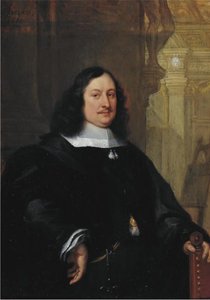
David Teniers Noorem
1610 - 1690 , Belgia
Lühikest infot
- Date Of Birth: 1610
- Date Of Death: 1690
- Place Of Birth: Antwerp, Belgia
- Place Of Death: Brüssel, Belgia
- Birth Date: 1610
- Birth Place: Antwerp, Belgia
- Death Date: 1690
- Influenced By: Adriaen Brouwer, Adam Elsheimer, Peter Paul Rubens
- Movement: Barokk
- Name: David Teniers Noorem
- Nationality: Flandria
- Notable Works:
- Kaks purjupäid
- Küla stseen
- Köögistseen
- Flandria kermess
Sarnased artiklid

Golden Age Reflections: Dutch Baroque Painting & Cultural Innovation
Explore the Dutch Golden Age of painting! Discover key artists like Vermeer & ter Borch, their innovative techniques, and the rich cultural context behind these Baroque masterpieces. Learn about collecting & appreciating this iconic art period.

Golden Light & Dutch Skies: The Timeless Magic of Dutch Golden Age Landscapes
Discover the breathtaking beauty of Dutch Golden Age landscapes. Explore the mastery of light, chiaroscuro, and 17th-century realism through an expert art history lens, celebrating the enduring legacy of the Dutch Masters for discerning collectors and art lovers.

Hollandi Kuldaja Särgas Kunstipärit: 10 Meisterteost Sinu Koduks
Sukeldu Hollandi Kuldaja kunstivorme! Avasta 10 ikoonilist meistriteost – Rembrandt, Vermeer jt. - ning nende ajatu loojatööd. Leia inspiratsiooni interjöörile ja kaunista kodu OriginalUniqueArt.com kvaliteetsete reproduktsioonidega. Uuri kollektsiooni!

Mastering Light & Shadow: A Journey Through the Dutch Golden Age's Luminous Legacy
Embark on a cultural journey through the Dutch Golden Age. Explore the masterful interplay of light and shadow in 17th-century masterpieces, from Rembrandt to Vermeer, and discover how this era of profound realism continues to inspire fine art collectors today.

Illuminating Innovation: Exploring the Dutch Golden Age of Painting
Explore the Dutch Golden Age of painting with OriginalUniqueArt. Discover Rembrandt, Vermeer & other Masters. Learn about key characteristics, iconic artworks, and lasting influence. Expert insights for collectors & enthusiasts.