Academic Art · 1871
Edwin Forrest (David Johnson, 1871)
David Johnson (1827–1908) on loonud teose Edwin Forrest. See on pärinev 1871 aastast. See kuulub Academic Art suuntrime. Teos on valmistatud materjalist Oil On Canvas. Teos asub National Gallery of Art kogamuses Washington, USA. Mõõdud on 75 × 65 cm.
- 1871
- Oil On Canvas
- 75 × 65 cm
- National Gallery of Art, Washington

 Eelvaade

 Käsitsi maalatud õlimaalatsioon
 Saada
 Jaga
 Teave teose kohta


 Laadi alla
 Sarnased teosed
 Röntgenuuring
 Slaidietendus
 KÜSIMUSED JA VASTUSID

 Statistika
Edwin Forrest lühidalt
- Pealkiri
- Edwin Forrest
- Kunstnik
- David Johnson (1827–1908)
- Kunstnik on sündinud
- New York, Ameerika Ühendriigid
- Kuupäev
- 1871
- Tehnika
- Oil On Canvas
- Mõõtmed
- 75 × 65 cm
- Kus seda näeb
- National Gallery of Art, Washington, USA
- Suunad
- Academic Art
- Aeglkond
- 19th Century
- Teema
- man, portrait, face, hair, shirt, vest
Mida Edwin Forrest kujutab?
Portrait of Edwin Forrest by David Johnson
In this formal portrait, David Johnson captures Edwin Forrest in a moment of quiet gravitas. Painted in 1871, the work presents the subject in a bust-length view, positioned slightly off-center to the right. Forrest, a nineteenth-century American Shakespearean actor, meets the viewer's gaze with a serious and steady expression. There is a certain weight to his presence, a dignity that reflects the stature he held on the stage during his career.
Johnson, an artist known for his ability to weave light through the landscapes of the American Northeast, turns his attention here from the natural world to the human form. The portrait focuses on the character etched into the subject's features. The lighting is soft and diffused, illuminating the face while allowing the background to recede into shadow. This technique ensures that the viewer's attention remains fixed on the man himself, emphasizing the psychological depth of a performer accustomed to commanding an audience.
Composition and Visual Elements
This bust-length portrait presents the subject in a poised, slightly off-center position to the right. He meets the viewer's gaze directly, maintaining a serious expression that commands immediate attention. The arrangement relies on a sense of proximity, with the subject's body partially obscuring the background to create a palpable sense of depth and presence.
The color palette is restrained, dominated by muted earth tones and deep, dark hues. Browns, blacks, and creams establish a somber atmosphere, while touches of white provide necessary contrast. This tonal arrangement is supported by a soft, diffused light that illuminates the face, drawing the eye toward the intricate details of the features. By leaving the background darker and less defined, the artist ensures the viewer's focus remains fixed upon the subject's countenance.
Technique and Artistic Materials
Executed in oil on canvas, this portrait reflects a style that leans toward realism while maintaining the structured discipline of academic painting. The artist employs a controlled application of pigment to define the subject, utilizing subtle shading and deliberate variations in color intensity to create a palpable sense of depth. This approach allows the figure to emerge from the darker, less defined background, focusing the viewer's attention entirely on the character of the sitter.
The tactile quality of the work is achieved through a thoughtful handling of texture. Visible brushwork is used to suggest the coarse, uneven roughness of the hair, providing a sharp contrast to the smoother, more seamless rendering of the shirt. These technical choices emphasize the physical presence of the subject, grounding the portrait in a tangible, material reality.
Kumba muuseumis asub teos Edwin Forrest?
National Gallery of Art
Washington, USA
National Gallery of Art päritolu ja ajalugu National Gallery of Art loodi privaatsetel alustel 1937. aastal, et pakkuda kunstikultuuri Ameerika rahvastele. Selle asutamine toetati Ülihooduste ühise resolutsiooniga, ning kogu institutsiooni kavatsus sünnis Andrew W.


Edwin Forrest kõrge resolutsiooniga pildid
Avalik omanik: kunstnik suri aastal 1908.
David Johnson, Edwin Forrest (1871), National Gallery of Art. Avalik omaniklik õigus
Küsimused teemal Edwin Forrest – vastused
Kust saan näha originaalteost „Edwin Forrest“, autor David Johnson?
Teos „Edwin Forrest“, autor David Johnson on näitustel National Gallery of Art, Washington, USA. Muuseumi keterangane viitab originaalteosele, mitte reproduktsioonidele.
Mis on teose „Edwin Forrest“, autor David Johnson loomisaeg?
Teose „Edwin Forrest“, autor David Johnson loomimisaastaks on märgitud 1871.
Millises materjalis on teos „Edwin Forrest“, autor David Johnson valmistatud?
Teose „Edwin Forrest“, autor David Johnson materjal on Oil On Canvas. Reproduktsioonide eesmärk on jälitada selle tehnika välimust.
Mis on teose „Edwin Forrest“, autor David Johnson tegelik suurus?
Teose „Edwin Forrest“, autor David Johnson mõõdud on 75 x 65 cm. Reproduktsioone saab tellida muutes mõõtust, säilitades samal ajal samad proportsioonid.
Mida „Edwin Forrest“, autor David Johnson kujutab?
„Edwin Forrest“, autor David Johnson kujutab: man, portrait, face, hair, shirt, vest, collar, brown.
Kas teose „Edwin Forrest“, autor David Johnson pilt on vabalt reproduseeritav?
Autoriõiguse teave teose „Edwin Forrest“, autor David Johnson kohta: teos kuulub luba ala avalikus õiguses – selle autoriõigud onหมดunud. See määrab, kas kujundist on lubatud vabadelt reproduktsioone teha.
Kes on teose "Edwin Forrest" kunstnik?
Teose "Edwin Forrest" autoriks on mõeldud David Johnson.
Millisse kunstisuuna kuulub teos „Edwin Forrest“, autor David Johnson?
Teos „Edwin Forrest“, autor David Johnson kuulub Academic Art suunasse. See suund annab teosele stilistilise konteksti.
Millist etap David Johnson loomingus teos "Edwin Forrest" esindab?
David Johnson loomingus kuulub teos "Edwin Forrest" perioodi Mature Period. See etap aitab seda võrdida kunstniku teiste töödega.
Kunstnikust, David Johnson

1827–1908, Ameerika Ühendriigid
David Johnson
David Johnson: Põhjapiigi valguse kudeja David Johnson, kes sündis New York Citys 1827. aastal, ei olnud oma eluajal avalikkuse teadvuses sügavale etsitud nimi, kuid tema panus Ameerika maaparidustusse on ääretult oluline. Ta kuulus Hudsoni jõgi koolkontsiidi teise põlve kunstnikele – liikumusele, mis püüdis tabada Ameerika loodusmaailma sublimeeritud ilu ja vaimu. See pärand oli tema käsivara, mida ta pidas üle ligim aasta viiekümne pika ja produktiivse karjääri jooksul ja mida ta muutas peenelt uue suunaga.
Ka David Johnson teosed
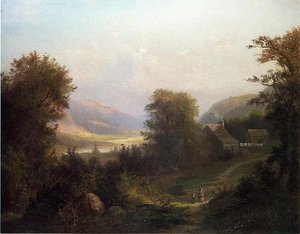 Hudson River Scene1863
 Near Noroton, Connecticut1875
 A View on Lake George1876
 On the Waywayanda, Orange County, New York1877
Essee teemadel Edwin Forrest
 American artworks of the 1820s1820s American art by George Catlin, Gilbert Stuart, and Rembrandt Peale. View these iconic masterpieces and more on OriginalUniqueArt.com.
 American artworks of the 1810s1810s American art by Gilbert Stuart, John Trumbull, and Rembrandt Peale. Find museum-quality reproductions on OriginalUniqueArt.com.
 The Art of the Gaze: A Collector's Guide to Mastering Portrait Composition and Emotional DepthMaster the nuances of portrait composition with our expert guide for collectors. Discover how light, gaze, and texture create emotional dep…