

 Vaata sisu
 Jaga teost
 Jaga
Jaga
 Detailid
 Õppekate juhend

 Laadi alla
 Sarnased teosed
 Röntgenuuring
 Slaidietendus
 Statistika
The Wyndcliff, River Wye


 Loe lähemalt
Giclée / Kunstiprint
Muuseumikvaliteediga giclée- või kangasprint kiire tootmisega ja paindlikud viimistlusvõimalused. ( Telli käsitsi maalitud reproduktsioon Ülemineku digitaalse pildi müügi kanalisse)




P118B €10

P118H €10

P118W €10

P438Z €10

P508JH €12

P508YH €12

P805H €10

P805Z €10

P919BZ €10

P919G €10

P919XJ €10

P959ZH €10

P968JZ €12

W106C €8

W218G €10

W218JH €8

W218Y €10

W307PJ €10

W316G €10

W316PJ €8

W316Y €10

W398PJ €8

W4111J €10

W500HY €15

W500JH €15

W692G €12

W849H €8

W940BG €15

W953PJ €8




Vali meie eelmääratud suurused, mis vastavad teose algupärastele proportsioonidele.

Sisestage vajalik laius ja kõrgus, et see sobiks teie raamile või seinale. Trükki saab ainult lõigata, seda ei saa kunagi pildist suuremaks teha, seega ka differentse vormiga suurus kaotab osa pildist. Enne trükkimist saadame teile kinnitamiseks digitaalse näidisprojektsiooni. Sellel lehel näidatud pilt ei kujuta reaalset lõiget — seda näitab ainult näidisprojekttsioon.
Ülemaailmne tarne () 2 nädala jooksul, tavalise 4/5 nädala asemel. (25 oktoober)

Tasuta ekspresssaatmine üle maailma

Kõrgekvaliteediline lina-kangastest muld

Täielik transpordikindlustus

Tollimaksude tagastamise garantii

Värvitoime täpsuse garantii

100 päeva tagastusõigus (ainult defektide korral)

100% raha tagasi garantii

Hulgusoodustus
 Klaasivalik on saadaval ainult kuni 110 cm suuruses teostes

The Wyndcliff, River Wye
Giclée / Kunstiprint
Reproduktsiooni mõõtmed
-


Lõppsumma
€ 70
A Romantic Vision of the Welsh Wilds
In the heart of the nineteenth century, as the Industrial Revolution began to reshape the landscape of Great Britain, the artist David Cox sought refuge in the untamed majesty of the natural world. His 1842 masterpiece, The Wyndcliff, River Wye, stands as a profound testament to the Romantic movement, capturing a moment where the soul of the landscape meets the sublime. This oil painting does not merely document a geographical location in South Wales; it invites the viewer into a deeply emotional encounter with the grandeur of the Wye Valley. Through his masterful lens, the river valley becomes more than just earth and water—it becomes a sanctuary of peace and a theater of light.
The composition is anchored by a commanding presence on the left, where a towering oak tree reaches toward the heavens, acting as a sentinel over the sprawling vista. This structural element guides the eye with grace across the undulating terrain toward a distant, hazy horizon, creating an immense sense of scale. Within this vastness, Cox places small, intimate figures near the water's edge, their presence serving to emphasize the overwhelming magnitude of the cliffs and sky. It is a delicate balance between the human spirit and the infinite power of nature, a hallmark of the Romantic era’s fascination with the awe-inspiring.
Mastery of Light and Atmospheric Depth
Technically, The Wyndcliff, River Wye is a triumph of light manipulation and textural expression. Cox was a virtuoso of atmospheric perspective, utilizing subtle shifts in color and clarity to pull the viewer deep into the painting’s recesses. The way the distant hills soften into a blue-grey mist creates an illusion of infinite space, making the canvas feel as though it breathes with the damp, cool air of the Welsh countryside. The artist employs a dramatic chiaroscuro effect, where strong, directional light pierces through unseen clouds to illuminate patches of foliage and the shimmering surface of the river, while casting deep, velvety shadows across the rugged ground.
The brushwork itself is remarkably expressive, eschewing rigid precision for a more spontaneous, tactile quality. One can almost feel the movement of the wind through the leaves and the steady flow of the current, as Cox’s visible strokes contribute to a sense of immediacy and life. For the discerning collector or interior designer, this texture provides a rich, organic element that brings a dynamic energy to any space. The interplay between the smooth, reflective water and the rough, weathered bark of the ancient trees creates a sensory experience that transcends the flat surface of the canvas.
A Timeless Sanctuary for the Modern Interior
Beyond its technical brilliance, this artwork offers a profound symbolic resonance. In an age often characterized by noise and rapid change, The Wyndcliff, River Wye serves as a window into a world of tranquility and solitude. The river valley symbolizes a retreat from the complexities of urban existence, offering a meditative space for contemplation. It speaks to the eternal human desire to reconnect with the earth and to find stillness amidst the vastness of the universe.
For those looking to curate an environment of sophistication and calm, a high-quality reproduction of this work provides an unparalleled focal point. Its earthy tones, dramatic lighting, and sweeping vistas harmonize beautifully with both classical and contemporary decor, adding a layer of historical depth and emotional warmth to a room. To hang this painting is to invite the enduring spirit of the Welsh landscape into one's home, fostering an atmosphere of quiet strength and breathtaking beauty.
Küsimused ja vastused
Kuidas teos "The Wyndcliff, River Wye" sobitub artisti David Cox teemade ja stiiliga?
"The Wyndcliff, River Wye" kuulub David Cox Romanticism perioodi teosetele, mille tuntud teemad hõlmavad romantic landscape, turner's atmospheric effects, pre-raphaelite detail, nature's majesty", human connection, solitude & reflection, early romantic style.
Millissest ajast on teos „The Wyndcliff, River Wye“, autor David Cox?
Teose „The Wyndcliff, River Wye“, autor David Cox ajalooline periood on 19th Century. See klassifikatsioon aitab teost kunstiloostikuliselt paikata.
Mille teiste nimetega on David Cox tuntud?
Kunstnik David Cox tuntub ka nimeel David Cox Noorem.
Kunstniku elulugu
David Cox: Maastikumaali poeet ja varane impressionismi eelkäija
David Cox, sündinud 1783. aastal Birminghami tööstuslinnas, oli inglise maalikunstis oluline figuur, kelle looming sillutas teed hilisematele kunstisuundadele nagu impressionism. Tema elulugu on lugu lihtsatest juurtest tulnud andekast kunstnikust, kes oma pideva õppimise ja looduse vaatluste kaudu jõudis maalikunstis kõrgustesse. Cox ei olnud pelgalt maastikumaalija; ta oli atmosfääri ja valguse poeet, kes suutis tabada inglise maastike hingust ning edasi anda nende muutlikku ilu.
Varajased aastad ja kunstiline haridus
- Cox sündis 29. aprillil 1783. aastal Deritendi piirkonnas Birminghamis, tema isa oli sepp ja valusepp, kes tarnis komponente Birminghami relvatööstusele. Ema, pärit taluperest, omandas parema hariduse ning tugeva iseloomu.
- Ta alustas oma kunstiharidust Joseph Barberi akadeemias Great Charles Streetil, kus ta kohtus kaaspüüdijate Charles Barberi ja William Radclyffe’iga.
- 15-aastaselt hakkas Cox õppima Albert Fielderi juures Birminghamis, kes oli spetsialiseerunud portree miniatuuridele ja dekoratiivmaalidele esemetele nagu nuuskutopsid. See varajane väljaõpe andis talle vajalikud põhioskused.
Karjääri areng ja kunstiline teekond
1804. aastal kolis Cox Londonisse ja abiellus oma üürileandja tütre Mary Raggiga. Pöördepunkt tema karjääris oli 1805. aasta reis Walesi koos Charles Barberiga, mis tähistas arvukate sketching-ekspeditsioonide algust kogu tema elu jooksul. Need reisid mõjutasid sügavalt tema kunstilist stiili. Ta eksponeeris regulaarselt Royal Academys alates 1805. aastast ning teenis elatist joonistusõpetajana. Kindral Hon. H. Windsor oli üks tema esimesi õpilasi 1808. aastal.
Cox’i varased tööd keskendusid detailsetele vesivärvimaalidele, mis kujutasid sageli maaelu ja arhitektuurilisi objekte. Tema loomingus oli näha tähelepanu detailidele ning soov tabada looduse ilu.
Kunstiline stiil ja mõjutused
Cox’i stiil arenes aja jooksul. Ta liikus täpsest topograafilisest kujutamisest ekspressiivsema ja atmosfäärilise lähenemisviisi poole. Tema loomingus on näha tema huvi Hollandi maastikumaalijate vastu 17. sajandist ning teravat looduse vaatlust, mis meenutab Constable’i töid. Ta sai tuntuks lahtiste pintslilöökide, elavate värvide ja valguse ja ilma efektide tabamise oskuse poolest. Tema hilisemad õlimaalid olid eriti uuenduslikud.
Ta ei piirdunud pelgalt looduse välise ilu kujutamisega; ta püüdis edasi anda ka tundeid, atmosfääri ja meeleolu, mis valitsesid maastikes. Tema loomingus on näha tema sügavat seotust inglise maastikuga ning soov tabada selle muutlikku olemust.
Peamised saavutused ja pärand
Cox maalis oma karjääri lõpus üle 300 õlimaal, mida tänapäeval tunnustatakse kui “üht suurimat, kuid vähem tuntud saavutust inglise maalijate seas”. Ta on üks suuremaid inglise maastikumaalijaid ja oluline tegelane inglise vesivärvikunstiga seotud kuldajastul. Tema töö mõjutas oluliselt järgnevaid põlvkondi maastikukunstnikke.
- Tuntud tööd: Tuul kõrtidel, Suvila Herefordshire’is, Severni ja Wye jõe ristmik Chepstowi kaugusel ning Kuuvalgusmaastik on tema tuntuimad maalid.
Ajalooline tähtsus
David Coxi tunnustatakse varase impressionismi eelkäijana. Tema rõhk muutlike atmosfääriliste efektide tabamisele ja lahtistele pintslilöökidele ennustas paljusid hiljem impressionistide poolt omaks võetud tehnikaid. Ta mängis olulist rolli inglise maastikumaali eraldi žanrina väljakujundamisel, liikudes puhtalt topograafilistest kujutustest ekspressiivsemate ja emotsionaalsemate looduse interpretatsioonide poole.
Tema loomingut imetletakse jätkuvalt selle ilu, tundlikkuse ja püsiva võlu eest.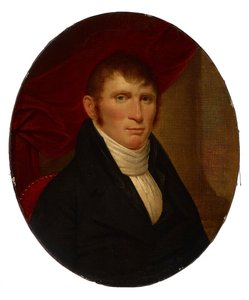
David Cox
1783 - 1859 , Ühendkuningriik
Lühikest infot
- Kunstiliikumine: Inglise maastikumaal
- Rahvus: Briti
- Surmapäev: 1859
- Sündimiskoht: Birmingham, Ühendkuningriik
- Sünnipäev: 29. aprill 1783
- Tuntud Teosed:
- The Wind on the Heath
- Cottage in Herefordshire
- Täisnimi: David Cox
Sarnased artiklid

Evoking Nature's Sublime: A Comprehensive Exploration of 19th-Century Landscape Painting
Explore the captivating world of 19th-century landscape painting! Discover renowned artists like Friedrich & Monet, key movements, and find the perfect artwork to bring nature's serenity into your home. Expert insights at OriginalUniqueArt.

The Sublime and the Picturesque: Exploring Emotion & Nature in Romantic Landscape Painting
Explore the emotional power of Romantic landscape painting! Discover the sublime & picturesque traditions, key artists like Friedrich & Cole, and find your perfect artwork at OriginalUniqueArt.

Romantilise Maastikukunsti 10 Meisterteost: Kunstiteosed Koduks OriginalUniqueArt.com'ist
Avastage 10 romantilise maastikukunsti meistriteost! Tutvuge Caspar David Friedrichi, J.M.W. Turneri ja teiste suurte kunstnike loominguga OriginalUniqueArt.com-is. Leidke täiuslik õlimaal või reproduktsioon koduks – inspireeriv kollektsioon ootab!

John Constable: 25 Suurimat Teost Inglise Maastikumaali Tippu
Avastage John Constable'i 25 suurimat teost! Sukeldu inglise maastikumaali romantismisse, imetlege Dedham Vale ilu ja leia inspiratsiooni kodukaunistuseks. Kvaliteetsed kunstireprodutsioonid OriginalUniqueArt.com-is. Vaata kohe!

David Cox the Elder: Landscape, Light & the Romantic Vision of Rural England
Explore the captivating landscapes of David Cox the Elder, a pivotal figure in British Romanticism. Discover his masterful watercolour techniques, enduring legacy & find timeless art for your home at OriginalUniqueArt.